What is a good Balkans itinerary through Croatia, Montenegro and Albania, and what do you need to know about borders and rental cars?
We spent 70 days travelling from Croatia through Montenegro to Albania, from 3 August to 12 October 2023: 17 days in Croatia, 22 in Montenegro and 31 in Albania, across 26 stays. The order ran north to south, from Zagreb down the Dalmatian coast to Dubrovnik, through Montenegro's mountains and coast, and around Albania from Shkodër and Theth to the Riviera and Berat, ending in Tirana. This is the route with days per stop, the three border crossings, what to know before renting a car across them, and which parts we would reorder.
Published June 6, 2026
Route at a glance26 stops · 70 days · our actual route
• Zagreb, 4 days: the Upper Town, St. Mark's Church, Dolac market and the café terraces of Tkalčićeva. See our Zagreb guide.
• Osijek, 3 days: Slavonia's capital and its Habsburg star fortress, Tvrđa, far to the east. See our Osijek guide.
• Zadar, 3 days: the Roman forum, St. Donatus and the Sea Organ at sunset. See our Zadar guide.
• Šibenik, 2 days, and Split, 2 days: Šibenik's mortarless cathedral and hill forts, near Krka National Park, then Diocletian's Palace in Split. Both are in our Croatia guide.
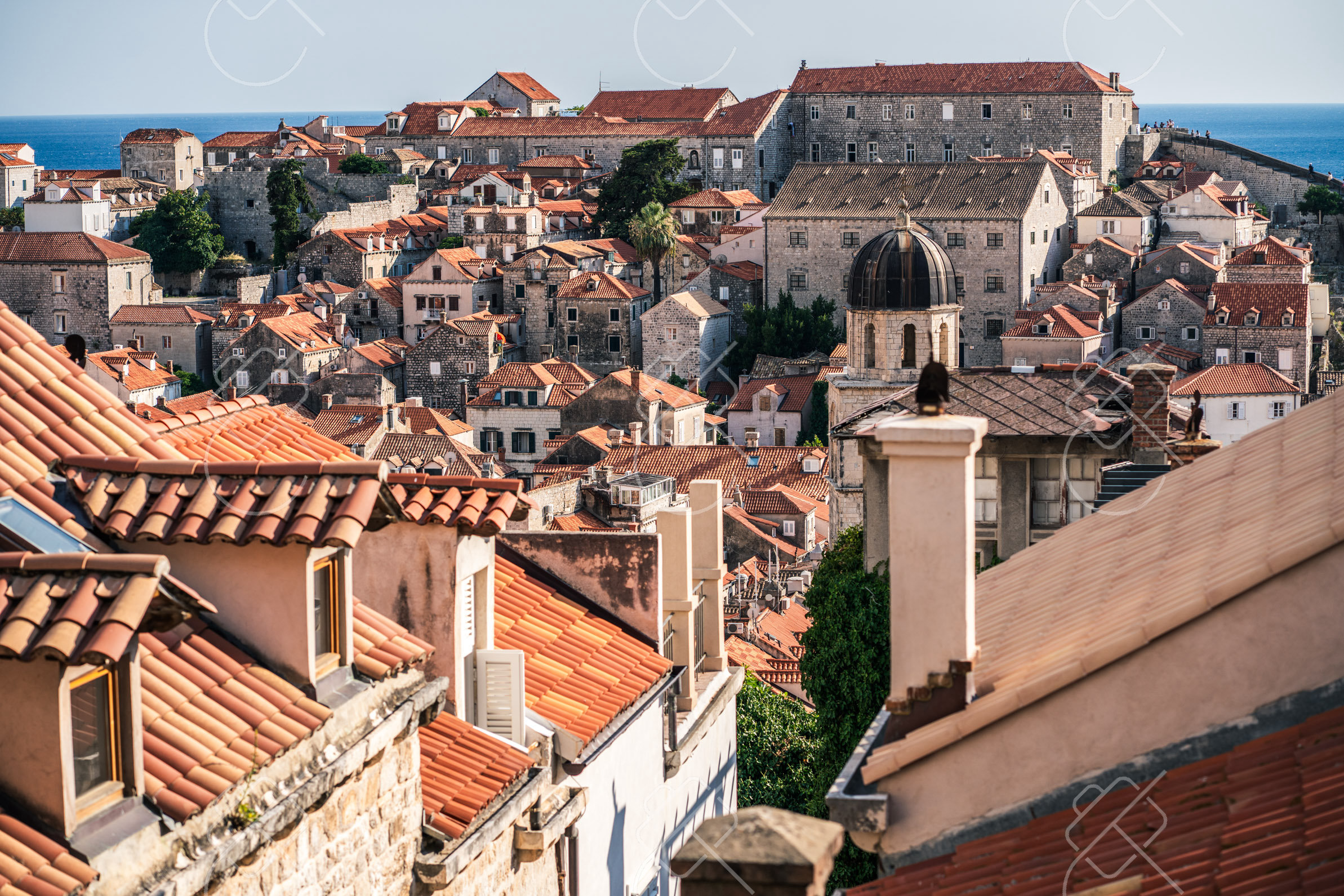
• Dubrovnik, 3 days: the walls, the Stradun and Fort Lovrijenac. Our Dubrovnik City Walls guide covers the 2026 €40 ticket and the best hours.
A practical note on order: Osijek is about 2.5 hours' drive east of Zagreb and nowhere near the coast, so it is a long out-and-back if you are driving. Between Split and Dubrovnik, the Pelješac Bridge, open since July 2022, lets you stay in Croatia instead of crossing the short Bosnian coastal strip at Neum.
Montenegro: 22 days, coast and mountains
• Kotor, 3 days: the walled Old Town and the climb to St. John's Fortress (€15 for foreign visitors; see our Kotor fortress guide and Kotor guide).
• Štavna, 2 days: a highland plateau at about 1,800 m below the Komovi massif in Andrijevica municipality, with an eco-katun lodge and trailheads for the Kom peaks.
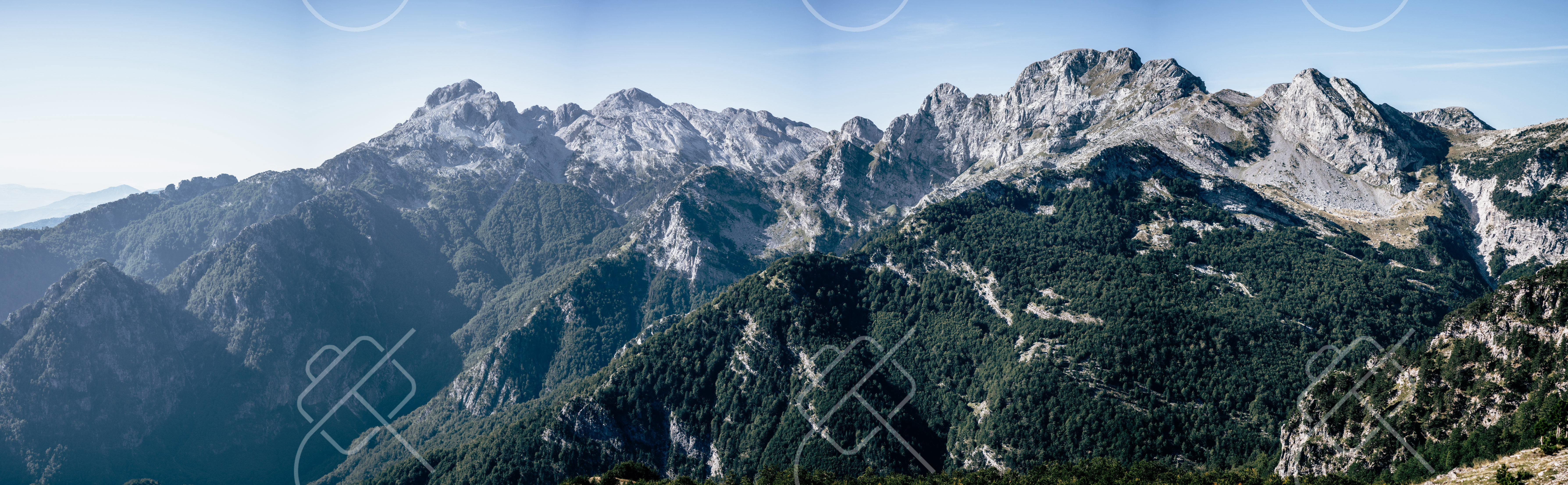
• Gusinje, 3 days: a small town on the edge of Prokletije National Park, near Ali Pasha's Springs and the Grebaje valley.
• Nikšić, 2 days: Montenegro's highland second city, with Ostrog Monastery nearby. See our Nikšić guide.
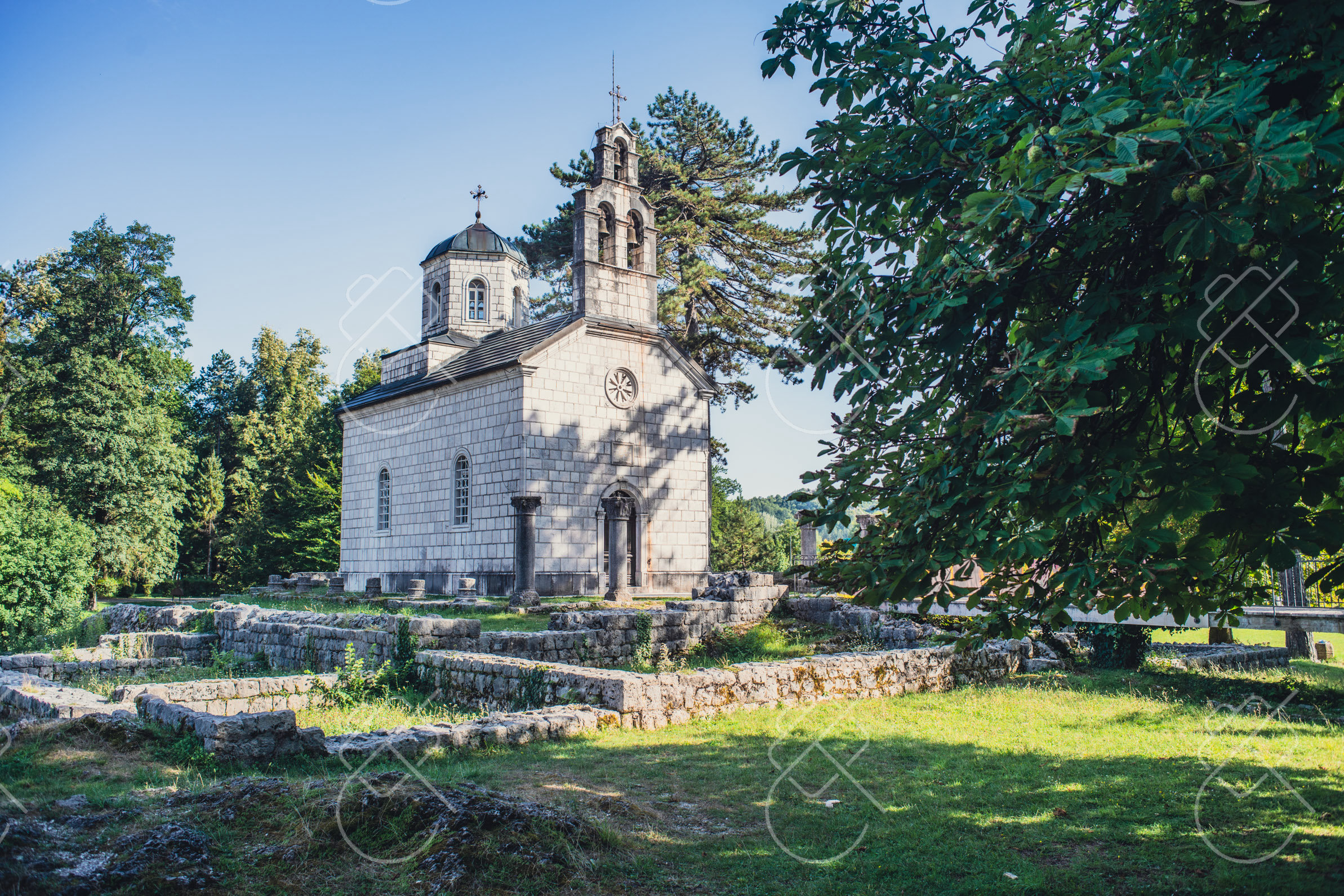
• Cetinje, 1 day: the old royal capital, with a day trip to Sveti Stefan. See our Cetinje guide.
• Petrovac, 2 days; Stari Bar, 2 days; Ulcinj, 2 days: a quiet beach town, the ruined fortress town above Bar, and Montenegro's southernmost town. See our Petrovac, Stari Bar and Ulcinj guides.
• Podgorica, 2 days: the capital, and the last stop before crossing into Albania.
• Shkodër, 2 days, and Theth, 3 days: Rozafa Castle and the lake, then the Albanian Alps. Theth's season runs roughly June to September; see how to get to Theth and our Theth guide.
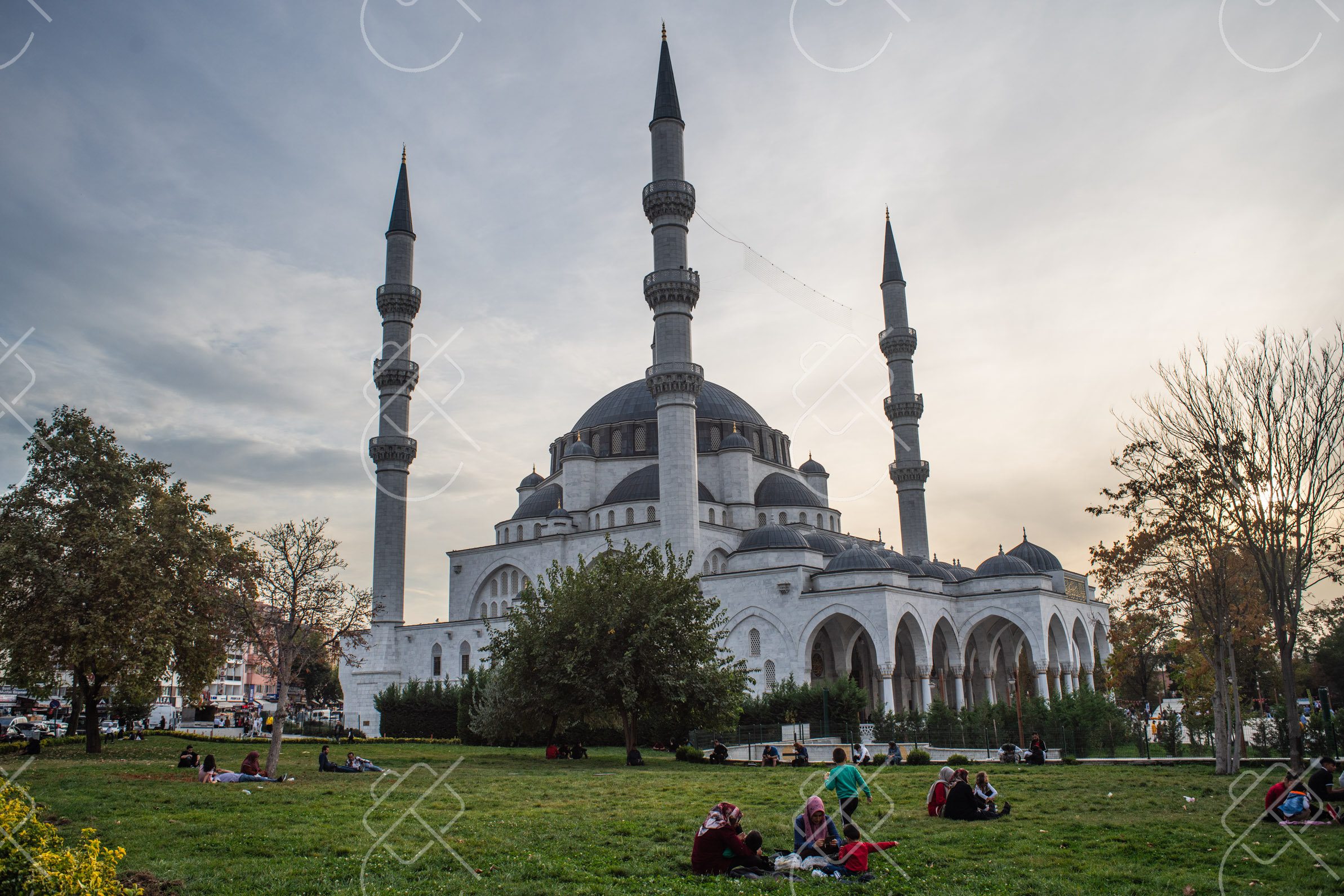
• Tirana, 4 days: Skanderbeg Square, the Bunk'Art bunkers and the Dajti cable car (in our Albania guide).
• Korçë, 3 days, and Përmet, 1 day: Korçë's Old Bazaar and Albania's oldest brewery, then Përmet, the base for the Bënja thermal springs and Langarica Canyon.
• Gjirokastër, 3 days: a UNESCO-listed Ottoman stone town below a large fortress.
• Sarandë, 3 days, and Ksamil, 4 days: the southern Riviera, with Butrint's ancient ruins about 4 km beyond Ksamil.
• Berat, 3 days, then Tirana again, 5 days: the 'city of a thousand windows', then back to Tirana, from where we continued to Istanbul.
• Croatia to Montenegro: the main road crossing is Karasovići / Debeli Brijeg, about 45 minutes south of Dubrovnik. Croatia is in the Schengen Area and Montenegro is not, so there are full passport checks on both sides, and the EU's Entry/Exit System (EES) now registers non-EU travellers' fingerprints and photos at this external border. In July and August, queues of 2 to 3 hours are common at midday. See Kotor to Dubrovnik.
• Montenegro to Albania: from Podgorica, the usual crossing is Božaj / Hani i Hotit north of Lake Skadar, on the road to Shkodër. From Ulcinj, Sukobin / Muriqan is the shorter way to Shkodër, about 44 km. Buses between Podgorica and Shkodër take roughly 1.5 to 2 hours.
• ETIAS: the EU's planned pre-travel authorisation for visa-exempt visitors has not launched; recent reporting suggests it may slip into 2027. Check the official EU page before you travel.
If you drive this route, the paperwork matters more than the roads. Declare every country at the rental desk: companies add a cross-border fee and must give you the Green Card insurance document, which border police can ask to see. As one example, Enterprise's Croatian branches list €60 per hire for non-EU countries including Montenegro and Albania; other companies charge different amounts, and some exclude Albania entirely. Read the terms before you book.
One-way rentals across borders (for example, pick up in Zagreb and drop in Tirana) are the expensive part. Where they are offered at all, drop fees are quoted case by case and can run to several hundred euros. The common workaround is to split the trip: one rental in Croatia returned in Dubrovnik, a bus or transfer over the border to Kotor, a Montenegrin rental, then another crossing into Albania by bus and a new car from Tirana airport, the country's main rental hub.
We travelled August to mid-October, which suited the order. August is peak season on the Croatian coast: the hottest, busiest and most expensive month, with the longest border queues. By late August and September you are in the mountains (Durmitor's roads and trails are clear of snow from late June through September, and the Sedlo pass is normally open May to October), and by late September and early October the Albanian Riviera is quieter while the sea is still warm.
North to south is the natural direction: it follows the coast, ends at Tirana airport, and puts the mountains in late summer. If you are starting earlier, in June, consider doing Theth first, since its season ends around September.
What we would change: Osijek is a big eastern detour on a coastal route, so skip it or treat it as a separate trip from Zagreb. Tipping and cash habits shift as you go south; see tipping in the Balkans and Montenegro's kuver cover charge.
Frequently asked questions
How many days do you need for Croatia, Montenegro and Albania?
We spent 70 days: 17 in Croatia, 22 in Montenegro and 31 in Albania. A shorter trip of three to four weeks can cover the coast plus Durmitor and Theth.
Can you drive a rental car from Croatia to Albania?
Only if the rental company authorises it in writing and supplies the Green Card insurance document. Cross-border fees apply, some companies exclude Albania, and one-way drop-offs in another country are costly where offered.
Where do you cross the border from Croatia to Montenegro?
The main road crossing is Karasovići (Croatia) / Debeli Brijeg (Montenegro), about 45 minutes south of Dubrovnik. Expect 2 to 3 hour queues at midday in July and August.
Where do you cross from Montenegro into Albania?
Božaj / Hani i Hotit on the Podgorica to Shkodër road, or Sukobin / Muriqan from Ulcinj, about 44 km from Shkodër.
What is the best time for a Balkans road trip?
June and September are the best balance. August is the busiest and hottest on the coast, while the mountains and Theth are best from late June to September.
Do you need ETIAS for Croatia?
Not yet. ETIAS has not launched, and recent reporting suggests a start in 2027. Check the official EU page before you travel.
Official sources
Entry rules change, and they depend on your nationality — always confirm the current requirements on the official government site before you book or apply. Only use official government (.gov) portals; ignore look-alike agency sites.


 Destinations & Itineraries