
Home
About us
Destinations
Travel Guides
Recipes
Featured
Photos As Art
Abstract Prints
Locations
Travel Gear
Travel Resources
Favorites
Photo Framer
Explore Photos
ContactThe Mediterranean coast strings together some of the world's most beguiling shorelines, where clear turquoise water meets cliffs, walled towns, and ancient ruins. Warm, generous light and long summer days turn every harbor and headland luminous. Historic ports and island villages crowd the coast, and many reveal themselves best from the water, approached by ferry as travelers have arrived for centuries.
Published April 3, 2026
Tap any photo to open it full-screen and order a print.
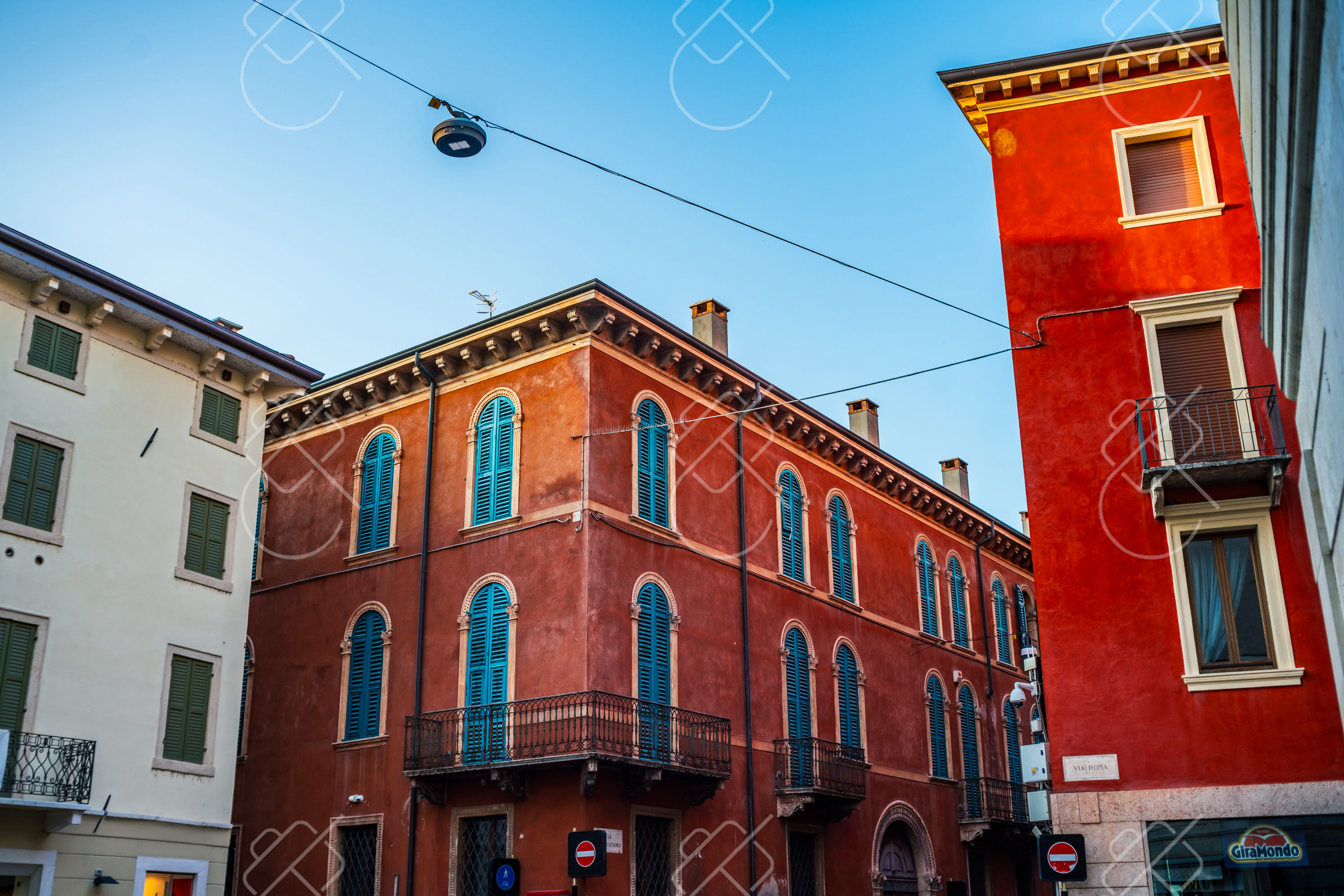
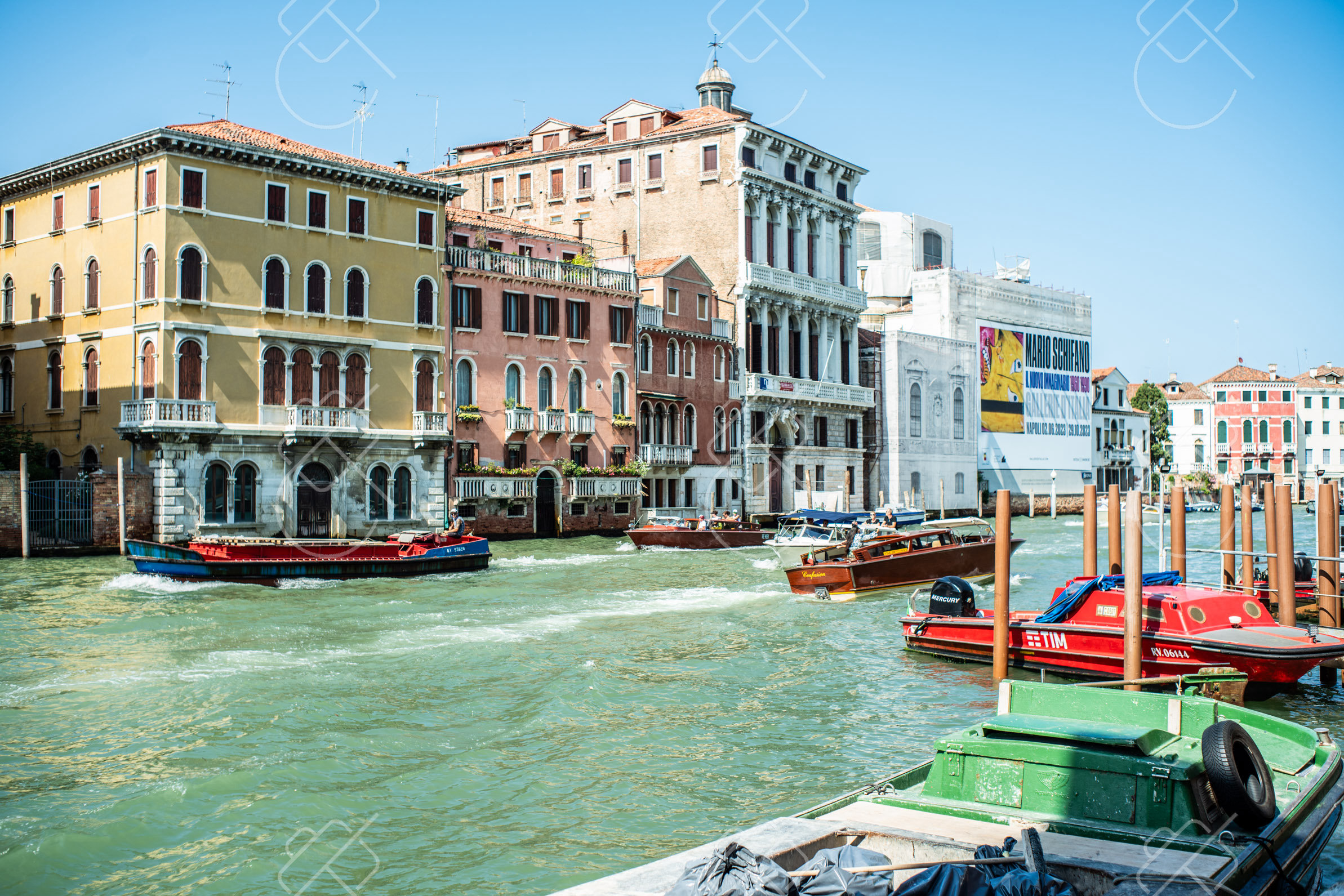
Italy's Mediterranean coastline ranges from the sheer cliffs of the Amalfi Coast to the colorful harbors of Liguria and the beaches of Sicily and Sardinia. Pastel towns cling to steep slopes above the sea, while ancient Greek and Roman ruins line parts of the southern coast. The mix of painted facades, clear water, and warm southern light makes the Italian coast a centerpiece of any Mediterranean journey.
The Amalfi Coast south of Naples is the most celebrated stretch, where towns such as Positano and Amalfi tumble down cliffs to small harbors, seen at their best from the coastal road or from the water. Nearby, the island of Capri and the ruins of Pompeii add further variety beneath the silhouette of Mount Vesuvius.
Further north, the five villages of the Cinque Terre in Liguria perch on terraced cliffs, their painted houses mirrored in the sea. To the south and on the islands, Sicily and Sardinia offer Greek temples, baroque towns, and some of the clearest waters in the Mediterranean.
May–June and September–October bring warm seas, fewer crowds, and the harvest along the Amalfi and Ligurian coasts, while July–August is hot, busy, and expensive at the height of beach season.
Sorrento offers a well-connected base for the Amalfi Coast, with ferries to Capri and access to Pompeii and Naples.
Coastal Italian cuisine emphasizes seafood, Neapolitan pizza, lemon-based dishes and limoncello from Amalfi, and Ligurian pesto.
The Amalfi coastal road is narrow and congested in summer; traveling by ferry between towns means easier transit and open sea-level views the whole way.
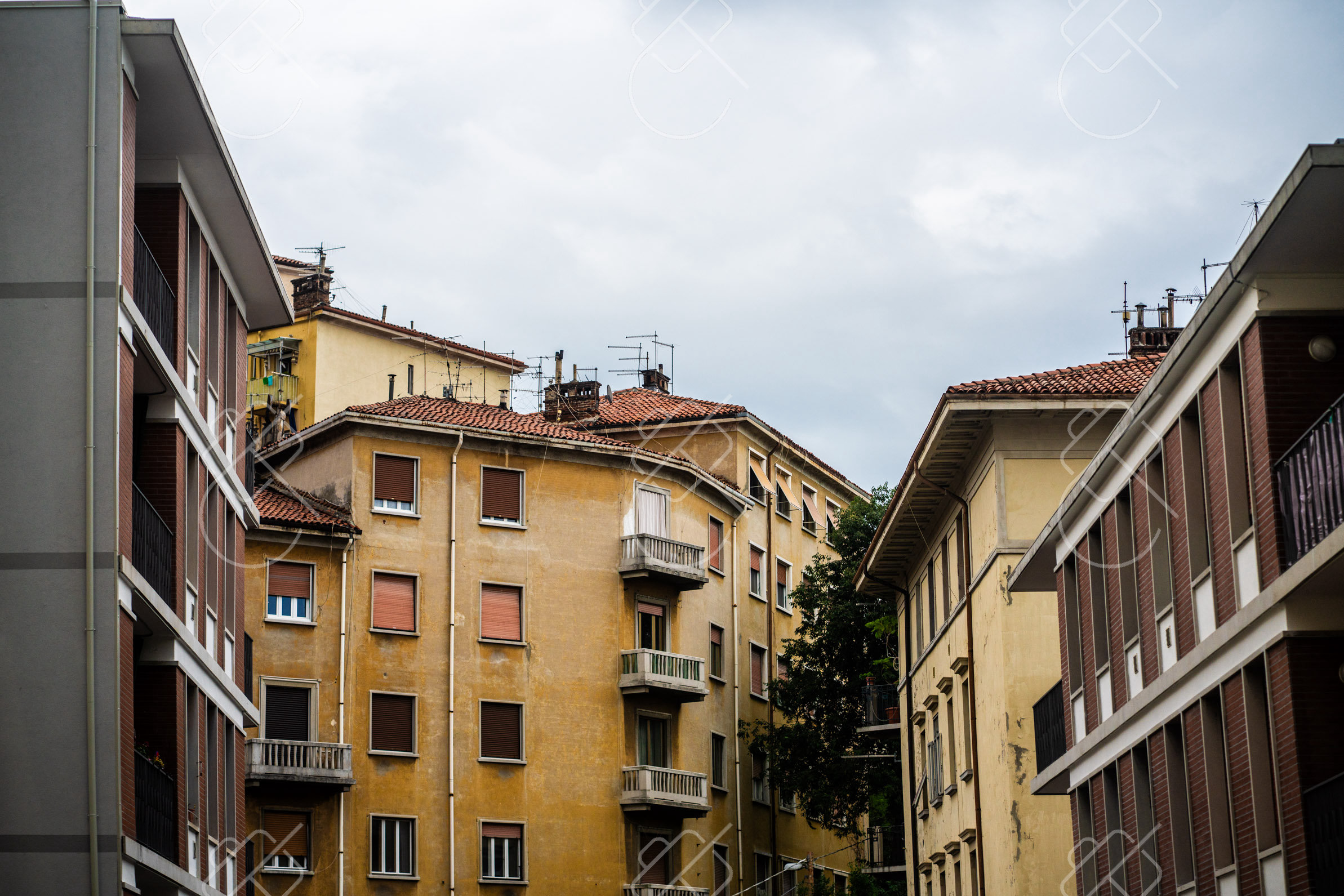
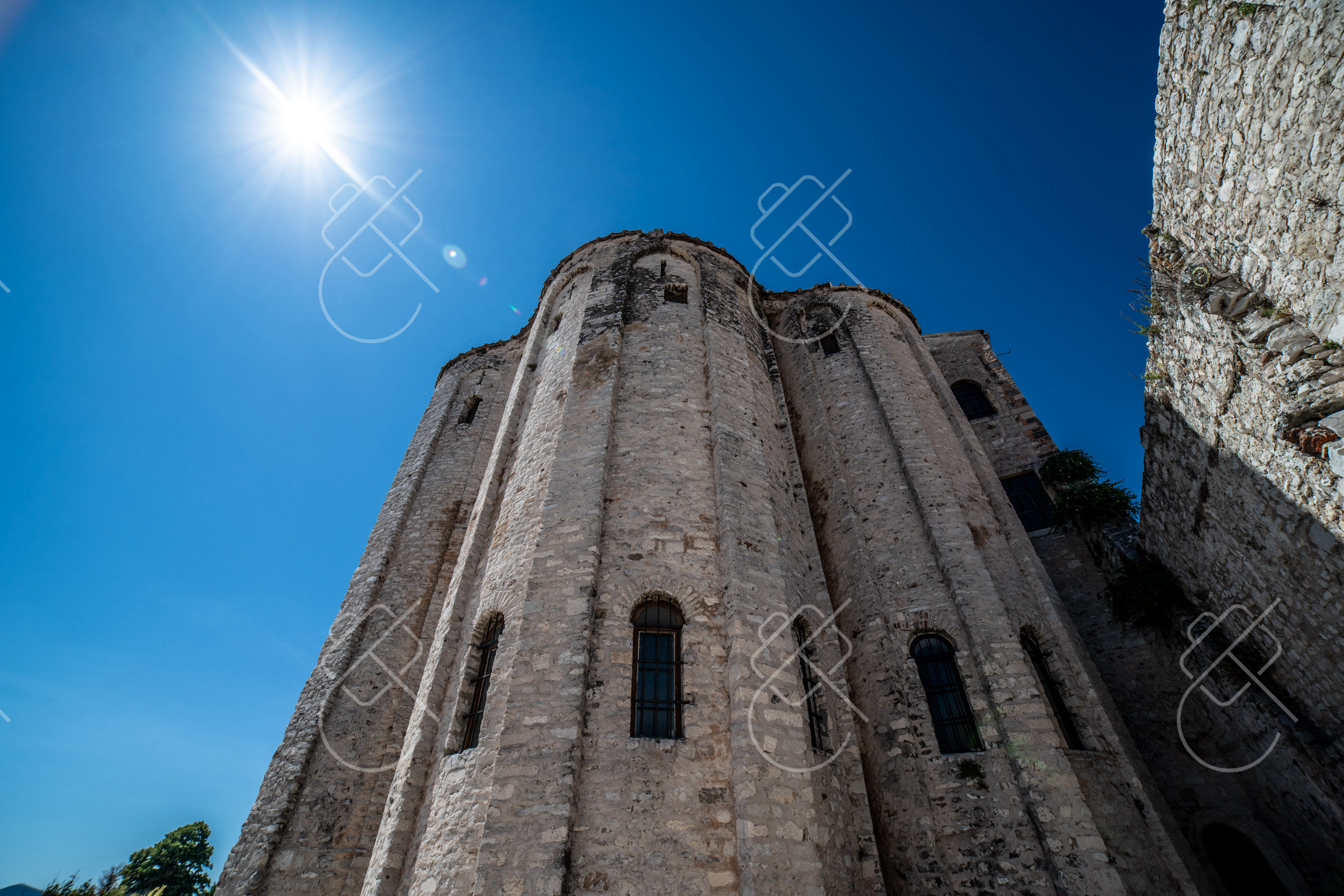
Croatia's Adriatic coast is lined with walled medieval towns, more than a thousand islands, and exceptionally clear water. Cities such as Dubrovnik and Split layer Roman, Venetian, and medieval architecture against dramatic seaside settings. Terracotta rooftops, white stone, and deep blue sea give the Dalmatian coast a beauty that has drawn travelers for generations.
Dubrovnik, in the far south, is encircled by massive medieval walls that enclose a compact old town of marble streets and baroque churches, seen at its grandest from the walls themselves or from the cable car on the hill above. Split, further north, is built around the vast ancient palace of the Roman emperor Diocletian, whose walls and cellars are woven into the living city.
Offshore, hundreds of islands draw their own visitors, from the lavender fields of Hvar to the blue waters of the Pakleni archipelago. Inland, the terraced lakes and waterfalls of Plitvice Lakes National Park add a contrasting world of turquoise pools and forest.
June and September offer warm Adriatic swimming with thinner crowds than packed July–August, plus the Dubrovnik Summer Festival; spring and autumn suit the coastline before and after peak heat.
Split is a central base for the Dalmatian coast, with its Roman old town and ferry links to Hvar and the surrounding islands.
Dalmatian cuisine centers on grilled fish and seafood, black risotto, peka (meat or seafood baked under a bell), and Istrian truffles.
Dubrovnik's old town fills with cruise-ship crowds by mid-morning, so walk the walls at opening time to have the views and the space largely to yourself.
Pastel towns cling to steep slopes above the sea, while ancient Greek and Roman ruins line parts of the southern coast.
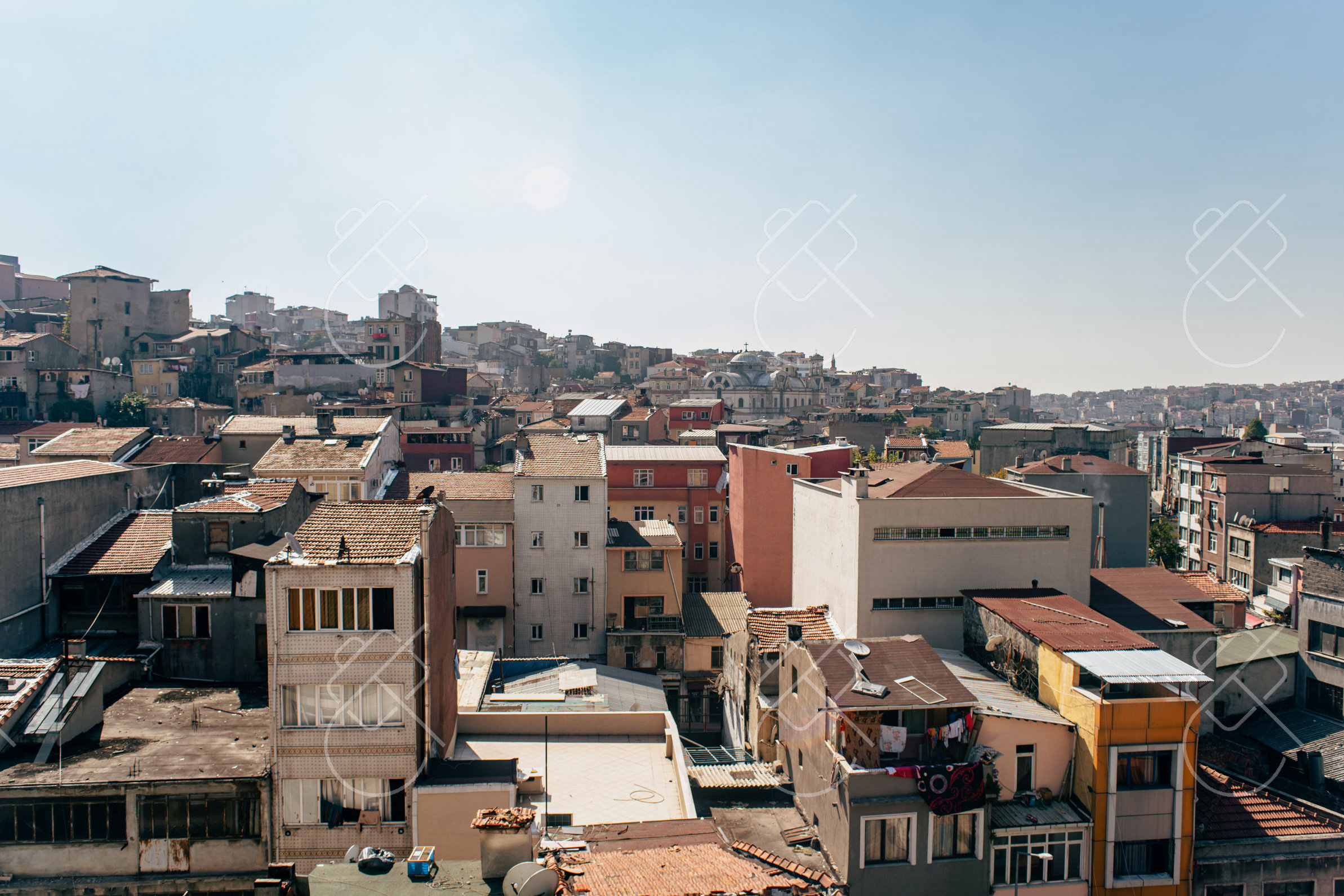
Turkey's Mediterranean and Aegean coasts combine ancient ruins, turquoise bays, and historic ports with the vast cultural landmarks of Istanbul nearby. The shoreline known as the Turquoise Coast features pine-covered mountains dropping to clear water, dotted with classical and Lycian ruins. Strong southern light and a wealth of ancient sites give travelers as much history as coastline to explore.
The Aegean and Mediterranean shores are lined with extensive classical ruins, including the marble streets of Ephesus and the hilltop tombs and theaters of the Lycian cities. Coastal towns such as Kaş and Fethiye sit beside clear bays, while the sheltered lagoon of Ölüdeniz draws swimmers and paragliders to one of the country's most famous stretches of coast.
Inland and to the northwest, Turkey offers further wonders: the great mosques and palaces of Istanbul straddling the Bosphorus, the white travertine terraces of Pamukkale, and, further east, the surreal rock formations of Cappadocia, famous for its sunrise balloon flights.
April–June and September–October bring warm, comfortable weather for the Turquoise Coast and ancient ruins without summer's intense heat and crowds; midsummer is best for committed beachgoers.
Kaş is a relaxed base on the Turquoise Coast, close to Lycian ruins, clear swimming bays, and boat trips along the shore.
Turkish cuisine features mezes, grilled kebabs, fresh Aegean seafood, börek pastries, and sweets such as baklava and lokum.
Ancient sites such as Ephesus are best visited at opening time to dodge both the midday heat and the crowds; coastal towns are easily linked by boat.
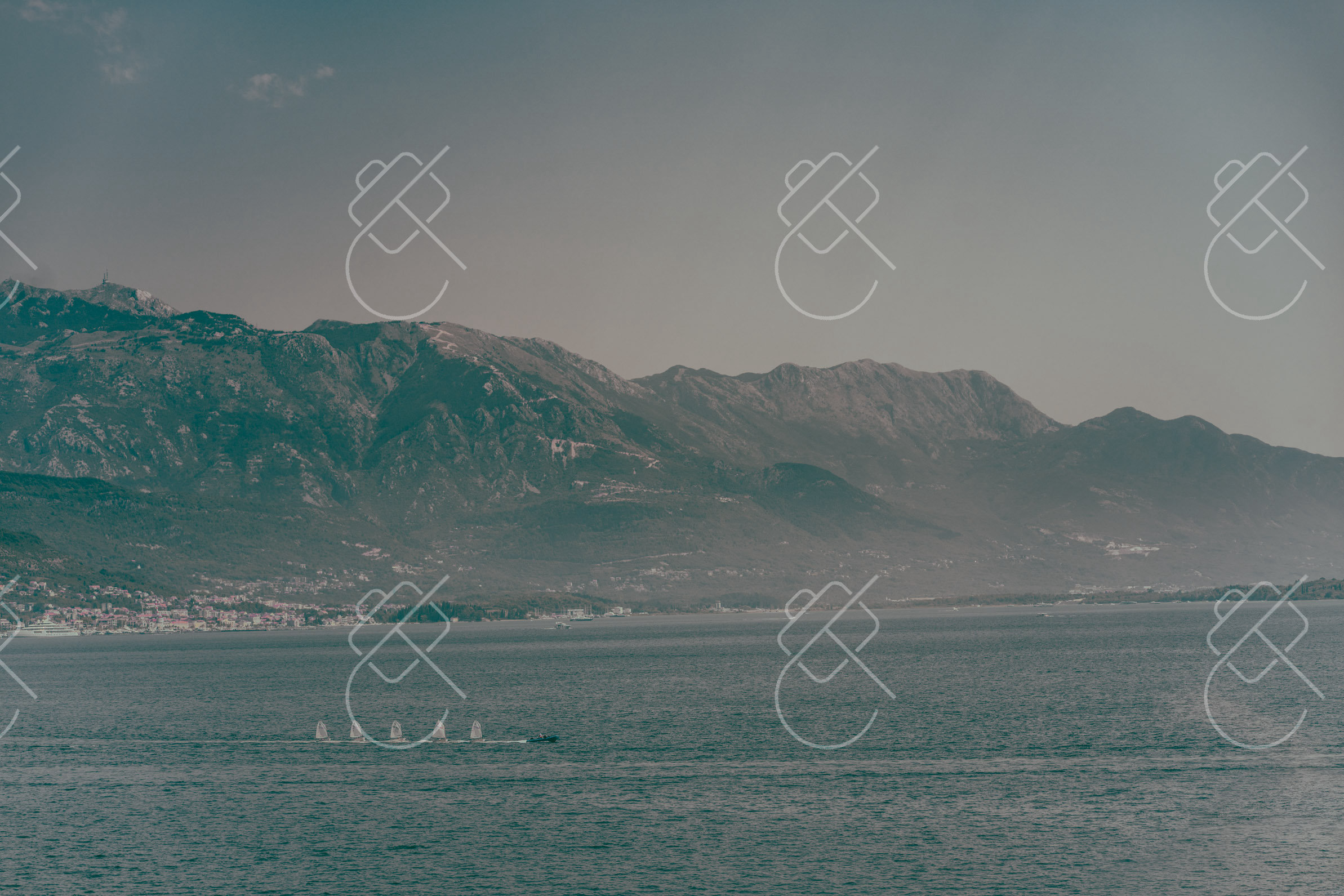
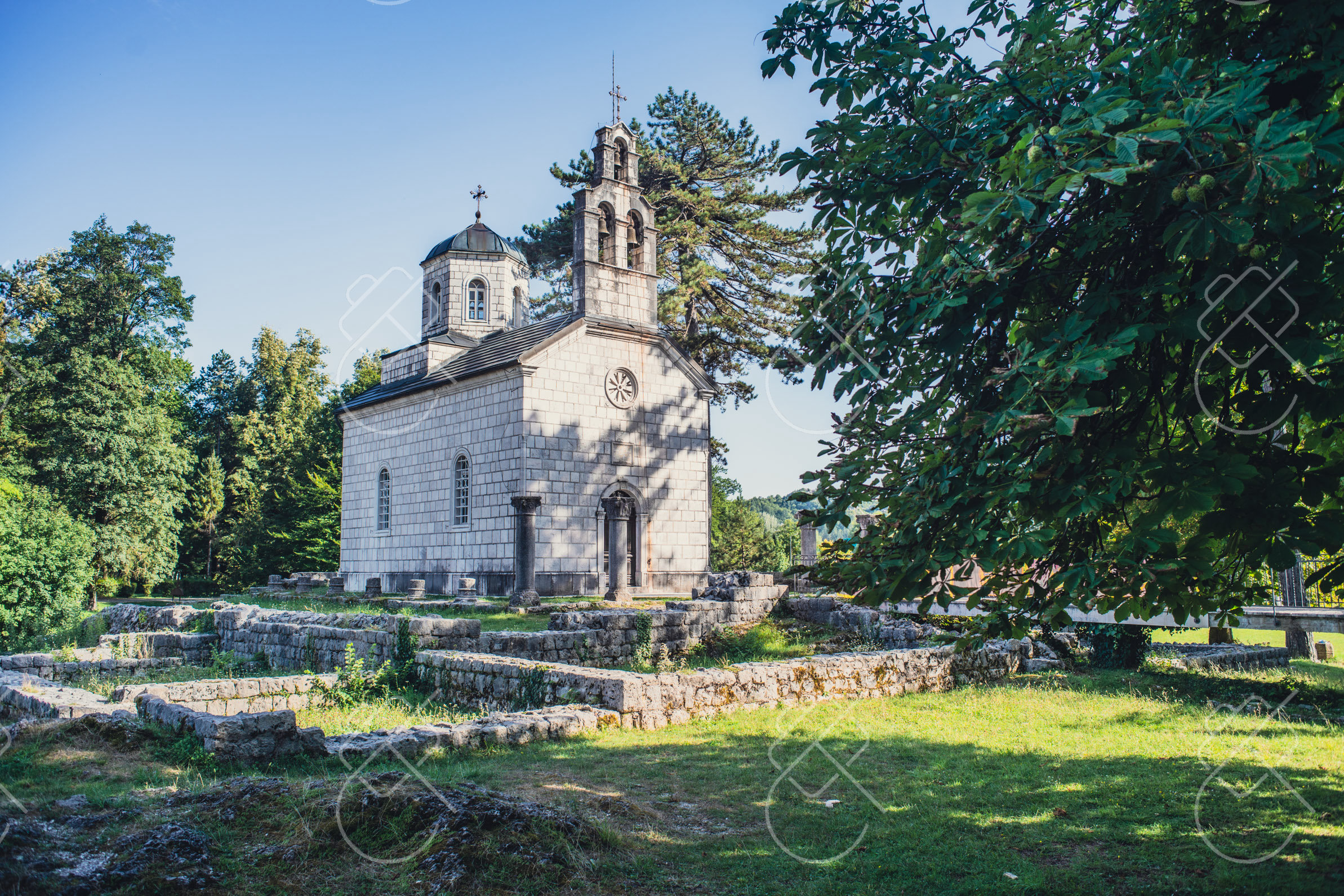
Montenegro packs fjord-like bays, walled coastal towns, and steep mountains into a small stretch of Adriatic coast. The Bay of Kotor, ringed by peaks, is the country's defining landscape, with medieval towns clustered at the water's edge. Its compact size lets travelers move quickly between coast and mountains in a single day.
The Bay of Kotor is a winding, sheltered inlet that resembles a fjord, hemmed in by steep limestone mountains. The fortified old town of Kotor sits at its head, with ancient walls climbing the slope behind it to a fortress that overlooks the entire bay. Nearby, the town of Perast faces two small islets, one crowned by a church.
Beyond the bay, the coastline takes in the fortified island town of Sveti Stefan and the long beaches around Budva. Inland, the mountains rise quickly to the glacial lakes and peaks of Durmitor National Park, a sharp contrast to the Mediterranean coast below.
June and September give warm seas along the Bay of Kotor with calmer crowds than midsummer, while spring and autumn are ideal for exploring the coast and mountains in pleasant temperatures.
Kotor is the ideal base for the bay, within its walled old town and close to Perast, the coast road, and mountain routes inland.
Montenegrin cuisine blends coastal and mountain traditions, with grilled Adriatic seafood, smoked Njeguši ham, cheeses, and hearty meat dishes.
The climb up Kotor's fortress walls is steep and exposed, so set out early in the morning, before the heat builds and while soft light still rests on the bay.
Terracotta rooftops, white stone, and deep blue sea give the Dalmatian coast a beauty that has drawn travelers for generations.
Explore regional routes with verified local fleets, zero hidden charges, and transparent insurance on Localrent.
Get the best deals on flights and hotels to The Mediterranean Coast on Expedia.
Transit cards, local customs, visa rules, and practical travel guides for this region.
See every destination from the 526-day journey:
Browse all destinationsCurious about the gear behind these photos? See the gear list.