Home
About us
Destinations
Travel Guides
Recipes
Featured
Photos As Art
Abstract Prints
Locations
Travel Gear
Travel Resources
Favorites
Photo Framer
Explore Photos
Contact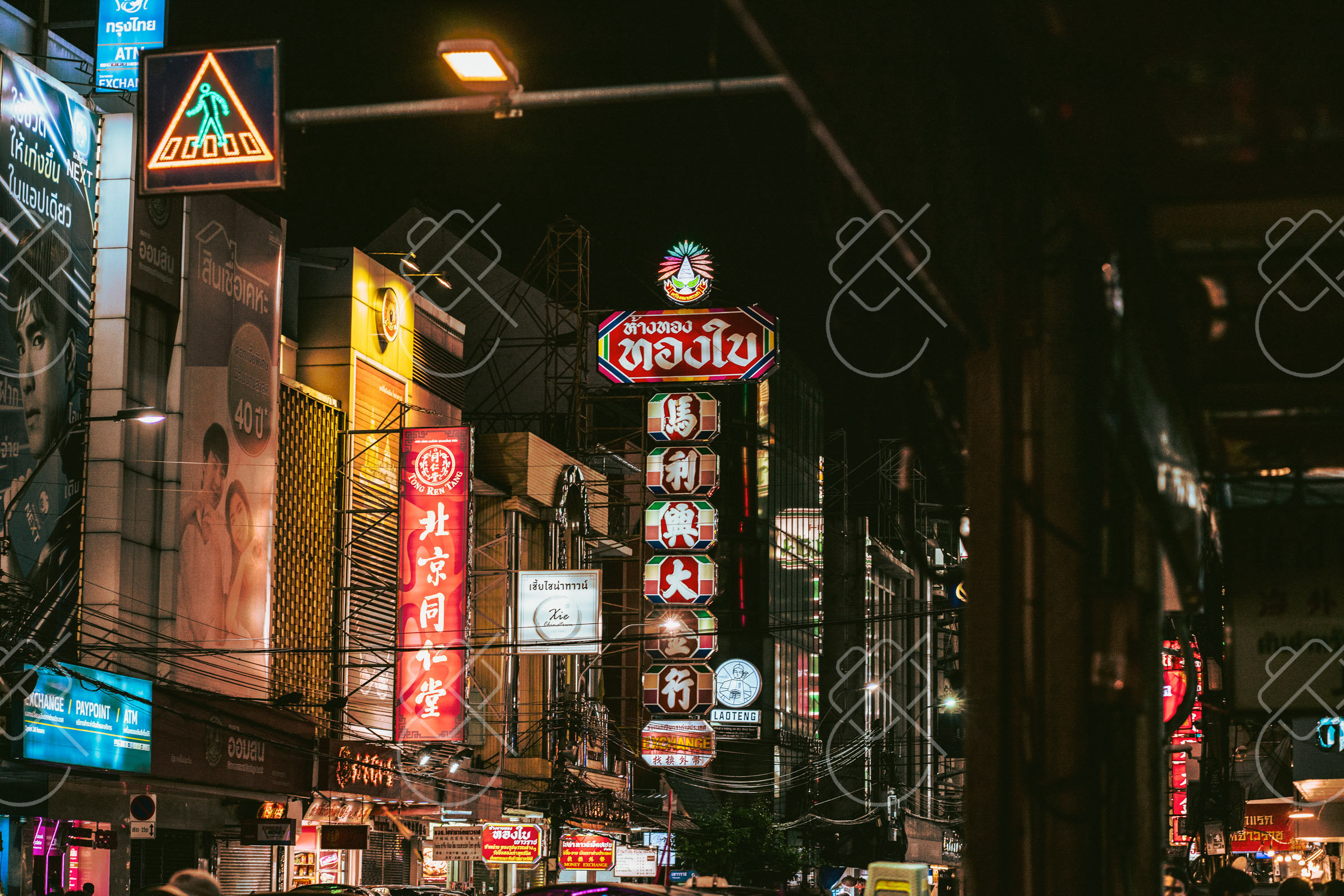 Destinations & Itineraries
Three days is the right amount for a first visit to Bangkok: day 1 for the royal temples of Rattanakosin (the Grand Palace, Wat Pho, then Wat Arun across the river at sunset), day 2 for the canals and Chinatown, and day 3 for Chatuchak Weekend Market or the modern city, with Ayutthaya as a fourth day if you have it. We spent 10 days in Bangkok over two stays, 6 at the start of our Thailand trip in December 2022 and 4 at the end in January 2023. This plan is built from our Bangkok guide: the order that beats the heat and the traffic, where to stay, and how to get around.
Published June 2, 2026
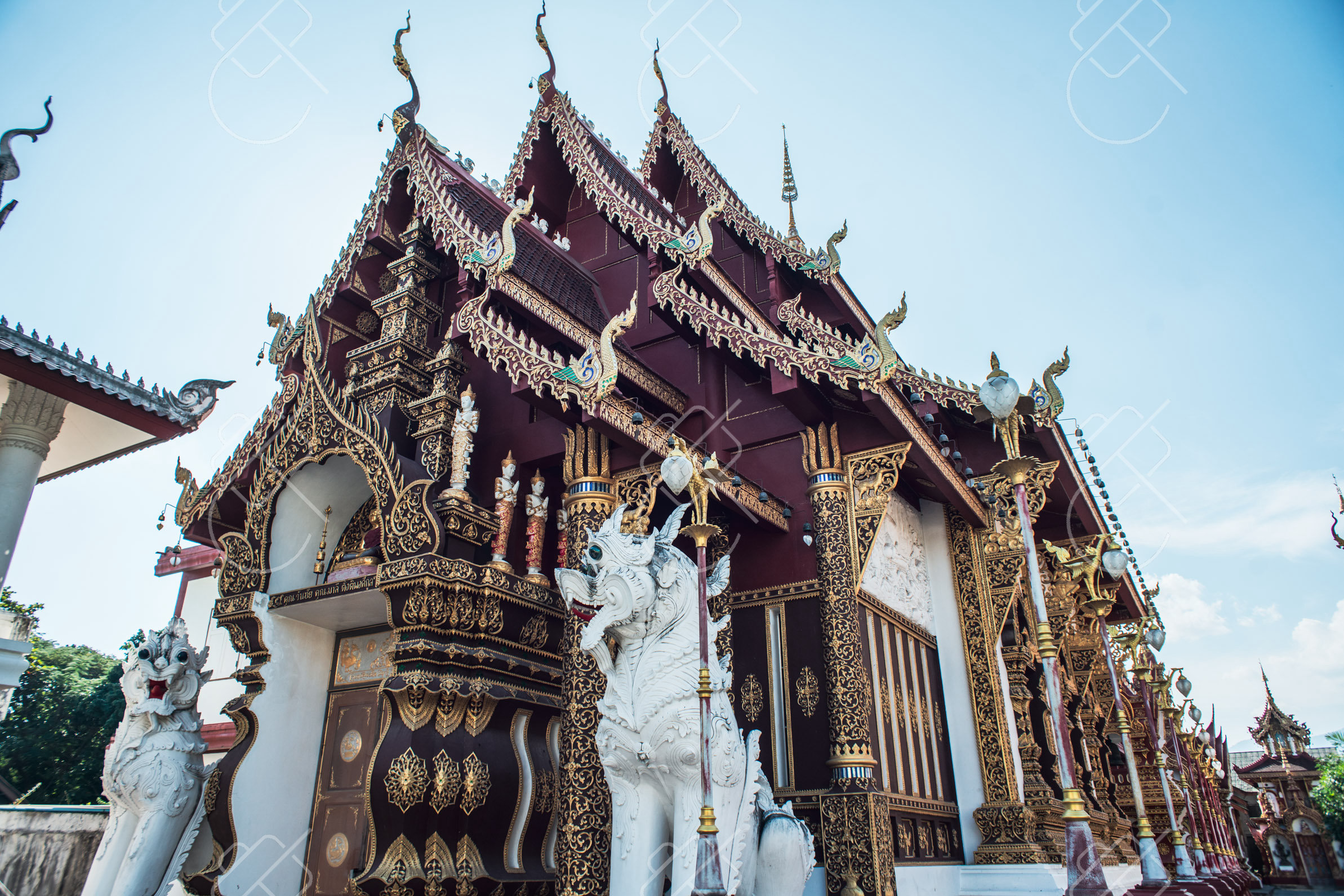
Be at the Grand Palace and Wat Phra Kaew for the 8:30 opening, when it is coolest and calmest. Foreign visitors pay 500 baht at the counter (more for online skip-the-line tickets), which covers the Emerald Buddha's temple; ticket sales stop in mid-afternoon, so do not leave it late. Shoulders and knees must be covered and staff check at the gate; there is a clothing rental counter if you arrive underdressed. Our temple dress code guide has the rules.
Walk south to Wat Pho for the 46-metre reclining gold Buddha, and consider a massage at the temple's traditional massage school. Ignore anyone outside either site who tells you the palace is closed today and offers a cheap tuk-tuk tour; it is a well-worn scam that ends at gem and suit shops.
In the late afternoon take the short cross-river ferry to Wat Arun, the Temple of Dawn, whose porcelain-studded prang catches the low sun. Our guide's tip: the river is the best way between the temples, and a longtail ride past Wat Arun at sunset is the classic view.
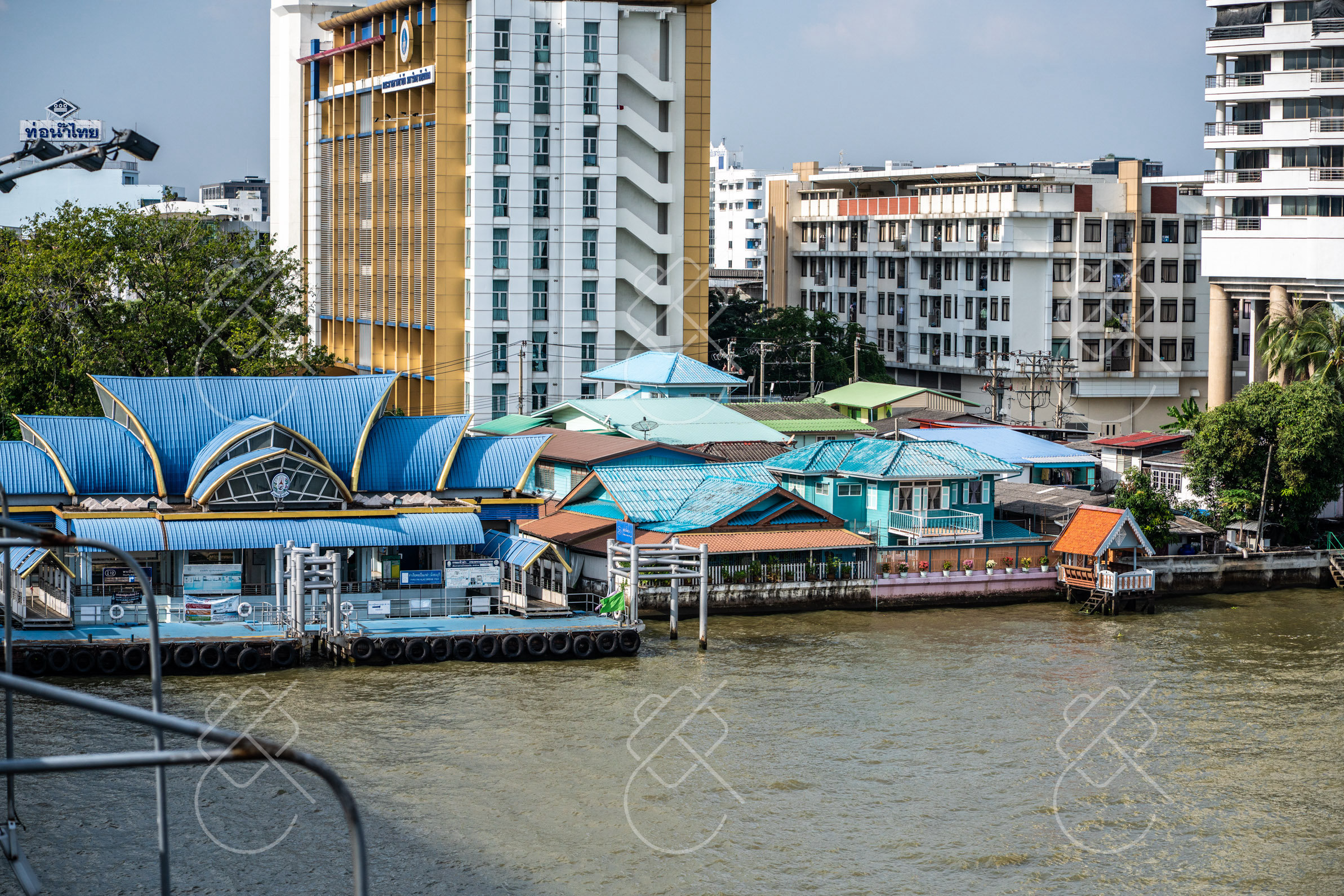
Spend the morning on the water. Chao Phraya Express boats run up and down the river for a flat fare of under 20 baht on the orange-flag line (fares changed several times in 2026), and they skip the road traffic completely. From the piers, longtail boats go into the Thonburi canals (khlong), past stilt houses and temples that predate the skyline behind them. Agree the price and duration before you get in.
Afternoon is for rest; Bangkok is hot by midday even in the cool season. Then go to Chinatown (Yaowarat) as the light goes, when the neon signs come on and the street stalls open. Our guide's picks: roast duck over noodles, tom yum goong, pad thai off a smoking wok and mango sticky rice. Carry small notes; stalls rarely take cards. For more dishes, see what to eat in Thailand.
If day 3 falls on a Saturday or Sunday, go to Chatuchak Weekend Market (about 9:00 to 18:00), thousands of stalls of clothes, crafts, plants and food. Go early before the heat builds; it is next to BTS Mo Chit and MRT Chatuchak Park. On Wednesday and Thursday only the plant section is open.
On a weekday, spend the morning at the Jim Thompson House or another museum, the afternoon in the malls and parks along the Skytrain, and the evening at a rooftop bar or a night market. Either way, keep a gap for anything you missed on day 1.
Getting around: the BTS Skytrain and MRT cover the modern city, the river boats cover the old town, and Grab or Bolt fill the gaps. If you hail a taxi, ask for the meter before you get in. Our Grab vs Bolt guide covers fares and the common scams.
For a 4-day Bangkok itinerary, add Ayutthaya, the Siamese capital until 1767 and a UNESCO World Heritage Site. Trains from Krung Thep Aphiwat Central Terminal take about an hour, and since August 2026 an air-conditioned commuter service has run on the line; check which station your train uses, since some cheaper ordinary trains are reported to leave from the old Hua Lamphong station. Rent a bicycle or hire a tuk-tuk on the island for Wat Mahathat and Wat Chaiwatthanaram.
We stayed three nights in Ayutthaya on our way north. As a day trip from Bangkok it works best with an early train back to the city before dark, or carry on north: our 2-week Thailand itinerary puts Ayutthaya on the same day as the night train to Chiang Mai.
Where to stay: our guide's advice is to base yourself near the river or a Skytrain station. The old town around Rattanakosin puts you within walking distance of the temples on day 1 and close to Chinatown; Sukhumvit trades that for easy BTS access and nightlife. For a 3-day stay focused on sights, the river side saves the most time.
When to go: November to February is cooler and drier; March to May is very hot, and June to October brings the monsoon rains. Songkran in mid-April turns parts of the city into a water fight; see our Songkran guide.
Before you land: file the free Thailand Digital Arrival Card within 3 days before arrival, and check our Thailand tipping guide for the "++" on restaurant bills. For the rest of the country, see our 6-week Thailand route.
Yes for a first visit: one day for the Grand Palace, Wat Pho and Wat Arun, one for the river, canals and Chinatown, and one for Chatuchak or the modern city. Add a fourth day for Ayutthaya.
Three to four days covers the main sights. We spent 10 days over two stays, which is more than most first trips need unless Bangkok is your base for day trips.
It opens at 8:30 and ticket sales stop in mid-afternoon. Foreign visitors pay 500 baht at the counter, and shoulders and knees must be covered.
The full market is open on Saturday and Sunday, about 9:00 to 18:00. Only the plant section opens on Wednesday and Thursday, so plan day 3 around a weekend if you can.
Near the river or a Skytrain station. The old town around Rattanakosin is walkable to the temples and Chinatown; Sukhumvit has easier Skytrain access and more nightlife.
Yes. Trains take about an hour from Krung Thep Aphiwat Central Terminal, and a bicycle or tuk-tuk covers the main temples on the island.
Entry rules change, and they depend on your nationality — always confirm the current requirements on the official government site before you book or apply. Only use official government (.gov) portals; ignore look-alike agency sites.
Search verified local fleets with low security deposits and exact model delivery on Localrent.
Get the best deals on your Thailand stay with Booking.com.