Home
About us
Destinations
Travel Guides
Recipes
Featured
Photos As Art
Abstract Prints
Locations
Travel Gear
Travel Resources
Favorites
Photo Framer
Explore Photos
ContactAlbania spent nearly half a century sealed off from the rest of Europe under one of the continent's most isolated communist regimes, and the layers left behind — Illyrian and Ottoman ruins, Venetian fortifications, a nationwide bunker-building program, and a fast-changing capital — sit closer together here than almost anywhere else in the Balkans. The coast gets the crowds; the interior, from a lakeside fortress city in the north to a stone village shut in by the Accursed Mountains, still moves at its own pace. Distances are short enough to link a capital, a lake, an old bazaar town, and a mountain valley within a single trip.
Published July 4, 2026
Tap any photo to open it full-screen and order a print.
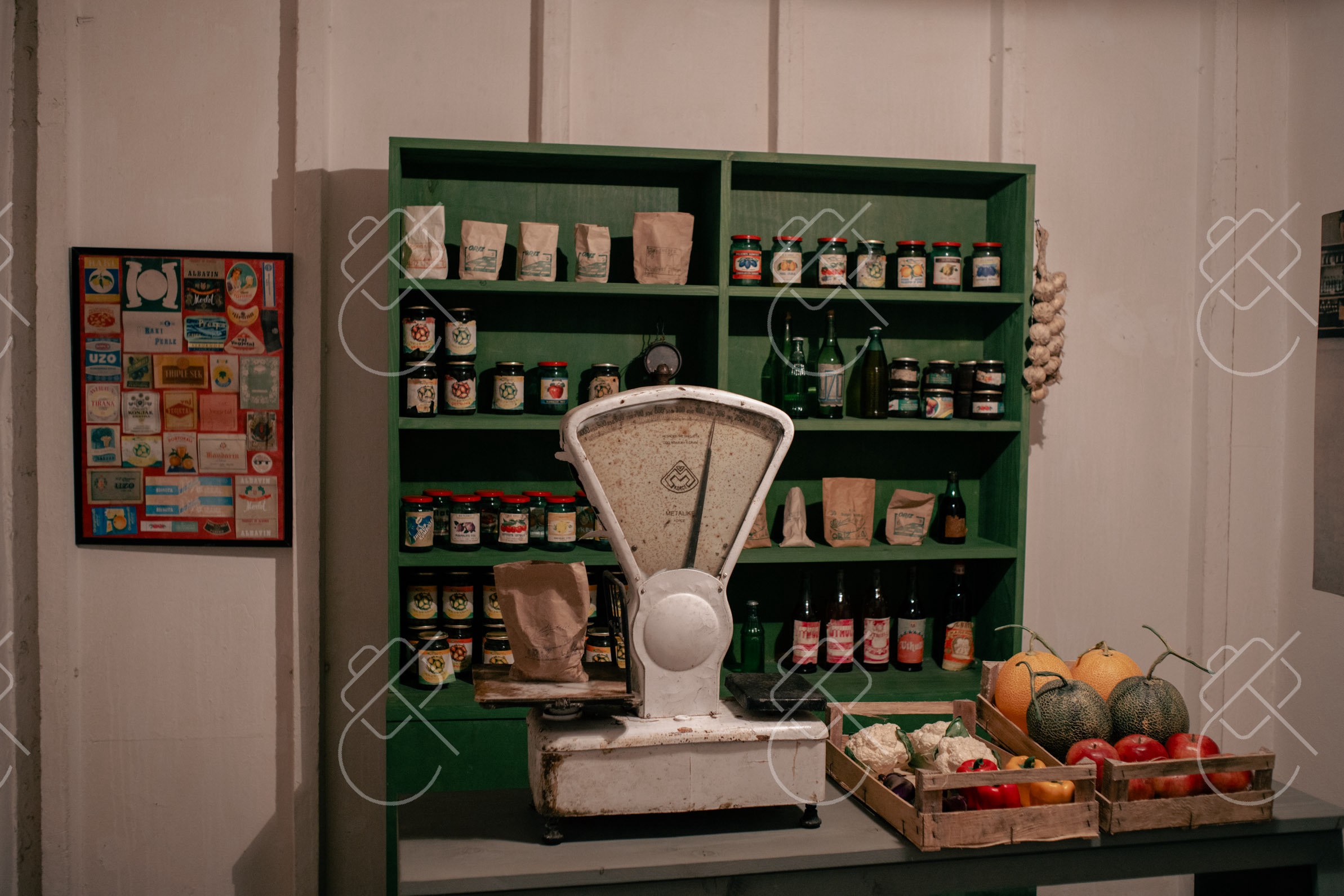
Albania's capital pairs pastel-painted apartment blocks and a redesigned central square with a run of Cold War-era sites — two converted bunkers, a repurposed dictator's monument, and a mosaic-covered cathedral — that trace the country's abrupt turn from isolation to the present day.
Skanderbeg Square anchors the center, a roughly 40,000-square-meter plaza redone in a 2014-2017 pedestrianization project that went on to win the 2018 European Prize for Urban Public Space. An 11-meter bronze statue of the 15th-century national hero Skanderbeg, unveiled in January 1968 by sculptor Odhise Paskali, faces the National History Museum, whose facade carries a 565-square-meter socialist-realist mosaic titled "Albanians." A short walk away, the Resurrection Cathedral — opened in 2012 and given its full consecration in June 2014, its dome rising 32.2 meters — holds 586 square meters of mosaic across its interior, making it the largest Orthodox church in the Balkans.
The more unsettling layer is underground. Bunk'Art 1, roughly 5 kilometers outside the center near the base of the Dajti cable car, was built between 1972 and 1978 as a five-level, 100-plus-room bomb shelter for dictator Enver Hoxha and the top party leadership, accessed through a tunnel bored straight into the hillside; it opened permanently as a museum in April 2016. Bunk'Art 2, a smaller bunker finished in 1986 beneath the former Ministry of Interior in the city center, has 2.5-meter-thick concrete walls and opened to the public in November 2016. Both sit inside a nationwide fortification program that ran from 1967 into 1986 after Hoxha broke first with the Soviet Union and then with China — estimates for the total number of bunkers built country-wide range from around 173,000 documented in released government records to a widely repeated but unverified 750,000. For a clearer-headed view over all of it, the Dajti Ekspres cable car climbs from the city's edge to 1,613 meters on Mount Dajti in about 15 minutes.
April-May or September-October, when temperatures sit in the mild teens to low 20s Celsius; summer regularly passes 30°C and winter turns grey and rainy rather than snowy at this elevation.
The Blloku district, the former Communist-era elite quarter, now the city's densest concentration of cafes and nightlife within walking distance of Skanderbeg Square.
Byrek (a flaky savory pie of spinach, gjizë cheese, or wild greens) from a neighborhood bakery, tavë kosi (baked lamb and yogurt) for a sit-down meal, and a shot of raki — grape, plum, or mulberry brandy — to close it out.
Bunk'Art 1 and 2 are unrelated sites roughly 5 kilometers apart, each worth an hour or more — pick one if you only have half a day rather than rushing both.
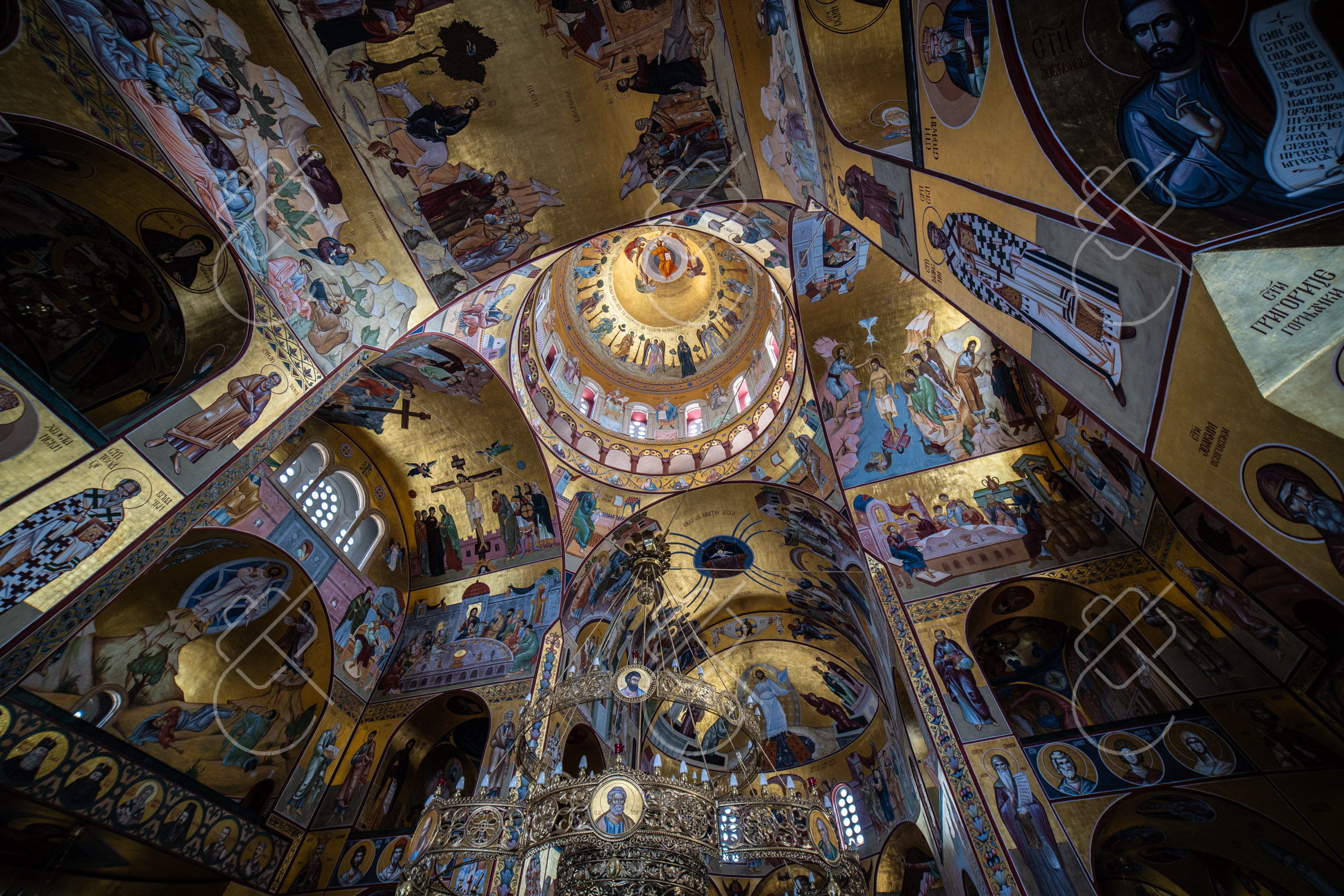
Albania's fourth-largest city sits at the confluence of three rivers below Rozafa Castle, on the edge of the Balkans' largest lake and the usual gateway north into the Albanian Alps.
Rozafa Castle stands on a rock spur 130 meters above the meeting point of the Buna, Drin, and Kiri rivers, its lowest walls unmortared Illyrian stonework from the 4th-3rd century BCE under the Labeatae tribe and King Gentius. Most of what's visible today is Venetian work from the 14th century onward, layered over after a 1478-79 Ottoman siege; a 13th-century church inside the walls was later converted into the Fatih Sultan Mehmet Mosque, in 1685. The castle takes its name from a local legend, first written down around 1505: three brothers building the fortress find their walls collapsing every night, until an old man tells them the wall will hold only if a wife is entombed alive within it. The youngest brother's wife, Rozafa, is walled in without warning, asking only that gaps be left for her eye, hand, foot, and breast so she can still see her home, wave to her family, and nurse her infant son — a seep of mineral water inside the castle walls is still pointed to as her milk.
Below the castle, Lake Shkoder spreads out toward Montenegro, fluctuating seasonally between roughly 370 and 530 square kilometers and split about two-thirds Montenegrin, one-third Albanian — the largest lake in the Balkans. Shkoder itself traces its founding to the same Illyrian Skodra, with evidence of habitation stretching back to the Early Bronze Age; today's city of roughly 62,000 sits low and flat at just 13 meters elevation, a jumping-off point rather than a destination to linger in for most visitors heading north toward Theth and the mountains.
May-June or September, with warm days between roughly 19-31°C and less rain than the wetter autumn months (November averages the most rainfall of the year here).
Shkoder's town center, within easy reach of the castle approach road and the bus connections north toward Theth.
Tavë krapi — carp from Lake Shkodra, marinated with onion, garlic, and tomato and baked in a clay tavë dish.
Climb up to Rozafa Castle in the early morning — there's little shade on the approach, and the light over the lake and the three rivers is best before the midday heat sets in.
The youngest brother's wife, Rozafa, is walled in without warning, asking only that gaps be left for her eye, hand, foot, and breast so she can still see her home, wave to her family, and nurse her infant son.
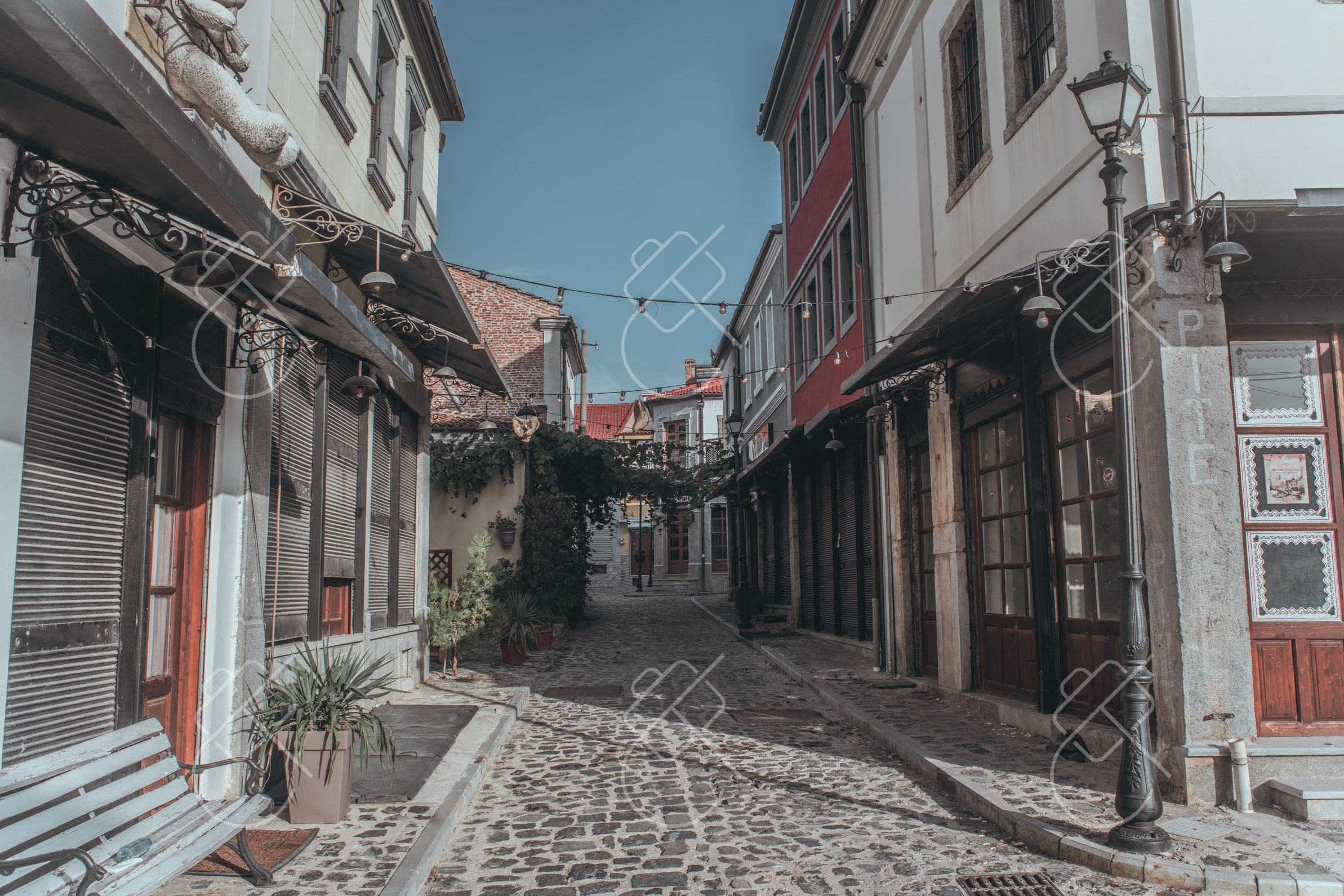
A highland city near the Greek border that holds an outsized place in Albanian history — an Ottoman-era bazaar, the country's first Albanian-language school, and its oldest brewery all trace back here.
The Old Bazaar, Pazari i Vjetër, dates to the Ottoman era and once held as many as a thousand shops — roughly three times its current footprint — after Greek and Aromanian merchants fled here when Ali Pasha of Tepelena's forces ravaged the nearby trading town of Voskopojë in 1788. A major fire forced a rebuild in 1879, and 138 of its buildings are now registered as first-category cultural monuments, the subject of a restoration effort announced in 2015. A short walk away, the Mësonjëtorja — the first school to teach in the Albanian language — opened on March 7, 1887, in a building donated by Diamant Terpo, using textbooks written by Naim and Sami Frashëri and funding from an Albanian society based in Bucharest. It taught around 200 students before an order from Sultan Abdul Hamid II closed it in 1902; March 7 is now Teachers' Day across Albania, Kosovo, and North Macedonia.
Korce is also home to Birra Korça, Albania's oldest brewery, founded in 1928 by an Italian and an Albanian investor with an initial capacity of about 20,000 hectoliters a year — nationalized in 1946, privatized in 1994, and expanded since into one of the country's largest breweries by volume. The city's own Cathedral of the Resurrection of Christ, its foundation laid in 1994 by Archbishop Anastasios after the original was demolished under communist rule, carries a painted pink-and-blue exterior and a carved wooden iconostasis inside. At roughly 850 meters elevation, Korce runs noticeably cooler than coastal Albania — cold, snowy winters and warm, dry summers rather than a Mediterranean pattern.
May through September, before the elevation brings on Korce's cold winters — summer evenings stay noticeably cooler here than on the coast even at the same time of year.
Near the Old Bazaar, walkable to both the Mësonjëtorja and the cathedral.
Kernacka — small grilled sausages of minced meat, onion, garlic, and breadcrumbs, a Korce specialty distinct from qofte found elsewhere in Albania.
Walk the Old Bazaar in late afternoon, when the stalls are busiest and the light angles low down the narrow lanes between the 19th-century facades.
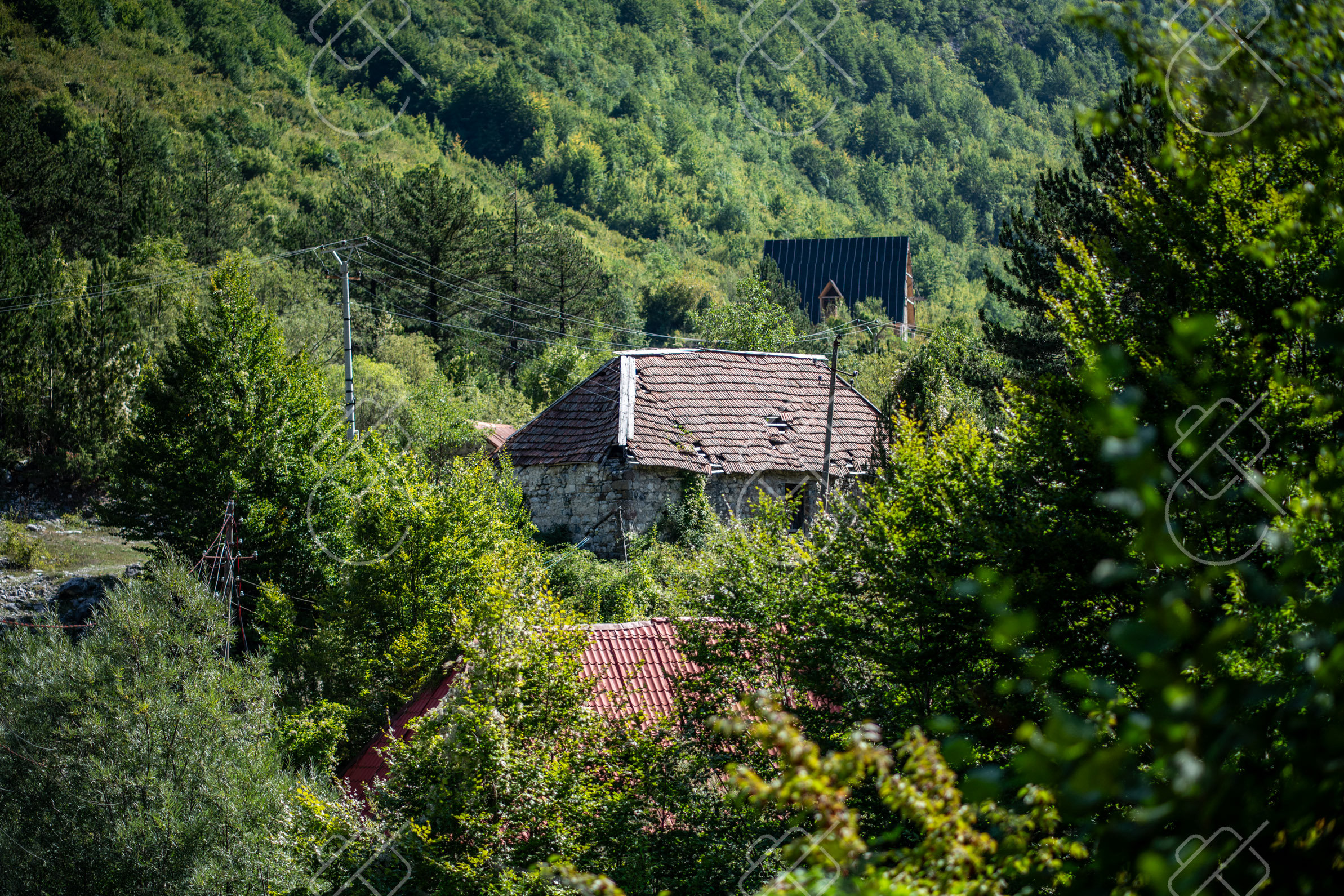
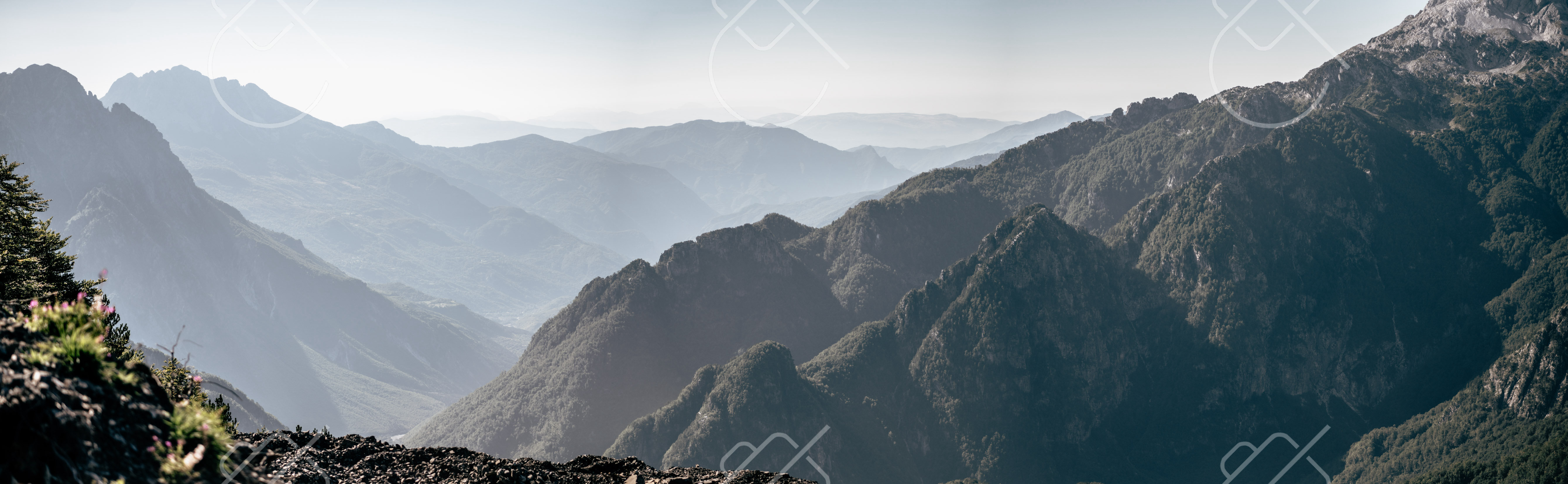
A stone village shut inside the Bjeshkët e Nemuna — the Accursed Mountains — reachable only a few months a year and built around a defensive tower once used to shelter men caught in blood feuds.
Theth's stone houses and outbuildings sit in a valley that only became easily reachable by road in the last couple of decades; through winter and much of spring the pass in is typically closed by snow, and the reliable hiking season runs roughly June through September. The Kulla e Ngujimit, or Lock-In Tower, is the village's most distinctive building — a stone tower built around 1880 where men under a blood-feud sentence, gjakmarrja, would confine themselves for their own safety under the Kanun of Lekë Dukagjini, Albania's traditional customary law. The tower's three floors were reached by a ladder pulled up after the occupant entered, with food lowered down by rope from outside.
Grunas Waterfall, a 25-to-30-meter drop reached by a walk of roughly half an hour to an hour from the village, is the easiest natural landmark to reach on foot. Further out, the Blue Eye of Kaprre — a spring-fed pool around 100 square meters across and 4-5 meters deep, cold even in summer — takes a six-to-seven-hour round trip from Theth itself, or 30-50 minutes from the nearer village of Nderlysaj. Since 2022, Theth's own national park, first protected in 1966, has been folded into the larger Alps of Albania National Park, and the village now marks one end of the well-known trek over the roughly 1,800-meter Valbona Pass to the Valbona valley — about 16-18 kilometers and 6-8 hours of walking, one of the most-hiked routes in the Balkans.
June through September — the mountain road in is typically closed by snow from mid-November into spring, and most guesthouses only operate through the warmer months.
One of the village's family-run stone bujtina guesthouses, most offering half-board meals.
Home-cooked bujtina meals — fresh sheep's cheese, byrek, and preserved vegetables served family-style at the village's stone guesthouses.
Start the Valbona Pass hike as early as possible and carry cash — the village's stone guesthouses (bujtina) generally don't take cards, and there are no ATMs this far into the mountains.
The tower's three floors were reached by a ladder pulled up after the occupant entered, with food lowered down by rope from outside.
Explore regional routes with verified local fleets, zero hidden charges, and transparent insurance on Localrent.
Compare Albania hotels and get the best deals on Booking.com.
We had World Nomads as our travel insurance, covering us for the entire Albania leg of the trip — one less thing to worry about.
Transit cards, local customs, visa rules, and practical travel guides for this region.
See every destination from the 526-day journey:
Browse all destinationsCurious about the gear behind these photos? See the gear list.