Home
About us
Destinations
Travel Guides
Recipes
Featured
Photos As Art
Abstract Prints
Locations
Travel Gear
Travel Resources
Favorites
Photo Framer
Explore Photos
Contact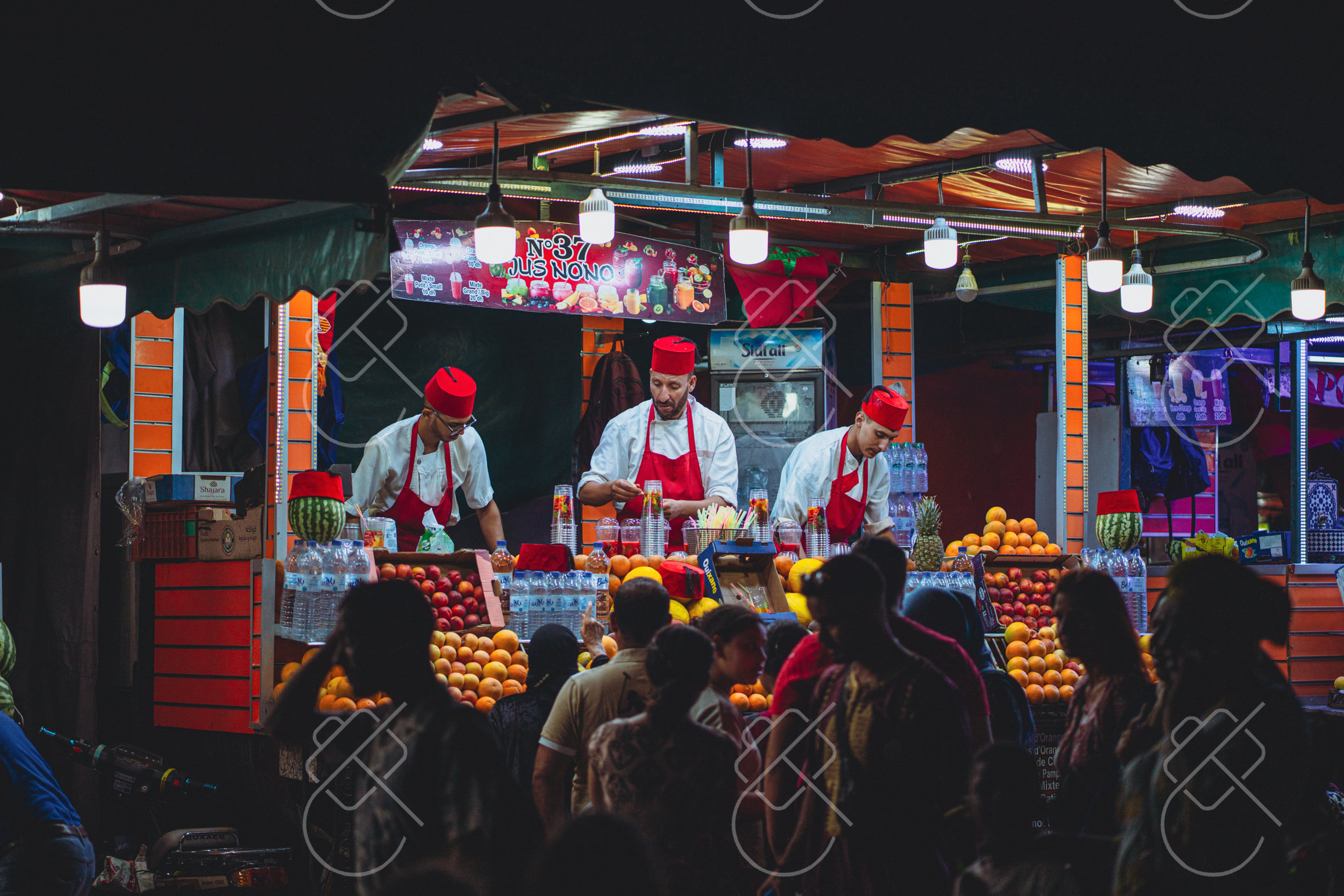 Safety & Practicalities
Yes, Morocco is generally safe for tourists. The US State Department rates it Level 2, "Exercise increased caution", citing the risk of terrorism, and violent crime against visitors is uncommon. What you are far more likely to meet in Marrakech is petty theft, persistent touts and a handful of well-worn scams around Jemaa el-Fna and the souks. Here is what the official advisories say, how the common scams work, and the emergency numbers to save.
Published September 12, 2026
As of September 2026 the US State Department keeps Morocco at Level 2: Exercise increased caution, with terrorism as the stated risk. The UK Foreign Office similarly warns that attacks could target transport hubs, tourist sites and crowded places, and advises staying alert and following local authorities.
Both the UK and Canada advise against travel to parts of Western Sahara, far south of the usual tourist route. Marrakech, Fes, Chefchaouen, the coast and the standard Sahara desert trips are outside those zones. Read the current advisory for your own country before you go, because levels and wording change.
"The road is closed" and fake guides. A young man tells you the way to the Bahia Palace or the tanneries is closed today, or that there is a one-day Berber market, and offers to show you another route. It ends at a relative's shop or with a demand for a guiding fee. The road is almost never closed: say "La, shukran" (no, thank you) and keep walking. The UK Foreign Office notes that official medina guides carry a badge; book one through your riad or a licensed agency if you want a guide.
Unasked-for directions. Someone walks you to your riad or a sight, then asks for money. Download offline maps before you go, and if you are lost, ask in a shop or café rather than accepting help from whoever approaches you.
Henna, monkeys and snake charmers in Jemaa el-Fna. Henna artists may start drawing on your hand before a price is agreed, and handlers may put a monkey or snake on you for a photo, then demand payment. Keep your hands to yourself, agree any price before the photo or design, and expect to pay something if you photograph performers.
Our souk haggling and scams guide covers shopping hustles, fair prices and how to negotiate in detail.
The UK Foreign Office says pickpocketing and bag-snatching are common in tourist areas, especially medinas and beaches, including thefts from passing motorbikes. Carry a cross-body bag on the side away from the traffic, keep phones out of back pockets and don't carry more cash than you need for the day.
Card fraud and goods swapped for cheaper versions after purchase are also reported. Watch your card at the terminal, and check what goes into the bag before you leave a shop.
Jemaa el-Fna and the main souk streets stay busy late into the evening. The quiet back lanes of the medina are a different matter after dark: the UK Foreign Office advises avoiding quiet areas at night. Know your route back to the riad, or ask the riad to send someone to meet you at a landmark.
Women, especially traveling alone, may get unwanted attention, usually comments and persistence rather than danger. The UK advice suggests loose clothing that covers the arms, legs and chest. Walking with purpose, not engaging with persistent men and using riad-arranged guides or drivers all reduce the hassle. Mosque dress rules are stricter; see our mosque dress code guide.
Same-sex relations are illegal in Morocco, and the UK advises that public displays of affection can lead to prosecution.
Use petit taxis (small taxis) inside Marrakech, and either ask for the meter ("le compteur") or agree the fare before you get in. Your riad can tell you what a normal fare from the airport or across town should be.
If you are heading into the High Atlas, the September 2023 earthquake struck villages south of Marrakech hard, and rebuilding has continued since. The UK Foreign Office advises hiring a professional guide for Atlas treks, and notes that mountain roads are especially hazardous in bad weather and at night.
Save these before you go: police 19, ambulance and fire 15, and Gendarmerie Royale 177 (the gendarmerie covers rural areas and highways). The UK Foreign Office lists 190 for police and 150 for ambulance and fire, which reach the same services, so try the longer number if the short one does not connect from your phone. Marrakech also has a tourist police presence around Jemaa el-Fna.
Register with your embassy if your country offers it, and keep a copy of your passport separate from the original. For the rest of your planning, see our Marrakech and the Sahara guide and how much to leave in our Morocco tipping guide.
Generally, yes. As of September 2026 the US State Department rates Morocco Level 2, "Exercise increased caution," citing terrorism. Petty theft and scams are the more common problems for visitors.
Jemaa el-Fna and the main souk streets stay busy into the evening, but the UK Foreign Office advises avoiding quiet areas after dark, so know your route back or have your riad meet you.
The fake guide who says a road is closed or that there is a one-day market, then leads you to a shop or demands a fee. Decline and keep walking.
Many women travel Morocco alone, but unwanted attention is common. UK advice suggests loose clothing covering the arms, legs and chest, and riad-arranged guides or drivers reduce hassle.
Police 19, ambulance and fire 15, and the Gendarmerie Royale 177. The UK Foreign Office also lists 190 for police and 150 for ambulance and fire.
Entry rules change, and they depend on your nationality — always confirm the current requirements on the official government site before you book or apply. Only use official government (.gov) portals; ignore look-alike agency sites.
Best deals on Marrakech hotels this week — check Booking.com.