Home
About us
Destinations
Travel Guides
Recipes
Featured
Photos As Art
Abstract Prints
Locations
Travel Gear
Travel Resources
Favorites
Photo Framer
Explore Photos
Contact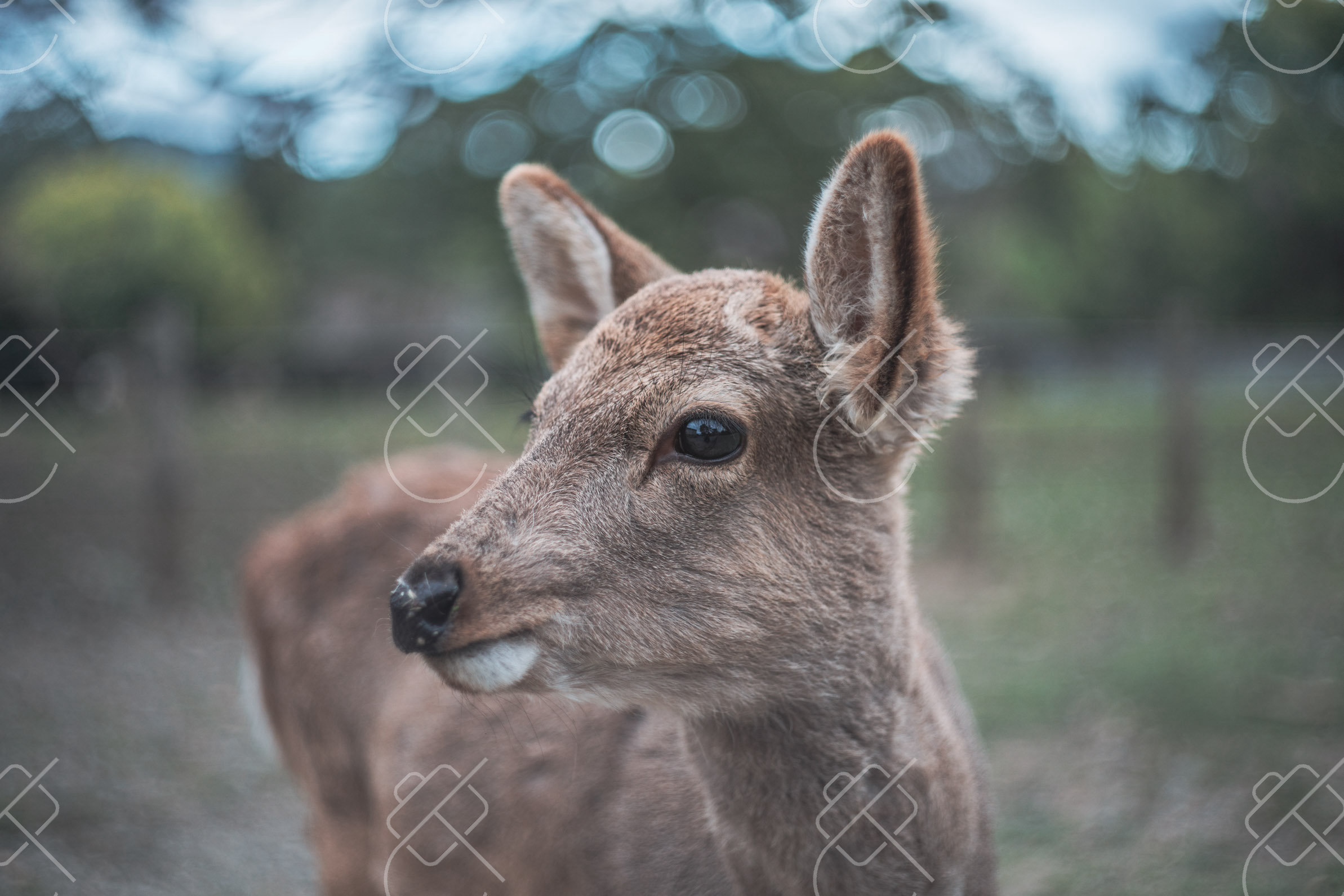 Culture & etiquette
Just 45 minutes by train from Kyoto and Osaka lies Nara Park (Nara Koen), home to over 1,200 free-roaming wild sika deer (shika). Considered sacred messengers of the Shinto gods from Kasuga Grand Shrine, these gentle animals have roamed the ancient capital for over a millennium. They have famously learned to bow their heads to polite tourists in exchange for deer crackers—though without proper technique, an encounter can quickly turn chaotic.
Published October 2, 2026
Do not feed the deer human snacks, bread, chips, or fruit. Their digestive systems cannot process processed flour or sugar, and plastic packaging poses fatal choking hazards.
Purchase official Shika Senbei (鹿せんべい) from the small wooden vendor kiosks scattered throughout the park. A bundle costs a fixed 200 JPY (cash only) and is made from 100% natural wheat flour and rice bran. The paper ribbon wrapping the crackers is edible and printed using soy-based vegetable ink.
To interact respectfully with a deer:
1. Stand facing a calm adult deer while holding a cracker at chest level.
2. Bow your head and torso forward at a 45-degree angle. The deer will look at you, pause, and bob its head in a reciprocal bow.
3. Reward the deer immediately by holding out the cracker flat on your open palm so it can take it gently with its lips.
If you tease the deer or repeatedly pull the cracker away to snap a photo after it bows, it will become frustrated, headbutt you, or gently bite your clothing.
Once you run out of crackers, persistent deer may follow you, nudge your pockets, or nibble at park maps and tote bags.
Raise both of your open hands high in the air with palms facing out toward the deer and shake them lightly while saying "Nai, nai" (None left). The deer recognize this universal body language instantly and will turn around to seek out other visitors.
While accustomed to humans, Nara's deer remain wild animals. Warning signs posted across the park remind visitors that deer can bite, kick, butt, and knock down careless tourists. Keep a close watch on small children.
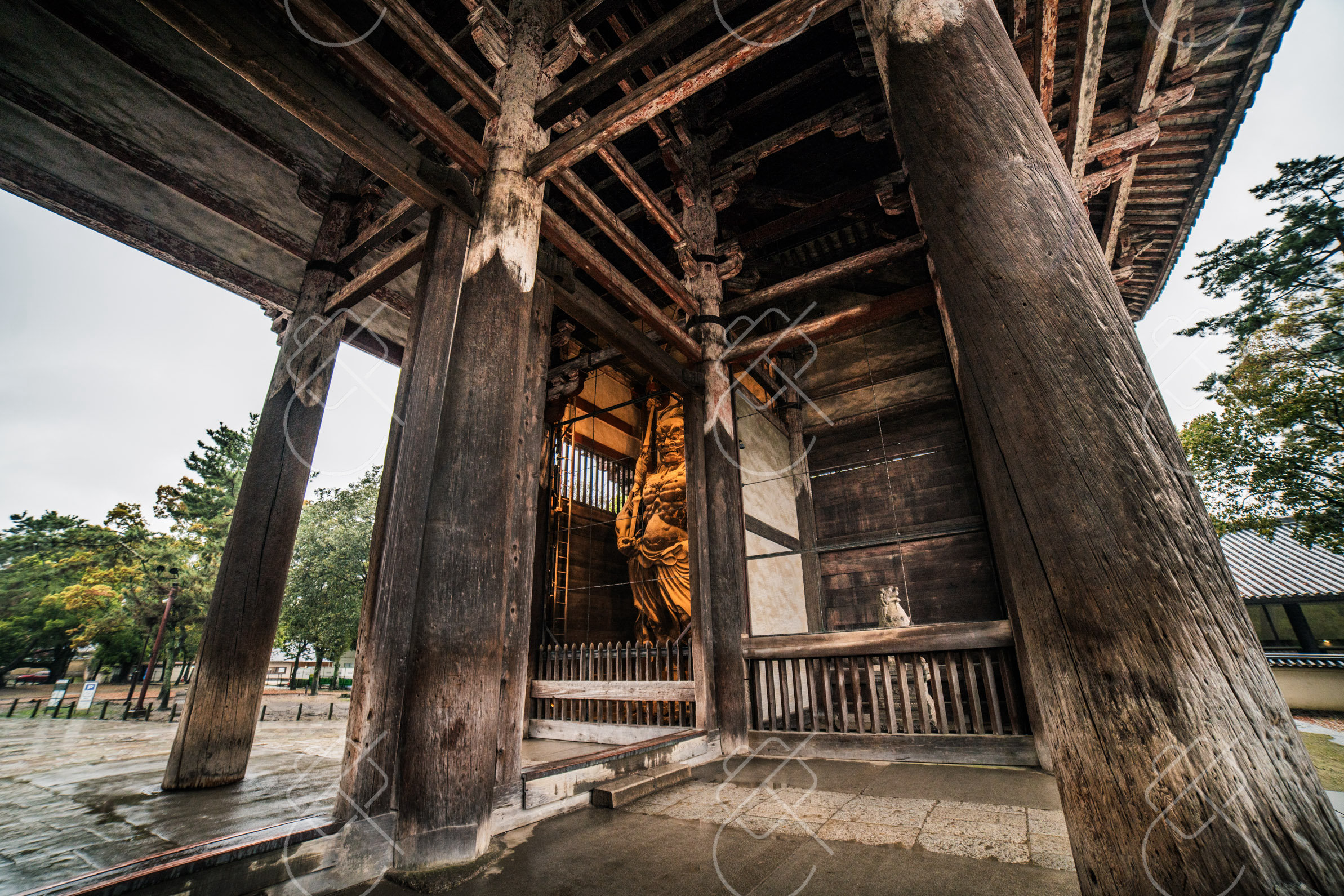
Deer near the entrance gates of Todai-ji Temple (home of the Great Bronze Buddha, Daibutsu) encounter thousands of tourists daily and can be pushy. If you want a serene, peaceful interaction with calmer deer, walk further into the forest grounds toward Kasuga Taisha Shrine or Mount Wakakusa. Check our Japan Temple & Shrine Dress Code Guide for proper temple manners.
Every autumn (October), the deer preservation foundation performs a traditional ceremonial antler-cutting ritual (Shika-no-Tsunokiri) to remove sharp antlers from aggressive male stags for public safety.
A visit to Nara takes between 4 and 6 hours. Direct express trains on the Kintetsu Line run from Kyoto Station (35 mins) and Osaka-Namba Station (38 mins) to Kintetsu-Nara Station.
Yes, calm deer will gladly let you stroke their neck or back while feeding them, but avoid touching their ears, tails, or hind legs as they may kick defensively.
Yes, Nara Park is a public municipal park open 24 hours with free admission. Individual temples like Todai-ji and Kasuga Taisha require separate modest entrance tickets (typically 600 JPY).
Get the best deals on your Japan stay with Booking.com.