
Home
About us
Destinations
Travel Guides
Recipes
Featured
Photos As Art
Abstract Prints
Locations
Travel Gear
Travel Resources
Favorites
Photo Framer
Explore Photos
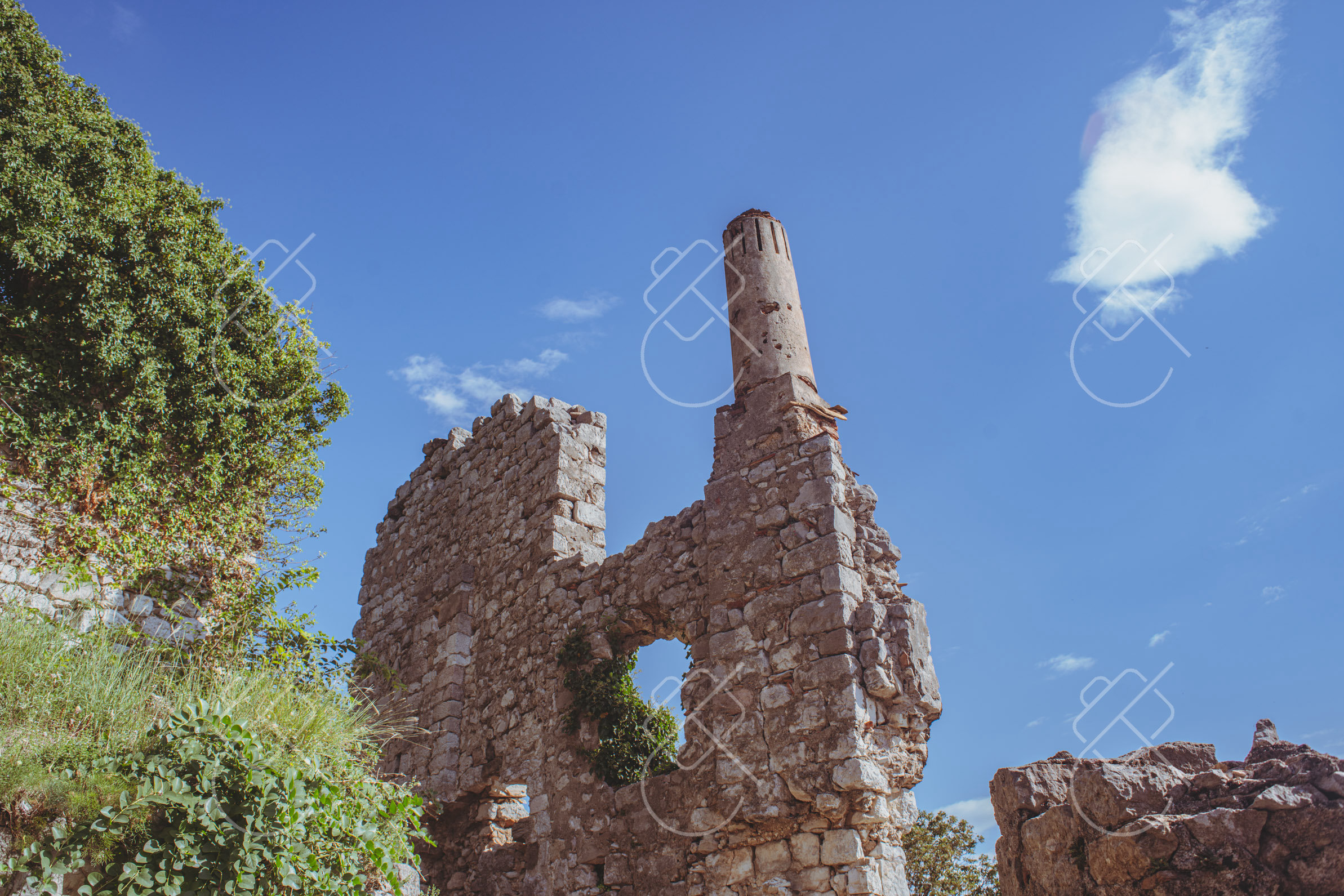
ContactAbove the modern port town of Bar, a maze of roofless stone ruins climbs a hillside behind intact fortress walls — Stari Bar, inhabited for over a thousand years until an 1878 siege ended it in a single afternoon. Ivy has swallowed most of what the bombardment left standing, but a 14th-century church tower, an Ottoman clock tower, and a Venetian-era aqueduct still rise above the rubble. Below, the town that replaced it looks out at one of Europe's oldest living olive trees.
Published August 8, 2026
Tap any photo to open it full-screen and order a print.
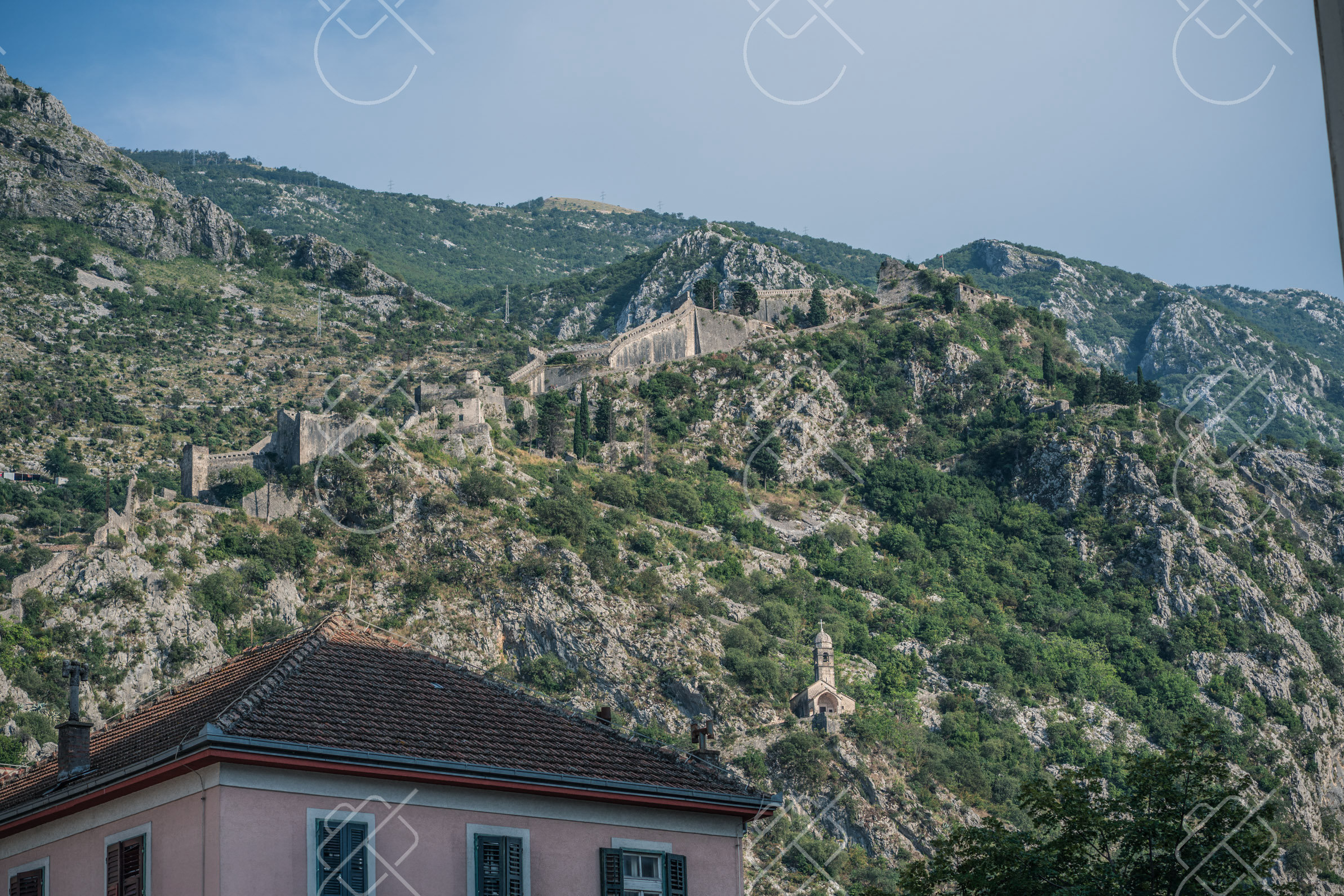
Stari Bar is a ruined hilltop fortress town above the modern coastal city of Bar — over a thousand years of Byzantine, Serbian, Venetian, and Ottoman rule ended in a single 1878 bombardment, leaving a roofless maze of stone walls, towers, and a still-standing 18th-century clock tower.
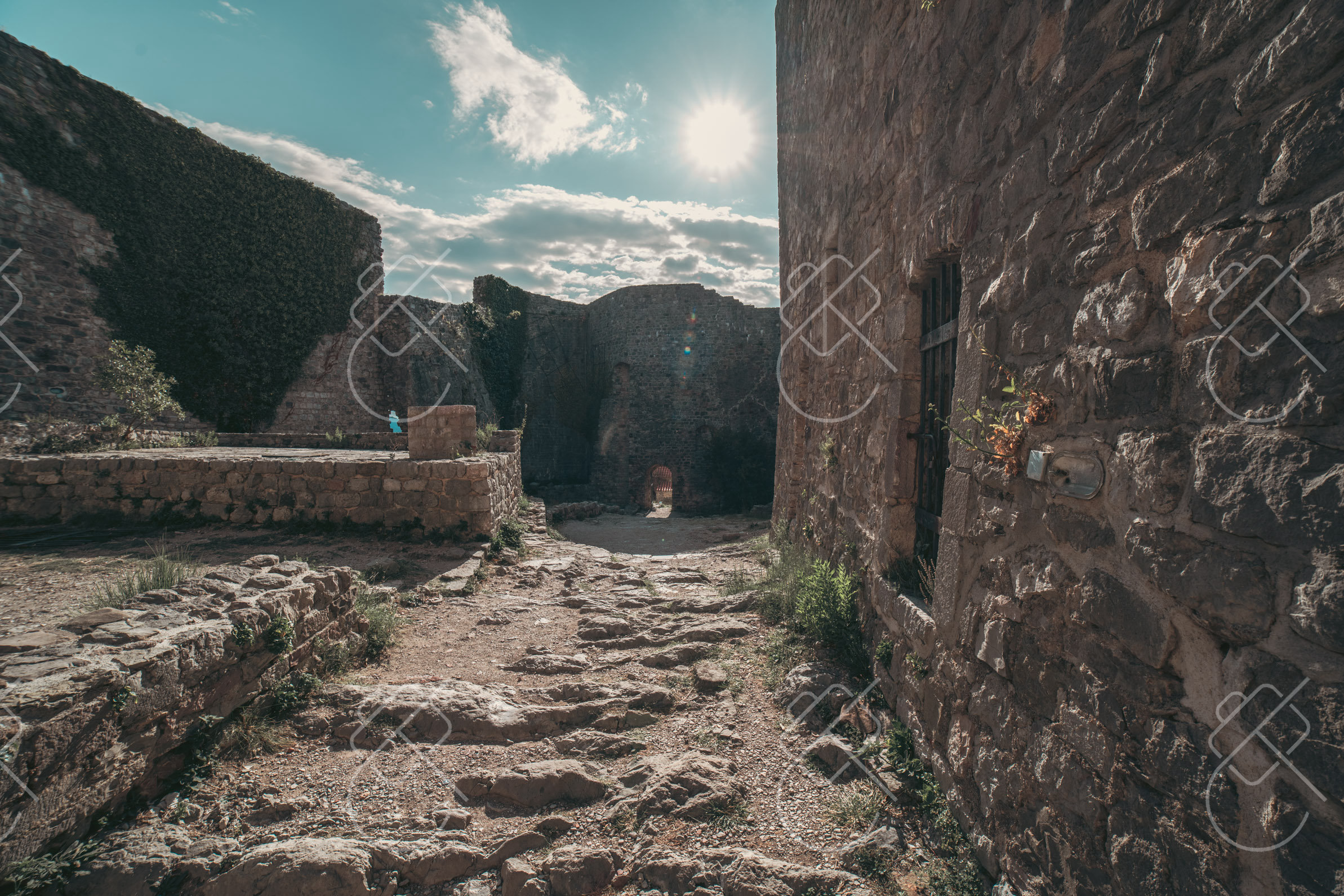
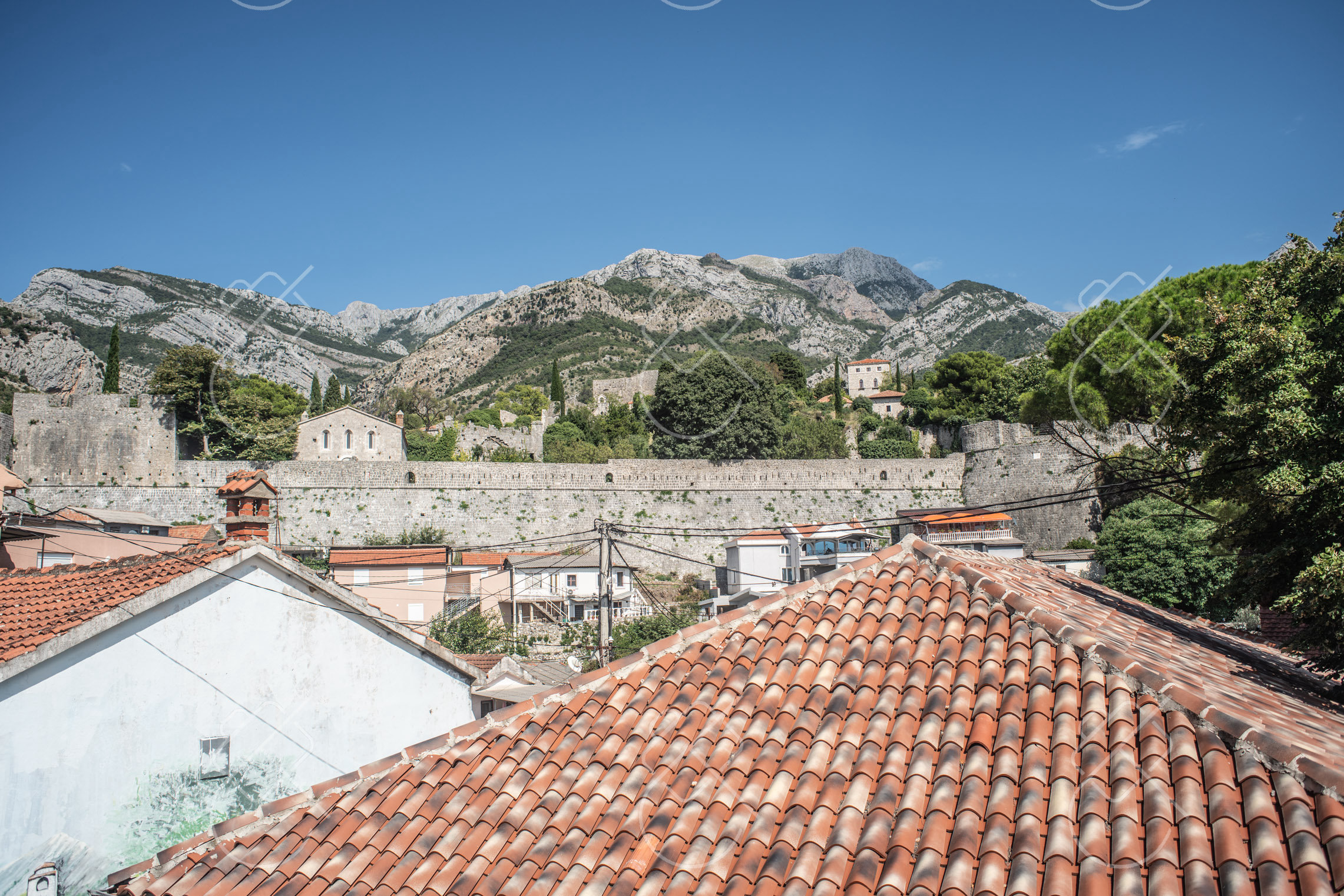
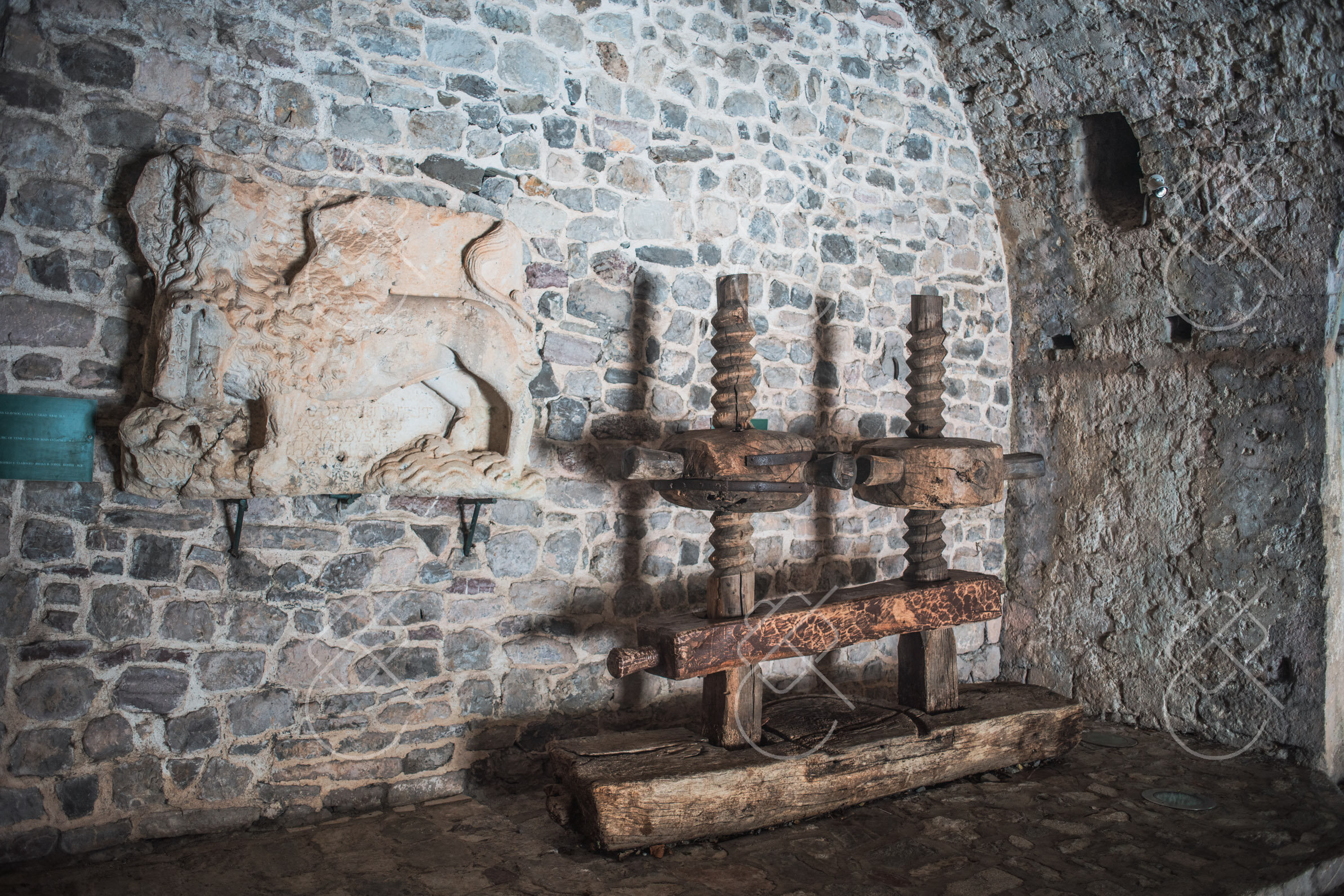
Stari Bar was built up over more than a millennium, passing between Byzantine, Serbian, Venetian, and Ottoman control and growing at its peak into a dense town of roughly 240 buildings — houses, churches, mosques, bathhouses, and shops packed inside a fortified perimeter on the hillside. Enter through the 14th-to-16th-century Main Gate or the older 10th-to-11th-century southern gate, and the ruins spread out in every direction: stone lanes buried under ivy, doorless houses with trees growing through the floor, and the 14th-century St. Catherine's Church tucked into a tower above one of the lower gates. A small museum near the entrance, housed in a 17th-century Ottoman customs building, holds an old olive press and other salvaged fragments of daily life from the town's last centuries.
The Bar Aqueduct's stone arches crossing the ravine below the fortress walls
The town's end came fast: during the 1878 Montenegrin-Ottoman war, Montenegrin forces besieged and bombarded Stari Bar, and the destruction was severe enough that survivors abandoned the hilltop for good and resettled on the coast below, founding the modern city of Bar. The Sahat-Kula clock tower, built in 1752 beside the southern gate, is one of the few structures that still stands to its original height, and it's the best vantage point to trace the outline of streets that no longer have buildings on them. A 17th-century aqueduct, rebuilt after the 1979 earthquake, still arcs across a ravine on the walk up. Just outside town at Mirovica, the Stara Maslina olive tree — reliably estimated at over 2,000 years old and under state protection since 1957 — has been producing olives since before the fortress above it existed.
Early morning, before the sun is directly overhead — the ruins have almost no shade, and the stone lanes hold heat fast through a Montenegrin summer afternoon.
Base yourself in modern Bar's harbor area, a short drive or a steep uphill walk from the Stari Bar entrance.
Head back down to modern Bar for grilled fish or Njeguški pršut with local olives — Stari Bar itself has no restaurants, just the ruins.
Bring water and wear closed shoes — the stone paths are uneven and there's nowhere to buy anything once you're inside the walls.
Get the best deals on Bar hotels on Expedia before prices climb.
Transit cards, local customs, visa rules, and practical travel guides for this region.
See every destination from the 526-day journey:
Browse all destinationsCurious about the gear behind these photos? See the gear list.