
Home
About us
Destinations
Travel Guides
Recipes
Featured
Photos As Art
Abstract Prints
Locations
Travel Gear
Travel Resources
Favorites
Photo Framer
Explore Photos
ContactOsijek is the capital of Slavonia, Croatia's flat eastern breadbasket region, built where the Drava River curls before it meets the Danube. Its old town isn't a medieval tangle of lanes but a planned Habsburg garrison — a star-shaped fortress laid out in strict Baroque order after the Ottomans were pushed out. Walk its bastion walls, then cross into the newer city for a red-brick cathedral that locals call "little Cologne."
Published August 6, 2026
Tap any photo to open it full-screen and order a print.
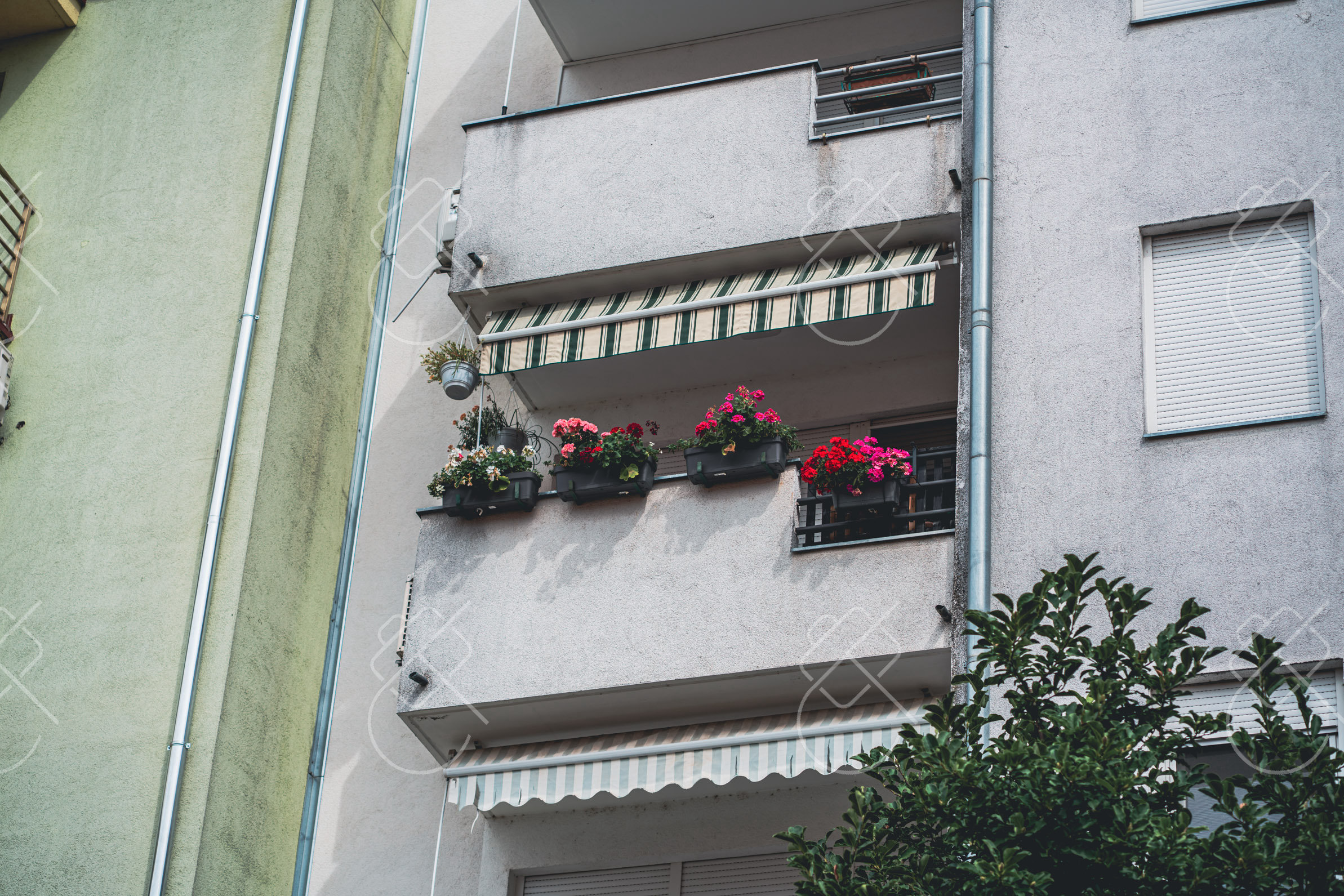
Osijek is Slavonia's capital on the Drava River, its old town a Habsburg star-fortress of Baroque barracks and churches rather than a medieval maze.
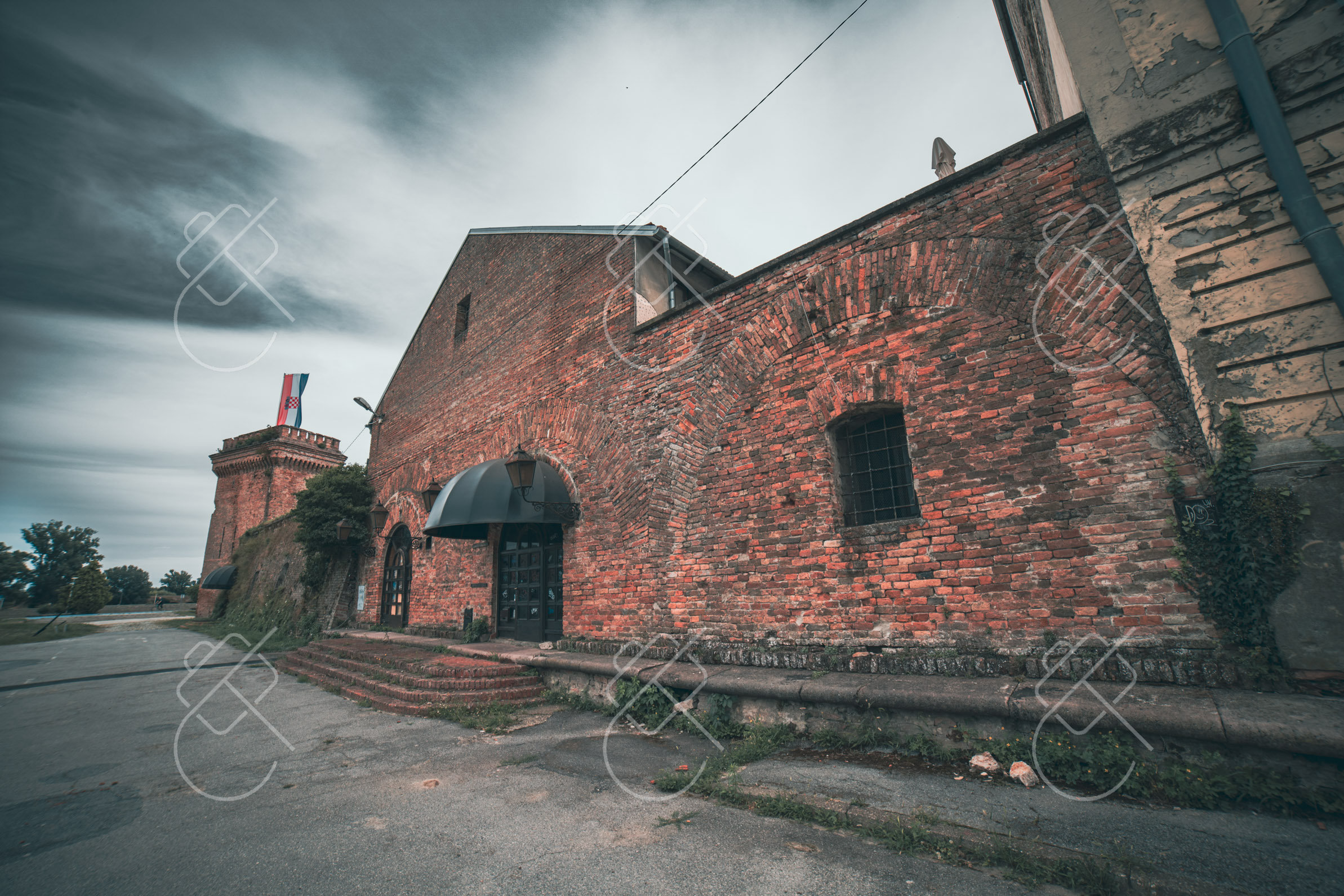
Osijek is the largest city in Slavonia, Croatia's flat eastern breadbasket region, built where the Drava River bends before it meets the Danube. At its center sits Tvrđa, a star-shaped fortress the Habsburgs built starting in 1712, after finally pushing the Ottomans out, laid out on a strict Baroque grid of yellow and ochre barracks, churches, and administrative buildings that now house a university, cafes, and some of the city's best bars. The fortress walls themselves — still largely intact, with bastions you can walk the perimeter of — used to enclose the entire town; today Tvrđa's cobblestone streets and Holy Trinity Square feel closer to a small Austrian garrison town than anywhere else in Croatia. Church of St. Michael the Archangel, a yellow-and-white Jesuit church finished in 1748 with twin onion-dome towers, anchors the square and is the most photographed building in the old town.
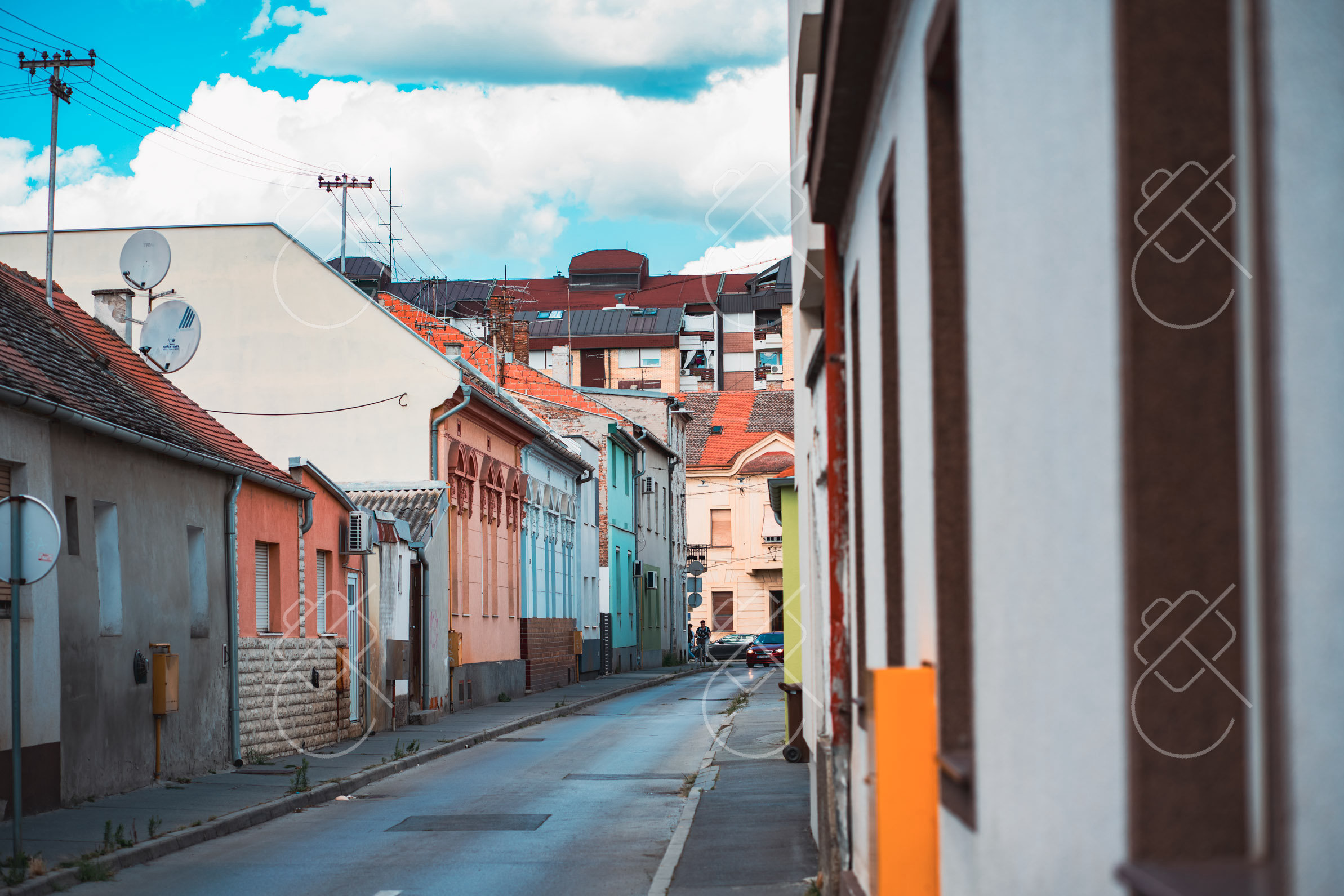
Colorful row houses along a quiet Osijek street
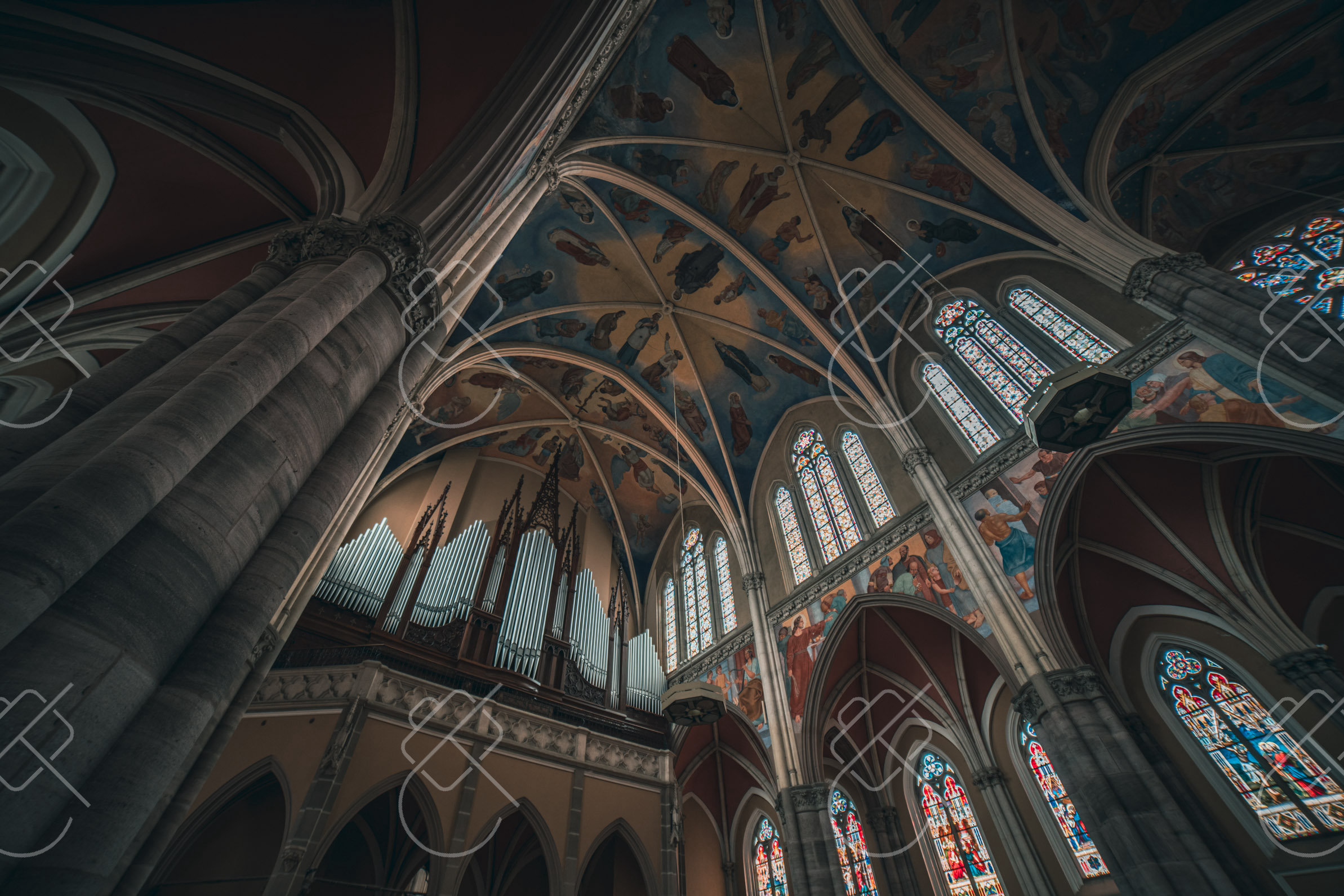
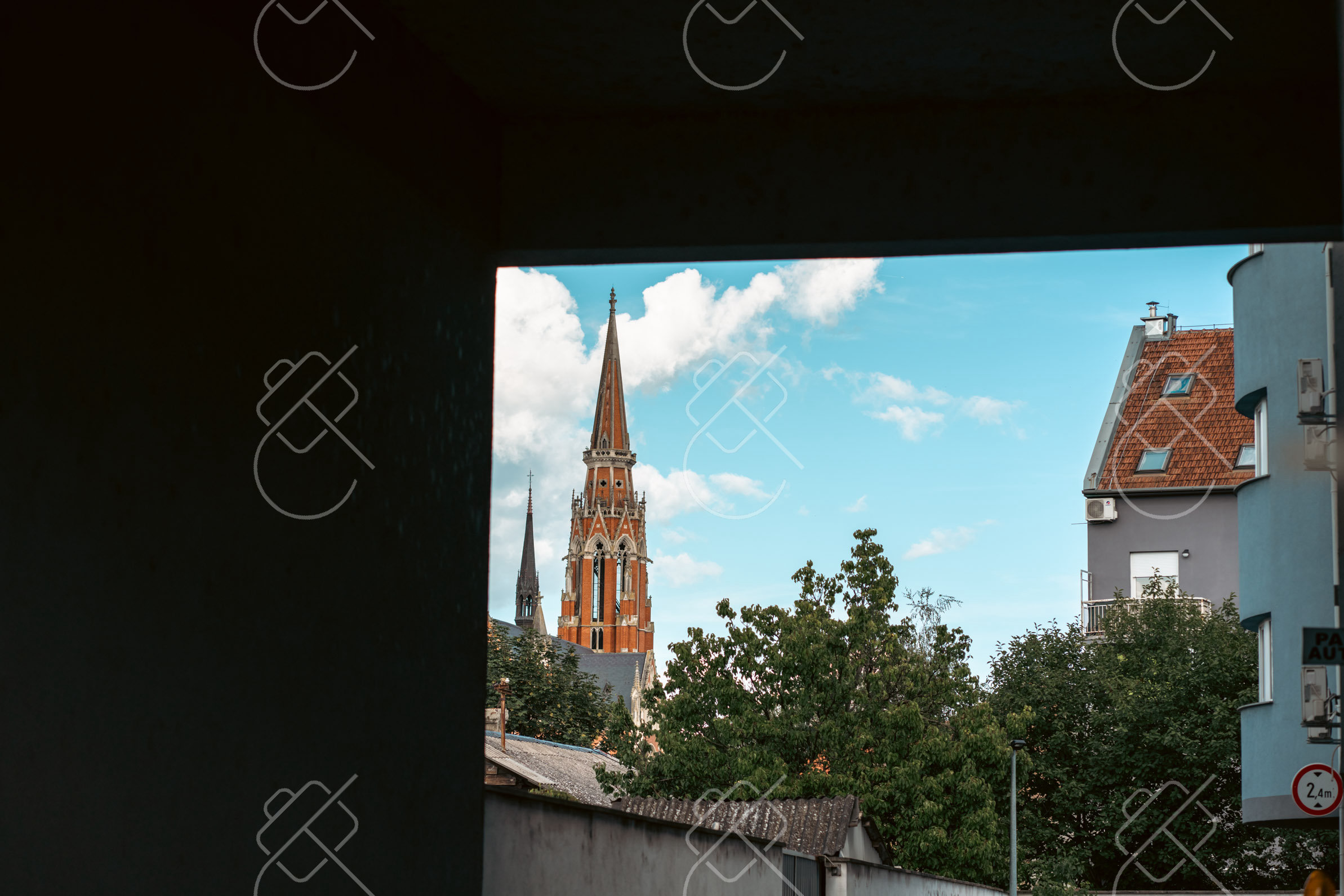
A short walk from Tvrđa, in the newer part of the city known as Gornji Grad, the Cathedral of Sts. Peter and Paul rises to nearly 90 meters — the second-tallest church building in Croatia after Zagreb's cathedral — and locals call it "little Cologne" for its neo-Gothic red brick and matching twin spires, finished in 1898. Its Gothic Revival interior, with ribbed vaulting and a full run of stained glass down both aisles, took almost as long to finish as the exterior. Slavonia is also where Croatia's spiciest, most distinct regional cooking comes from: kulen, a paprika-cured pork sausage aged for months, and fiš paprikaš, a fish stew simmered in river fish and hot paprika, both worth seeking out at a konoba rather than a tourist restaurant. The city calls itself Croatia's "green city" for its parks and tree-lined streets, and the Drava riverbank a few minutes' walk from the old town is where locals actually spend a warm evening, not the fortress.
Late spring or early autumn, when Slavonia's continental climate is mild enough to walk Tvrđa's fortress walls and sit along the Drava without summer heat or winter fog.
Base yourself inside or just outside Tvrđa's fortress walls, walking distance to Holy Trinity Square, the cathedral, and the Drava riverbank.
Order fiš paprikaš, a paprika-spiced river fish stew, or ask for kulen — Slavonia's cured, paprika-rubbed pork sausage — at a konoba rather than a tourist-facing restaurant.
Skip the fortress on a summer weekend afternoon — the yellow barracks buildings have almost no shade, and the bars and cafes inside Tvrđa don't really fill up until early evening anyway.
Compare flights to Osijek and get the best deals on Expedia.
Through Osijek, Croatia and everywhere else on this trip, World Nomads was the travel insurance we carried the whole way.
Transit cards, local customs, visa rules, and practical travel guides for this region.
See every destination from the 526-day journey:
Browse all destinationsCurious about the gear behind these photos? See the gear list.