
Home
About us
Destinations
Travel Guides
Recipes
Featured
Photos As Art
Abstract Prints
Locations
Travel Gear
Travel Resources
Favorites
Photo Framer
Explore Photos
Contact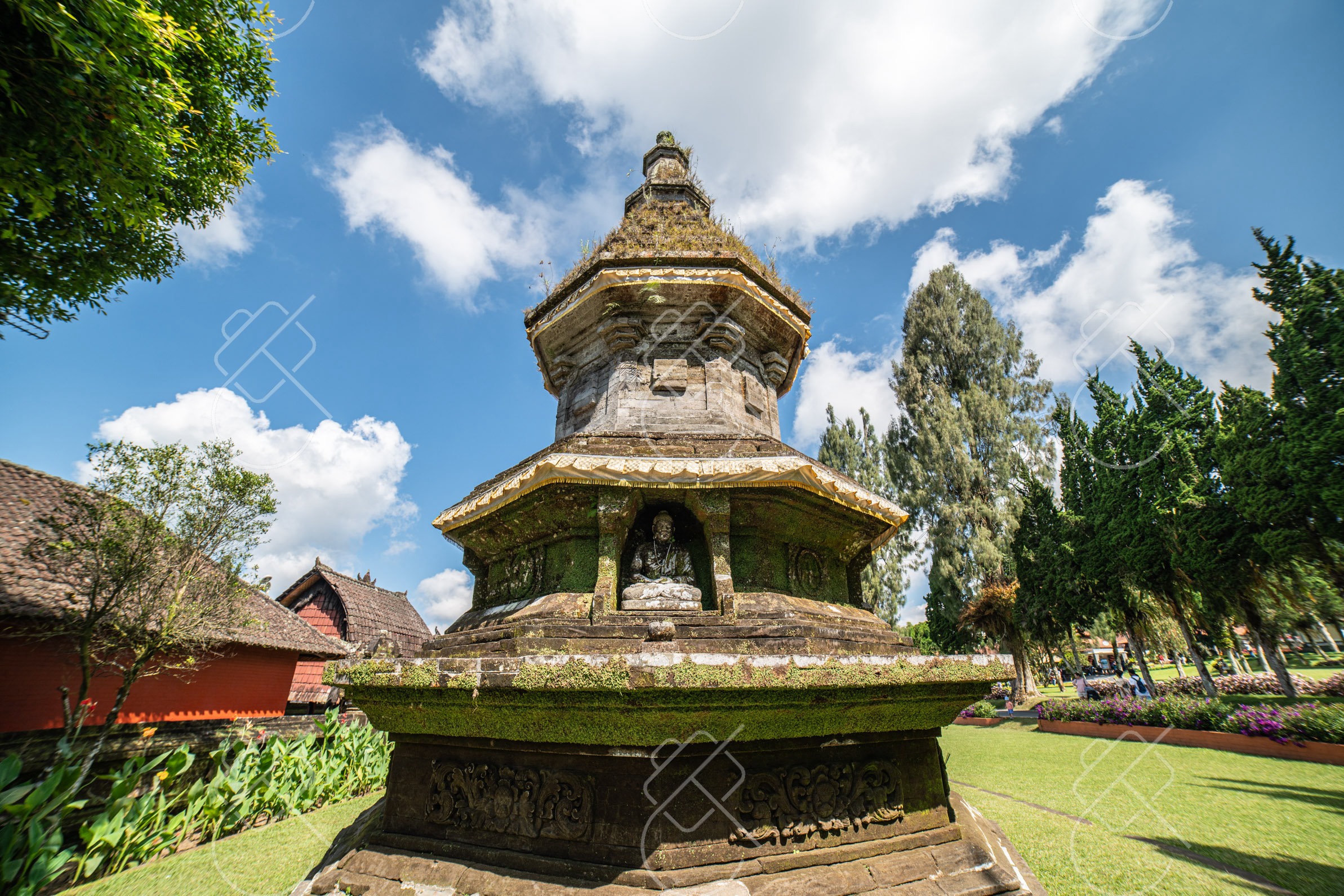 Culture & etiquette
These two get lumped together as "Southeast Asian temple etiquette," but they're genuinely different in practice. Vietnam's dress code exists but is enforced loosely almost everywhere; Bali's sarong-and-sash rule is specific, consistently required, and backed by an actual government tourist-conduct guideline, not just custom.
Published July 15, 2026
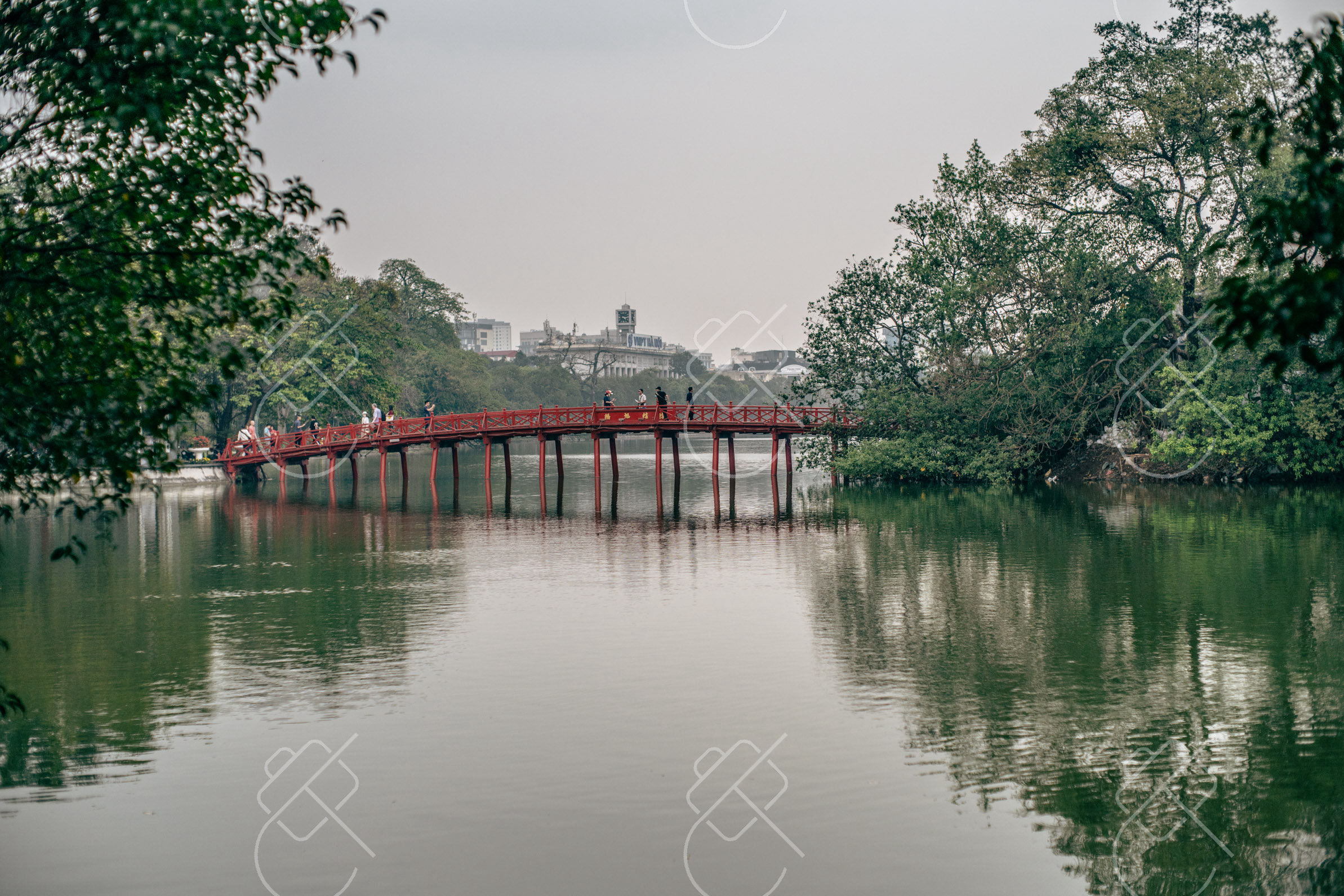
Shoulders and knees covered is the standard at Vietnamese pagodas and temples, with loose, breathable fabric recommended for the heat and shoes off before entering inner sanctums. In practice, enforcement is noticeably more relaxed than Thailand or Cambodia — Vietnamese staff tend to avoid confrontation, and guards at most sites are there to protect the building, not police outfits. Dress modestly anyway out of respect, but don't expect a hard gate-check like Bangkok's Grand Palace.
Hue's imperial tombs (Tu Duc, Khai Dinh, Minh Mang) are the clear exception, with a more specific written code: pants must cover the upper knee, shirts must cover the navel and armpits, and for women, the back and chest as well — sheer fabric and tight leggings are explicitly called out. Hats, sunglasses, and umbrellas come off before entering shrine buildings, and vendors near the entrances sell or rent cover-ups for anyone caught underdressed. Thien Mu Pagoda, also in Hue, follows the same shoulders-and-knees rule, with scarves sometimes available on site.
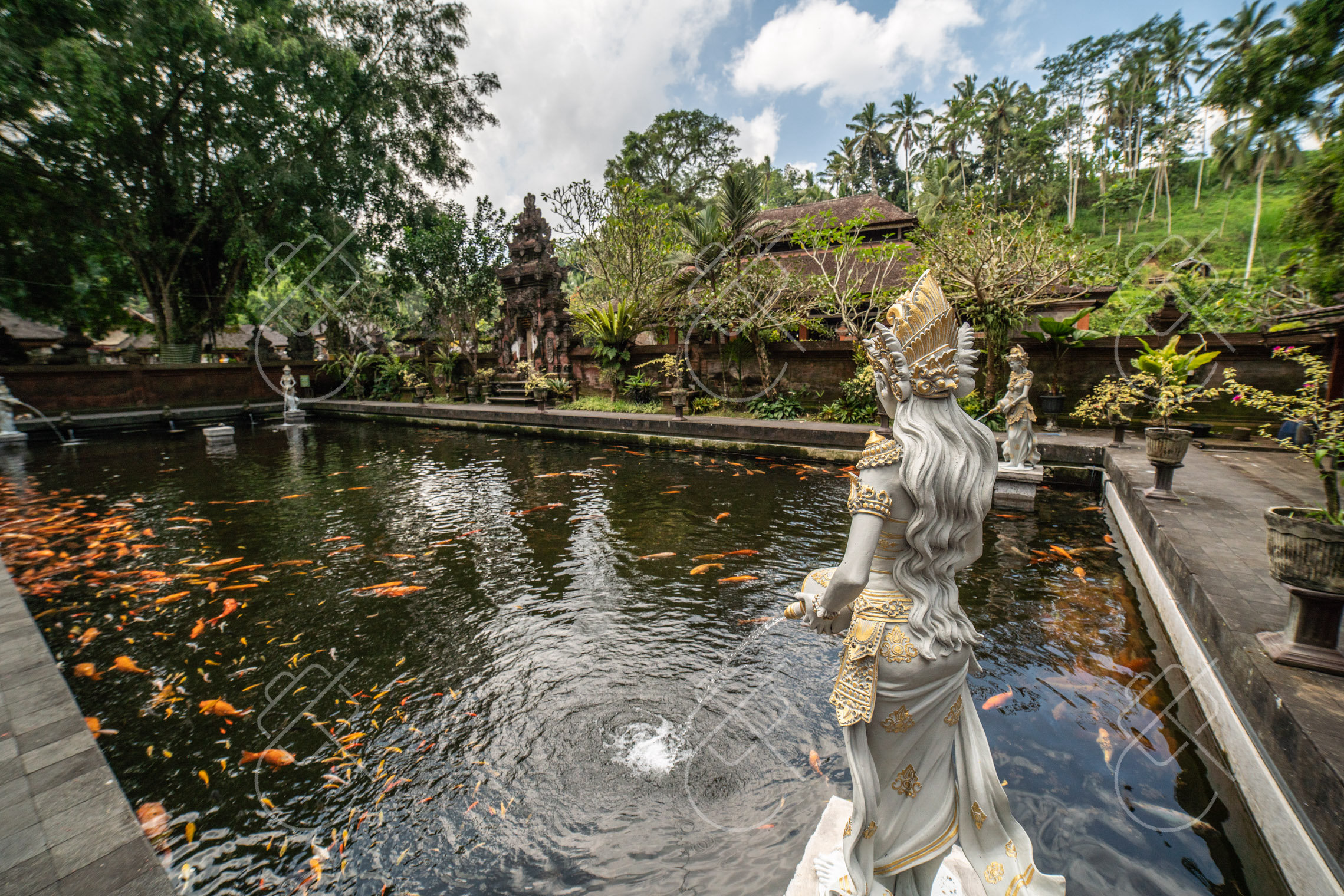
A sarong plus sash (selendang) is expected at essentially every Balinese temple (pura) tourists visit — not just the major ones. Smaller, less-visited temples expect it too, though they're less likely to have a rental station on hand, which is the real reason to bring your own. At the entrance, renting or borrowing one typically costs 10,000–20,000 IDR (roughly $0.65–$1.30); at big-name sites like Uluwatu and Tirta Empul, it's usually bundled free into the entrance ticket.
Tirta Empul has its own separate rule: a distinct "wet" sarong, often darker or green, is required for the purification pools and rented on site — your own dry sarong isn't used in the water, and changing happens in designated rooms, not out in the open. At Tanah Lot and Uluwatu, the inner sanctum is reserved for Balinese worshippers performing ceremonies; tourists stay in the outer courtyards and viewpoint areas.
Balinese Hindu belief holds that menstruation, along with mourning and (at some temples) having a baby under six months old, makes a person ritually impure for temple entry — this is a genuine, longstanding cultural rule, not a tourist myth, and Bali's provincial government formalized it into official tourist-conduct guidance in 2024. In practice, it's an honor-system expectation communicated through signage and guide advisories rather than anything actually checked at the gate, so it comes down to self-compliance rather than a screening process.
It's possible but not the norm — enforcement in Vietnam is generally loose compared to Thailand or Cambodia, and staff tend to let minor violations pass rather than confront visitors. Hue's imperial tombs are the exception, with a more specific dress code that's more likely to be enforced.
Either works. Major temples like Uluwatu and Tirta Empul usually bundle a sarong into the entrance fee, and smaller temples often have a rental station charging 10,000–20,000 IDR — but bringing your own means you're never caught without one at a less-visited site.
Yes, this is a real Balinese Hindu belief around ritual purity, not a tourist myth — the same restriction applies to those in mourning. It's enforced as an honor-system expectation via signage and guide advisories, not a physical check.
Get the best deals on a hotel in Vietnam before you book elsewhere — Booking.com.