Home
About us
Destinations
Travel Guides
Recipes
Featured
Photos As Art
Abstract Prints
Locations
Travel Gear
Travel Resources
Favorites
Photo Framer
Explore Photos
Contact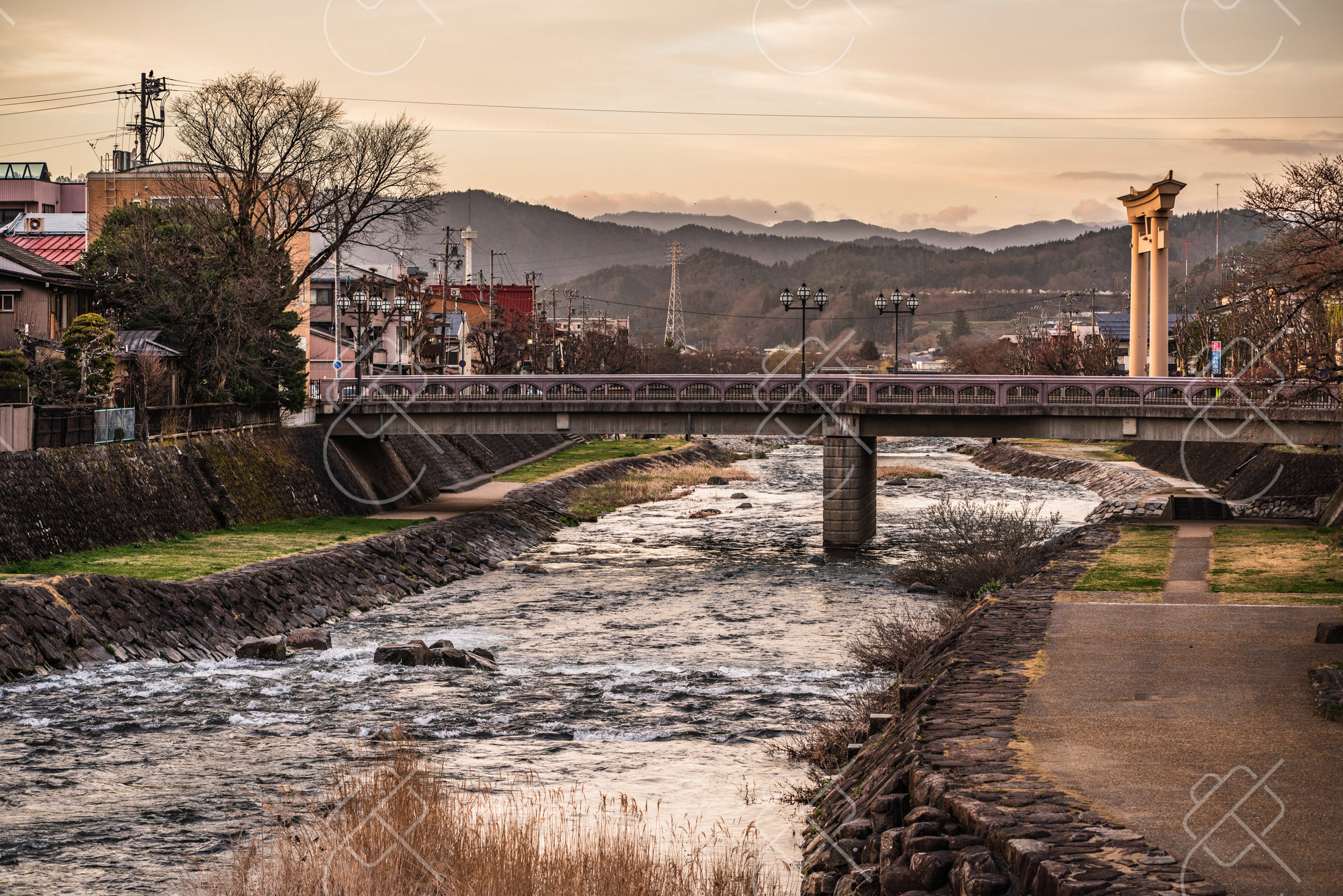 Destinations & Itineraries
For 10 days in Japan, we suggest Tokyo (3 nights), Takayama (2), Kanazawa (1), Kyoto (3) and Osaka (1). That adds one Japan Alps stop to the classic Tokyo–Kyoto trip and turns the journey between them into a loop: into the mountains to Takayama, on through the thatched village of Shirakawa-go to Kanazawa, then down to Kyoto. It is our suggested cut of the 33-day route we took, which spent 11 days in Hakone, Matsumoto, Takayama and Kanazawa; here that stretch is compressed into 3 nights.
Published June 13, 2026
• Days 1–3, Tokyo: Asakusa, Ueno and Yanaka, the Imperial Palace moat and Shinjuku after dark.
• Day 4, Tokyo to Takayama: a long travel day into the Hida mountains.
• Day 5, Takayama: the morning markets, Sanmachi old town, Takayama Jinya, Hida Folk Village.
• Day 6, Shirakawa-go to Kanazawa: bus to the thatched village, a few hours there, then on to Kanazawa.
• Day 7, Kanazawa to Kyoto: Kenroku-en first thing, then about 2 hours by train to Kyoto.
• Days 8–9, Kyoto: Higashiyama and Gion, Arashiyama, Fushimi Inari.
• Day 10, Osaka: Dotonbori for the last evening, fly out of Kansai the next day.
We picked Takayama as the one Alps stop because it has the most to do in two nights and puts Shirakawa-go on the way to Kanazawa. Matsumoto is the alternative; see the last section.
• Via Nagoya (fastest): the Tokaido Shinkansen to Nagoya, then the JR Limited Express Hida to Takayama, about 2 hours 15 minutes to 2 hours 40 minutes on the Hida leg. Both are JR, so this is the route to use with a rail pass.
• Via Matsumoto (the way our route went): the JR Limited Express Azusa from Shinjuku to Matsumoto, about 2.5 to 3 hours, then the Alpico / Nohi highway bus to Takayama, about 2 hours 20 minutes to 2.5 hours and ¥4,400, reservation required. Leave early and you can see Matsumoto Castle between the two.
Either way it is most of a day, so arrive in Takayama for an evening walk along the river and dinner. Forwarding your big bag from Tokyo to Kyoto with a luggage forwarding service and traveling the mountain section with a small bag makes the buses much easier.
Day 5: be at the Miyagawa Morning Market by 7am, walk across to the Jinya-mae market, go into Takayama Jinya when it opens, then spend late morning in the Sanmachi lanes and their sake breweries. Hida Folk Village fills the afternoon. Our Takayama guide has the details; most shops in Sanmachi close by 5pm.
Day 6: take the Nohi Bus to Shirakawa-go (about 50 minutes), climb to the Shiroyama viewpoint and go inside one farmhouse, then continue to Kanazawa (about 75 minutes). Book both legs ahead, ¥2,800 each, and use the bus terminal lockers. Our Kanazawa to Takayama bus guide covers reservations and luggage.
Day 7: give the morning to Kenroku-en, which opens early for free in season, and the Higashi Chaya teahouse district, with lunch at Omicho Market. Our Kanazawa guide has the rest. Take an afternoon train to Kyoto.
Since March 2024, Kanazawa to Kyoto means the Hokuriku Shinkansen to Tsuruga and a change to the Thunderbird limited express, about 2 hours in total.
Days 8–9, Kyoto: with two full days and an evening, do southern Higashiyama and Gion on the first evening or morning, Arashiyama early one day and Fushimi Inari at dawn the next. Our 3 days in Kyoto itinerary sets out each district, and how many days in Kyoto explains what you give up with less time.
Day 10, Osaka: about half an hour from Kyoto. Stay in Namba for Dotonbori and the direct train to Kansai Airport; see our Osaka guide. If you fly home from Tokyo instead, spend the last night in Kyoto and take the Shinkansen back in the morning.
A 10-day trip is too long for the 7-day pass (¥50,000), and the 14-day pass costs ¥80,000. The buses through Shirakawa-go are not JR, and neither is the Matsumoto–Takayama bus, so check the fares for your exact legs before buying a pass; for most people on this route, separate tickets cost less. The JR legs (Shinkansen to Nagoya, the Hida, the Hokuriku Shinkansen and the Thunderbird) can all be booked as point-to-point tickets.
Our Shinkansen and JR Pass guide explains booking, and our full 33-day route covers the regional passes for the Alps.
If castles interest you more than old merchant towns, stay two nights in Matsumoto instead: an original 16th-century keep, one of five ranked as National Treasures, about 2.5 to 3 hours from Shinjuku on the Azusa. You lose Shirakawa-go and Kanazawa, and the onward trip to Kyoto goes via Nagoya, which gives that night back to Kyoto. Our Matsumoto guide covers the town.
With 14 days, our 14-day Japan itinerary adds Hakone, Hiroshima and Miyajima instead; its advice is to add Kanazawa and Takayama only with at least three extra nights.
Ten days covers Tokyo, Kyoto, Osaka and one Japan Alps stop. We suggest Tokyo 3 nights, Takayama 2, Kanazawa 1, Kyoto 3 and Osaka 1, with Shirakawa-go on the bus between Takayama and Kanazawa.
Either the Shinkansen to Nagoya and the Limited Express Hida (about 2 hours 15 minutes to 2 hours 40 minutes on the Hida leg), or the Limited Express Azusa to Matsumoto and the highway bus to Takayama (about 2 hours 20 minutes to 2.5 hours, ¥4,400, reservation required).
Yes. Book two Nohi Bus legs, Takayama to Shirakawa-go (about 50 minutes) and Shirakawa-go to Kanazawa (about 75 minutes), at ¥2,800 each, and leave your bags in the terminal lockers.
About 2 hours: the Hokuriku Shinkansen to Tsuruga, then the Thunderbird limited express to Kyoto. The change at Tsuruga has been necessary since March 2024.
Usually not on this route. The 14-day pass costs ¥80,000, and the Shirakawa-go and Matsumoto–Takayama buses are not JR. Check the fares for your exact legs; separate tickets usually cost less.
Entry rules change, and they depend on your nationality — always confirm the current requirements on the official government site before you book or apply. Only use official government (.gov) portals; ignore look-alike agency sites.
Search verified local fleets with low security deposits and exact model delivery on Localrent.
Get the best deals on Japan hotels on Booking.com before prices climb.