Home
About us
Destinations
Travel Guides
Recipes
Featured
Photos As Art
Abstract Prints
Locations
Travel Gear
Travel Resources
Favorites
Photo Framer
Explore Photos
Contact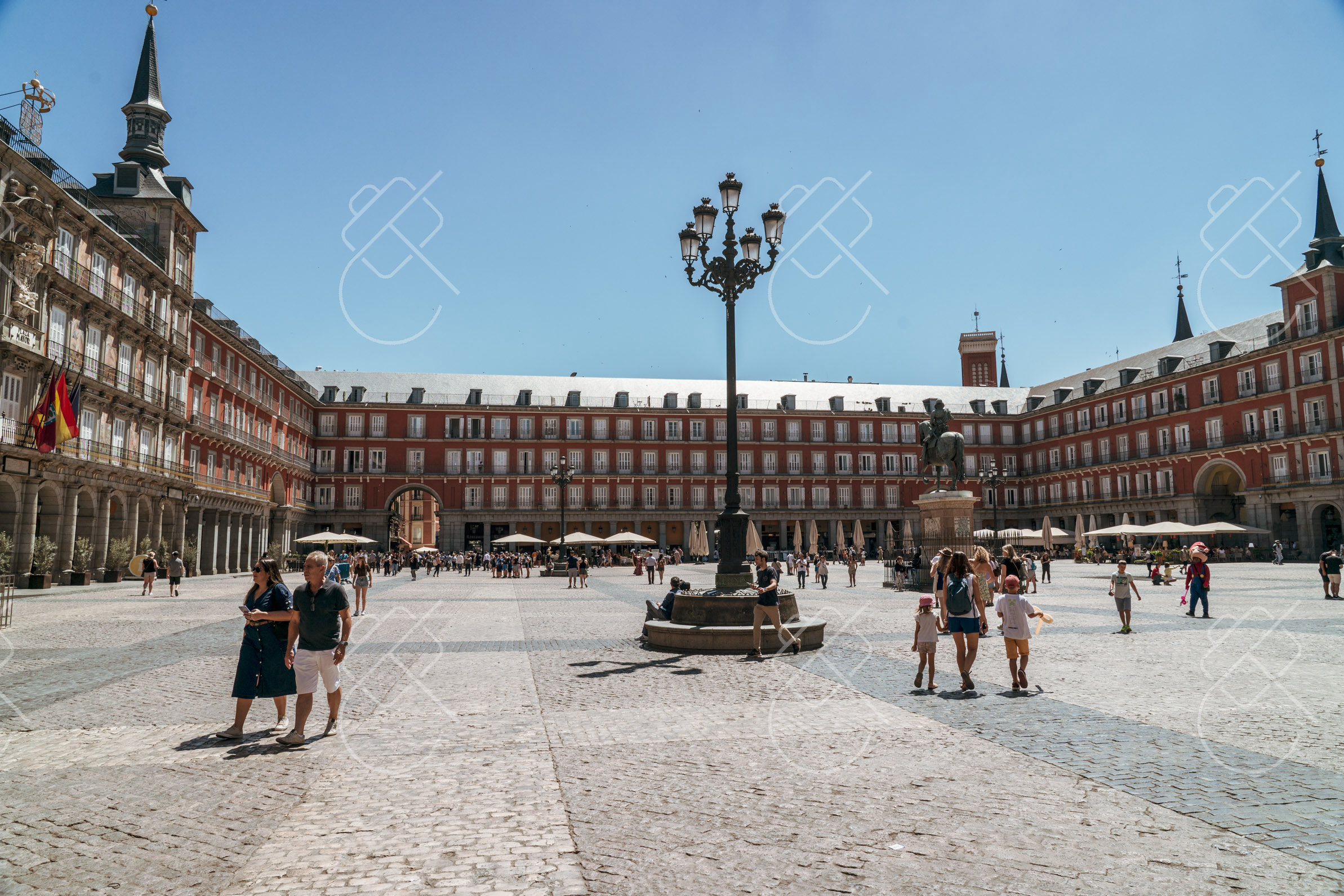 Destinations & Itineraries
We spent 60 days in Spain, from 27 June to 26 August 2022, in one long loop: 4 days in Madrid, west to Salamanca, up to the north coast (Oviedo, Gijón, the Picos de Europa, Cantabria) for most of July, through the Basque Country and La Rioja, east via Zaragoza to 5 days in Barcelona and 4 in Valencia, down the southeast coast to Murcia and Almería, then Andalusia (Granada, Córdoba, 5 days in Seville, Cádiz) and out through Tarifa to Morocco. The order was north first, south last: the Cantabrian coast was the cool place to be in July, which turned out to be the hottest month Spain had recorded. Below is every stop with its days, the train options between them, the heat, and what we would change.
Published May 13, 2026 · Last updated
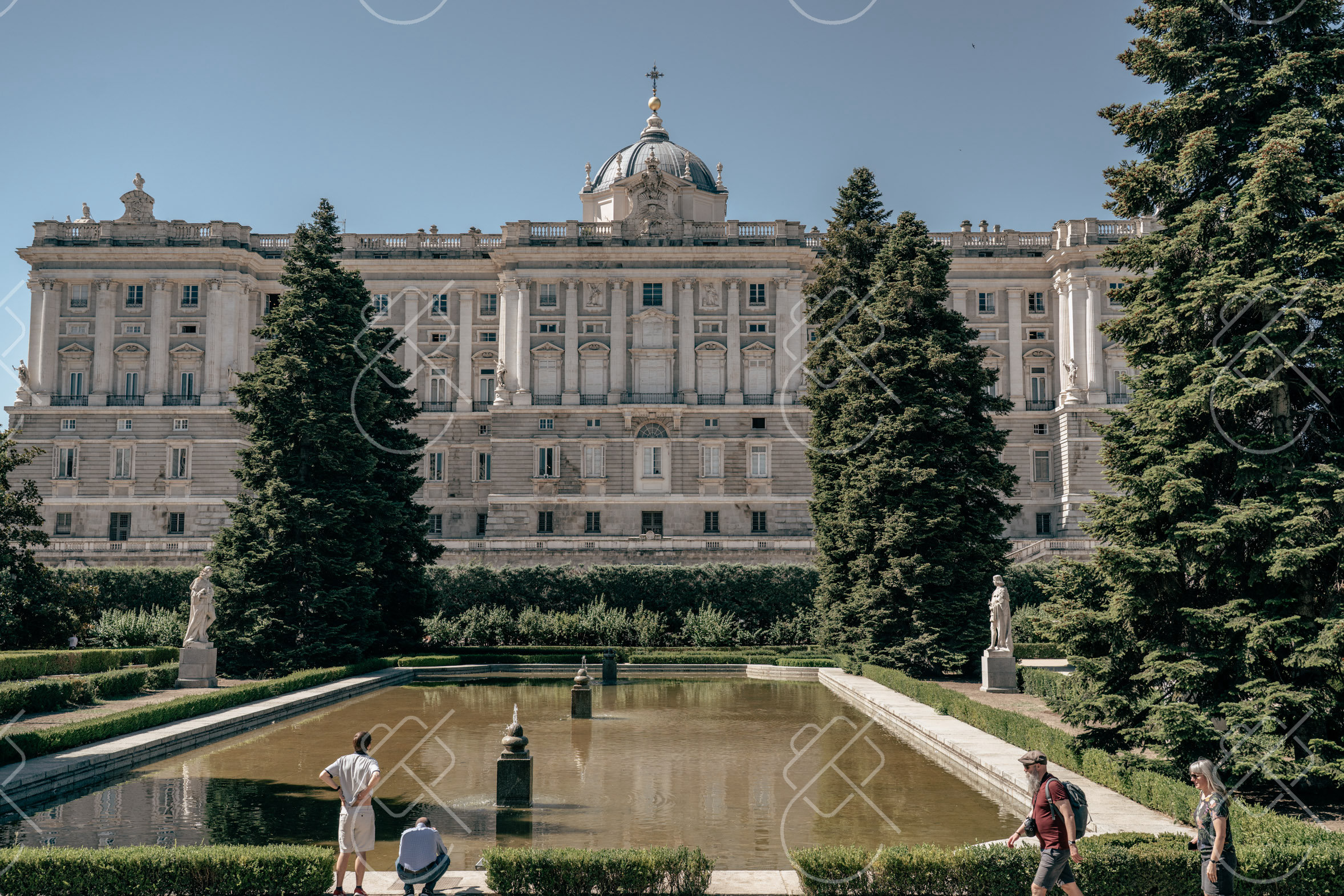
• Madrid, 4 days (27 June to 1 July). Plaza Mayor, the Royal Palace, the Retiro and the Prado, Reina Sofía and Thyssen within a short walk of each other. See our Madrid guide.
• Ávila (a short stop) and Salamanca, 2.5 days. A couple of hours at Ávila's walls on the way west, then Salamanca's golden-sandstone Plaza Mayor, the university facade and the two cathedrals. Salamanca is covered in our Spain guide.
• Oviedo, 3 days, and Gijón, 2 days. Oviedo for the pre-Romanesque churches on Monte Naranco and the cider bars of Calle Gascona; Gijón for San Lorenzo beach, Cimadevilla and Chillida's Elogio del Horizonte. See our Gijón guide.
• Cangas de Onís and Poncebos, 2 days (9 to 11 July). The old bridge at Cangas de Onís, then Poncebos, the hamlet at the start of the Cares Gorge trail (Ruta del Cares) in the Picos de Europa. For the lakes above Covadonga, read our Lagos de Covadonga access guide first.
• Santander, 1 day, and Santoña, 2 days. The Cantabrian capital, then the fishing town best known for its anchovies.
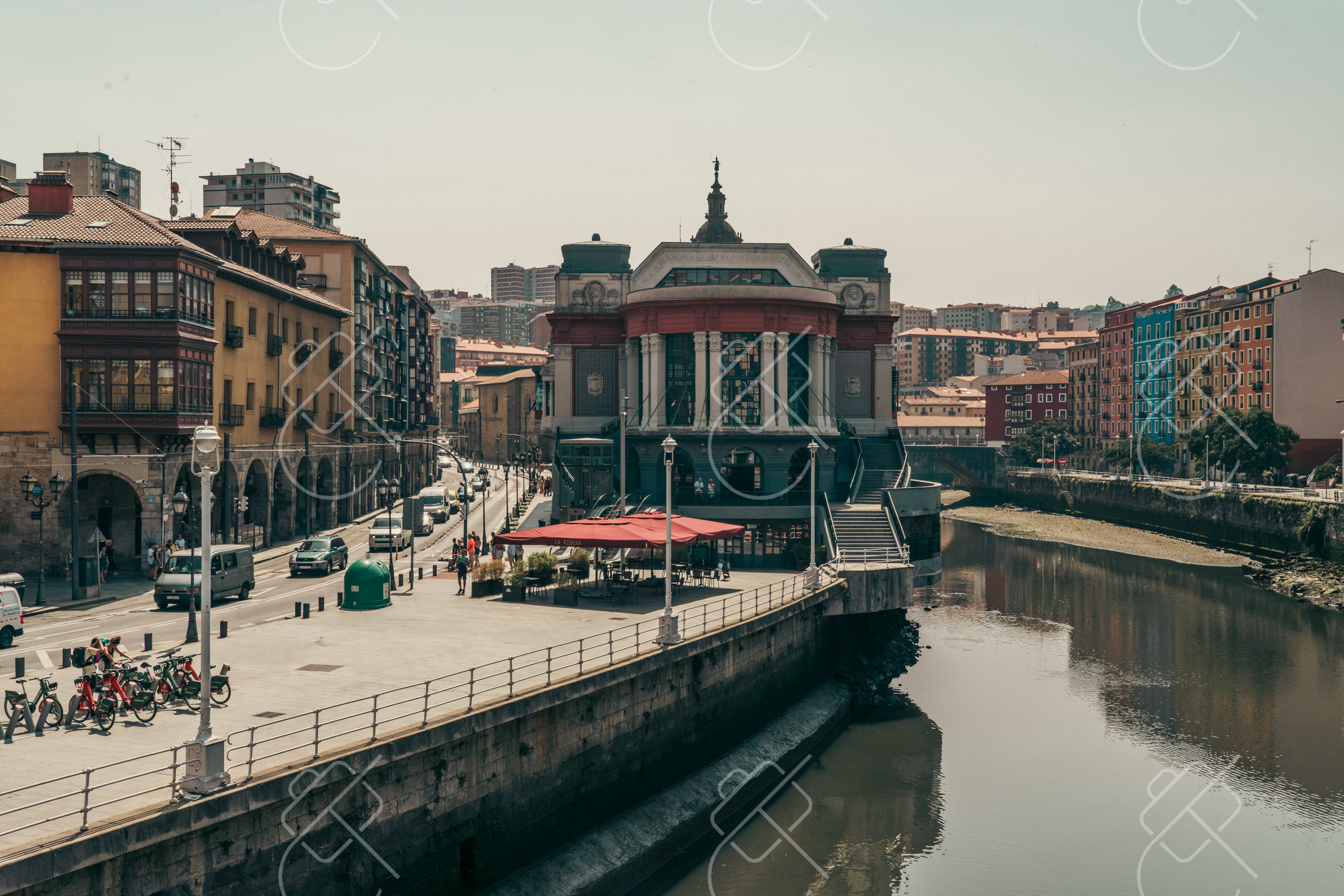
• Bilbao, 1 day. The Guggenheim and the Casco Viejo. See our Basque Country guide.
• Logroño, 5 days (15 to 20 July). Calle Laurel's tapas bars and the Rioja vineyards. The walled wine town of Laguardia is in the Rioja Alavesa just north of the city.
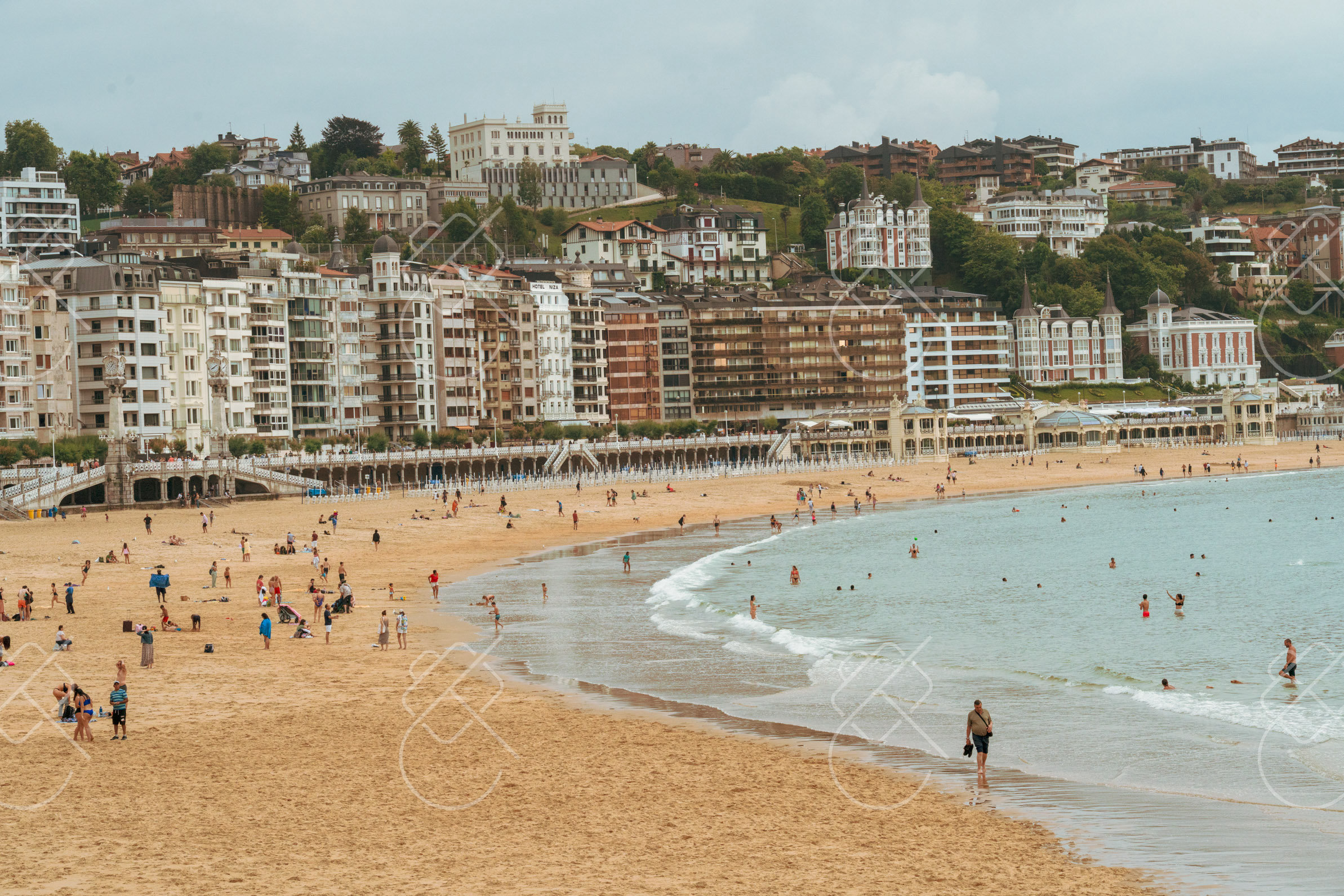
• San Sebastián, 2 days. La Concha, Monte Igueldo and the Parte Vieja; our pintxos guide explains how ordering works.
• Zaragoza, 2 days, then Barcelona, 5 days (24 to 29 July). Zaragoza is the natural break on the way east; Barcelona was our longest city stop after Madrid and Seville.
• Valencia, 4 days, then the southeast coast, 8 days. Murcia 3, San Pedro del Pinatar on the Mar Menor 3, Cartagena 1 and Almería 1.
• Andalusia, 13 days (10 to 23 August). Granada 4, Córdoba 2, Seville 5 and Cádiz 2, written up in detail in our Andalusia by train itinerary.
• La Línea de la Concepción, 2 days, and Tarifa, 1 day. La Línea is the Spanish town at the Gibraltar border; Tarifa is the ferry port for Morocco. See our Tarifa to Tangier ferry guide.
Spain's high-speed network radiates from Madrid, and three companies now compete on the main lines: Renfe (AVE, plus its low-cost Avlo), Iryo and Ouigo. Iryo and Ouigo run Madrid to Barcelona via Zaragoza, Madrid to Valencia, and Madrid to Córdoba and Seville; Ouigo's Seville trains all stop in Córdoba. Compare all three before you book, since fares on the same route vary widely by day and hour. These are the usual options; check the operators' own timetables before planning around a departure.
• Madrid to Salamanca: Alvia trains take about 1.5 hours from Madrid-Chamartín, a few times a day; slower regional trains take closer to 3 hours. Ávila is on the way.
• To Asturias: since the Pajares tunnels opened in late 2023, Madrid to Oviedo takes a little over 3 hours, and Gijón about 3.5 hours. That line did not exist when we went in 2022.
• Along the north coast: the narrow-gauge line from Asturias through Cantabria to Bilbao (the old FEVE, now Renfe Cercanías AM) is scenic but slow, with Oviedo to Santander taking around 4.5 hours in older timetables. Intercity buses (ALSA) are usually faster. Poncebos and the Picos are much easier with a car.
• Zaragoza to Barcelona: on the Madrid–Barcelona high-speed line, served by all three operators.
• Barcelona to Valencia: Renfe's Euromed takes about 2 hours 40 minutes at its fastest, most services 2h40 to 3h10; slower Intercity and Talgo trains run to Valencia Estació Nord rather than Joaquín Sorolla.
• Valencia to Almería: the southeast coast has thinner rail service; buses fill most gaps between Murcia, the Mar Menor, Cartagena and Almería.
• Andalusia: Granada to Córdoba about 1.5 hours direct, Córdoba to Seville about 45 minutes on AVE or Avant, Seville to Cádiz about 1.5 hours. Tarifa has no railway; Comes buses run from Cádiz and La Línea.
The order made sense for the season. In the warmest month, average highs in Gijón and Oviedo are about 23°C, Santander about 24°C and Bilbao about 26°C, against roughly 32°C in Madrid, 36°C in Seville and 37°C in Córdoba (AEMET normals). We spent almost all of July on the Cantabrian coast and in La Rioja.
That turned out to matter. AEMET recorded July 2022 as the hottest month in Spain since at least 1961, with a heatwave from 9 to 26 July that pushed Seville airport to 44.8°C. We were in Asturias, Cantabria, the Basque Country and Logroño for those dates.
The trade-off is that the south came in mid-August, still its hottest stretch. In Andalusia that means sightseeing early, a long break through the afternoon, and evenings outside. If you have the choice, Andalusia is far better in spring or autumn; our Madrid guide says the same about the capital in July and August.
Keep: a full month in the north. Asturias, the Picos, Cantabria, the Basque Country and La Rioja are where Spain is green, cool in summer and best for food; our food of Spain guide leans heavily on it. Five days in Logroño gave time for the vineyards and Laguardia, not just Calle Laurel.
Keep: ending at Tarifa. It sets up the one-hour ferry to Tangier, and we carried straight on into our 24-day Morocco route.
Change: the eight days on the southeast coast between Valencia and Granada. Murcia, the Mar Menor and Cartagena make sense on a slow trip, but on a shorter one we would go from Valencia (or Madrid) straight to Granada and give the time to Andalusia.
Change: the 1-day stops (Santander, Bilbao, Cartagena, Almería). Bilbao in particular deserves 2 nights for the Guggenheim and the old town, and Ávila deserves more than a few hours.
• Entry: Spain is in Schengen; the EU's EES biometric border checks have been running since 10 April 2026, and ETIAS has not launched. See do I need a visa for Spain and ETIAS and EES explained.
• Basque tourist tax: from 1 January 2027 hotels in the Basque Country add a per-night tax; see our Basque Country tourist tax guide.
• Shorter versions: our 2-week Spain itinerary cuts this route to Barcelona, Madrid and Andalusia, with a northern alternative.
Two weeks covers Barcelona, Madrid and Andalusia, or the north coast and the Basque Country. We spent 60 days, which covered Madrid, Salamanca, Asturias, Cantabria, the Basque Country, La Rioja, Barcelona, Valencia, the southeast coast and Andalusia.
Yes. Warmest-month average highs are about 23°C in Gijón and Oviedo, 24°C in Santander and 26°C in Bilbao, against roughly 36°C in Seville and 37°C in Córdoba.
Renfe (AVE and the low-cost Avlo), Iryo and Ouigo. All three run Madrid to Barcelona, Valencia and Seville via Córdoba, so it pays to compare fares.
About 2 hours 40 minutes on the fastest Euromed, with most services taking 2h40 to 3h10. Slower Talgo and Intercity trains use Valencia Estació Nord instead of Joaquín Sorolla.
Not to the mountains themselves. The narrow-gauge coastal line and ALSA buses reach Asturias and Cantabria, but Poncebos, the Cares trail and the Covadonga lakes are much easier by car or on the summer shuttle from Cangas de Onís.
Entry rules change, and they depend on your nationality — always confirm the current requirements on the official government site before you book or apply. Only use official government (.gov) portals; ignore look-alike agency sites.
Search verified local fleets with low security deposits and exact model delivery on Localrent.
Compare Spain hotels and get the best deals on Booking.com.