
Home
About us
Destinations
Travel Guides
Recipes
Featured
Photos As Art
Abstract Prints
Locations
Travel Gear
Travel Resources
Favorites
Photo Framer
Explore Photos
Contact Culture & etiquette
"Cover your shoulders and knees" gets repeated for every religious site on earth, but the real rules — and how strictly they're actually enforced — vary enormously by region. Morocco doesn't let most non-Muslims inside a mosque at all; Bali requires a specific sarong at nearly every temple; Japan barely enforces anything. Here's the real breakdown, region by region, from an actual trip through all of them.
Published July 17, 2026
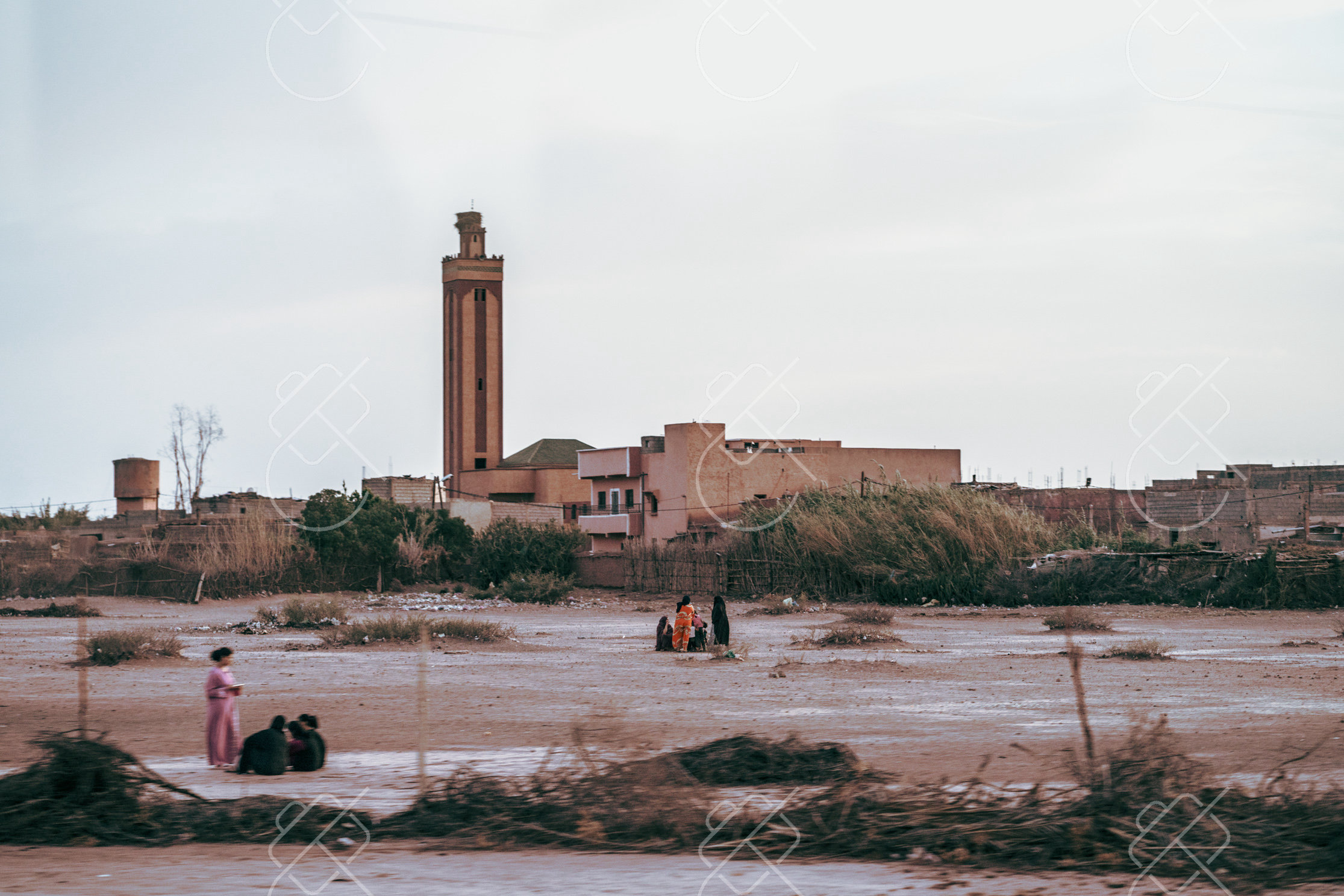
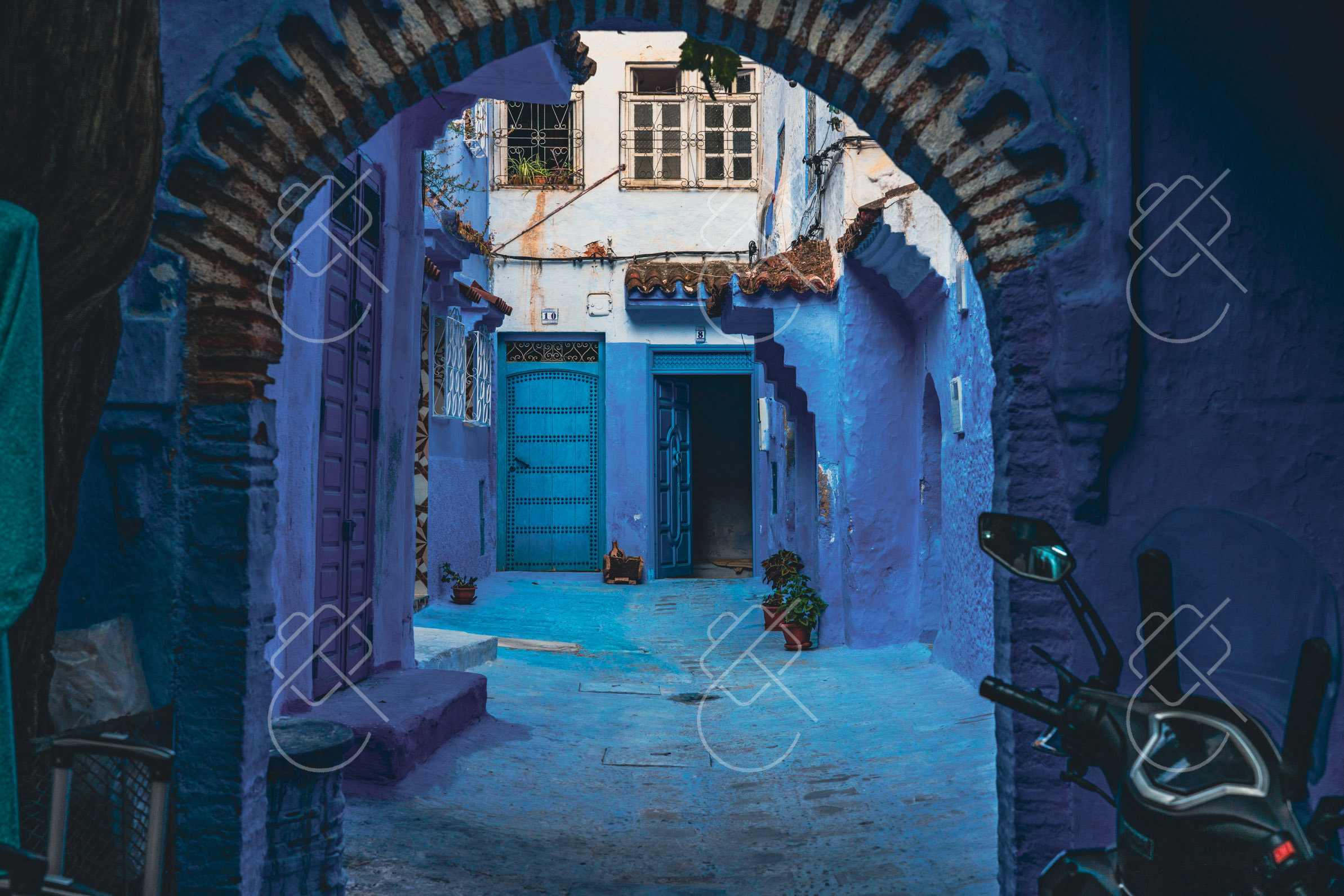
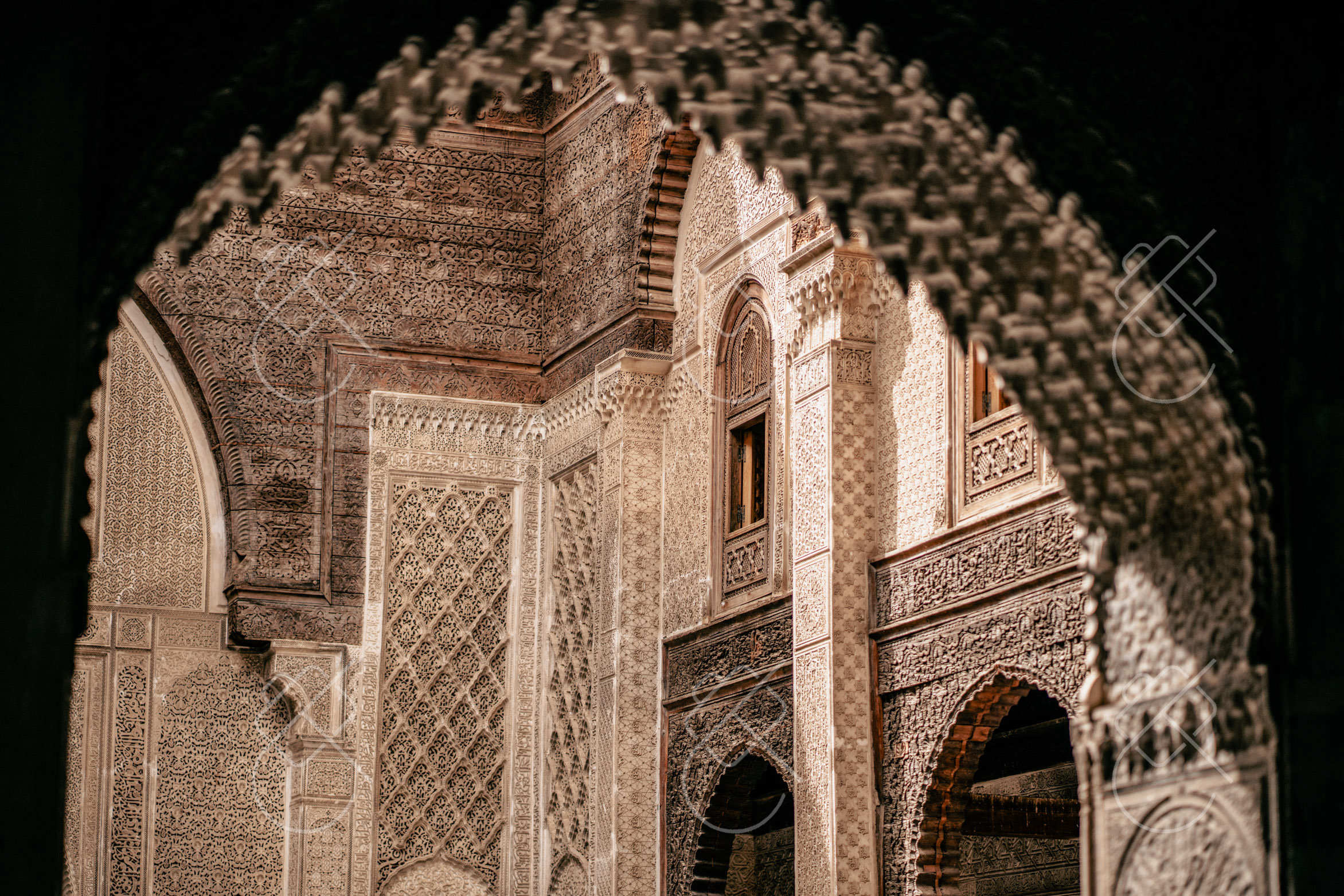
Unlike much of the Muslim world, most functioning mosques in Morocco are closed to non-Muslims entirely — not discouraged, closed. Hassan II Mosque in Casablanca is the well-known exception, open via paid guided tour with a real dress code (shoulders, torso, and knees covered for everyone; headscarf welcomed but not enforced). The full breakdown, including cost and hours, is in our dedicated Morocco mosque guide.
Shoulders and knees covered, for men and women equally, with the Grand Palace and Wat Phra Kaew enforcing it most strictly of anywhere we visited — guards checking at the gate, rental sarongs available for a fee or deposit if you show up underdressed. Full details, including the shoes-off rules per building, are in our Thailand temple dress code guide.
Vietnam has a real dress code that's enforced loosely almost everywhere except Hue's imperial tombs, which are stricter and more specific. Bali is the opposite: a sarong-and-sash requirement that's consistently expected at nearly every temple, backed by an actual government tourist-conduct guideline, plus a genuine (not mythical) restriction around menstruation and ritual purity. Both are covered in our Vietnam and Bali temple dress code guide.
After Thailand and Bali, Japan is a genuine change of pace — essentially no enforced dress code at any major shrine or temple we visited, no gatekeepers, no rental sarongs. Korea sits in between: a stated preference for modest dress that's rarely actually enforced outside of overnight templestay programs. Read the complete breakdown on tatami sock rules, shoes, and tattoos in our What Is the Dress Code at Temples and Shrines in Japan and South Korea? guide.
It's a reasonable default, but the real rules vary a lot by region — Morocco bars most non-Muslims from mosques outright, Bali requires a specific sarong and sash, and Japan enforces almost nothing at all. Check the region-specific guide before assuming one rule covers everywhere.
Thailand, particularly the Grand Palace and Wat Phra Kaew in Bangkok, where staff actively check clothing at the entrance and reject shorts, sleeveless tops, and even tight leggings or see-through fabric.
Japan, by a clear margin — most shrines and temples have no enforced dress code at all, in contrast to the guarded checkpoints in Thailand or the sarong requirement in Bali.
Get the best deals on flights, hotels, and stays for Morocco — all on Expedia.