
Home
About us
Destinations
Travel Guides
Recipes
Featured
Photos As Art
Abstract Prints
Locations
Travel Gear
Travel Resources
Favorites
Photo Framer
Explore Photos
Contact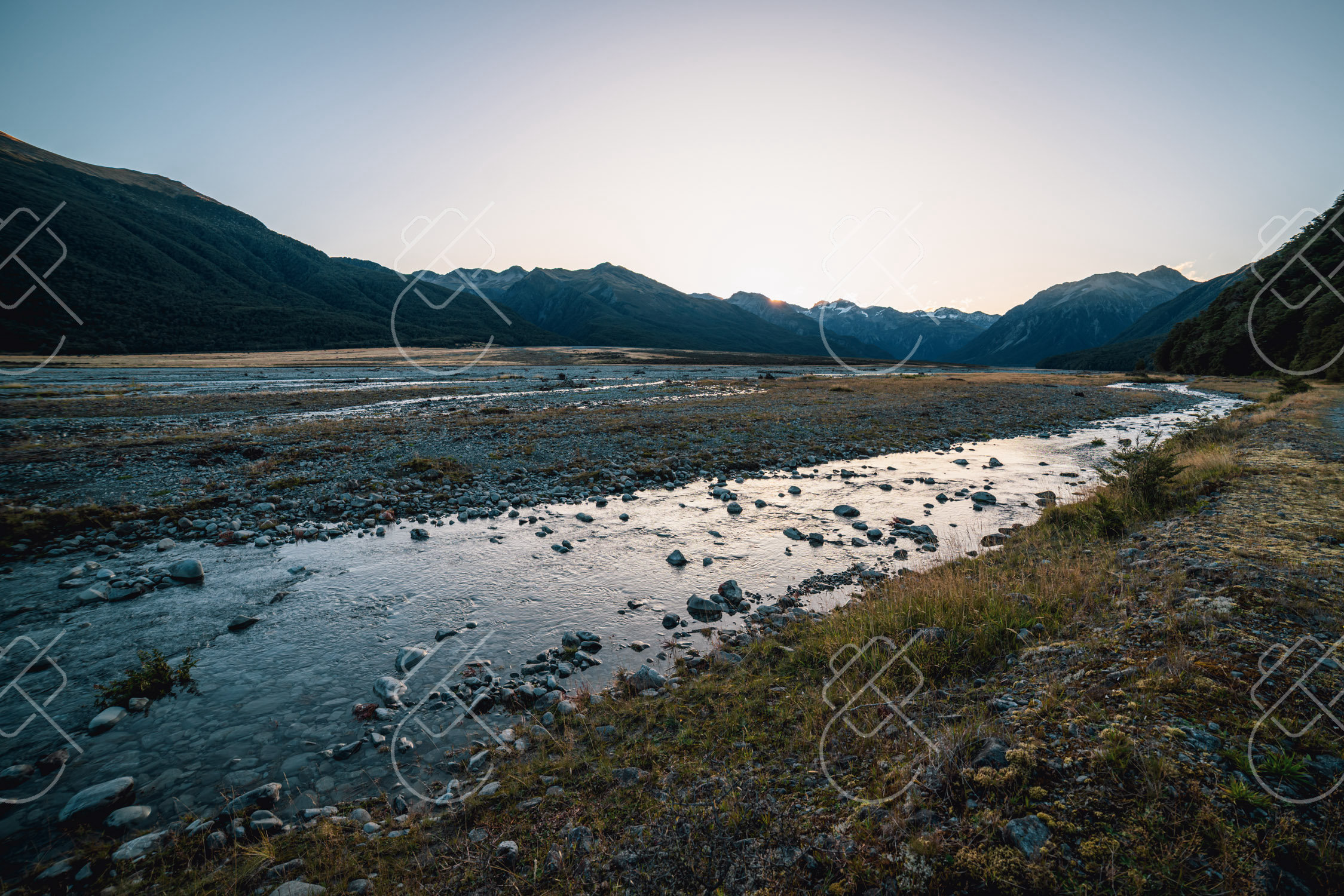 Trip planning
New Zealand is unusual in that it genuinely works well both ways — as a cruise stop and as a self-drive road trip — but the two aren't really comparable trips. One gets you a scenic look at the coast on a fixed schedule; the other gets you the whole country on your own timeline, at the cost of doing the driving and the logistics yourself.
Published July 16, 2026
New Zealand almost never anchors a cruise itinerary on its own — it's usually one leg of a longer South Pacific or Australia–New Zealand route, with port days in Auckland, Wellington, Akaroa (the gateway for Christchurch), and Dunedin. You get one day in each, on the ship's schedule, with shore excursions booked in advance rather than a plan you can change once you're actually standing there.
The genuine highlight is Fiordland: many larger ships sail directly into Milford Sound or Doubtful Sound rather than docking, since there's no real port for a ship that size — it's a slow scenic transit past waterfalls and cliff walls a few hundred meters away, done entirely from the deck. That's a real, worthwhile way to see a fiord most land-based visitors only get from a much smaller tour boat, and it doesn't require renting or driving anything.
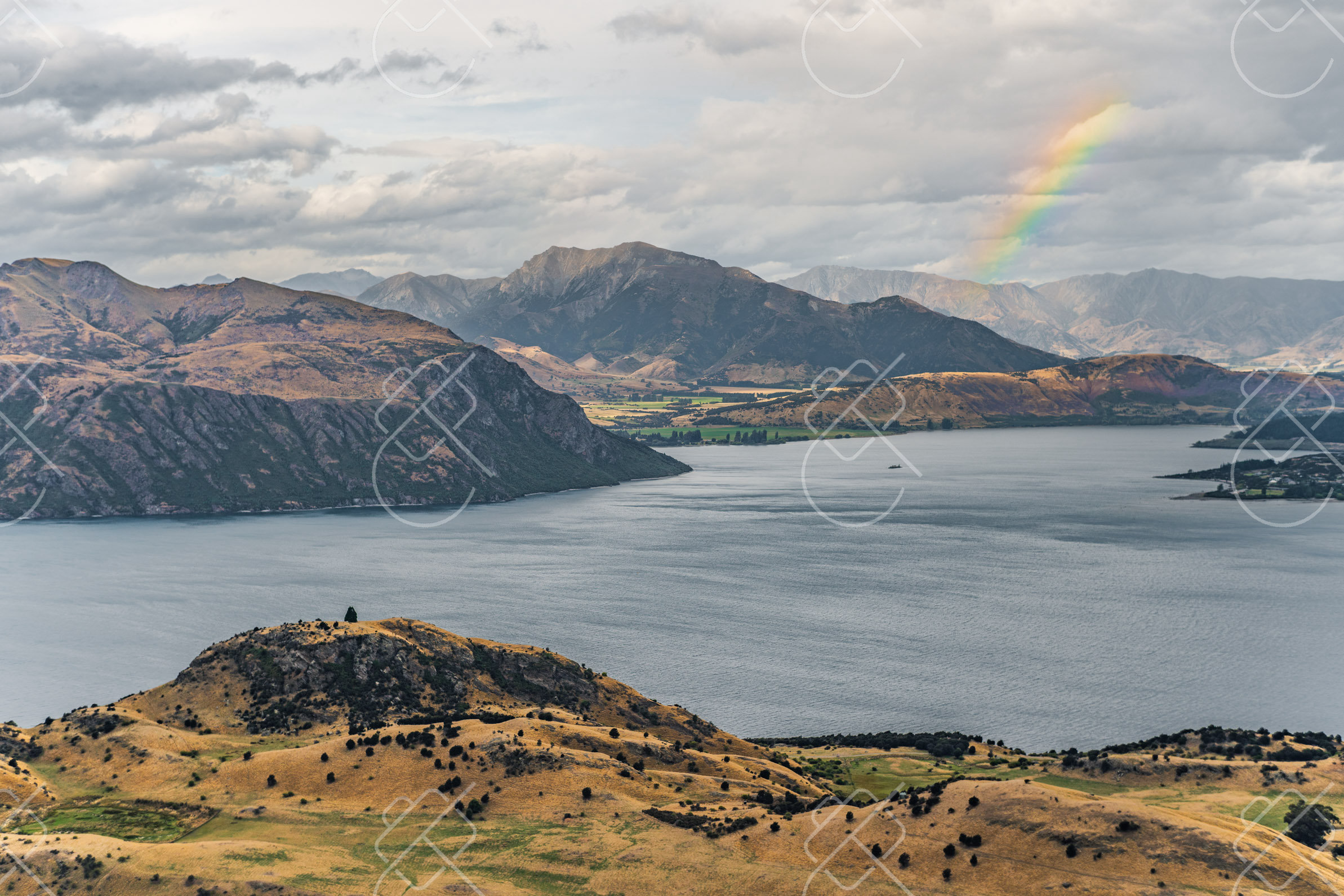
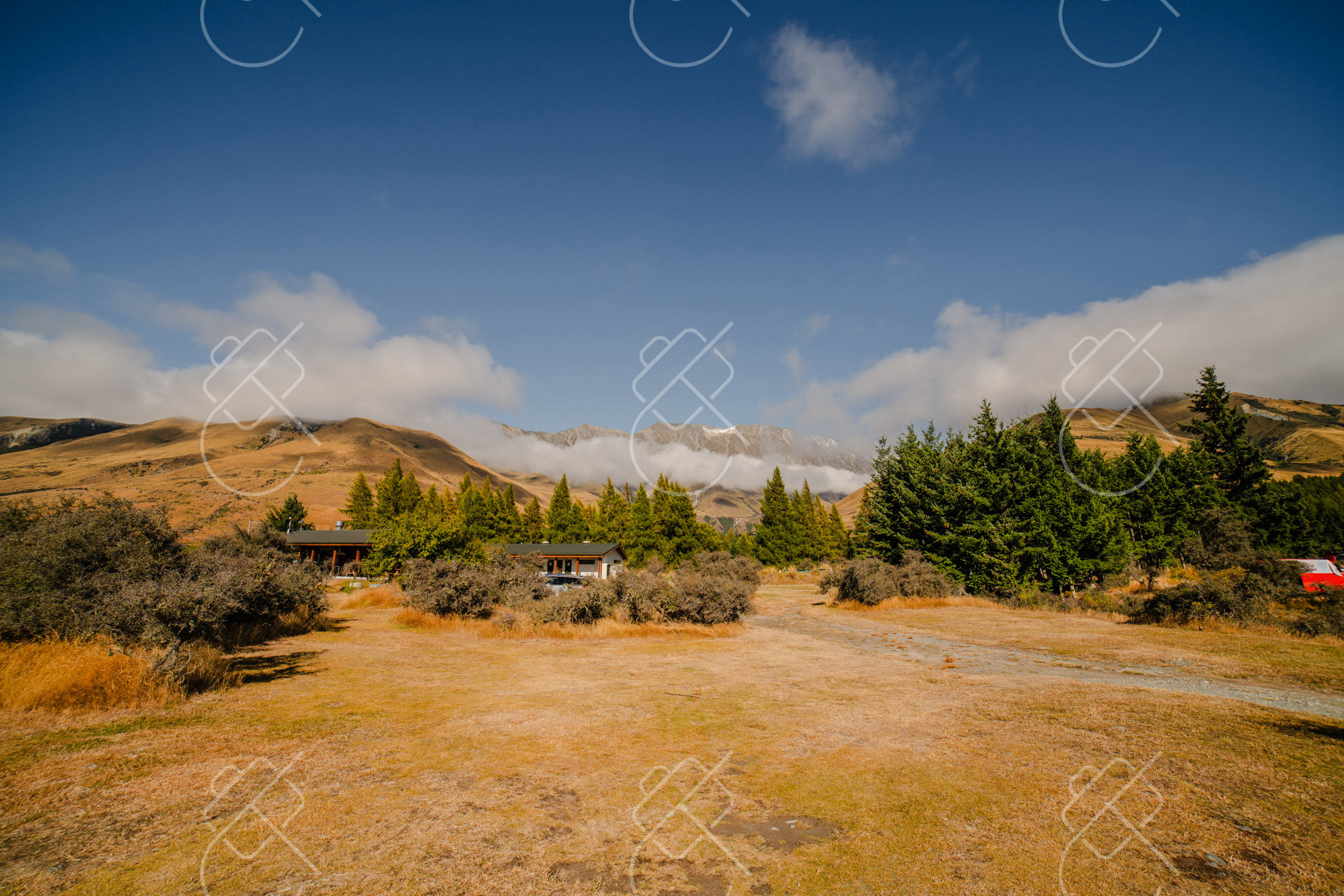
A campervan turns New Zealand into a country you set the pace for, not one measured out in single days. You can stay at Lake Pukaki until the light on the Southern Alps is right, add an extra night in Wanaka on a whim, or skip a stop entirely if the weather's wrong for it — none of which is possible on a fixed itinerary.
The tradeoff is real logistics. Freedom camping (parking overnight somewhere other than a paid holiday park) has been tightened significantly in recent years — most regions now require a certified self-contained vehicle, and popular areas like Queenstown restrict or ban it outright, which pushes van travelers toward paid holiday parks more often than the classic freedom-camping image suggests. Covering both islands also means booking the Cook Strait ferry between Wellington and Picton (about three and a half hours) ahead of time, since vehicle space sells out in the summer months. And New Zealand's roads themselves are part of the experience — narrow, winding, with single-lane bridges on plenty of scenic routes, which rewards a smaller van over a large motorhome if you're not used to the roads.
Our own route was built around specific South Island stops — Milford Sound, Wanaka, Glenorchy, Lake Pukaki, Fox Glacier, Christchurch — that only make sense with your own vehicle and your own schedule, so we self-drove rather than cruised. If New Zealand is genuinely one stop on a longer, multi-country cruise and a dedicated South Island trip isn't in the cards right now, the ship still gets you a real, dramatic look at Fiordland from the water — just don't expect it to substitute for actually driving the country.
No — a standard driver's license from home is enough for most rental campervans (an International Driving Permit is worth carrying depending on your home country and how long your license has been issued). Larger motorhomes above a certain weight class can have their own license requirements, which is worth confirming with the specific rental company before booking.
No — freedom camping rules have tightened considerably, and most regions now require a certified self-contained vehicle (with its own toilet and wastewater storage) to freedom camp at all. Popular areas including Queenstown restrict or ban it outright, so budget for paid holiday parks rather than assuming free overnight parking will be available everywhere.
Many do, since Milford Sound is deep enough for large ships and there's no real port there — but not every New Zealand cruise itinerary includes it, and some focus port calls on Auckland, Wellington, and Akaroa/Christchurch instead. Check the specific itinerary rather than assuming Fiordland is included.
Get the best deals on your New Zealand flight before fares rise — Expedia.