Home
About us
Destinations
Travel Guides
Recipes
Featured
Photos As Art
Abstract Prints
Locations
Travel Gear
Travel Resources
Favorites
Photo Framer
Explore Photos
Contact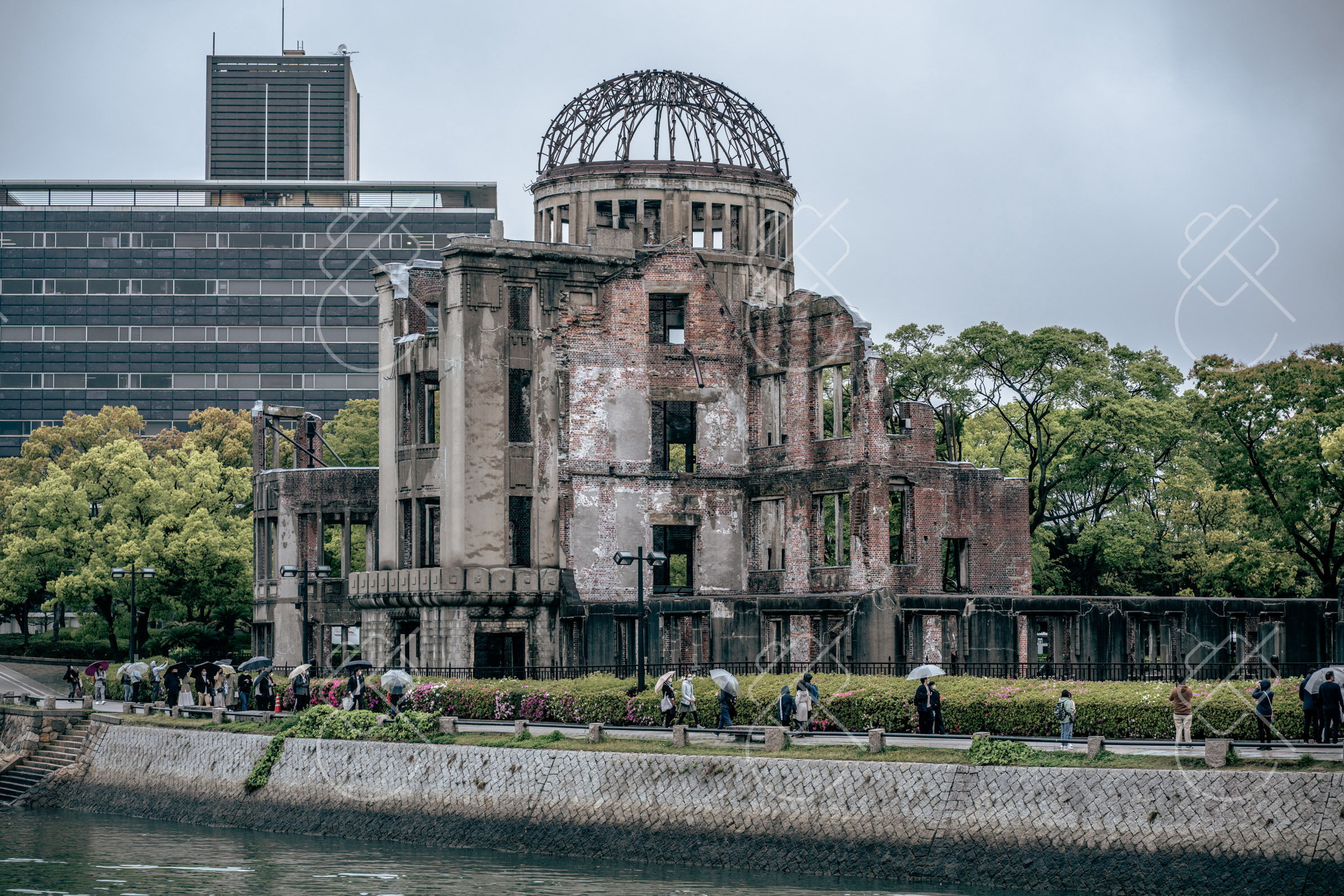 Attractions & day trips
Hiroshima and Miyajima work as a long day trip from Osaka or Kyoto. The Shinkansen takes about 1 hour 30 minutes from Shin-Osaka (about ¥10,400 to ¥11,000 one way for a reserved seat) and about 1 hour 40 minutes from Kyoto (about ¥11,100 to ¥11,700). A good plan is the Peace Memorial Park and Museum (¥200) in the morning, the train and JR ferry to Miyajima at midday, the floating torii and Itsukushima Shrine in the afternoon, and Hiroshima-style okonomiyaki before the last train back. Here is the timing, the fares, whether the JR Pass pays off, the ¥100 Miyajima visitor tax and how to read the tide table.
Published June 25, 2026
From Shin-Osaka, the Nozomi and Mizuho take about 1 hour 25 to 1 hour 30 minutes to Hiroshima, and the Sakura about 1 hour 30 to 1 hour 40. A reserved seat costs roughly ¥10,400 to ¥11,000 one way depending on the train and season; unreserved is about ¥10,000. From Kyoto, allow about 1 hour 40 minutes and ¥11,100 to ¥11,700 reserved. Most Kyoto trains are Nozomi, some stopping at Shin-Osaka on the way.
A day return from Osaka therefore costs about ¥21,000 to ¥22,000, or ¥22,000 to ¥23,500 from Kyoto. First trains leave Shin-Osaka around 6 am and the last trains back from Hiroshima run into the evening, so starting by 7 am gives you 10 or more hours on the ground; check the last train for your date before you set off. Book on the SmartEX app or at a ticket machine; our Shinkansen tickets and JR Pass guide explains how. During Obon (August 7 to 16 in 2026) and other peak periods all Nozomi seats are reserved-only, so book ahead.
Not for the day trip alone. The 7-day nationwide Japan Rail Pass costs ¥50,000 bought online, against about ¥22,000 for an Osaka to Hiroshima return. It only pays off when Hiroshima is one leg of a longer itinerary, such as Tokyo to Kyoto to Hiroshima and back within a week; see our 14-day Japan itinerary for how that fits.
If you do have a pass: it covers Sakura and Hikari trains on the Sanyo Shinkansen at no extra cost, the JR Sanyo Line to Miyajimaguchi and the JR Miyajima ferry. For the faster Nozomi and Mizuho, pass holders need a special supplement ticket, listed at ¥4,170 each way between Shin-Osaka or Kyoto and Hiroshima. The pass does not cover Hiroshima's streetcars or the private Matsudai ferry.
From Hiroshima Station, take streetcar line 2 or 6 from the platforms on the station building's second floor to Genbaku Dome-mae, about 15 minutes. Hiroden streetcars charge a flat ¥240 per adult in the city; tap an IC card such as ICOCA or Suica. The Atomic Bomb Dome stands by the river at the stop, and the park, cenotaph and museum are a short walk south across the bridge.
The Hiroshima Peace Memorial Museum costs ¥200 for adults (¥100 for high school students, free for younger children). It opens at 7:30 am and closes at 7 pm from March to July and September to November, 8 pm in August and 6 pm from December to February, and is closed December 30 to 31. Allow 1.5 to 2 hours. Lines can be long from mid-morning, and the early-morning and evening time slots for the permanent exhibition require an advance online web ticket, so arriving at opening or booking a slot online is the way to avoid queuing.
• JR Sanyo Line from Hiroshima Station to Miyajimaguchi: about 25 minutes, ¥420, covered by the JR Pass. This is the fastest option.
• Streetcar line 2 from the Peace Park area to Hiroden-Miyajimaguchi: ¥240, but it takes over an hour, so it only suits travelers already at the park with time to spare.
• Ferry from Miyajimaguchi pier: JR and Matsudai each run a 10-minute crossing for ¥200 one way plus the visitor tax. The JR ferry is covered by the JR Pass and, on some sailings, routes close to the Ōtorii gate for a view from the water.
• Direct boats from the Peace Park to Miyajima take about 45 minutes and cost about ¥2,400 one way; they are scenic but cost far more and are not covered by the pass.
Since October 1, 2023, Hatsukaichi City has charged a Miyajima visitor tax of ¥100 per person per visit (or ¥500 for an annual pass). It is added automatically to ferry tickets and IC card fares; JR Pass holders buy a separate ¥100 tax ticket at the ferry terminal. Residents, commuters, students on school trips and preschool children are exempt.
Itsukushima Shrine, a UNESCO World Heritage Site, is built on stilts over the tidal flat, and entry costs ¥300 for adults, cash. Hours change with the season (roughly 6:30 am to 6 pm in spring and summer, closing earlier from mid-October), so check before you go.
The Ōtorii gate looks like it floats when the tide is high, roughly above 250 cm on the Hiroshima tide table, and you can walk out to its base on the sand when the tide is low, roughly below 100 cm. High and low tide are about six hours apart, so with a full afternoon on the island you can often see both. Look up the tide times for your date on the Miyajima tourist association site before you fix your schedule. The gate's major restoration finished in December 2022.
With extra time, the Miyajima Ropeway climbs toward the summit of Mount Misen, but it adds two to three hours with the walk; on a day trip from Osaka, the shrine, the torii and the shopping street of Omotesando are enough.
Hiroshima-style okonomiyaki is built in layers on the griddle rather than mixed: a thin crepe, a heap of cabbage, bean sprouts and pork, a layer of yakisoba or udon noodles, and a fried egg, finished with sweet sauce. Okonomimura, a building near Hatchobori in central Hiroshima with about two dozen small okonomiyaki counters spread over several floors, is the classic place to try it, and there are more counters in and around Hiroshima Station so you can eat right before your Shinkansen.
On Miyajima itself, grilled oysters from Hiroshima Bay and momiji manjū (maple-leaf cakes filled with red bean paste) are the snacks sold along Omotesando. For a slower trip, our Osaka guide covers where to base yourself.
Yes. The Shinkansen takes about 1 hour 30 minutes from Shin-Osaka, so leaving around 7 am gives time for the Peace Memorial Museum in the morning and Miyajima in the afternoon before an evening train back.
About ¥10,400 to ¥11,000 one way for a reserved seat and about ¥10,000 unreserved, so roughly ¥21,000 to ¥22,000 for a day return.
Not on its own. The 7-day pass costs ¥50,000 against about ¥22,000 for an Osaka to Hiroshima return. Pass holders also need a ¥4,170 supplement ticket each way to ride the Nozomi.
¥200 one way on either the JR or Matsudai ferry, plus the ¥100 Miyajima visitor tax. The JR ferry is covered by the JR Pass, but pass holders still pay the ¥100 tax.
At low tide, roughly when the Hiroshima tide table shows below 100 cm. The gate appears to float above roughly 250 cm. Check the tide times for your date before you go.
¥200 for adults and ¥100 for high school students. It opens at 7:30 am and closes between 6 pm and 8 pm depending on the season.
Entry rules change, and they depend on your nationality — always confirm the current requirements on the official government site before you book or apply. Only use official government (.gov) portals; ignore look-alike agency sites.
Get the best deals on hotels in Hiroshima with Booking.com.