Home
About us
Destinations
Travel Guides
Recipes
Featured
Photos As Art
Abstract Prints
Locations
Travel Gear
Travel Resources
Favorites
Photo Framer
Explore Photos
Contact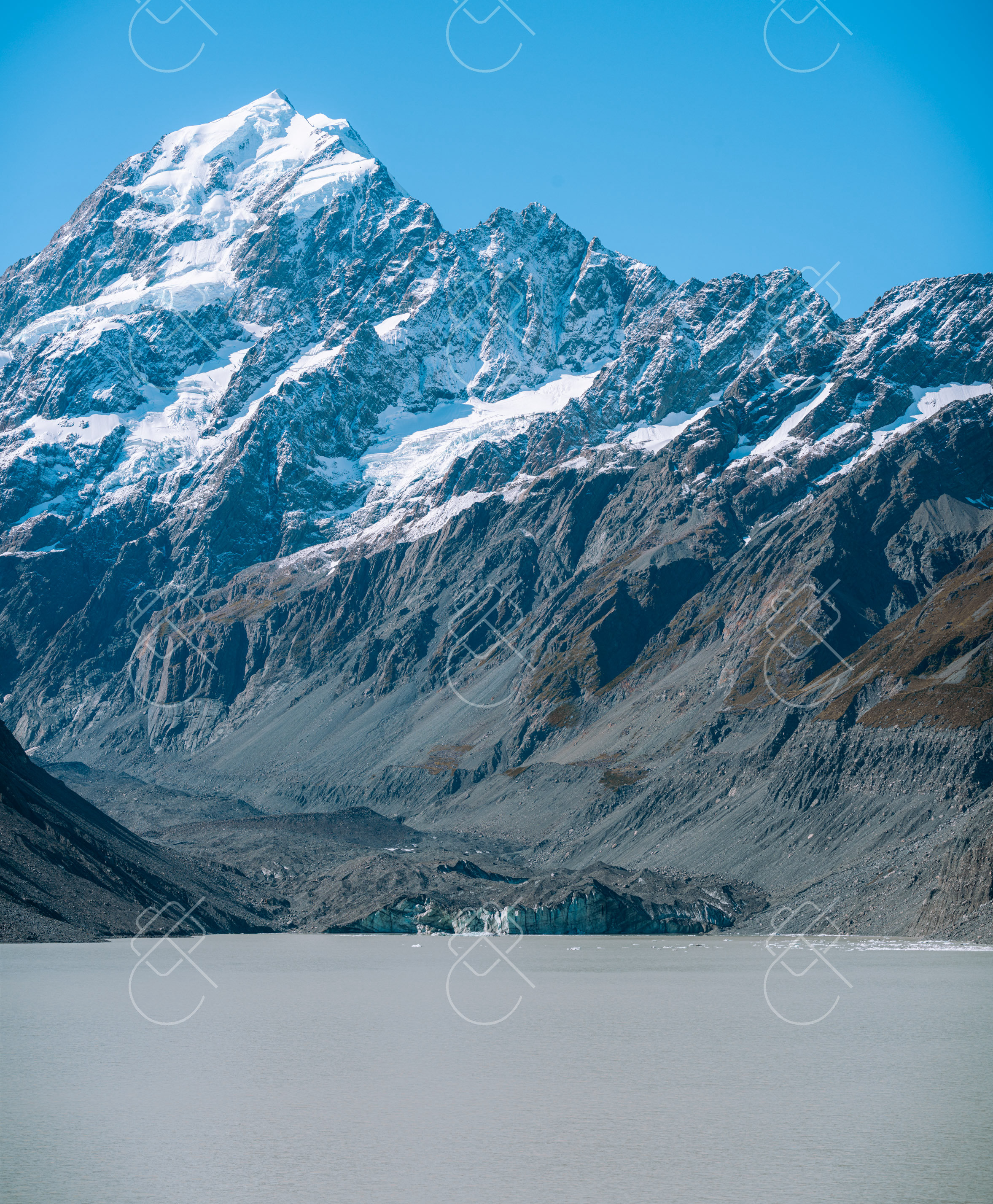 Destinations & Itineraries
Stretching across New Zealand's South Island Mackenzie Basin, Lake Pukaki is celebrated as one of the world's most strikingly vivid turquoise alpine lakes. Fed by glacial meltwaters pouring off the Southern Alps, the drive along State Highway 80 hugs the lake's western shoreline straight toward the snow-capped pyramid of Aoraki / Mount Cook.
Published October 17, 2026 · Last updated
First-time visitors often wonder whether photos of Lake Pukaki are digitally enhanced. The vibrant blue color is 100% natural, created by glacial flour (rock flour). As the Hooker and Tasman glaciers grind against granite bedrock high in the Southern Alps, they crush rock into microscopic mineral silt.
When suspended in the deep lake water, these tiny crystalline particles refract incoming sunlight, scattering wavelengths across brilliant shades of luminous cyan and electric turquoise.
Lake Pukaki Viewing Area & Visitor Centre: Located on the southern shore at the intersection of SH8 and SH80, this stop offers sweeping panoramic lake vistas, clean restrooms, and the famous Mount Cook Alpine Salmon shop selling sashimi sliced fresh from glacial canals.
Peter's Lookout: Situated roughly 15 minutes north along SH80, this elevated headland viewpoint provides the definitive postcard shot: the winding ribbon of highway framing the azure shoreline directly toward the summit of Mount Cook.
Because Lake Pukaki sits within pristine conservation reserves, freedom camping is strictly regulated. Overnight camping at the main southern visitor parking area is prohibited.
Certified self-contained campervans can utilize designated Department of Conservation (DOC) freedom camping zones at the Lake Pukaki Overnight Campervan Reserve (located on Hayman Road along the eastern shore) for up to 2 nights. Always practice 'Leave No Trace' and ensure all greywater remains contained.
At the end of SH80 (roughly 55 km from the lake turnoff) lies Mount Cook Village, the trailhead for iconic day hikes like the Hooker Valley Track (a flat 3-hour return walk crossing three swing bridges to iceberg-filled Hooker Lake).
Weather in the Southern Alps changes rapidly: clear mornings can swiftly give way to gale-force winds and alpine cloud cover. Check MetService mountain forecasts before departure and carry windproof outer layers.
Entry to the national park is free today, but that may change for overseas visitors. The Conservation Amendment Bill, introduced in May 2026 and still before Parliament's select committee, would let the Department of Conservation charge international visitors at busy sites, starting with Aoraki / Mount Cook, Milford Sound, the Tongariro Alpine Crossing and Cathedral Cove. New Zealanders would stay exempt. DOC is aiming for summer 2027/28 at the earliest, and the price has not been set. Track it in New Zealand national park fees 2027.
Not yet. Aoraki / Mount Cook and New Zealand's other national parks are currently free to enter. A bill before Parliament would let the government charge international visitors at a few busy sites, including Aoraki / Mount Cook, from summer 2027/28 at the earliest; the amount is not final.
At the Mount Cook Alpine Salmon shop inside the Lake Pukaki Information Centre, which serves king salmon raised in fast-flowing glacial waters.
Lake Pukaki is roughly 2.5 hours driving from Queenstown (via the Lindis Pass) and about 3.5 to 4 hours from Christchurch.
Search verified local fleets with low security deposits and exact model delivery on Localrent.
Get the best deals on New Zealand hotels before they're gone — see Booking.com.