Home
About us
Destinations
Travel Guides
Recipes
Featured
Photos As Art
Abstract Prints
Locations
Travel Gear
Travel Resources
Favorites
Photo Framer
Explore Photos
Contact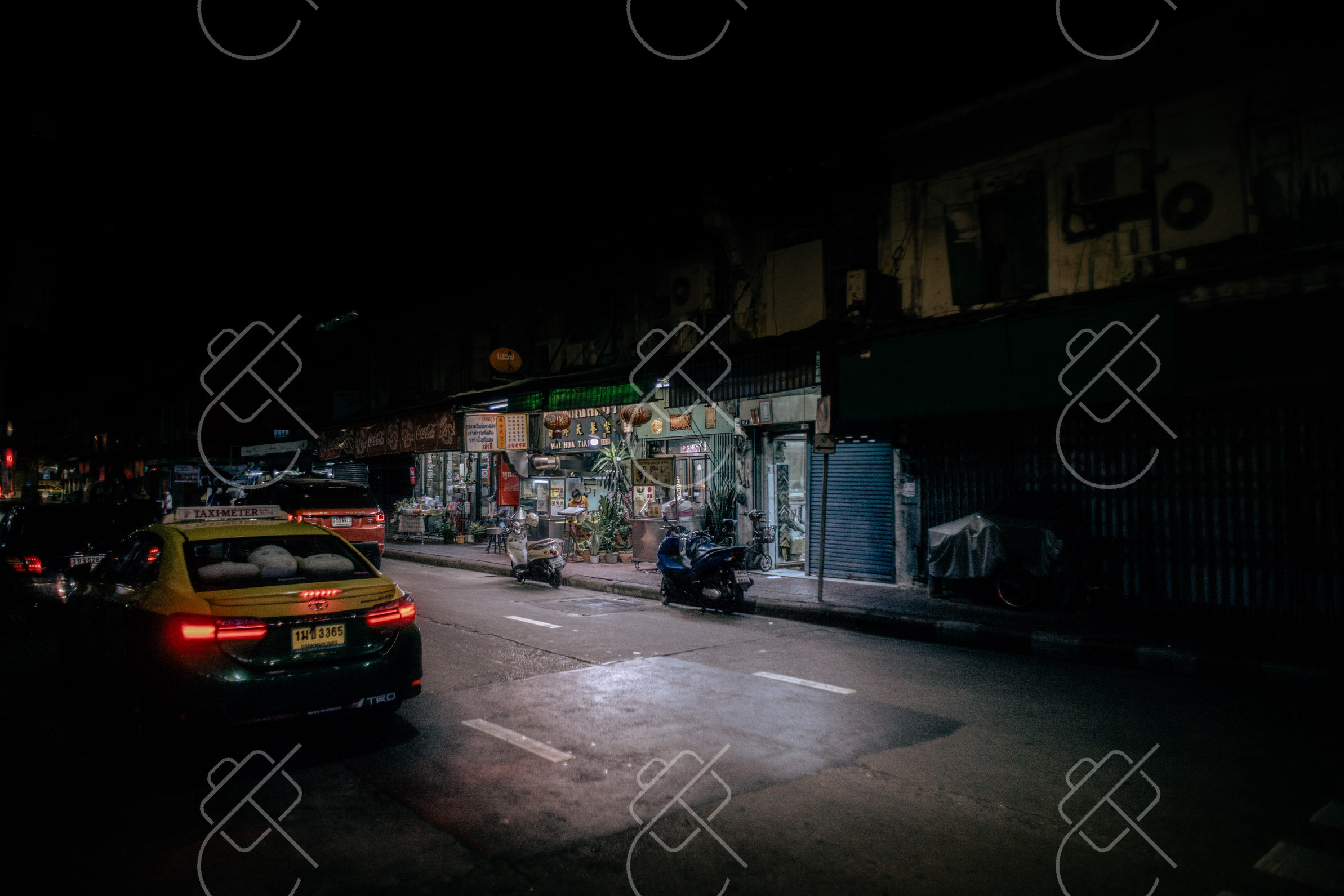 Transit & logistics
Bangkok’s legendary street grid is an energetic swirl of pink, yellow, and green metered taxis, roaring tuk-tuks, motorbike couriers, and modern rideshare fleets. While getting around the Thai capital is remarkably affordable, tourists frequently encounter taxi drivers refusing the meter or steering them toward commission-kickback gem shops. Here is how to navigate rides seamlessly and affordably.
Published October 2, 2026
Downloading rideshare apps eliminates language barriers, sets fixed upfront pricing, and bypasses the hassle of street price negotiations:
Grab: The Southeast Asian giant and most reliable platform. Grab offers upfront pricing linked directly to foreign credit cards, top-tier safety tracking, English-speaking driver translation chat, and authorized pickup points at Suvarnabhumi (BKK) and Don Mueang (DMK) airports. Prices are slightly higher during rush hour due to dynamic surge pricing.
Bolt: Rapidly growing across Thailand with ride fares typically 20% to 30% cheaper than Grab. The trade-off: fewer drivers during heavy monsoon downpours, occasional cancellations, and you often need to pay drivers in cash (Thai Baht) unless you register a local bank card.
If you hail a brightly painted sedan on the street (pink, green-yellow, blue), always ask before getting in: "Meter, dai mai khrap/ka?" (Will you turn on the meter?).
• If the driver says "Yes" and taps the meter display (starting at 35 to 40 THB), get in. By Thai law, taxi drivers must use the meter.
• If the driver quotes a flat rate like "300 baht! Very cheap!" or claims "traffic is bad, meter broken," decline politely with a smile, close the door, and flag the next car. A typical metered ride through central Bangkok costs between 70 and 150 THB.
When driving across Bangkok between Sukhumvit, Silom, the Old City (Rattanakosin), or the airports, drivers will often ask: "Sir, expressway?" or "Tollway?"
Always say yes during rush hour (7:30–10:00 AM and 4:30–8:00 PM). Elevated expressways bypass gridlocked surface intersections. Toll booths cost between 25 and 75 THB each. Hand the driver small cash bills as you approach the toll gate; they will pay the attendant and hand you exact change and toll receipts immediately.
Tuk-tuks are an exhilarating, open-air Bangkok experience for short scenic hops, but they operate as novelty tourist rides without meters. Agree on a firm price before your feet leave the sidewalk.
The "Palace is Closed" Scam: Any friendly stranger or tuk-tuk driver near Wat Phra Kaew (Grand Palace) or Wat Pho who tells you the complex is "closed for Buddha Day" and offers a 20-baht tour to a "special lucky temple" is taking you on a circuit to tailored suit shops and export jewelers who pay them fuel vouchers. Smile, say "No thank you," and walk straight to the official ticket gate.
Review proper temple attire in our Thailand Temple Dress Code Guide and check Do I Need a Visa to Visit Thailand?.
Yes, Grab has official designated passenger pickup bays on the 1st floor (Gate 4) at Suvarnabhumi Airport, with staff assisting passengers.
Almost no street taxis accept international credit cards. Always carry small Thai Baht cash bills (20, 50, and 100 THB) as drivers rarely have change for 1,000 THB notes.
Motorbike taxis (identifiable by orange vests or booked via GrabBike/Bolt) are the fastest way through gridlock, but carry high traffic risks. Always wear the passenger helmet provided.
Tipping is not customary in Thailand; locals round up to the nearest 10 or 20 THB note (e.g. paying 90 THB on an 82 THB fare). See our Thailand tipping guide for complete norms.
Get the best deals on where to stay in Thailand — Hotels.com.