Home
About us
Destinations
Travel Guides
Recipes
Featured
Photos As Art
Abstract Prints
Locations
Travel Gear
Travel Resources
Favorites
Photo Framer
Explore Photos
Contact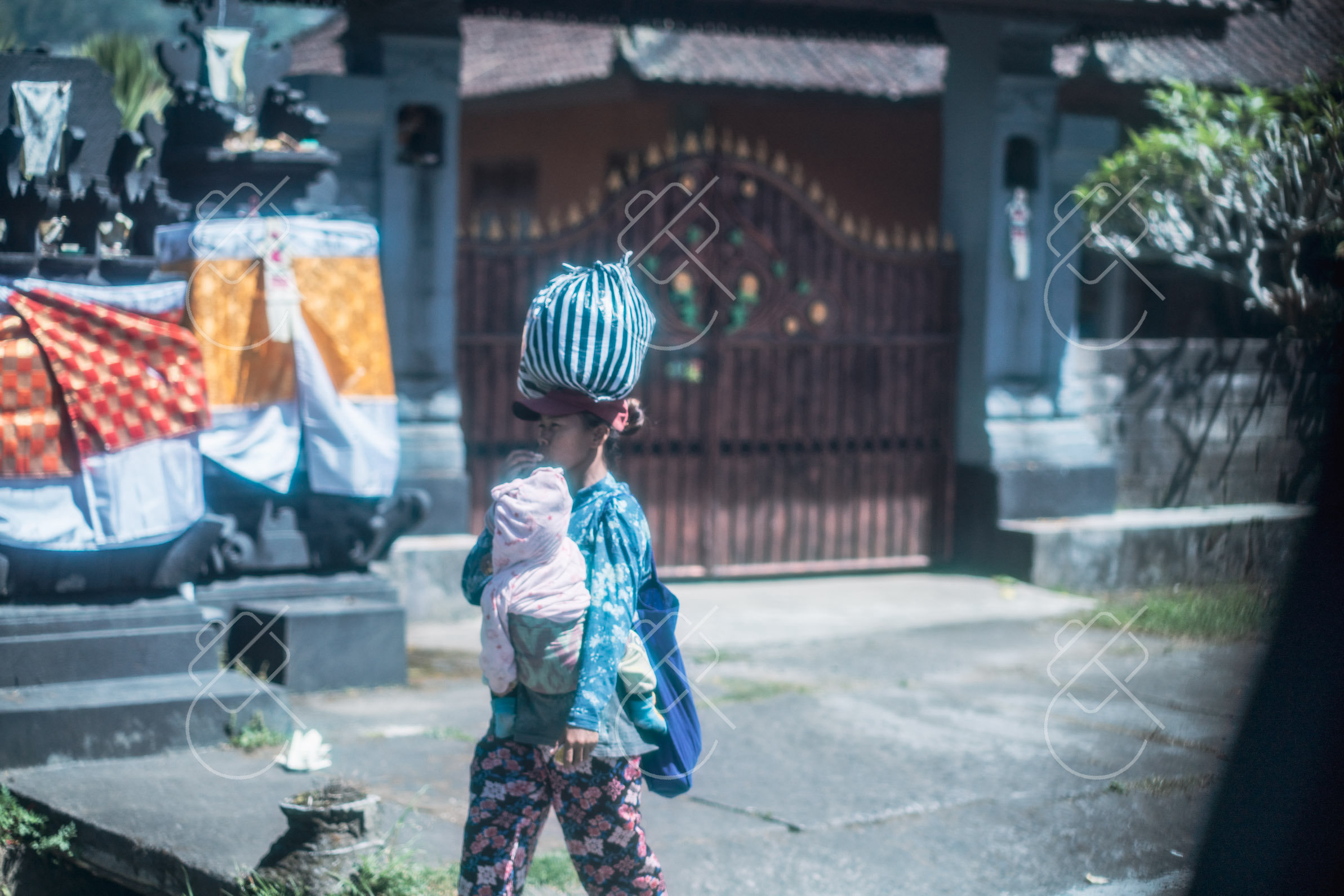 Etiquette & Customs
Bali's ancient sea temples and mountain sanctuaries—from Uluwatu perched on sea cliffs to Besakih on the slopes of Mount Agung—are active spiritual centers of Balinese Hinduism (Agama Hindu Dharma). Visiting these sacred grounds requires mindful cultural respect and adherence to time-honored customs.
Published October 7, 2026
All visitors, regardless of gender, are required to wear a traditional sarong (kamben) covering the legs below the knee when stepping past the split gates (candi bentar) into temple courtyards.
Equally vital is the temple sash (selendang), tied snugly around your waist over the sarong. In Balinese philosophy, the sash symbolically separates lower animalistic impulses from the upper, spiritual half of the human body. Sarongs and sashes are commonly provided or rented for a nominal donation at temple ticket booths.
While beach towns like Seminyak and Canggu embrace swimwear and tank tops, sacred grounds demand covered shoulders and chest. Lightweight linen shirts, modest short-sleeve tees, or lightweight cardigans are ideal in Bali's tropical heat.
Wear comfortable walking shoes or sandals that slip on and off easily, as specific inner prayer pavilions and holy water courtyards require visitors to step out of their footwear before entering.
During active temple festivals (Odalan) or holy days like Galungan, local villagers gather in intricate white and golden ceremonial attire to deliver woven offerings (canang sari). Never step directly over an incense-burning offering placed on the stone floor.
Never position your head higher than a praying priest (pemangku) or step onto elevated stone shrines (bale). If locals are seated on mats in prayer, remain standing respectfully behind them and never walk across the space between worshipers and the central altar.
Balinese temples maintain strict spiritual purity rules (sebel). Anyone with bleeding wounds, including menstruating women, is culturally asked to refrain from entering temple grounds out of respect for ritual sanctity.
Similarly, grieving individuals who have recently experienced a death in their immediate family wait until purification ceremonies conclude before visiting shrines. Treat these traditional requests with genuine courtesy when exploring the island.
Best deals on Bali hotels this week — check Booking.com.