Home
About us
Destinations
Travel Guides
Recipes
Featured
Photos As Art
Abstract Prints
Locations
Travel Gear
Travel Resources
Favorites
Photo Framer
Explore Photos
Contact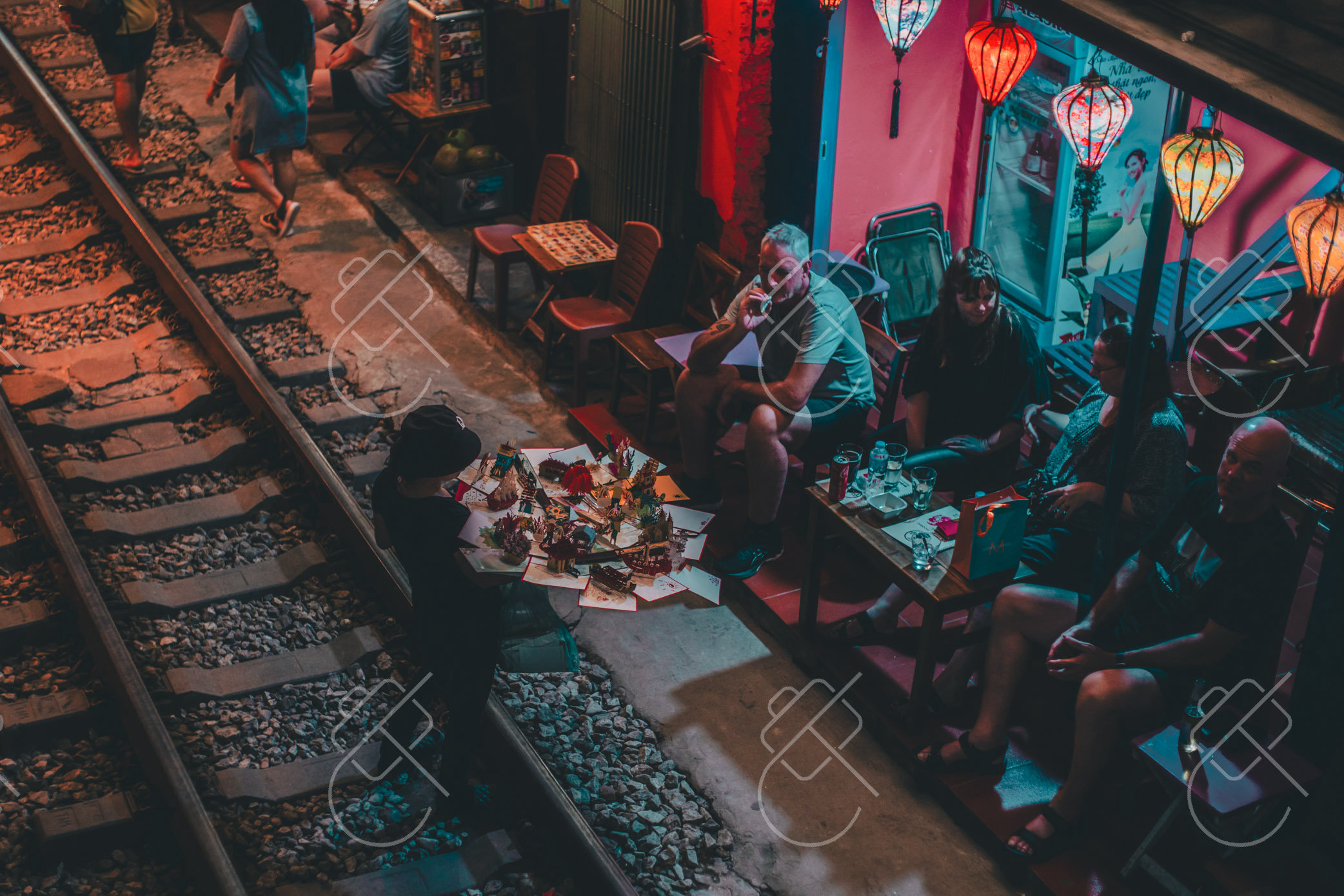 Attractions & day trips
Hanoi Train Street is officially restricted but not sealed off: the authorities have banned business on the tracks since 2019, have told tour companies not to bring groups (again in 2025 and January 2026), and police put up barriers at the Tran Phu and Phung Hung entrances, yet cafés along the line still let paying customers in to watch trains pass. In February and March 2026 Hanoi and the Ministry of Construction agreed to stop freight and reduce passenger trains on the main café stretch, a plan that would eventually leave the famous section with no passenger trains at all. Here is what that means if you visit now.
Published July 30, 2026
• October 2019: after a train had to stop to let crowds clear the tracks, Hanoi ordered the cafés on the Phung Hung and Tran Phu stretch to close, police set up barriers and checkpoints, and 68 cafés were fined a total of about 153 million dong for encroaching on the railway corridor.
• 2022–2023: after the area filled up again, the city moved to revoke café business licences, and the Hanoi Department of Tourism told travel companies not to organise tours there. The cafés reopened informally anyway.
• March 2025: the Department of Tourism again asked agencies not to run tours to the Train Street area in Cua Nam, Hang Bong and Cua Dong wards, citing railway safety.
• January to March 2026: Hanoi proposed ending passenger trains through the café street and repeated its request to tour operators. On 27 February 2026 the Ministry of Construction and the city agreed to stop freight and reduce passenger and tourist trains on the Hanoi–Gia Lam section, and a 2 March letter asked for the supporting work to be completed before July 2026.
As of autumn 2026, travellers still report trains passing and cafés serving drinks on the Phung Hung / Tran Phu stretch, although entrances can be blocked and access often depends on a café owner walking you in. We could not find any public confirmation that the July 2026 target was met or that passenger trains have stopped on that section, so the situation is in transition. Before you go, ask your hotel or a café whether trains are still running that day.
Under the plan, northbound passenger trains would end at Gia Lam across the river and southbound ones at Hanoi Station, with free shuttles between the two. Before the cuts the section carried four pairs of daily Hanoi–Hai Phong trains and two pairs of Hanoi–Lao Cai trains, plus freight. Once those trains stop, the café street becomes a street with tracks and no trains.
The quieter Le Duan / Kham Thien section south of Hanoi Station is on the North–South line used by the Reunification Express and is not part of the Hanoi–Gia Lam plan. It has fewer cafés and generally less policing.
There is no fixed timetable for visitors, and trains are often late. Most pass in the evening, with a few in the morning and around midday, and weekends have more. Cafés post or tell you the day's train times, and they are usually more reliable than lists online. Vietnam Railways' own timetable (trains departing Hanoi toward Long Bien, Hai Phong or Lao Cai, and arrivals from them) is the best cross-check.
In practice you need to buy a drink to sit at a café; walking the tracks without being a customer is what the police and owners stop. Expect to pay in cash, and agree the price before ordering if it is not on a menu. When a train is due, the owner will move you and your stool back against the wall. Do exactly what they say.
The clearance between the train and the houses is barely a metre in places. People have been hit, and drivers have had to brake for tourists on the tracks.
• Stay seated against the wall from the moment the café calls the train until it has fully passed.
• Never stand on the rails, put a phone or selfie stick over them, or lay objects on the track.
• Do not push past barriers or argue with police; if an entrance is closed, it is closed that day.
• Keep small children well back and hold onto loose bags and hats.
• Le Duan section: the same tracks-between-houses scene with a few cafés, on the line unaffected by the 2026 plan.
• Long Bien Bridge: the French-era railway bridge over the Red River, which you can walk along on the side paths and where the trains also cross.
• Ride the train yourself: a Hanoi–Hai Phong or overnight Lao Cai train rolls through the old quarter while it still runs, and the Reunification Express south leaves from Hanoi Station. Our Vietnam train travel guide covers booking.
Fit it into a short stay with our 3 days in Hanoi itinerary.
Officially, business on the tracks has been banned since 2019 and police barriers block some entrances, but cafés still let customers in and trains still passed in 2026. A 2026 plan would reduce and eventually end passenger trains on the main stretch.
Yes. Tour companies have been told not to run tours there, so most visitors go independently and enter through a café, buying a drink to sit.
There is no fixed schedule for visitors and trains are often late. Most pass in the evening, with a few in the morning and around midday, and weekends have more. Ask the café for that day's times.
Probably on the Phung Hung section. In February 2026 Hanoi and the Ministry of Construction agreed to stop freight and reduce passenger trains, with northbound trains to terminate at Gia Lam. Implementation dates had not been publicly confirmed as of autumn 2026.
It can be: clearance is barely a metre and people have been hit. Stay seated against the wall when a train is called and never stand on or lean over the rails.
Entry rules change, and they depend on your nationality — always confirm the current requirements on the official government site before you book or apply. Only use official government (.gov) portals; ignore look-alike agency sites.
Looking for the best deals on Vietnam hotels? Check Booking.com.