Home
About us
Destinations
Travel Guides
Recipes
Featured
Photos As Art
Abstract Prints
Locations
Travel Gear
Travel Resources
Favorites
Photo Framer
Explore Photos
Contact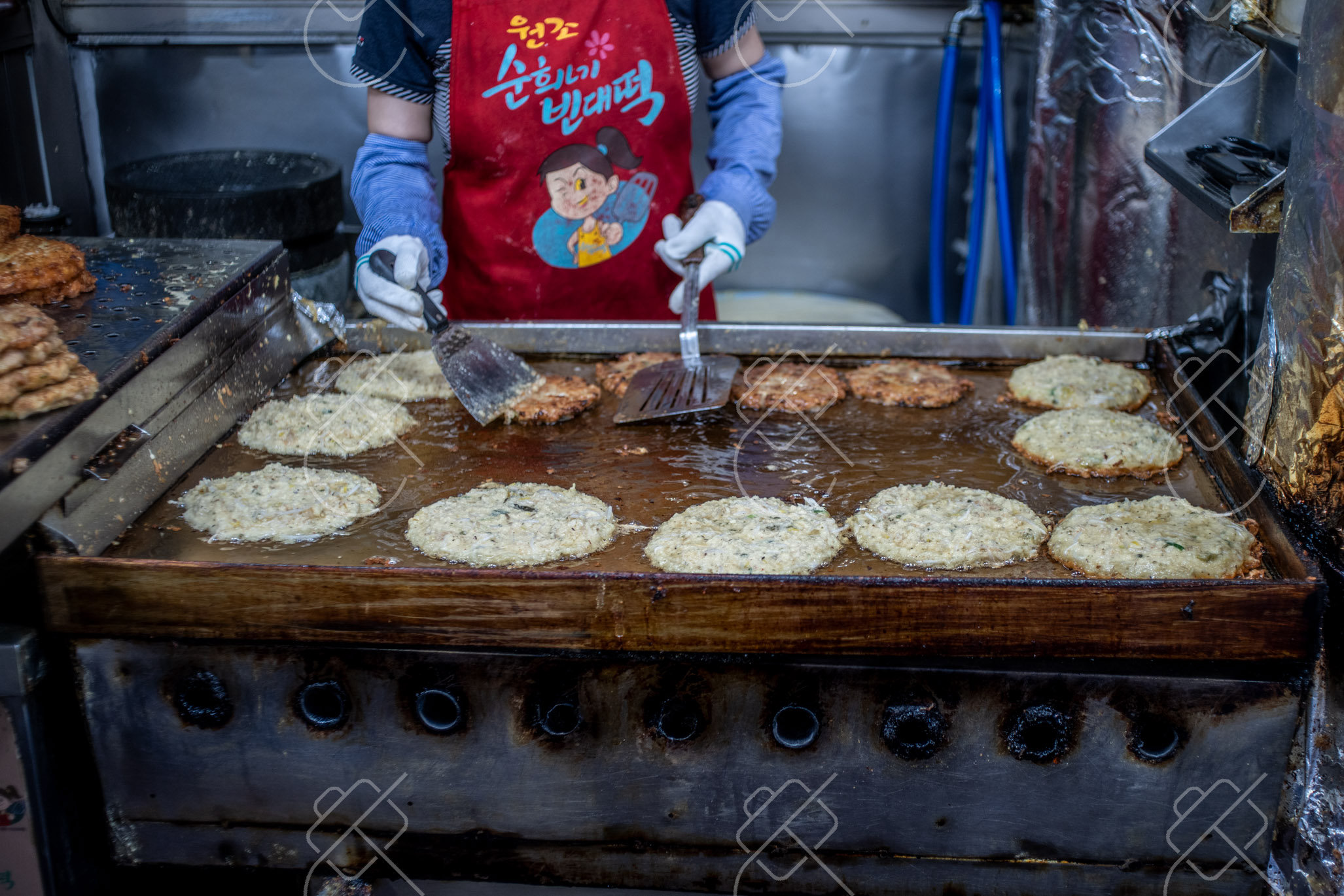 Food & culture
Seoul is an undisputed world capital of late-night street food culture. From sizzling cast-iron griddles underneath steaming canvas food tents (pojangmacha) to neon-lit pedestrian alleys packed with bubbling skewers, grazing through Seoul's night markets is an unforgettable culinary adventure. Knowing which market to choose and what dishes to order makes all the difference.
Published October 2, 2026
Gwangjang Market (광장시장): Seoul's oldest continuous daily market (dating back to 1905) and the definitive destination for authentic, heritage Korean comfort food. Packed with local grandmothers (ajummas) cooking seated at wooden benches around central hot food aisles. Best for lunch, dinner, and rainy days.
Myeongdong Night Market: An energetic, modern open-air feast that erupts along the pedestrian shopping avenues every evening around 5:00 PM. Highly international, trendy, and geared toward sweet and savory snacks you can eat while strolling between skincare boutiques.
1. Bindaetteok (빈대떡): Crispy, savory pancakes made from freshly stone-ground mung beans fried in piping-hot oil, served with pickled onions in soy vinegar (~5,000 KRW).
2. Mayak Kimbap (마약김밥): 'Narcotic' mini seaweed rice rolls stuffed with pickled radish, spinach, and carrot, brushed with fragrant sesame oil and dipped in fiery hot mustard sauce (~3,000 KRW).
3. Yukhoe (육회): Premium Korean beef tartare tossed with sesame oil, julienned sweet Asian pear, and crowned with a raw egg yolk. Head to 'Yukhoe Alley' behind the market.
4. Tteokbokki (떡볶이) & Sundae (순대): Thick, chewy cylinder rice cakes braised in sweet gochujang chili sauce paired with Korean blood sausage.
5. Kalguksu (칼국수): Knife-cut wheat noodles in steaming anchovy broth, made famous on Netflix's Street Food Asia at Cho Yon-sun's stall.
• Grilled Cheese & Rice Cake Skewers: Thick logs of mozzarella alternated with tteokbokki, torched and drizzled with sweet condensed milk (~5,000 KRW).
• Lobster Tails with Melted Cheese: Fresh lobster tails split and broiled with garlic butter and blowtorched mozzarella (~15,000–20,000 KRW).
• Gyeran-ppang (Egg Bread): Sweet, warm oval cornmeal sponge cake baked with a whole steamed egg on top (~2,500 KRW).
• Hotteok (호떡): Chewy fried dough pancakes stuffed with brown sugar, cinnamon, and crushed peanuts that melt into molten syrup.
While Myeongdong street carts increasingly accept mobile payments and credit cards, Gwangjang Market food stalls operate almost strictly on cash (KRW). Carry small bills (1,000, 5,000, and 10,000 won notes).
During winter months, the bench seats at Gwangjang stalls are electrically heated underneath the vinyl cushions! When finishing a stall meal, place your empty plates and used paper cups onto the upper counter edge so the ajumma can quickly wipe down your seat for the next waiting customer. Combine your visit with our Seoul Transit Guide.
Gwangjang food stalls open around 9:00 AM and operate until roughly 10:00 PM or 11:00 PM every day. Fabric and vintage clothing shops on the second floor close earlier, around 6:00 PM.
Yes, Myeongdong prices are roughly 20% to 40% higher than traditional markets like Gwangjang or Mangwon due to its prime tourist real estate and novelty ingredients.
Yes, stalls openly sell cold bottles of Cass beer and traditional Korean rice wine (makgeolli) served in brass bowls, which pairs perfectly with crispy bindaetteok.
Take Seoul Subway Line 1 to Jongno 5-ga Station (Exits 7, 8, or 9) or Line 2/Line 5 to Euljiro 4-ga Station (Exit 4).
Get the best deals on flights and hotels to South Korea on Expedia.