Home
About us
Destinations
Travel Guides
Recipes
Featured
Photos As Art
Abstract Prints
Locations
Travel Gear
Travel Resources
Favorites
Photo Framer
Explore Photos
Contact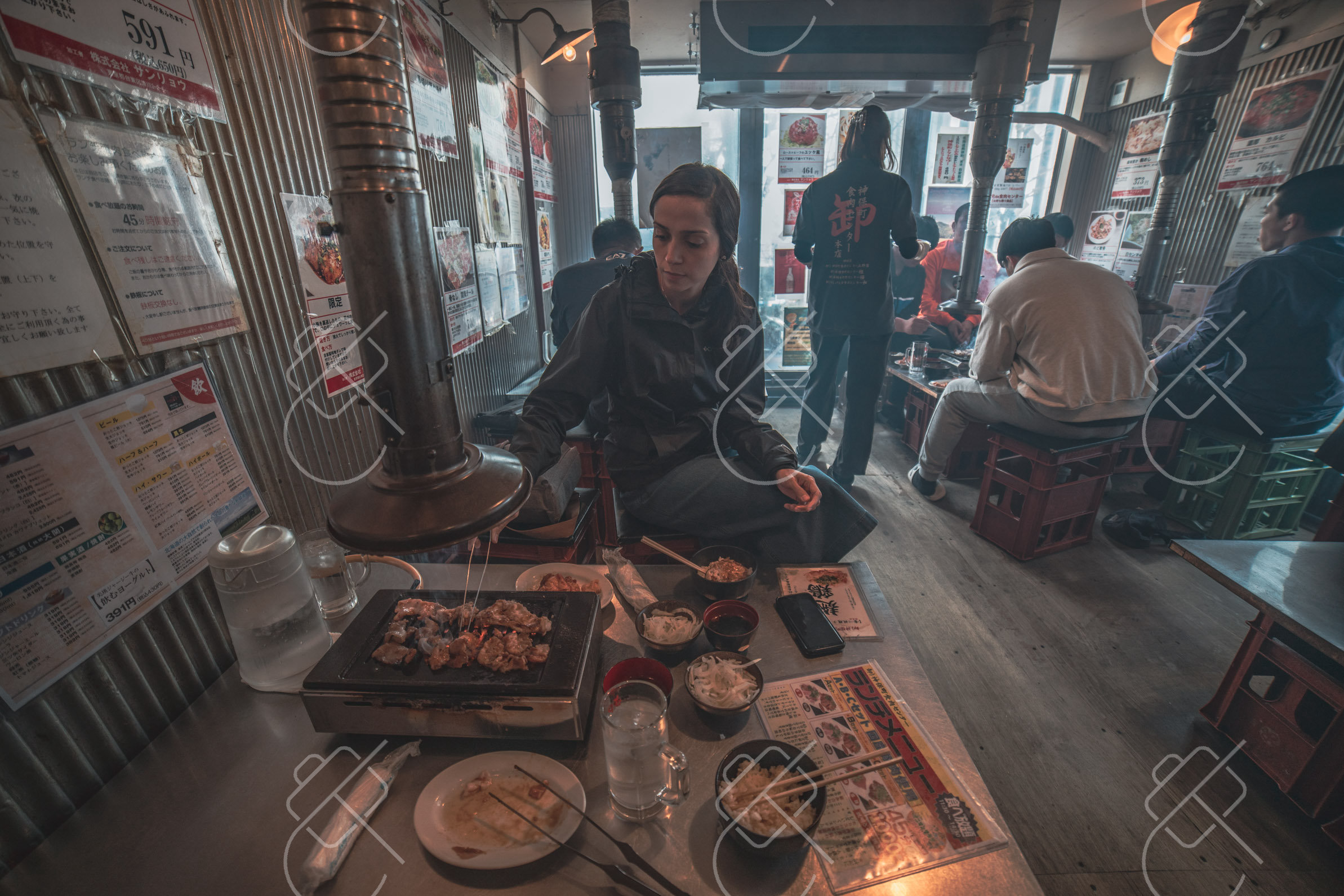 Etiquette & Culture
You do not tip in Japan or South Korea. In restaurants, cafes, bars, taxis and hotels you pay the amount on the bill and nothing more, and in Japan cash left on the table is often brought back to you. Where service is charged, it is built into the price: first-class hotels in Japan add a 10% to 15% service charge, many upscale hotels in Korea add 10% plus tax, and Japanese izakaya add a small per-person table charge called otōshi. The real exceptions are narrow: an optional envelope at a high-end ryokan and, sometimes, a private guide. Here is how each situation works.
Published September 3, 2026
Japan's national tourism organization (JNTO) states plainly that it is not common to tip in bars, cafes, restaurants, taxis or hotels. Staff are paid to give good service, and an extra ¥1,000 note can cause awkwardness rather than gratitude. In small restaurants a server may chase you down the street to return the money you left.
South Korea works the same way. Tipping is not part of everyday life in restaurants, cafes, Korean barbecue places or taxis, and nobody expects it. In both countries the polite thing is to pay at the register (in Japan you usually take the bill to the counter yourself) and say thank you: gochisōsama deshita in Japan, jal meogeosseumnida or simply kamsahamnida in Korea.
• Restaurants and cafes: no tip in either country.
• Bars and izakaya: no tip, but expect a table charge in Japan (see below).
• Taxis: no tip. Rounding up a few hundred won or yen is fine but not expected.
• Hotel staff, porters and housekeeping: no tip in Japan; in Korea a small tip at an international hotel is accepted but not required.
Instead of tips, both countries fold service into the bill. JNTO notes that first-class hotels in Japan may add a 10% to 15% service charge on top of the 10% consumption tax, and some upscale restaurants and hotel restaurants do the same. In Korea, many upscale hotels quote rates with a 10% service charge plus tax, and some expensive restaurants add 10% too. If you see a service charge on the bill, that is the tip; you do not add more.
The charge that surprises most visitors is the Japanese otōshi (called tsukidashi in the Kansai region): a small appetizer you did not order, set down when you sit at an izakaya and billed per person, usually a few hundred yen. It is a table charge, not a scam and not a tip, and you cannot normally refuse it. Some bars add a similar seat charge. Korea has nothing equivalent; the free side dishes (banchan) that come with a Korean meal are included, and refills are normally free.
The one custom that resembles tipping in Japan is kokorozuke, a gift of money for the room attendant (nakai-san) at a traditional ryokan. JNTO describes it as customary only at top luxury ryokan, where a guest gives it when the attendant first serves tea in the room. At ordinary ryokan, business hotels and guesthouses it is not expected at all, and many modern ryokan politely decline it.
If you do give it, never hand over loose cash. Put a crisp note in a small envelope (a pochibukuro, sold at convenience stores and stationers) or fold it inside paper, and hand it over with both hands early in your stay, with a word of thanks for looking after you. Amounts commonly mentioned are ¥1,000 to ¥3,000, but this is entirely optional. Read our Japan etiquette mistakes guide before a ryokan stay; slippers and bath rules matter far more than money.
JNTO lists tour guides and interpreters among the few people who sometimes receive a gratuity in Japan. Guides who mostly work with foreign visitors are used to the idea, and a thank-you in an envelope at the end of a private full-day tour is a kind gesture, not an obligation. For a group bus tour or a free walking tour run by volunteers, a sincere thank-you is enough; some volunteer guides will refuse money but accept a small gift from home.
Private drivers, golf caddies and a few luxury services follow the same pattern: optional, discreet and always in an envelope. In Korea, tipping a private tour guide or driver is likewise optional; small tips of around 1,000 to 2,000 won for a porter at an international hotel are accepted but not expected.
Good manners count for more than money in both countries. Pay with the tray if there is one (in Japan cash goes on the small tray at the register, not into the cashier's hand), take your trash with you where there are no bins, keep your voice down on trains and follow dress rules at religious sites; our temple and shrine dress code guide for Japan and South Korea covers what to wear.
If someone goes out of their way for you, such as a ryokan host who arranges a taxi or a guide who stays late, a small gift from your home country or a handwritten thank-you note is the most appreciated response. Online reviews naming the person also help small businesses more than a tip would.
It is not offensive, but it is not done and can cause confusion. In restaurants, taxis and hotels you pay the bill as printed, and staff may return money you leave behind.
No. Tipping is not expected in Korean restaurants, cafes or barbecue places. Some upscale restaurants and hotels add a 10% service charge, which replaces a tip.
Otōshi is a small appetizer served automatically at an izakaya and charged per person, usually a few hundred yen. It is a table charge, not a tip, and you normally cannot refuse it.
Only optionally, and mainly at top luxury ryokan. If you do, put ¥1,000 to ¥3,000 in an envelope and give it to the room attendant early in your stay. Many ryokan decline it.
It is optional. Guides and interpreters are among the few people who sometimes receive a gratuity, usually in an envelope at the end of a private tour. A thank-you is enough on group tours.
Entry rules change, and they depend on your nationality — always confirm the current requirements on the official government site before you book or apply. Only use official government (.gov) portals; ignore look-alike agency sites.
Best deals on Japan hotels this week — check Booking.com.