Home
About us
Destinations
Travel Guides
Recipes
Featured
Photos As Art
Abstract Prints
Locations
Travel Gear
Travel Resources
Favorites
Photo Framer
Explore Photos
ContactWhile millions of international visitors head straight to the Adriatic coastline for Split and Dubrovnik, Croatia's vibrant inland capital of Zagreb offers one of Central Europe's most walkable, cultured, and charming city breaks. Nestled between the slopes of Mount Medvednica and the Sava River, Zagreb is a tale of two distinct historic districts: the medieval hilltop cobbles of Gornji Grad (Upper Town) with gas-lit lanterns and colorful church roofs, and the stately 19th-century Austro-Hungarian boulevards, public parks, and lively open-air terrace cafes of Donji Grad (Lower Town).
Published October 18, 2026
Tap any photo to open it full-screen and order a print.

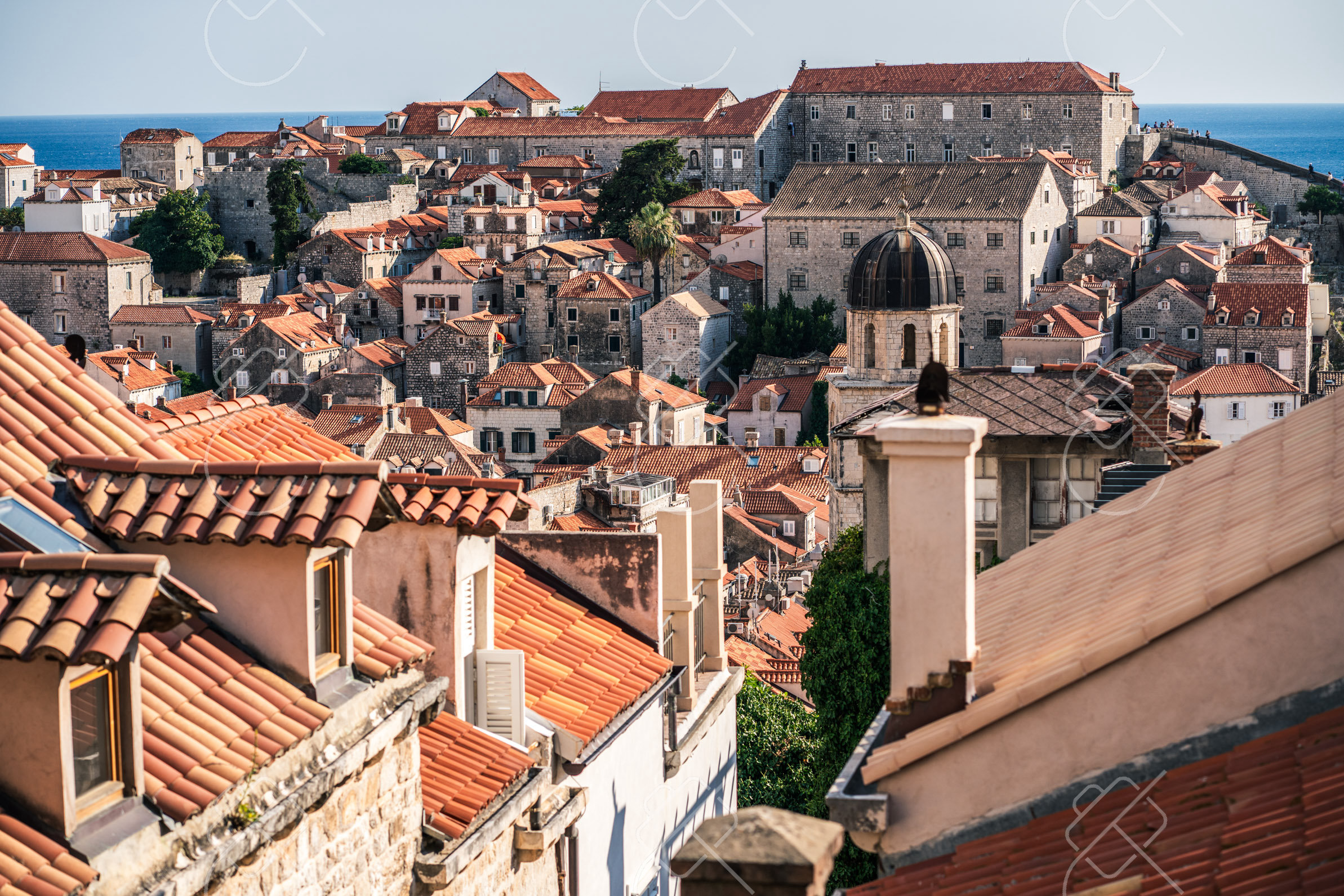
Croatia's cultured capital, where red-tile roofs, medieval hilltop gates, and Austro-Hungarian park squares meet a passionate open-air cafe lifestyle.
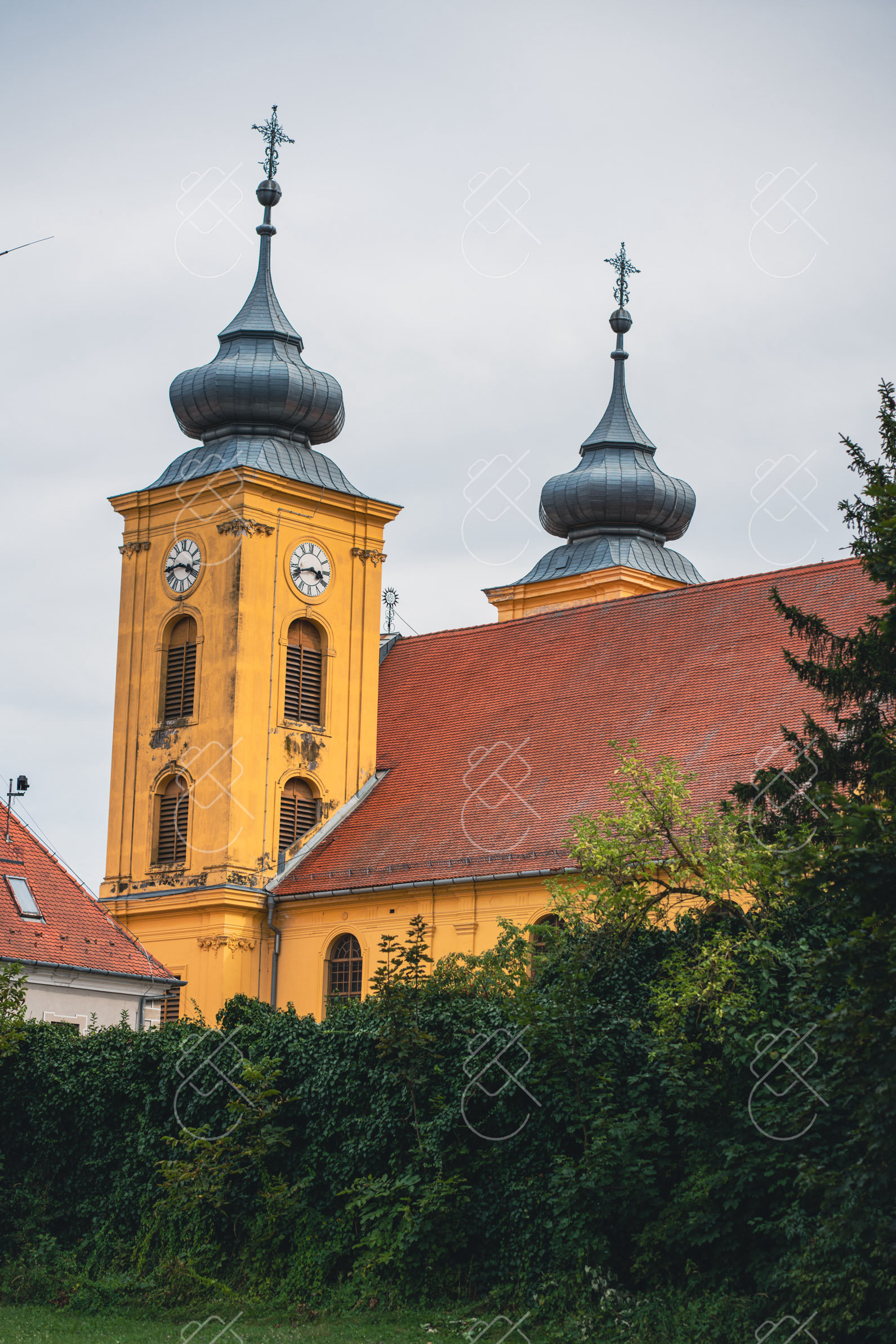
At the heart of Gornji Grad stands St. Mark's Church (Crkva sv. Marka), world-famous for its brilliantly colored roof tiles laid in 1880 that depict the medieval coat of arms of the Kingdom of Croatia, Dalmatia, and Slavonia alongside the crest of Zagreb city. A short stroll away stands Lotrščak Tower, where a live cannon (Grič cannon) has been fired precisely at noon every day since 1877 to mark the midday hour.
Connecting the Upper and Lower towns is the historic Zagreb Funicular (Uspinjača), which, with a track length of just 66 meters, is one of the shortest public transport funicular railways in the world, having carried passengers up the hillside since 1890.
The distinctive heraldic tiled roof of St. Mark's Church in Upper Town Zagreb
Between the two hills lies Tkalčićeva Street (Tkalča), once a creek separating the rival medieval settlements of Kaptol and Gradec. Today, this colorful pedestrian avenue is packed with outdoor cafes, craft beer pubs, and gelaterias, embodying the Croatian ritual of kava (lingering for hours over coffee with friends). Nearby, Dolac Market bustles under distinctive red Šestine umbrellas, overflowing with fresh Adriatic fish, artisan sheep cheeses, and mountain berries.
May to June or September to October, when temperatures are pleasant for walking and outdoor terraces are bustling. December brings Zagreb's award-winning Advent Christmas Market with fairy lights and open-air ice rinks.
Stay within walking distance of Ban Jelačić Square or along the Lower Town park horseshoe for effortless access to both the Upper Town funicular, museums, and evening dining.
Štrukli (tender baked or boiled pastry parcels layered with fresh cottage cheese and clotted sour cream), Zagreb schnitzel (veal stuffed with ham and melted cheese), and local craft beer.
Climb Lotrščak Tower just before noon to experience the Grič cannon firing, followed by lunch on the shaded terraces of Tkalčićeva just a five-minute walk downhill.
Get the best deals on your Zagreb stay with Booking.com.
We're not the type to travel without coverage — World Nomads was our travel insurance for all 526 days, Zagreb, Croatia included.
Transit cards, local customs, visa rules, and practical travel guides for this region.
See every destination from the 526-day journey:
Browse all destinationsCurious about the gear behind these photos? See the gear list.