Home
About us
Destinations
Travel Guides
Recipes
Featured
Photos As Art
Abstract Prints
Locations
Travel Gear
Travel Resources
Favorites
Photo Framer
Explore Photos
Contact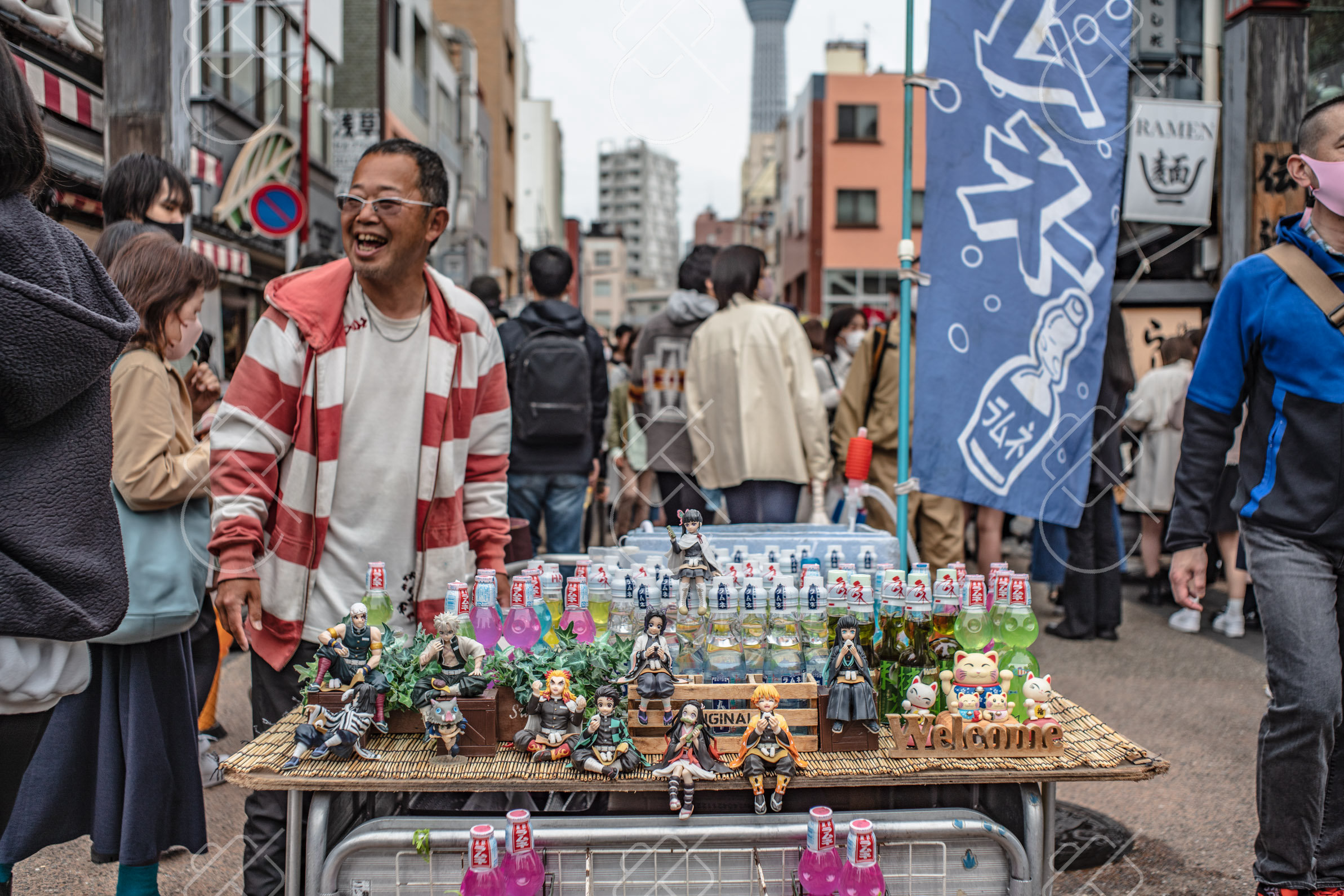 Money & payments
You don't need to bring a large stack of yen to Japan: arriving with roughly ¥10,000–20,000 and withdrawing more from 7-Eleven or Japan Post ATMs as you go covers most trips, because cards now work in hotels, chain stores and most city restaurants. Cash still matters more than in most rich countries, though. Japan's cashless share of consumer spending was 42.8% in 2024 according to the Ministry of Economy, Trade and Industry, so temples, small family restaurants, rural buses and IC card top-ups regularly need notes and coins.
Published September 17, 2026
Big-city hotels, department stores, convenience stores and chain restaurants take international cards. The places that still ask for cash are the ones travelers visit most for atmosphere: temple and shrine admission counters, offering boxes, goshuin stamp-book inscriptions (usually a few hundred yen each), small ramen and izakaya counters where you buy a meal ticket from a cash-only machine, market stalls, rural guesthouses, and many local buses outside the main cities.
Coins are worth keeping on hand too. Offerings at shrines are made in coins, older vending machines and some coin lockers take only coins, and rural bus fare boxes often expect exact change. A coin purse saves fumbling: Japan's ¥100 and ¥500 coins add up quickly.
There's no single right number, but a workable rule for city-based travelers who put hotels and bigger purchases on a card is around ¥5,000–10,000 in cash per person per day for temples, small restaurants, snacks, lockers and transit top-ups. That works out to roughly ¥35,000–70,000 for a week or ¥70,000–140,000 over two weeks, withdrawn in a few batches rather than carried all at once.
Budget toward the higher end if you're spending time in the countryside, staying in family-run minshuku, or eating mostly at small local places. Budget lower if you use a mobile IC card topped up by credit card and mostly eat at chains. Japan is generally safe for carrying cash, but splitting it between your wallet and your bag is still sensible.
Seven Bank ATMs inside 7-Eleven stores are the easiest option: they're everywhere, have English menus, and accept Visa, Mastercard, American Express, JCB, UnionPay, Discover and others. Seven Bank says overseas-issued cards can withdraw up to ¥100,000 per transaction with a chip card (¥30,000 for magnetic-stripe transactions). Its fee varies by card brand and is shown on screen before you confirm; third-party guides commonly report around ¥110–220 per withdrawal as of 2026.
Japan Post Bank ATMs at post offices (and compact units in some FamilyMart stores) also take foreign cards. Japan Post says a fee of ¥220 per use may apply to certain foreign cards and that the single-withdrawal limit is ¥50,000. Post office ATMs generally run 7:00–23:00 Monday to Saturday and 7:00–21:00 on Sundays and holidays, with shorter hours at some branches and over New Year. Lawson Bank ATMs in Lawson stores accept many foreign cards as well.
Your own bank may add its own ATM fee and foreign transaction fee on top, so fewer, larger withdrawals usually cost less. If the screen offers to charge you in your home currency instead of yen, choose yen: the ATM's conversion rate is typically worse than your card network's.
Withdrawing from an ATM in Japan usually gets a better rate than exchanging cash at home or at an airport currency counter, and Narita, Haneda and Kansai airports all have ATMs that take foreign cards. Having a small amount of yen before you fly is still useful as a backup if your card is declined on arrival or you land late.
Japan issued redesigned banknotes in July 2024; the older ¥1,000, ¥5,000 and ¥10,000 notes remain legal tender, so you may receive a mix of both. ATMs dispense mostly ¥10,000 notes, which convenience stores and stations break without fuss.
Physical IC cards are where cash catches many visitors out. JR East says a Welcome Suica can only be topped up with yen, not with a credit card, at station machines or at Seven Bank ATMs. The same applies to physical Suica, Pasmo and ICOCA cards at most ticket machines, so keep some ¥1,000 notes for top-ups.
The exception is a mobile Suica, Pasmo or ICOCA in Apple Wallet or Google Wallet, which you can top up from a card in the app. For how each card works, see our Japan Suica and Pasmo guide. For deciding how much to rely on cards overall, read cash or card for international travel, and if you plan to shop, our guide to Japan tax-free shopping explains the passport rules at the register.
A practical guide is around ¥5,000–10,000 in cash per person per day if hotels and larger purchases go on a card, roughly ¥70,000–140,000 over two weeks. Withdraw it in a few batches from ATMs in Japan rather than carrying it all from home.
Seven Bank's fee varies by card brand and is shown on screen before you confirm; guides commonly report around ¥110–220 as of 2026. Your home bank may add its own fees on top.
Seven Bank allows up to ¥100,000 per transaction with an overseas chip card (¥30,000 for magnetic-stripe transactions). Japan Post Bank ATMs have a ¥50,000 single-withdrawal limit.
No. JR East says a Welcome Suica can only be topped up with yen, at station machines or Seven Bank ATMs. Mobile IC cards in Apple Wallet or Google Wallet can be topped up by card in the app.
Many temple and shrine admission counters, offering boxes and goshuin stamp desks are still cash-only, so carry coins and small notes when sightseeing.
Entry rules change, and they depend on your nationality — always confirm the current requirements on the official government site before you book or apply. Only use official government (.gov) portals; ignore look-alike agency sites.
Get the best deals on a stay in Tokyo — compare on Expedia.