
Home
About us
Destinations
Travel Guides
Recipes
Featured
Photos As Art
Abstract Prints
Locations
Travel Gear
Travel Resources
Favorites
Photo Framer
Explore Photos
ContactKotor sits at the innermost curl of the Bay of Kotor, where sheer limestone mountains drop straight into the Adriatic and a Venetian-walled Old Town crowds the shoreline below them. Behind the cathedral and the marble lanes, a medieval defensive wall climbs the cliffside to a hilltop fortress, and stray cats outnumber the crowds in the quieter alleys.
Published May 21, 2025
Tap any photo to open it full-screen and order a print.
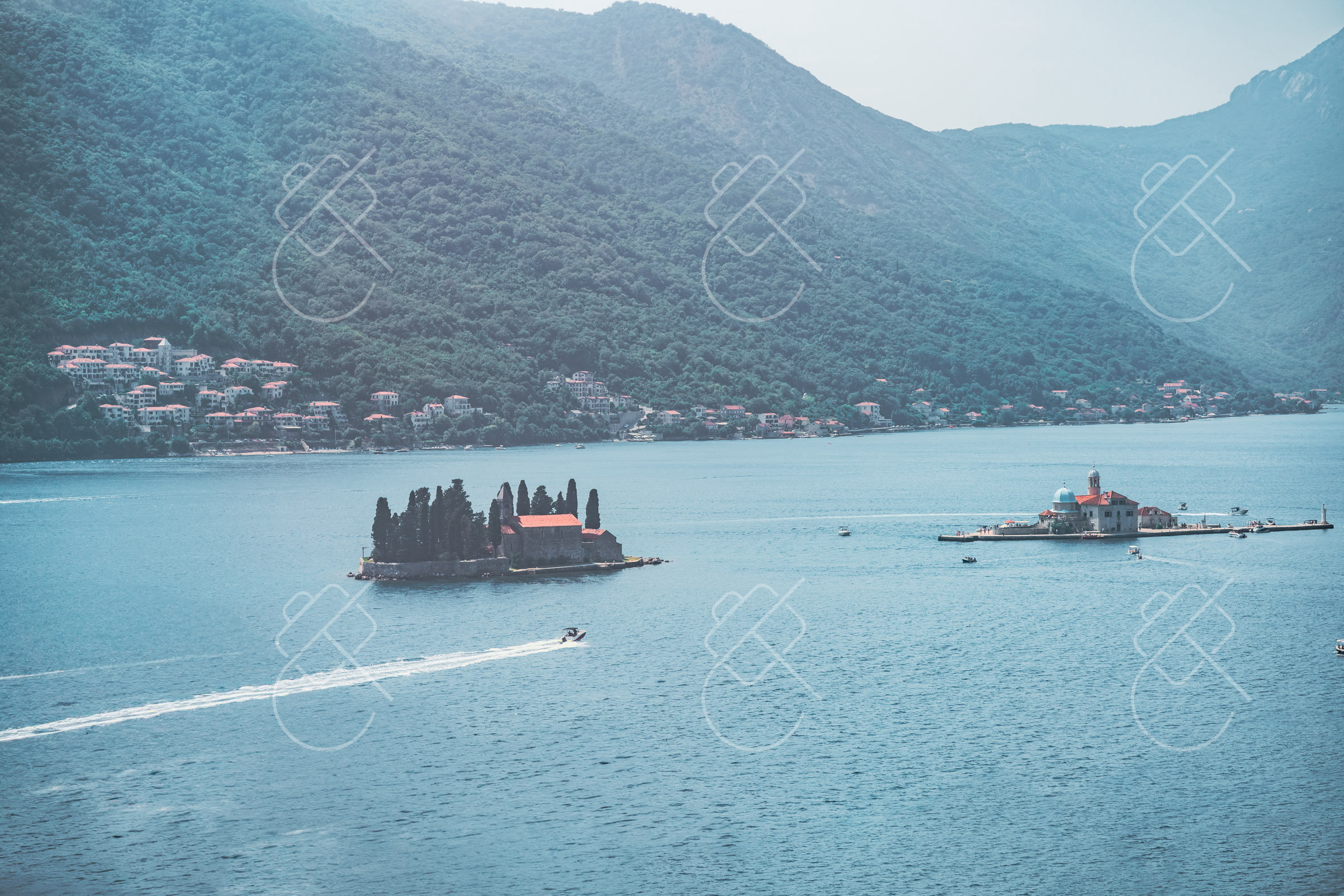
Kotor is a walled Venetian port town wedged between the Adriatic and a wall of karst mountains, its Old Town a maze of marble lanes, Catholic and Orthodox churches, and fortifications that climb straight up the cliffside behind it.
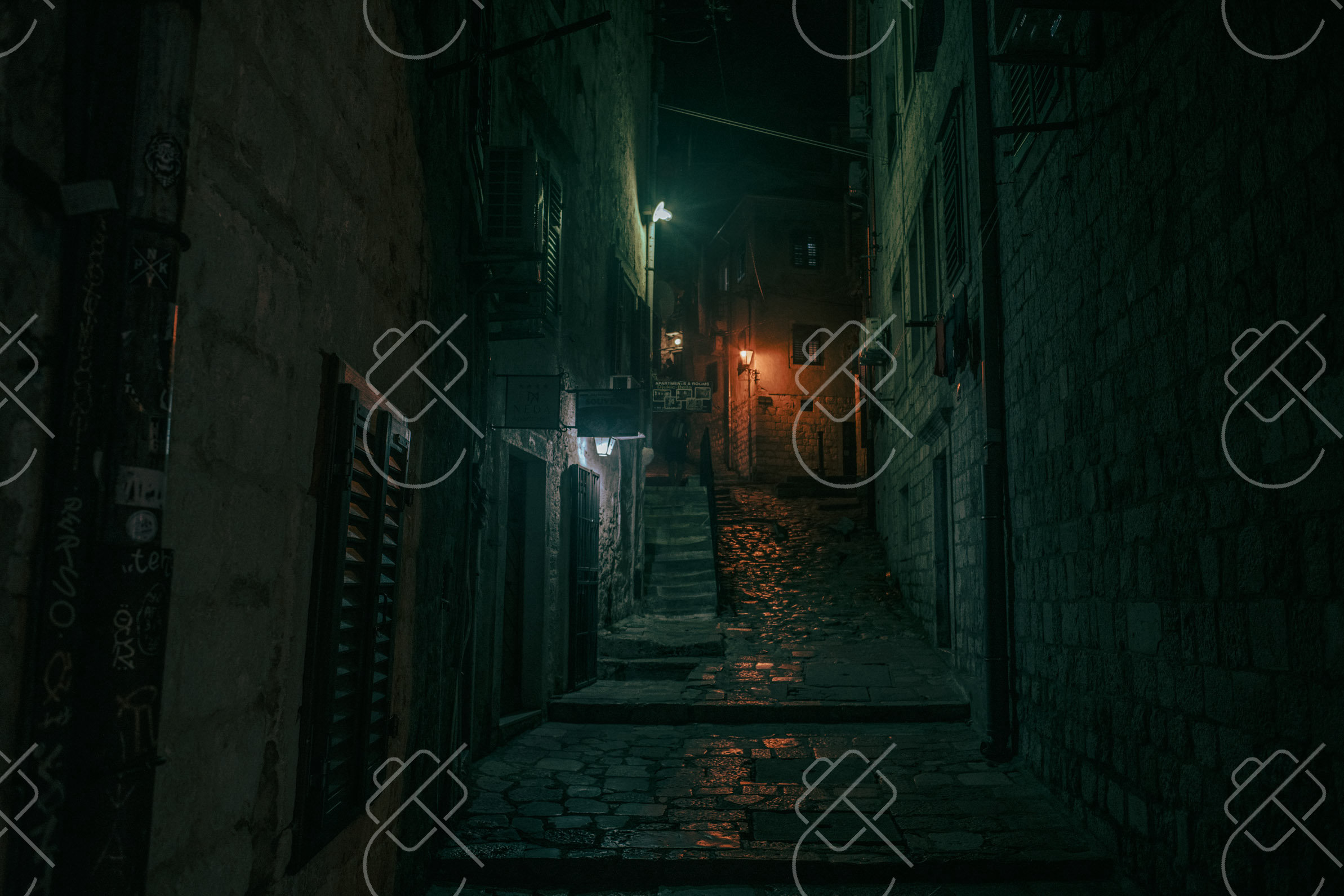
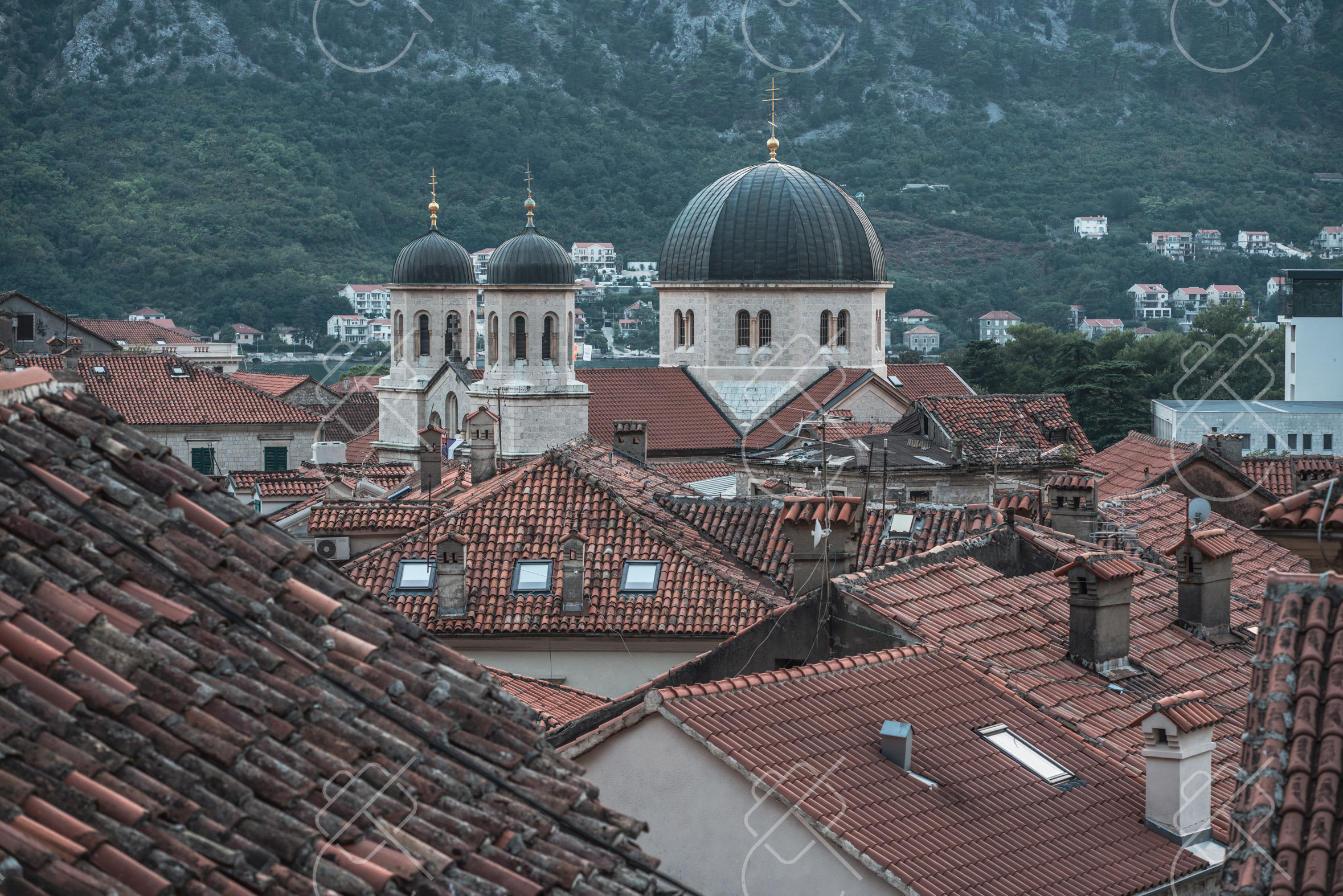
Kotor's Old Town is a maze of marble-paved lanes, sun-bleached limestone buildings, and Venetian palazzi packed inside a fortified perimeter that has barely changed since the Republic of Venice ruled the bay for nearly four centuries. Enter through the Sea Gate and you're funneled into Trg od Oružja (the Square of Arms), ringed by the clock tower, the old guardhouse, and cafes that spill onto the flagstones. Wander deeper and the square dissolves into a warren of unmarked alleys — cats sprawled on doorsteps, laundry strung between buildings, the odd Orthodox chapel wedged between Catholic ones, a legacy of Kotor's centuries switching hands between Venice, the Ottomans, Austria-Hungary, and Yugoslavia. The Cathedral of St. Tryphon anchors the town's western half, its twin bell towers visible from nearly anywhere on the bay, while the Maritime Museum a few streets over traces Kotor's long run as a naval and merchant power under the Venetian flag.
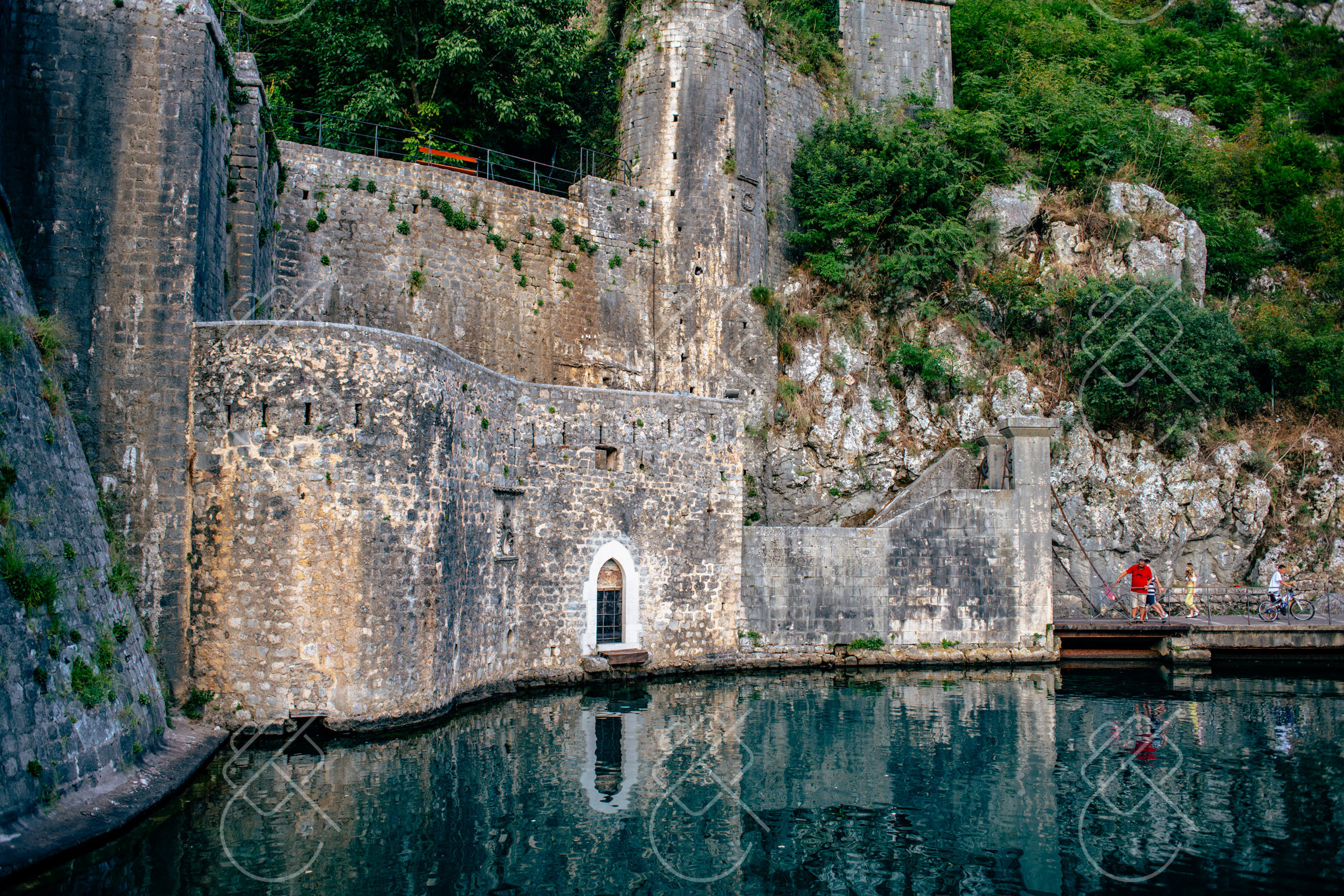
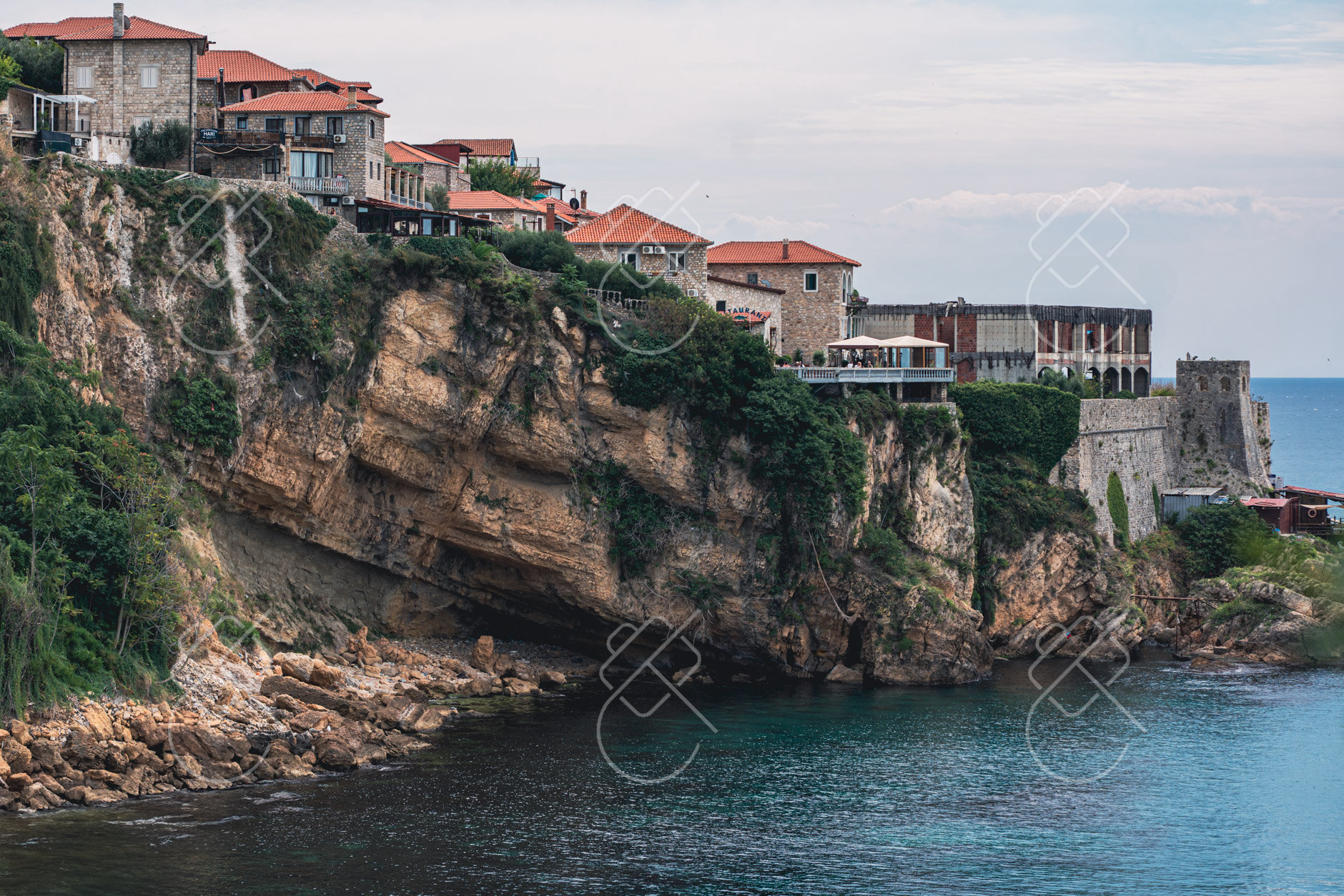
Kotor's medieval fortification walls meeting the bay, reflections in still water
What sets Kotor apart is the setting: the Bay of Kotor is often called Europe's southernmost fjord, though it's technically a submerged river canyon, and its sheer karst walls rise straight out of the Adriatic to nearly 1,800 meters. Behind the Old Town, a 4.5-kilometer defensive wall — built in stages from the 9th through 19th centuries — zigzags up the cliff face to St. John's Fortress, and the climb (roughly 1,350 uneven stone steps) is the best way to understand why this city never fell to a naval assault. Time it for early morning or just before sunset, both for the light and to avoid the worst of the heat. Afterward, a short boat ride from nearby Perast reaches Our Lady of the Rocks, a man-made islet with a Baroque church built on a reef where sailors once dropped stones as an offering. Kotor's stray cats, meanwhile, are practically civic mascots — there's a cat museum, cat-themed souvenir shops, and strays curled on every second windowsill.
Late May, June, or September, when the bay is warm enough to swim but the cruise-ship crowds and peak summer heat haven't taken over the Old Town.
Base yourself inside the Old Town's stone walls near Trg od Oružja, within easy walking distance of the cathedral, the harbor, and the base of the fortress climb.
Order Njeguški pršut (air-dried prosciutto from the mountains above the bay) with local cheese, or crni rižot — black risotto made with cuttlefish ink — at a konoba near the harbor.
Climb the city walls to St. John's Fortress before 7am — there's almost no shade on the stone steps, and the ticket line backs up fast once the first cruise ship tenders start landing.
Get the best deals on a hotel in Kotor before you book elsewhere — Booking.com.
We're not the type to travel without coverage — World Nomads was our travel insurance for all 526 days, Kotor, Montenegro included.
Transit cards, local customs, visa rules, and practical travel guides for this region.
See every destination from the 526-day journey:
Browse all destinationsCurious about the gear behind these photos? See the gear list.