Home
About us
Destinations
Travel Guides
Recipes
Featured
Photos As Art
Abstract Prints
Locations
Travel Gear
Travel Resources
Favorites
Photo Framer
Explore Photos
Contact Safety & Practicalities
Yes, Albania is generally safe to visit: the US State Department rates it Level 2, Exercise Increased Caution (the same tier as much of Western Europe), and the UK government says crime targeting foreigners is rare. The realistic risks for tourists are driving, petty theft in busy spots, overcharging, and occasional political demonstrations in central Tirana. Here is what to watch for, from Tirana's streets to the trails above Theth.
Published October 15, 2026
The US State Department lists Albania at Level 2: Exercise Increased Caution, citing crime. Its advisory notes that violent crime linked to organized crime and drug networks occurs around the country, and that police help can be limited in remote areas. The UK Foreign Office similarly says crime and violence occur in some areas but that reports of crime targeting foreigners are rare.
In April 2026 the US Embassy in Tirana issued a security alert about possible threats to Americans and US-linked places amid regional tensions; the overall level stayed at 2. Advisories change, so check the live State Department and UK pages before you travel.
Tirana feels relaxed for visitors, with busy cafés late into the evening around Blloku and Skanderbeg Square. The main crime risk is pickpocketing and bag theft in crowded tourist areas, on buses and at transport hubs, including the airport. Keep phones off café tables and take extra care late at night.
The most common scam is taxi overcharging, especially at Tirana airport, around Skanderbeg Square and at Sarandë's ferry port. Agree the fare in lek before getting in, and be wary of drivers quoting in euros. For cash and payment habits, see our guides to tipping in Albania and Albania's cash culture and ATMs.
Protests: opposition demonstrations in central Tirana in January and February 2026 turned violent, with Molotov cocktails thrown at government buildings and police using tear gas and water cannon. They were focused on government buildings around the main boulevard and Skanderbeg Square. Avoid demonstrations and large political gatherings, and check local news if you are in the city on a protest day.
If anything is likely to go wrong on an Albania trip, it is on the road. The UK government describes driving as very hazardous and often aggressive and erratic, and Albania has one of the higher road-death rates in Europe (about 7 per 100,000 people in 2021, per Eurostat). Rural roads are often poor, most major routes are unlit at night, and mountain roads are narrow with sudden drop-offs.
Avoid driving at night, don't react to aggressive drivers, and if you have an accident, stay at the scene until police arrive. For mountain routes, read how to get to Theth: road conditions and furgons, and for crossings from Montenegro or Croatia, our Balkan border driving guide.
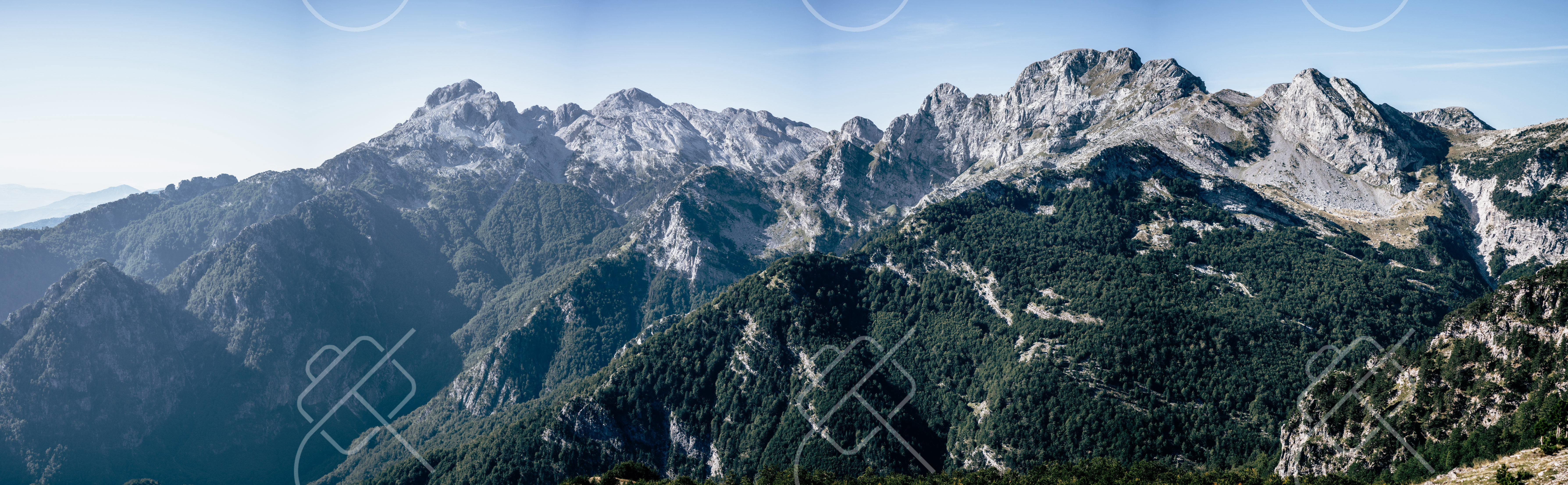
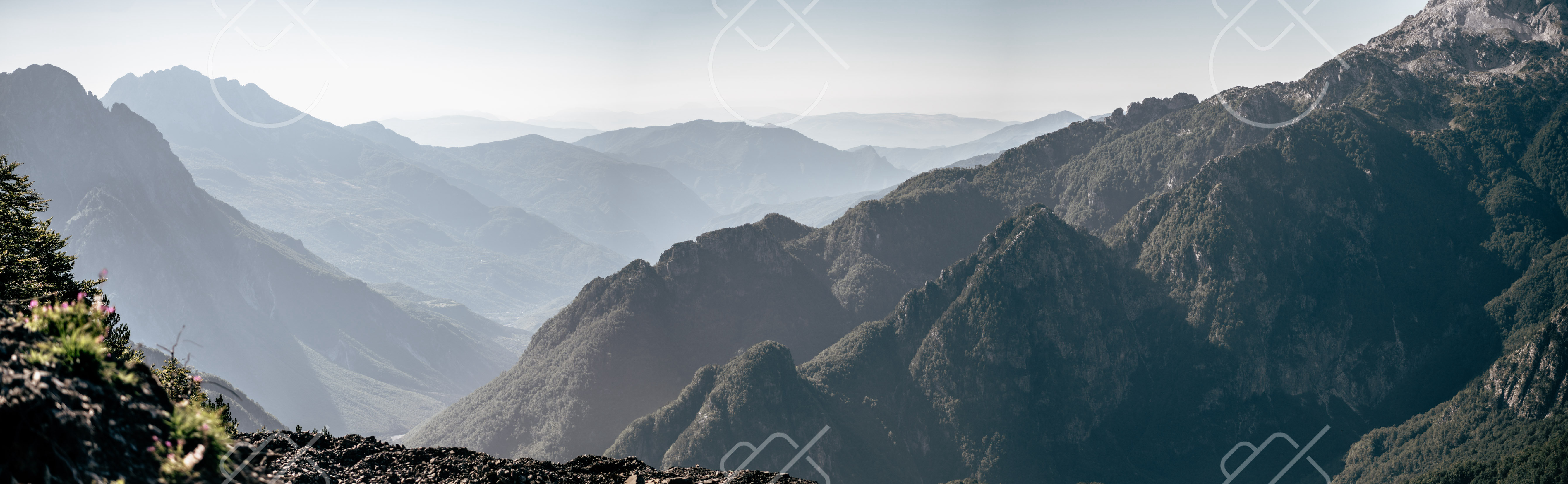
The Albanian Alps around Theth are among the most popular hiking areas in the Balkans. The best-known route is the point-to-point crossing from Theth over the Valbona Pass (around 1,800 m), typically 6-8 hours of hiking with roughly 1,000 m of climbing, on red-and-white waymarked trails. The usual season is mid-June to late September; snow can linger on the pass into June, and October weather is unpredictable.
Mobile coverage is patchy and rescue is slow, so start early, carry water and layers, and tell your guesthouse your route. Near the northern border with Kosovo there are still unexploded landmines in some remote areas: stay on marked paths and never walk across uncultivated land. Heavy snow from December to February can cut off mountain areas entirely. See our Theth guide for the valley itself.
Albania is a common choice for solo travelers, and the low rate of crime against foreigners applies to women traveling alone too. Standard big-city precautions apply: use licensed taxis at night, keep an eye on drinks in bars, and choose well-reviewed accommodation. In rural areas, conservative norms are more common, and hospitality to guests is a deep tradition.
Same-sex relationships are legal in Albania and anti-discrimination laws exist; Tirana has some LGBT+-friendly bars, while attitudes in rural areas are more conservative.
Dial 112 for any emergency. The older direct numbers still work: 129 for police, 127 for ambulance, 128 for fire, and 126 for traffic police. Medical facilities are limited outside Tirana, where the better private hospitals are, so travel insurance with medical evacuation cover is worth having for mountain trips.
Before you go, check entry rules in US citizens' one-year visa-free stay in Albania, and plan your route with our Albania guide.
Generally, yes. The US State Department rates Albania Level 2 (Exercise Increased Caution), and the UK says crime targeting foreigners is rare. Driving and petty theft are the main risks.
Tirana is generally safe for visitors. Watch for pickpockets in crowded areas and taxi overcharging, and avoid political demonstrations, some of which turned violent in early 2026.
It is the biggest real risk. Driving can be aggressive and erratic, rural roads are often poor, and most routes are unlit at night, so avoid night driving and stay calm with other drivers.
Dial 112 for any emergency. You can also call 129 for police, 127 for an ambulance and 128 for fire.
It is a well-marked but strenuous 6-8 hour crossing over a pass of around 1,800 m, best from mid-June to late September. Start early, carry water and layers, and stay on marked trails.
Entry rules change, and they depend on your nationality — always confirm the current requirements on the official government site before you book or apply. Only use official government (.gov) portals; ignore look-alike agency sites.
Get the best deals on flights to Albania with Expedia.