Home
About us
Destinations
Travel Guides
Recipes
Featured
Photos As Art
Abstract Prints
Locations
Travel Gear
Travel Resources
Favorites
Photo Framer
Explore Photos
ContactUlcinj is Montenegro's southernmost town and its least Montenegrin-feeling one: roughly three in four residents are ethnic Albanians, minarets outnumber church towers, and the call to prayer carries over the harbor from a walled Old Town perched on a sea cliff. South of town the coast flattens into 13 kilometers of sand that runs all the way to the Albanian border at the mouth of the Bojana River. Here's how to see the fortress, the beaches, the salt-pan bird reserve, and the Albanian city of Shkodër an hour up the road.
Published October 6, 2026
Tap any photo to open it full-screen and order a print.
Ulcinj is a beach town first, so the calendar mostly decides whether Velika Plaža is empty, lively, or wall-to-wall. June and September are the sweet spots; July and August belong to Kosovar and Albanian families on holiday, and winter is quiet enough that many beach restaurants simply close.
Mild days and almost no crowds, with the sea still too cold for most swimmers until late May. This is prime time for the Ulcinj Salina, when migrating waders and flamingos stop over in the salt pans on their way north.
Hot, dry, and the busiest the town gets — July and August fill every guesthouse, and Velika Plaža's beach bars run late. Afternoon onshore winds at Ada Bojana make this the high season for kitesurfing.
The sea holds its summer warmth into October while the crowds drain away after the first week of September. Prices drop, the Old Town walls are comfortable to explore at midday, and the light over the cliffs softens.
Wet, windy, and very local. Many beach restaurants and hotels on Velika Plaža close, but the Old Town, the mosques, and the Salina's wintering birds — including Dalmatian pelicans — make a quiet off-season visit worthwhile.
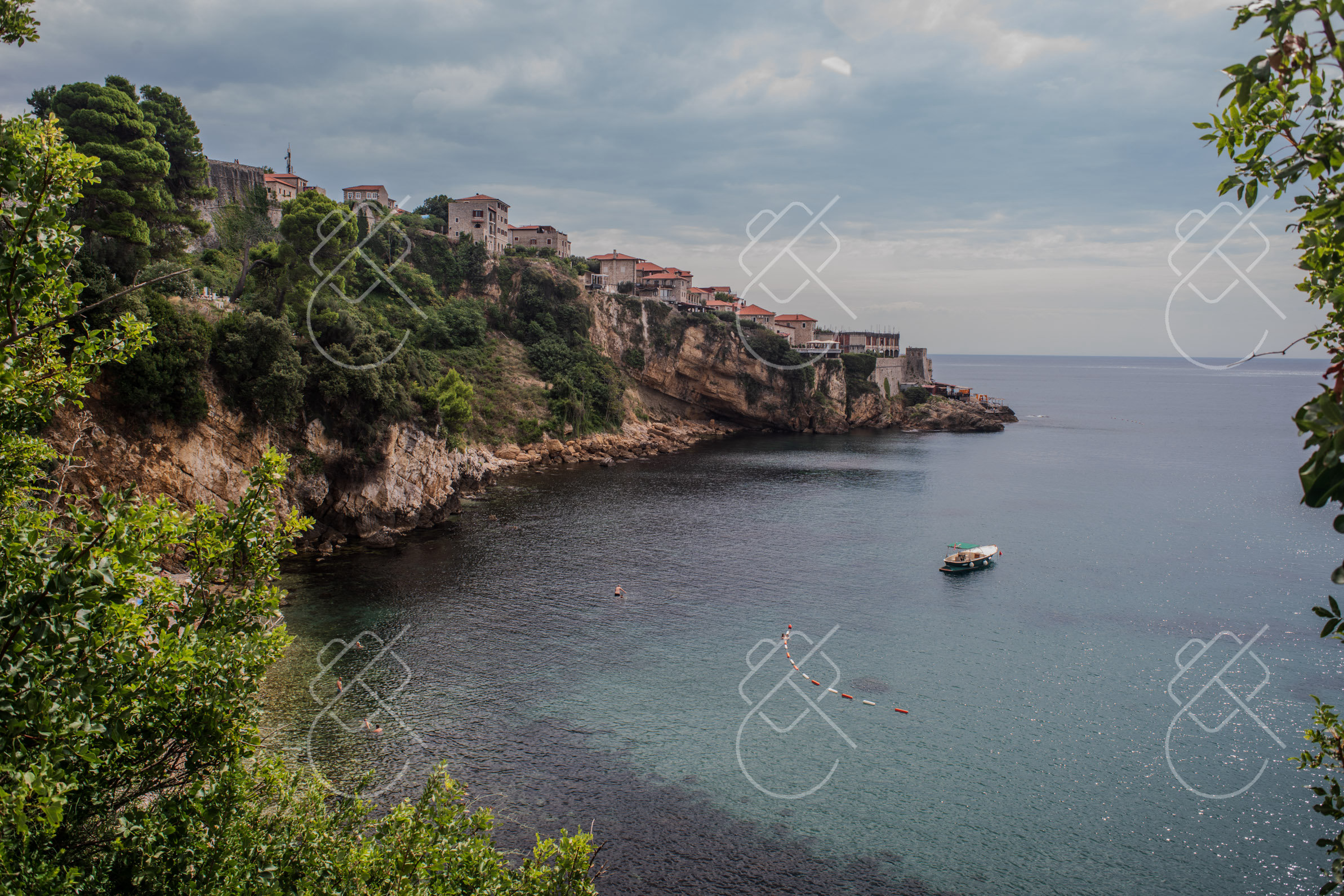
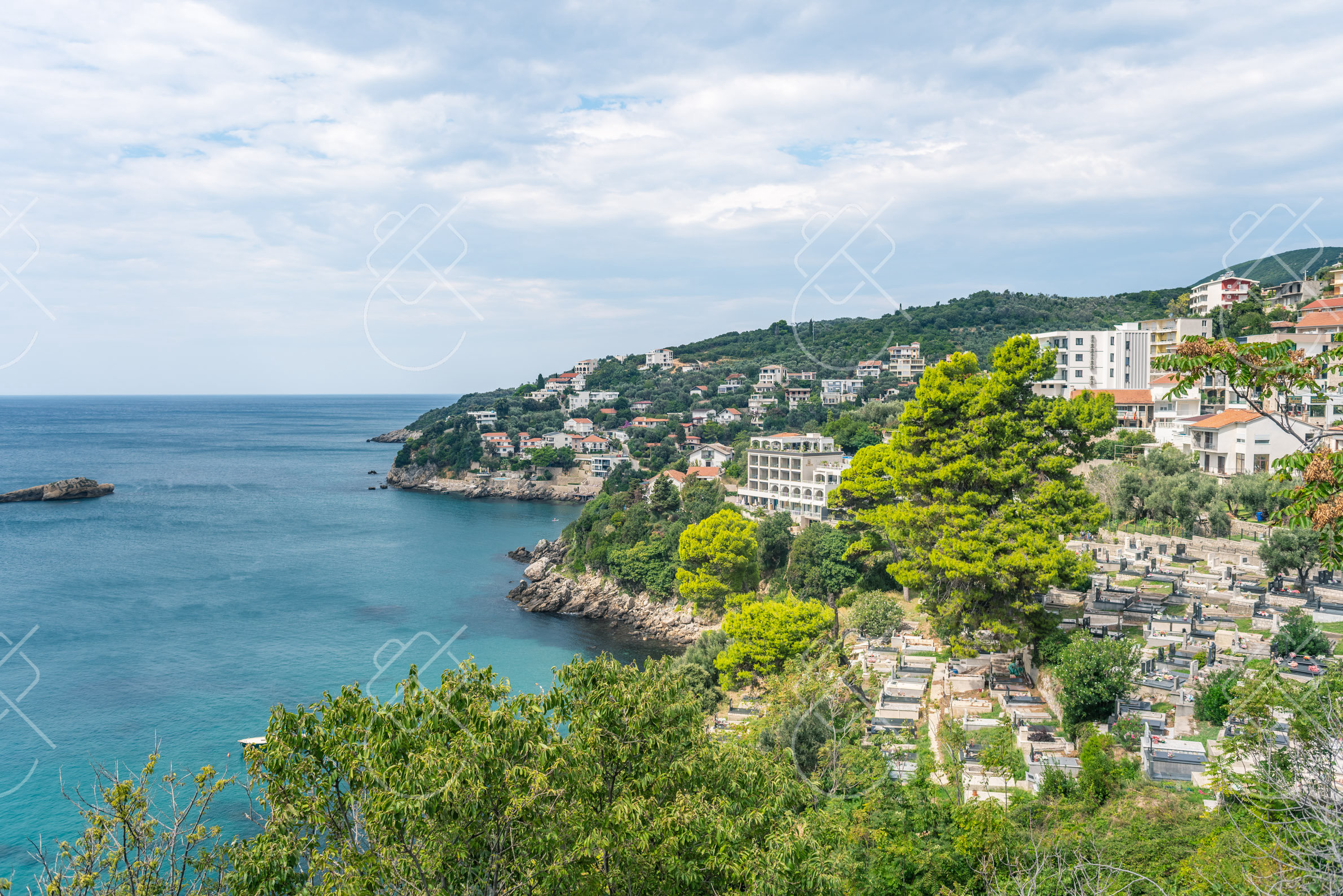
Ulcinj is an Albanian-majority port town at Montenegro's southern tip, where a walled Old Town fortress sits on a cliff above Mala Plaža and a 13-kilometer sand beach runs south to the river border with Albania.
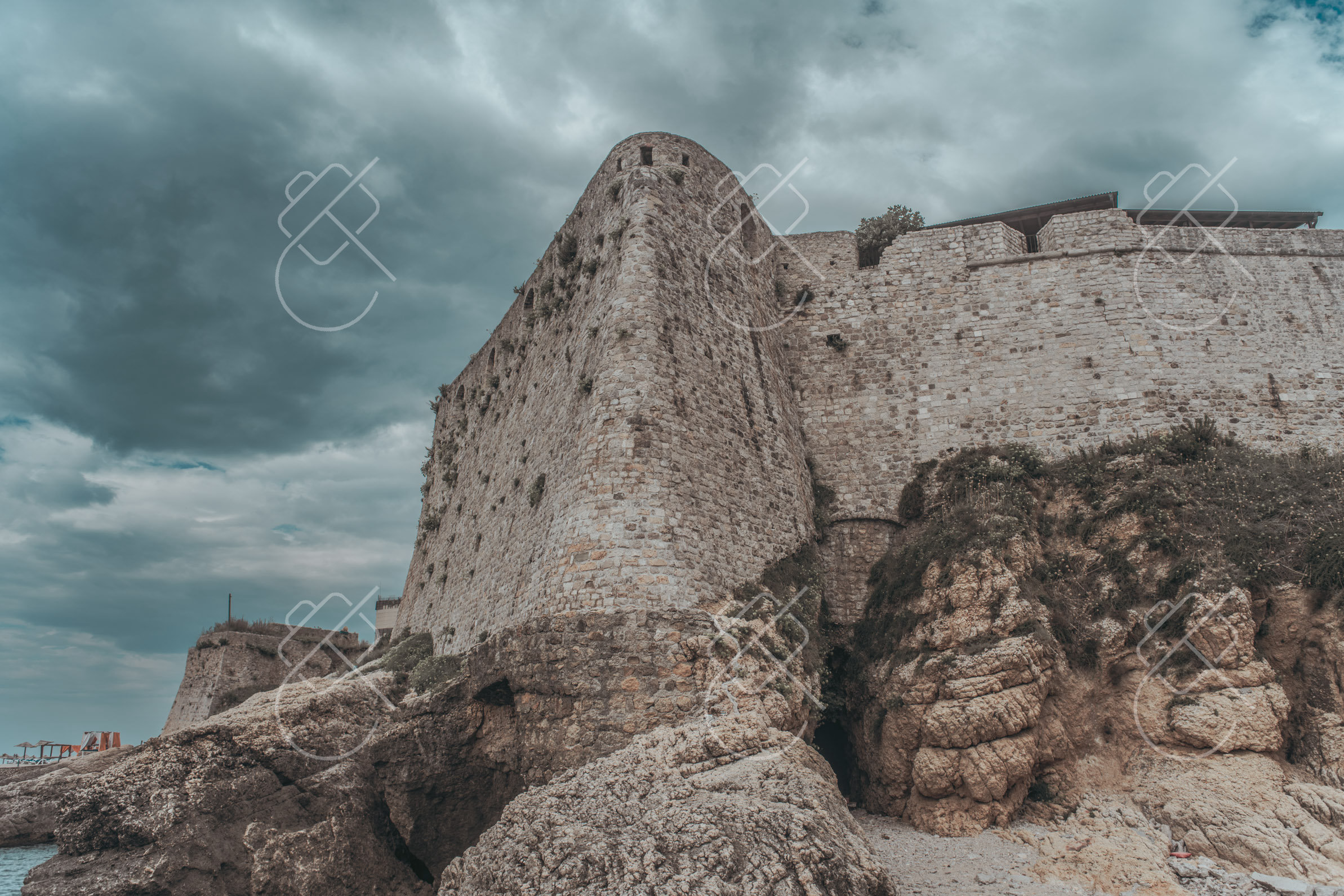
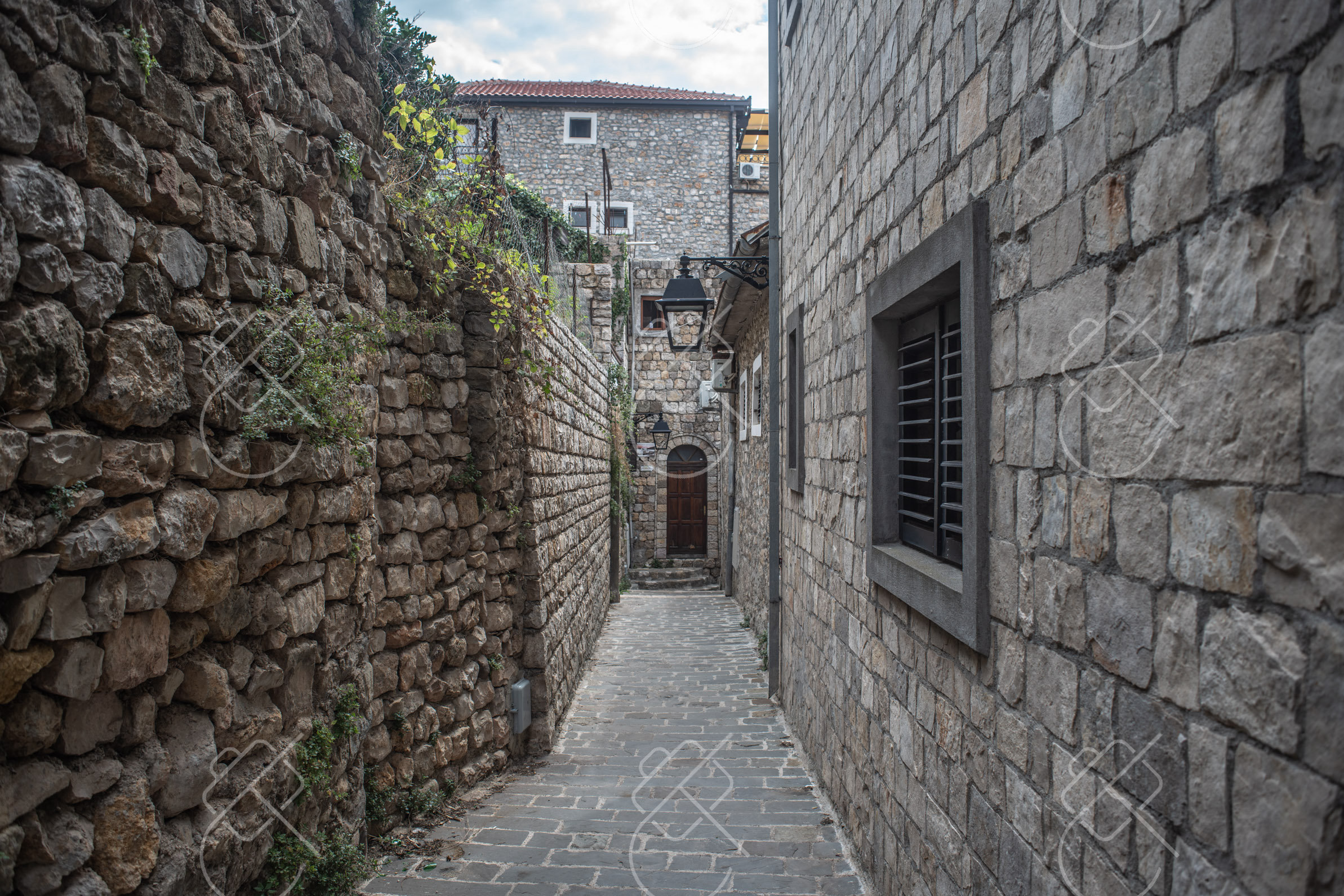
Ulcinj's Old Town (Stari Grad, or Kalaja in Albanian) occupies a rocky headland above the sea, its walls rising straight out of the cliff face so the whole fortress reads as an extension of the rock. The Venetians held the town, which they called Dulcigno, until 1571, when the Ottomans took it with the help of North African corsairs who stayed on — for the next two centuries Ulcinj was one of the Adriatic's most notorious pirate bases. Inside the walls, lanes of polished stone wind past the Balšić Tower, a 14th-century keep with an Ottoman-era upper floor, and the arcaded Slave Square, where captives taken at sea were reputedly sold. Look out for the Church-Mosque, built as a Renaissance church in 1510 and given a minaret after the conquest. Locals will also tell you Cervantes was held captive here and named Dulcinea after Dulcigno; there's no evidence for it, but the legend has a restaurant named after it.
Ulcinj's Old Town fortress walls rising straight out of the rock
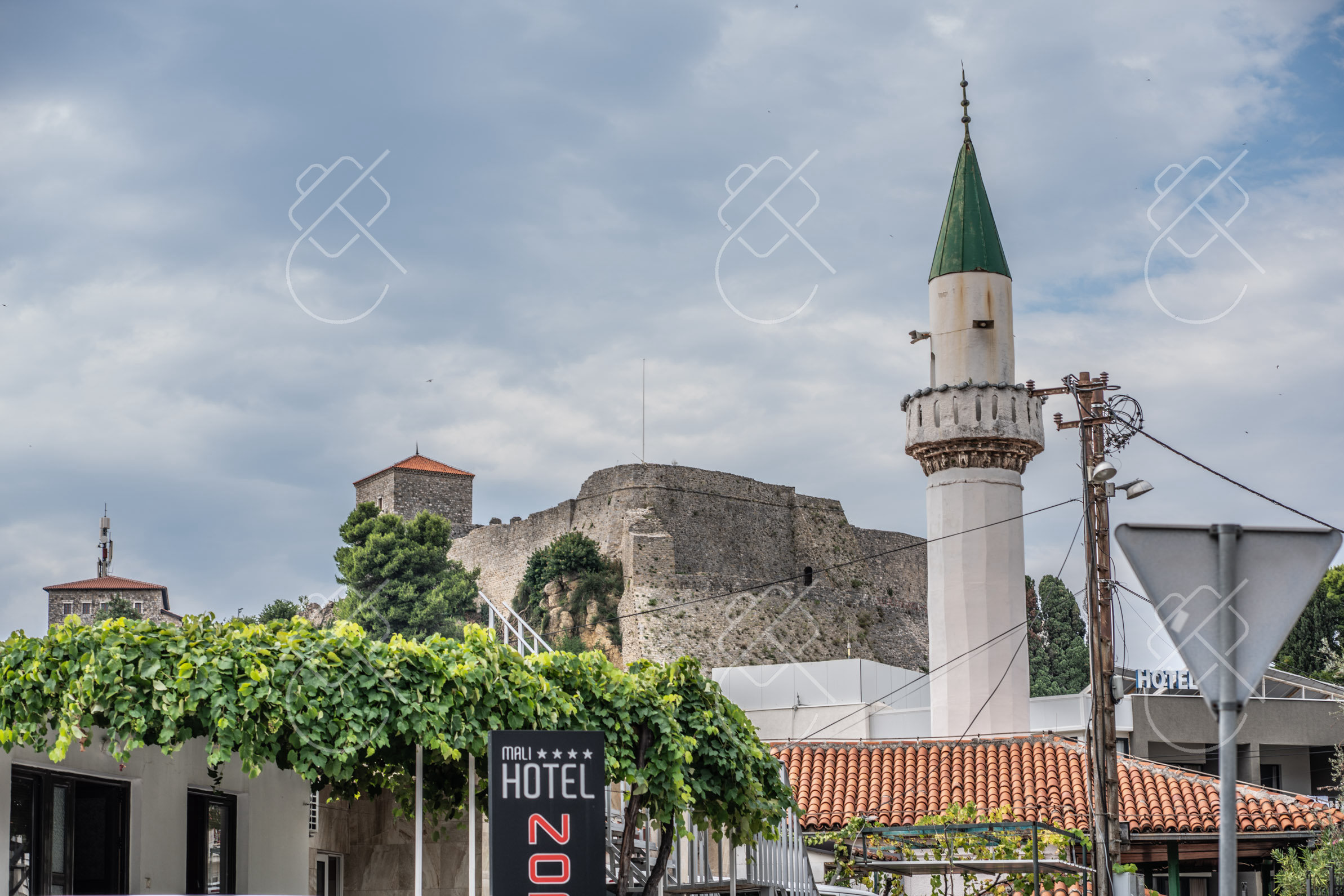
The town below the fortress is where Ulcinj's Albanian identity is clearest: more than two dozen mosques are scattered across town and the surrounding countryside, the 1754 Ottoman clock tower still chimes over the upper town, and you'll hear Albanian far more often than Montenegrin in the cafes. South of the center, Velika Plaža (Long Beach) runs about 13 kilometers of fine, dark sand to the Bojana River, which forms the border with Albania. At its far end, Ada Bojana is a triangular river island, local legend says formed around a 19th-century shipwreck, with a naturist beach on its seaward side, kitesurfing schools, and fish restaurants built on stilts over the river. Inland, the Ulcinj Salina — a former salt works covering roughly 1,500 hectares — became a Ramsar-listed wetland in 2019, with 252 recorded bird species including flamingos and Dalmatian pelicans. And Shkodër, Albania's old northern capital, is only about 44 kilometers away via the Sukobin–Muriqan border crossing, an easy day trip.
June or September, when the sea is warm and the long beach has space; come in spring or autumn instead if the Salina's migrating birds are the main draw.
Stay on the hillside around Mala Plaža and the Old Town for walkable sights and sea views, or along Velika Plaža if the beach is the point of the trip.
Order the catch of the day grilled over coals at one of Ada Bojana's stilt restaurants on the river, and try a plate of byrek or tavë kosi (baked lamb with yogurt) in town for a taste of Ulcinj's Albanian kitchen.
Walk up to the Old Town in the late afternoon rather than at midday — the stone lanes have little shade, and the cliff faces glow in low western light just before sunset.
Compare flights to Ulcinj and get the best deals on Expedia.
Through Ulcinj, Montenegro and everywhere else on this trip, World Nomads was the travel insurance we carried the whole way.
Transit cards, local customs, visa rules, and practical travel guides for this region.
See every destination from the 526-day journey:
Browse all destinationsCurious about the gear behind these photos? See the gear list.