Home
About us
Destinations
Travel Guides
Recipes
Featured
Photos As Art
Abstract Prints
Locations
Travel Gear
Travel Resources
Favorites
Photo Framer
Explore Photos
ContactTucked into a mountain valley above the Adriatic coast, Cetinje spent four decades as an internationally recognized capital before Montenegro joined Yugoslavia, a brief window of statehood that left behind a cluster of grand former embassies far larger than the town itself.
Published March 19, 2026
Tap any photo to open it full-screen and order a print.
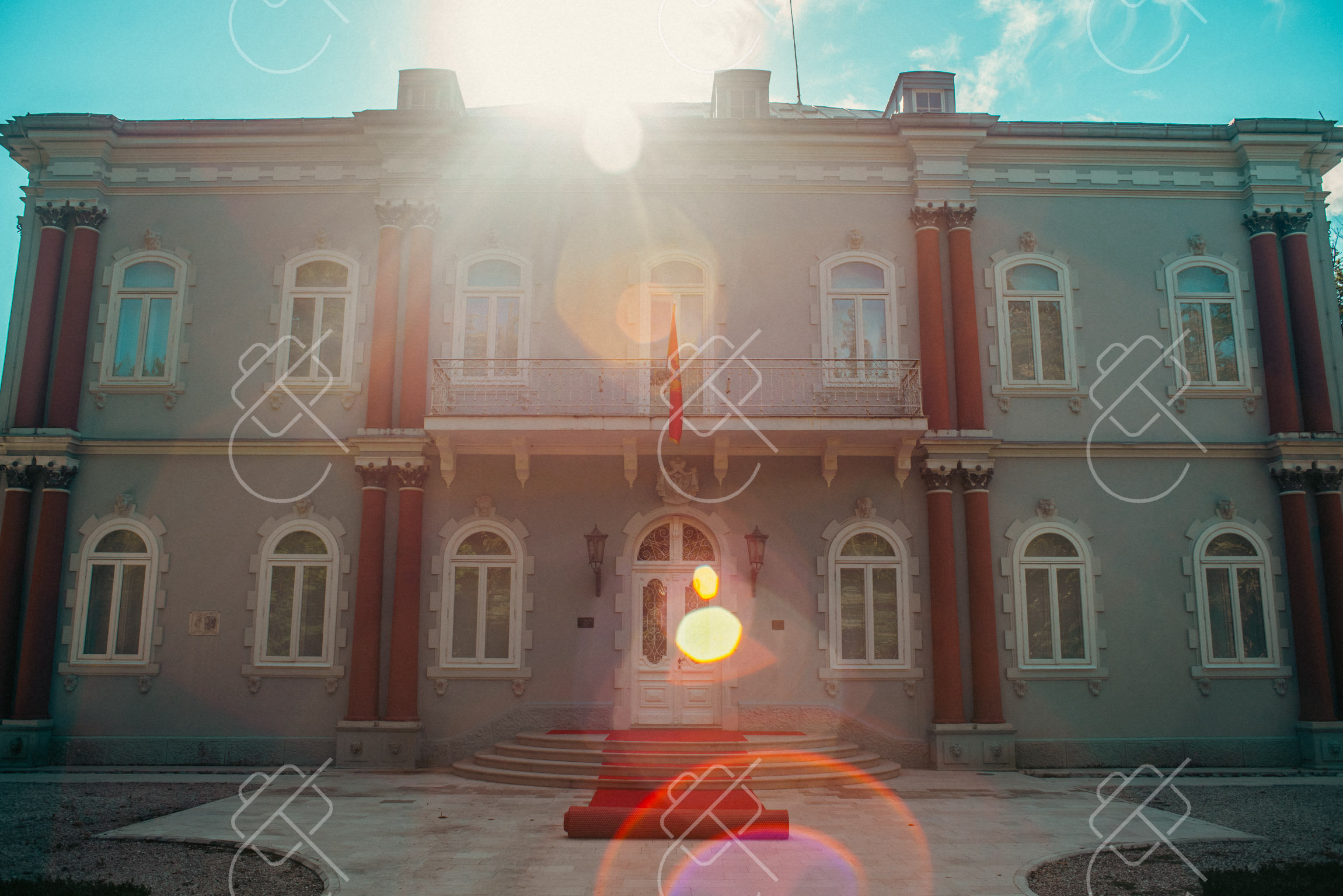
Montenegro's old royal capital, a small mountain town of former palaces, foreign legations, and a working Orthodox monastery, tucked in a limestone valley below Mount Lovćen.
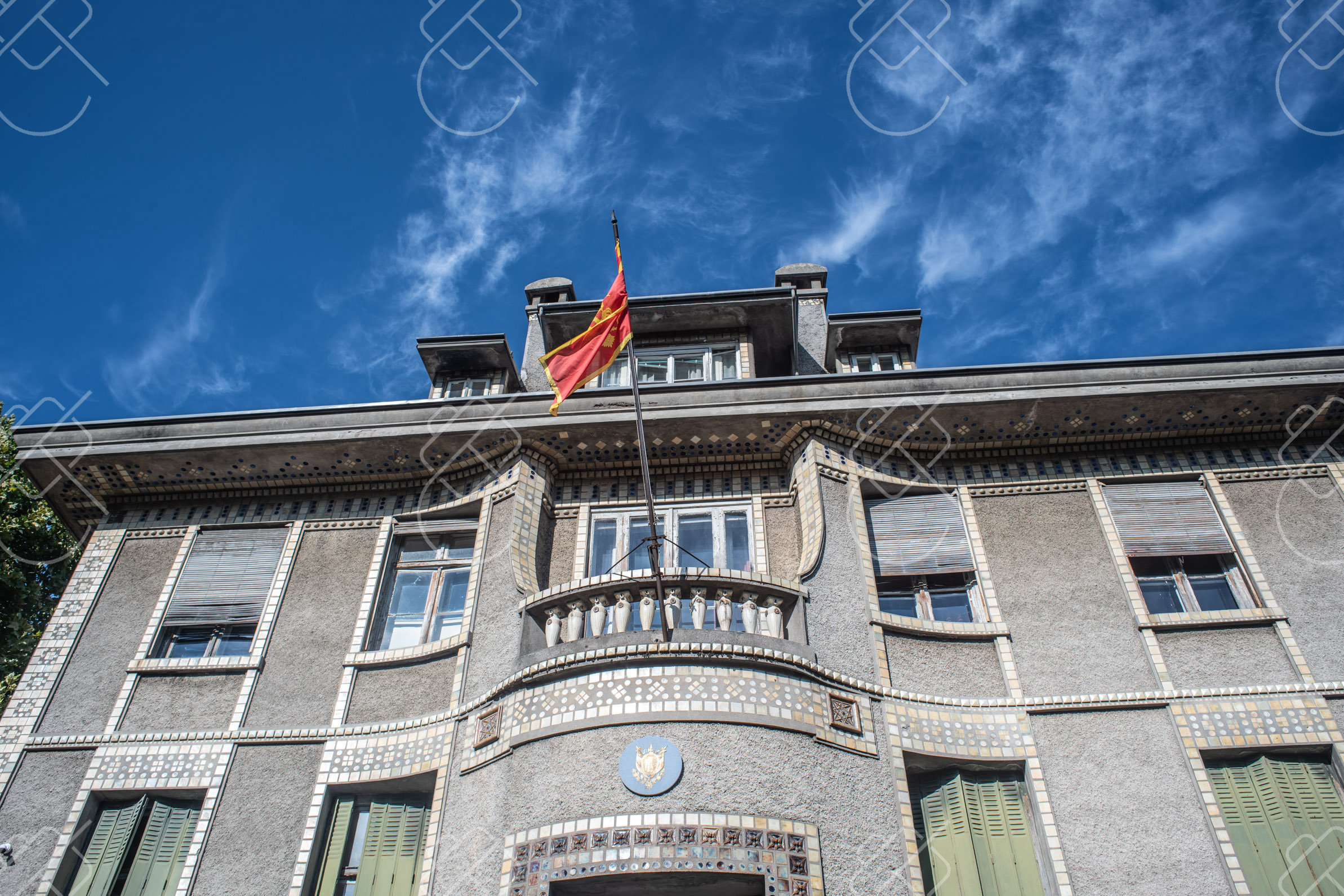
Cetinje was founded in 1482 by Ivan Crnojević as the seat of Zeta, and it went on to serve as the capital of the Principality and then Kingdom of Montenegro from the country's recognition as fully independent in 1878 until union with Yugoslavia in 1918. That brief era of internationally recognized statehood left an unusual legacy for a town this size: a cluster of grand former embassies built by the great powers of the day, now repurposed as government offices, galleries, and branches of the National Museum.
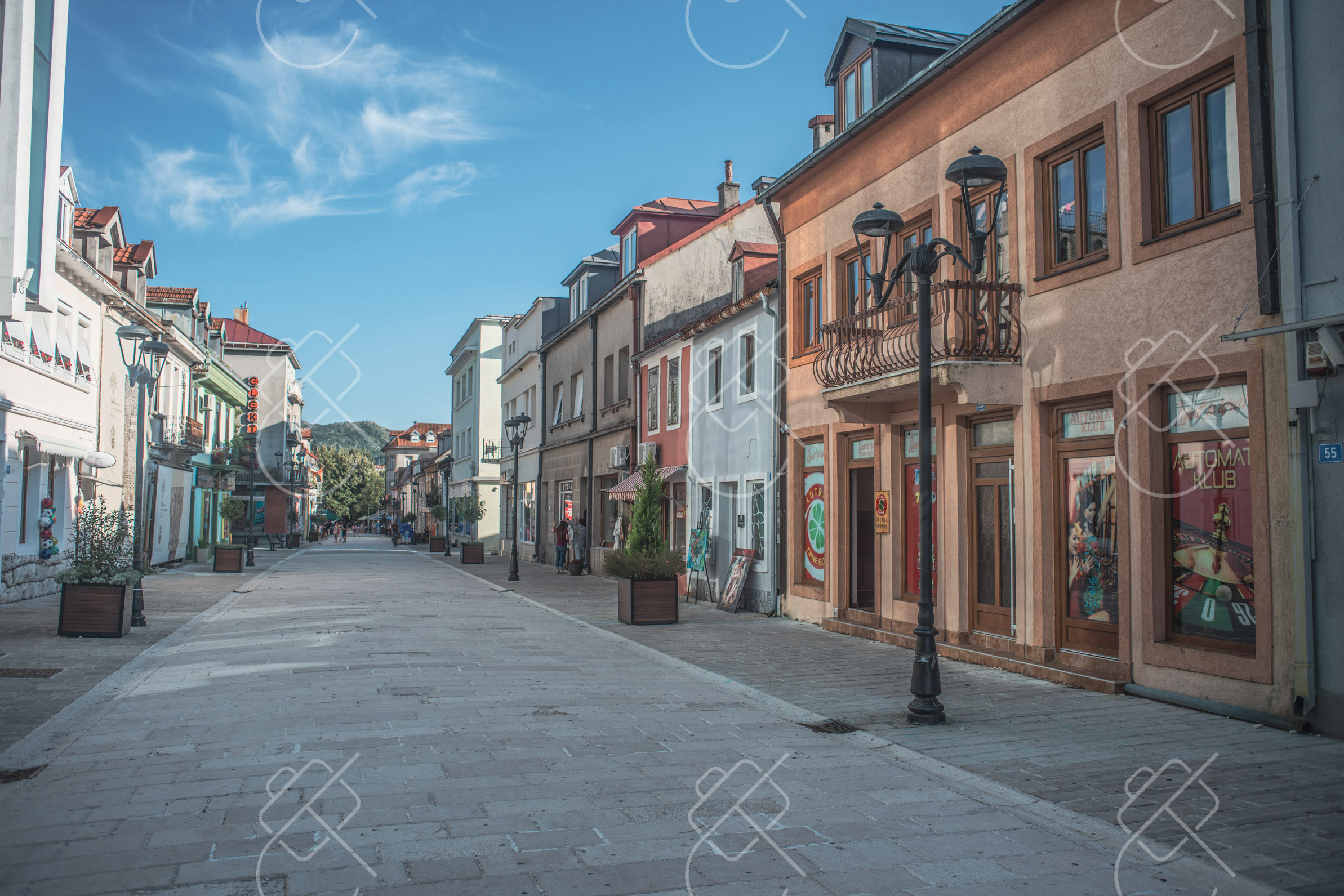
A quiet pedestrian street in Cetinje's old capital
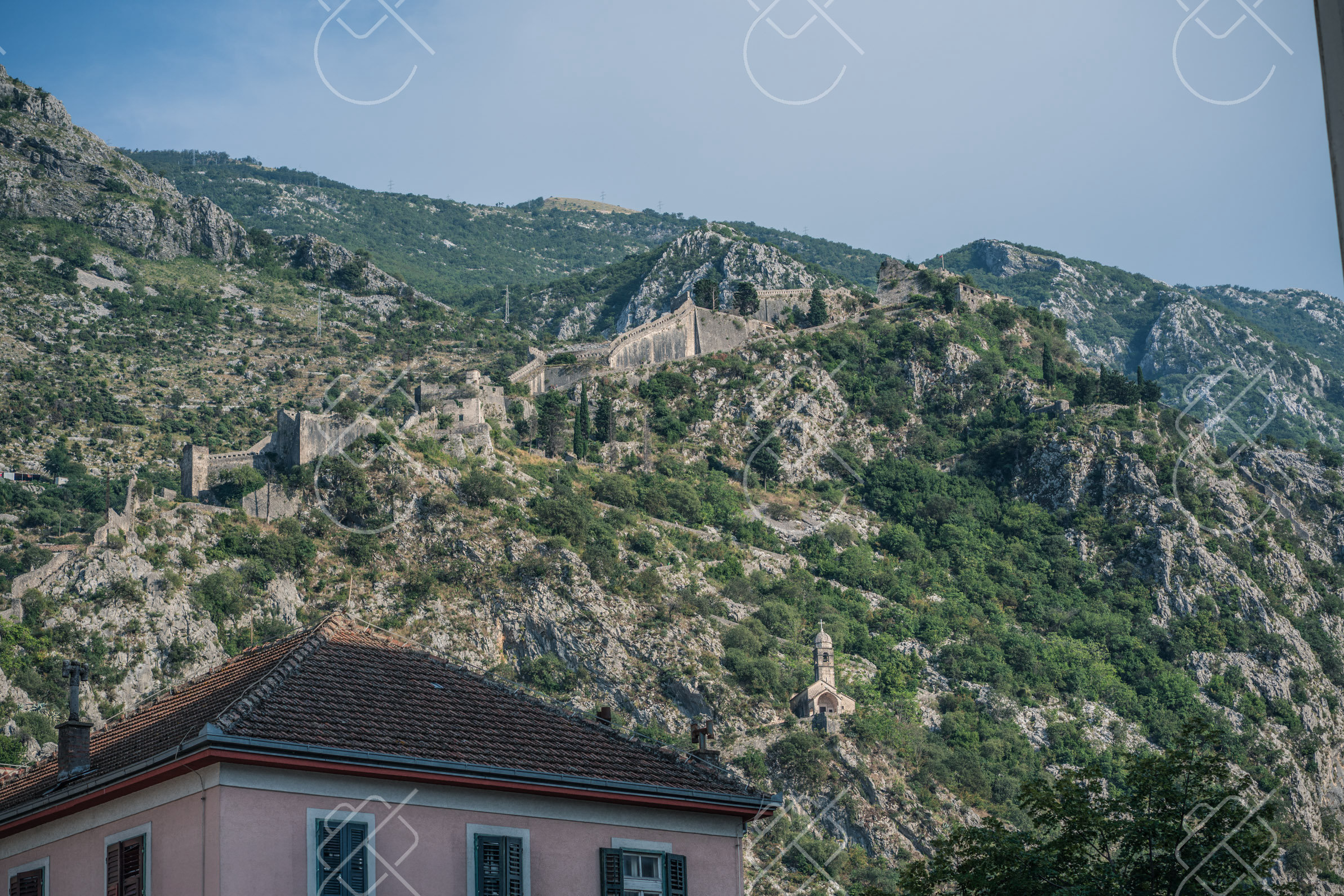
Cetinje Monastery, founded in the 1480s and rebuilt after the Ottomans destroyed the original complex in 1692, remains the seat of the Metropolitanate of Montenegro and still functions as a working monastery. The town itself is compact and walkable, ringed by hills that climb toward Mount Lovćen, where Njegoš — Montenegro's poet-prince and bishop — is entombed at the summit.
Late spring and early autumn are best — Cetinje sits at higher elevation than the coast and runs noticeably cooler and wetter, with a real winter that the Adriatic towns never see.
Njeguški pršut and njeguški sir — smoke-dried ham and cheese from the nearby village of Njeguši — are the town's signature products, best paired with lamb and a glass of Vranac.
Come before the mid-morning tour buses arrive from Kotor and Budva; Cetinje is a common day-trip stop, and the palace squares and monastery courtyard are far quieter in the first hour after opening.
Compare stays in Cetinje and get the best deals on Booking.com.
Before setting out for Cetinje, Montenegro, World Nomads was the travel insurance policy we picked to cover the unexpected.
Transit cards, local customs, visa rules, and practical travel guides for this region.
See every destination from the 526-day journey:
Browse all destinationsCurious about the gear behind these photos? See the gear list.