Home
About us
Destinations
Travel Guides
Recipes
Featured
Photos As Art
Abstract Prints
Locations
Travel Gear
Travel Resources
Favorites
Photo Framer
Explore Photos
Contact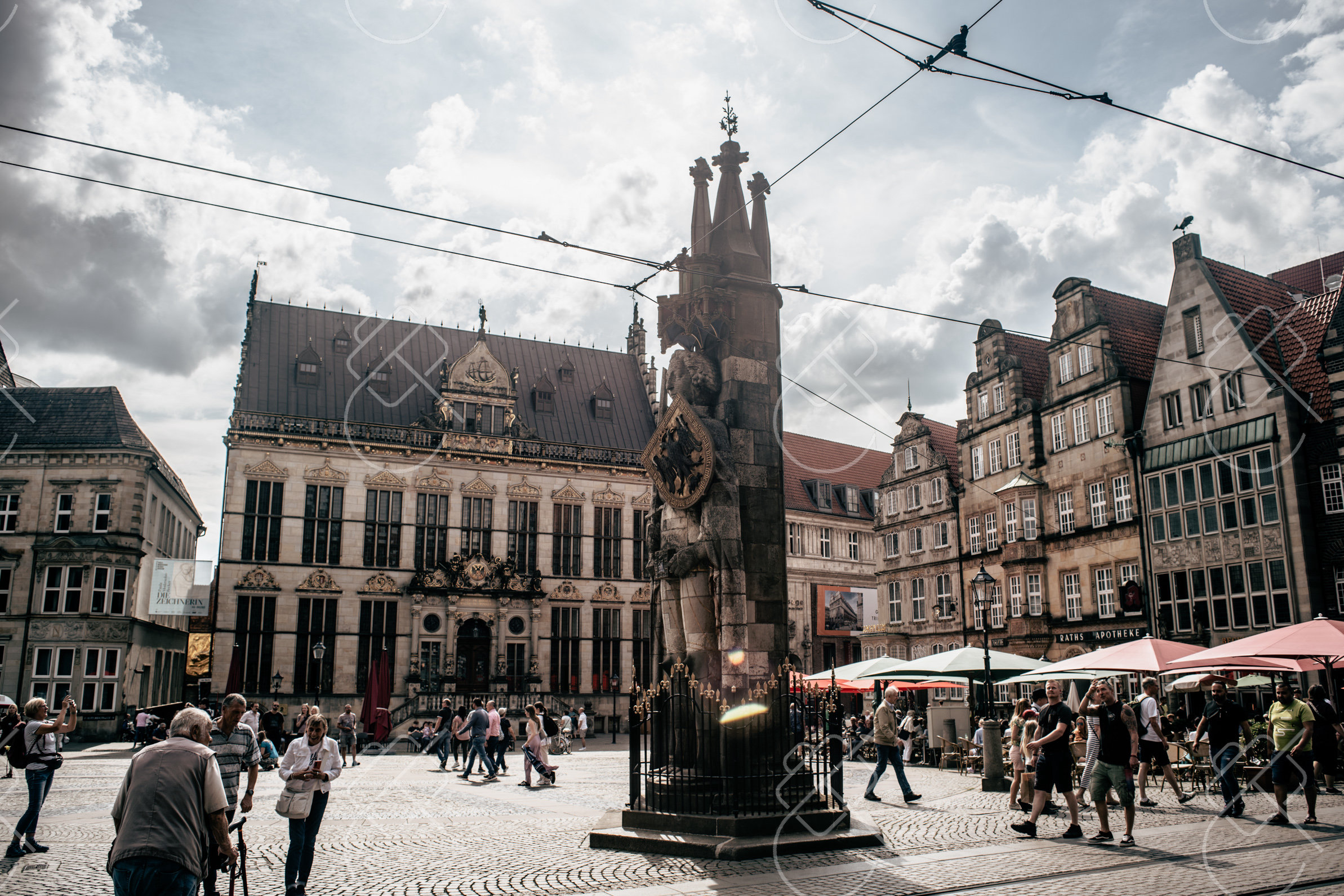 Attractions & day trips
As of 21 October 2026, Munich's Christkindlmarkt on Marienplatz opens earliest, on Friday 20 November 2026, closes for Totensonntag on Sunday 22 November, and runs to 24 December. Frankfurt, Heidelberg, Ulm and Bremen open on Monday 23 November, and Würzburg follows on Friday 27 November. All six markets are open at the same time only from 27 November to 22 December 2026, so that is the window for a multi-city trip. Dates and hours below come from each city's or organiser's own website, checked on 21 October 2026; where only local press has published a date, we say so.
Published October 21, 2026
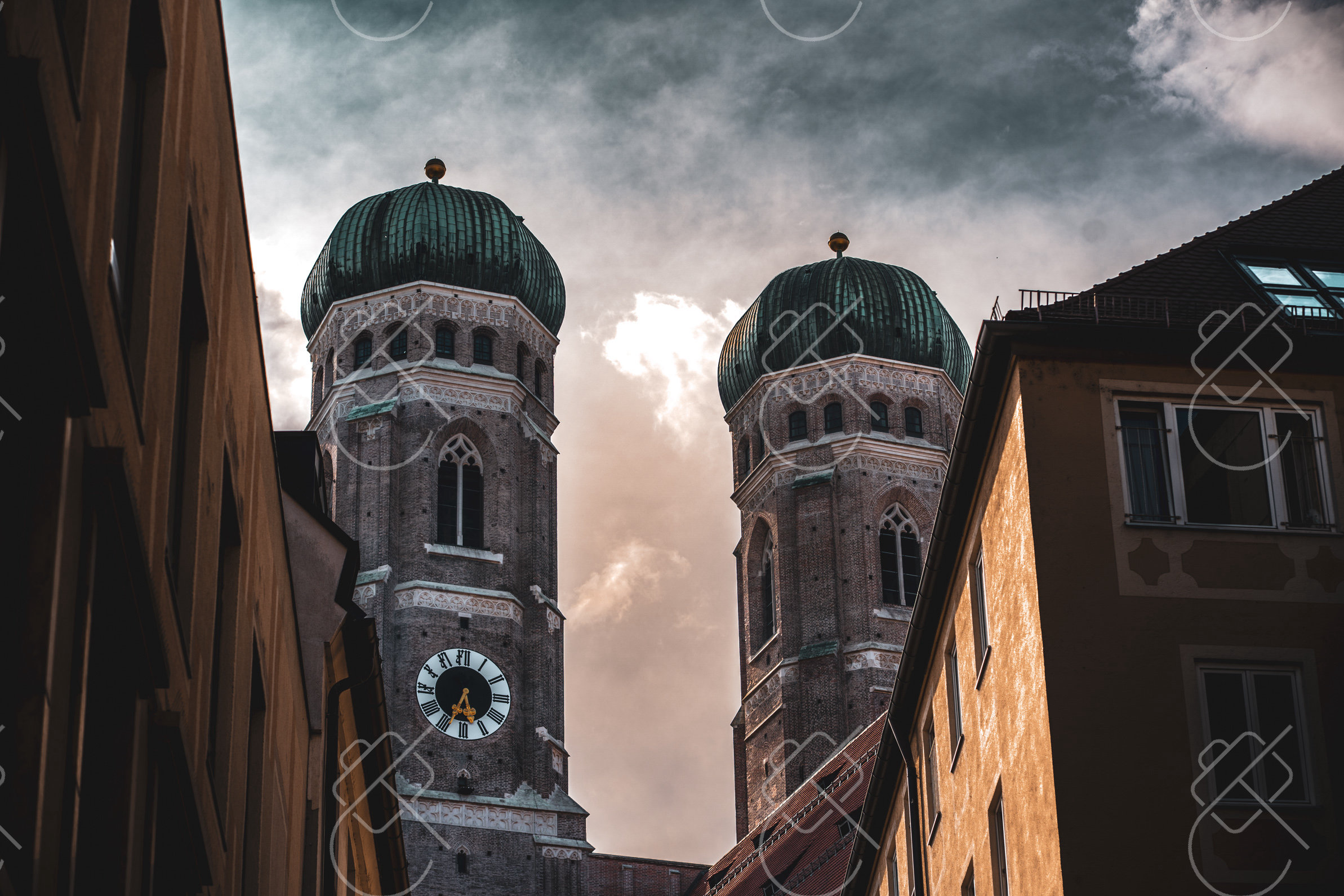
• Munich (Christkindlmarkt, Marienplatz): 20 November – 24 December 2026, closed Sunday 22 November · Mon–Sat 10:00–21:00, Sun 10:00–20:00, 24 December 10:00–14:00 · Marienplatz and the pedestrian streets around it (Kaufingerstraße, Neuhauser Straße, Rindermarkt, Sendlinger Straße, Weinstraße) · 138 stalls this year, the Kripperlmarkt for nativity figures by St. Peter's, and the Krampuslauf through the market on Sunday 13 December. Source: the city's official market site.
• Frankfurt (Weihnachtsmarkt, Römerberg): 23 November – 22 December 2026 · Mon–Sat 10:00–21:00, Sun 11:00–21:00 · Römerberg, Paulsplatz, Mainkai, Friedrich-Stoltze-Platz, Hauptwache and Roßmarkt · more than 230 stalls and a new market mug design every year. Source: visitfrankfurt.travel, the site of the city's tourism company that runs the market.
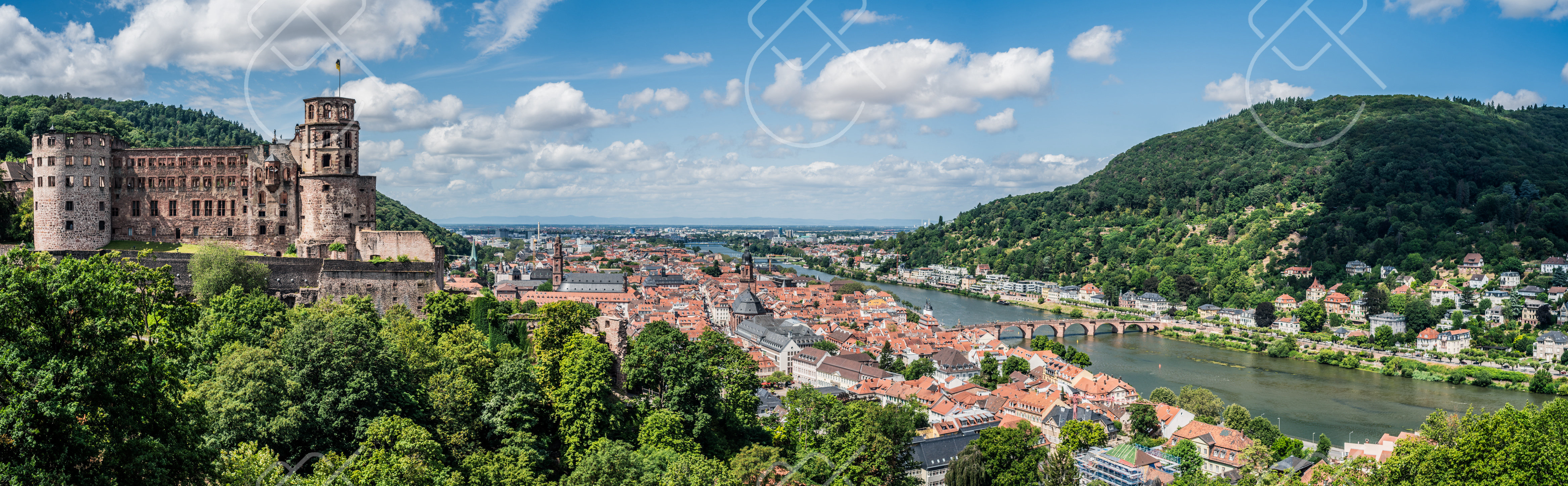
• Heidelberg (Heidelberger Weihnachtsmarkt, Altstadt): 23 November – 22 December 2026, as reported by local press (heidelberg24, updated 20 October 2026). Heidelberg Marketing's own event page did not show dates or hours when we checked on 21 October 2026, so treat this as unconfirmed · local press gives 11:00–21:00 daily, but other listings differ on Fridays, Saturdays and Sundays · spread over several squares in the old town: Marktplatz, Universitätsplatz, Kornmarkt, Karlsplatz (with an ice rink), Anatomiegarten and Bismarckplatz · in past years the Bismarckplatz section and the Winterwäldchen on Kornmarkt stayed open until 1 January; listings say the same for 2026, but that is not yet officially confirmed.
• Würzburg (Würzburger Weihnachtsmarkt, Marktplatz): 27 November – 23 December 2026 · Mon–Sat 10:00–20:30, Sun 11:00–20:30 · Oberer and Unterer Markt, Eichhornstraße and Am Grafeneckart, in front of the Falkenhaus and the Gothic Marienkapelle · an artisans' market in the town hall (Rathaus) runs on Advent weekends only: Saturdays 10:00–19:30, Sundays 11:00–19:30, closing at 18:00 on 28 November and closed on 20 December. Source: City of Würzburg.
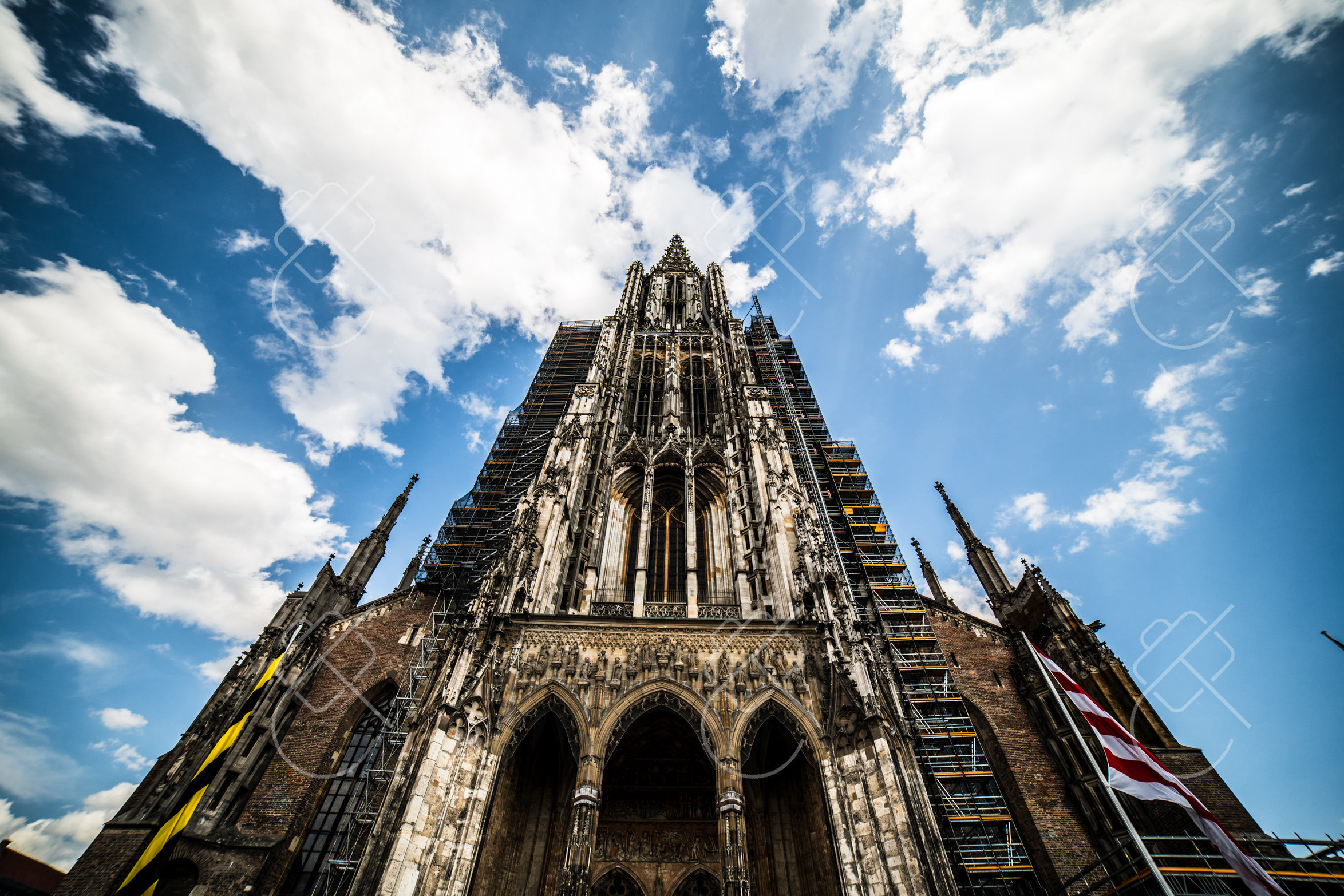
• Ulm (Ulmer Weihnachtsmarkt, Münsterplatz): pre-opening from Thursday 19 November, closed Sunday 22 November, official opening Monday 23 November, open until 22 December 2026 · daily 10:00–20:30 · Münsterplatz, below Ulm Minster · more than 130 stalls and a live nativity scene with real animals. Source: Ulm's official tourism site.
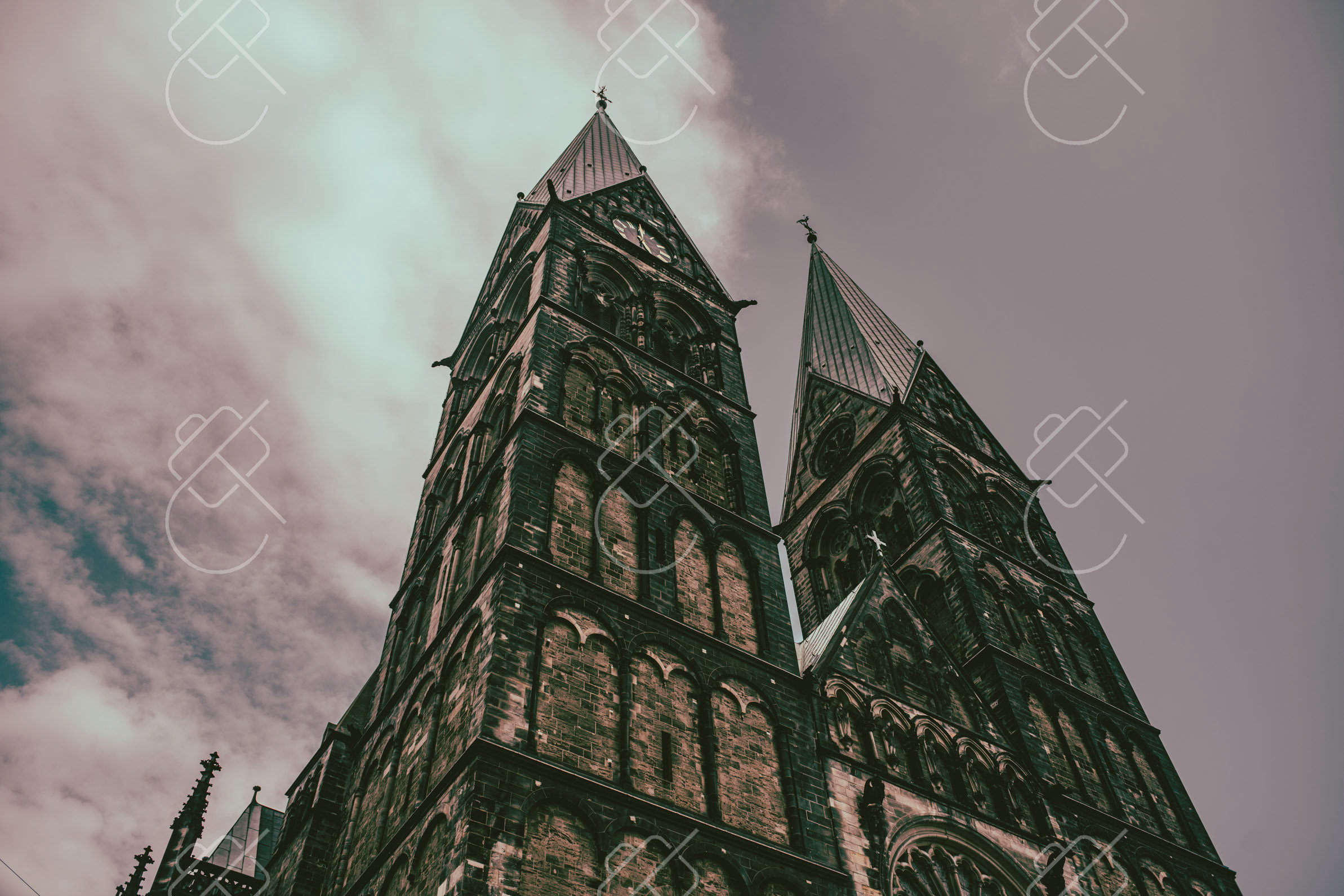
• Bremen (Weihnachtsmarkt and Schlachte-Zauber): 23 November – 23 December 2026 · bremen.de lists Sun–Thu 11:00–20:30, Fri–Sat 11:00–21:30 for the main market; the English-language bremen.eu page shows slightly different hours (Mon–Thu 10:00–20:30, Fri–Sat 10:00–21:00, Sun 11:00–20:30), so check before an early-morning visit · the main market fills the Marktplatz around the town hall and the Roland statue; the Schlachte-Zauber, a maritime-themed market on the Weser riverside promenade, has the same dates (Sun–Thu 11:00–20:30, Fri–Sat 11:00–21:30, opening at 10:00 on 14 December) and opens with fireworks over the Weser at about 18:30 on 23 November. Source: City of Bremen and the Schlachte-Zauber organiser's site.
Christmas Eve: Munich is the only one of the six still open on 24 December, and only until 14:00. None of the main markets runs between Christmas and New Year; the reported Heidelberg extensions are the only exception.
Totensonntag (also called Ewigkeitssonntag, Sunday of the Dead) is the Protestant day for remembering the dead, held on the last Sunday before Advent. In 2026 it falls on 22 November. It is a protected "quiet day" under German state holiday laws, and many Christmas markets traditionally open on the Monday after it. That is why Frankfurt, Heidelberg, Ulm and Bremen all start on Monday 23 November.
Munich changed its rules this year. An amendment to the city's market statute, in force from 1 January 2026, says the Christkindlmarkt now begins on the Friday before Totensonntag and the stalls stay closed on Totensonntag itself. In 2025 the market opened on Monday 24 November; in 2026 it opens on Friday 20 November, trades on Saturday 21 November, closes on Sunday 22 November and reopens on Monday 23 November. Ulm uses a similar pattern: a pre-opening from Thursday 19 November, closed on the 22nd, then the official opening on the 23rd.
If you land in Germany on the weekend of 21–22 November, plan Saturday at the Munich or Ulm market and keep Sunday for something else.
The big markets are crowded. Munich's official figures put attendance at 3.2 million visitors in 2025. Friday and Saturday evenings and the four Advent weekends are the busiest; the Bremen city tourism page itself recommends visiting on weekdays.
• Weekday late afternoon (about 16:00–18:00): dark by then in late November and December, so the lights are on, but the after-work crowd hasn't arrived yet. This is the best time for photos and short queues at the Glühwein stalls.
• Weekday mornings: quietest for shopping the craft stalls, but less atmosphere. Munich, Frankfurt, Würzburg and Ulm open at 10:00 on weekdays.
• Weekend evenings: the most atmosphere and the longest queues. In Munich, live Advent music plays from the town hall balcony from 17:15 Sunday to Thursday, so a Sunday evening there still gets the music.
• Late opening hours: Bremen's markets stay open to 21:30 on Fridays and Saturdays (per bremen.de), Munich and Frankfurt to 21:00. Würzburg and Ulm close earlier, at 20:30, so plan those for the afternoon.
Hot drinks at German Christmas markets come in ceramic mugs, not paper cups. The price on the board is the drink plus a mug deposit (Pfand). Hand the mug back at the stall and you get the deposit back in cash; keep it and the deposit is what you paid for a souvenir. Many markets, Frankfurt included, design a new mug every year, which is why people collect them.
Deposit amounts are set by each market or stall and are listed on the stall's price board, so we don't quote a single figure here. Return mugs to the stall you bought from, or at least to a stall serving the same design; a mug from one market is not refundable at another city's market.
Payment: Munich's official site says about 80% of traders take cards, some with a minimum spend of €1, €5 or €10, and not American Express. Smaller stalls in every city may still be cash only, so carry coins and small notes for drinks and the deposit.
Five of the six cities are in the south and west, each within about two hours of the next by Deutsche Bahn, which makes market-hopping easy. Rough travel times on the fastest direct ICE trains (check DB Navigator for your date):
• Munich – Ulm: about 1 hour 15 minutes.
• Munich – Würzburg: about 2 hours.
• Würzburg – Frankfurt: about 1 hour 10 minutes.
• Frankfurt – Heidelberg: about 1 hour, often with a change in Mannheim.
• Frankfurt – Bremen: about 3.5 to 4 hours, usually via Hannover. Bremen is the outlier in the north and works best as a separate trip.
The Deutschlandticket costs €63 for a calendar month in 2026 and €66.80 from 1 January 2027. It covers regional trains, S-Bahn, U-Bahn, trams and buses everywhere in Germany, but not ICE, IC or EC long-distance trains. It is a subscription: cancel by the 10th of the month or it renews. It pays off for slower regional hops such as Frankfurt to Heidelberg or Ulm to Munich and for city transit to the markets, but not if every leg is on an ICE. Our Deutschlandticket guide covers how tourists buy it.
A route that uses the full overlap window: start in Munich (open from 20 November), then Ulm, Würzburg (from 27 November), Frankfurt and Heidelberg, finishing by 22 December, when Frankfurt, Heidelberg and Ulm close. Our city guides for Munich, Würzburg, Heidelberg, Ulm and Bremen cover what to see beyond the market squares.
Compare this trip with Bath, Prague and Budapest in our Christmas markets hub.
Friday 20 November 2026. It is closed on Sunday 22 November (Totensonntag) and runs until 24 December, when it closes at 14:00. Regular hours are Mon–Sat 10:00–21:00 and Sun 10:00–20:00.
Mostly no. Totensonntag falls on 22 November 2026, and Frankfurt, Heidelberg, Ulm and Bremen open the next day, 23 November. Munich and Ulm open before it but close on 22 November.
23 November to 22 December 2026, Mon–Sat 10:00–21:00 and Sun 11:00–21:00, on the Römerberg and five other squares, according to the city's tourism company that runs the market.
For several cities, go between 27 November and 22 December 2026, when Munich, Frankfurt, Heidelberg, Würzburg, Ulm and Bremen are all open. Weekday late afternoons are less crowded than Friday and Saturday evenings.
Yes. The price includes a mug deposit (Pfand), refunded in cash when you return the mug to the stall. The amount varies by market and is shown on the stall's price board.
No. The Deutschlandticket (€63 a month in 2026) covers regional trains and city transit only, not ICE, IC or EC trains. You need a separate long-distance ticket for those legs.
Entry rules change, and they depend on your nationality — always confirm the current requirements on the official government site before you book or apply. Only use official government (.gov) portals; ignore look-alike agency sites.
Get the best deals on Germany hotels before they're gone — see Booking.com.