Home
About us
Destinations
Travel Guides
Recipes
Featured
Photos As Art
Abstract Prints
Locations
Travel Gear
Travel Resources
Favorites
Photo Framer
Explore Photos
Contact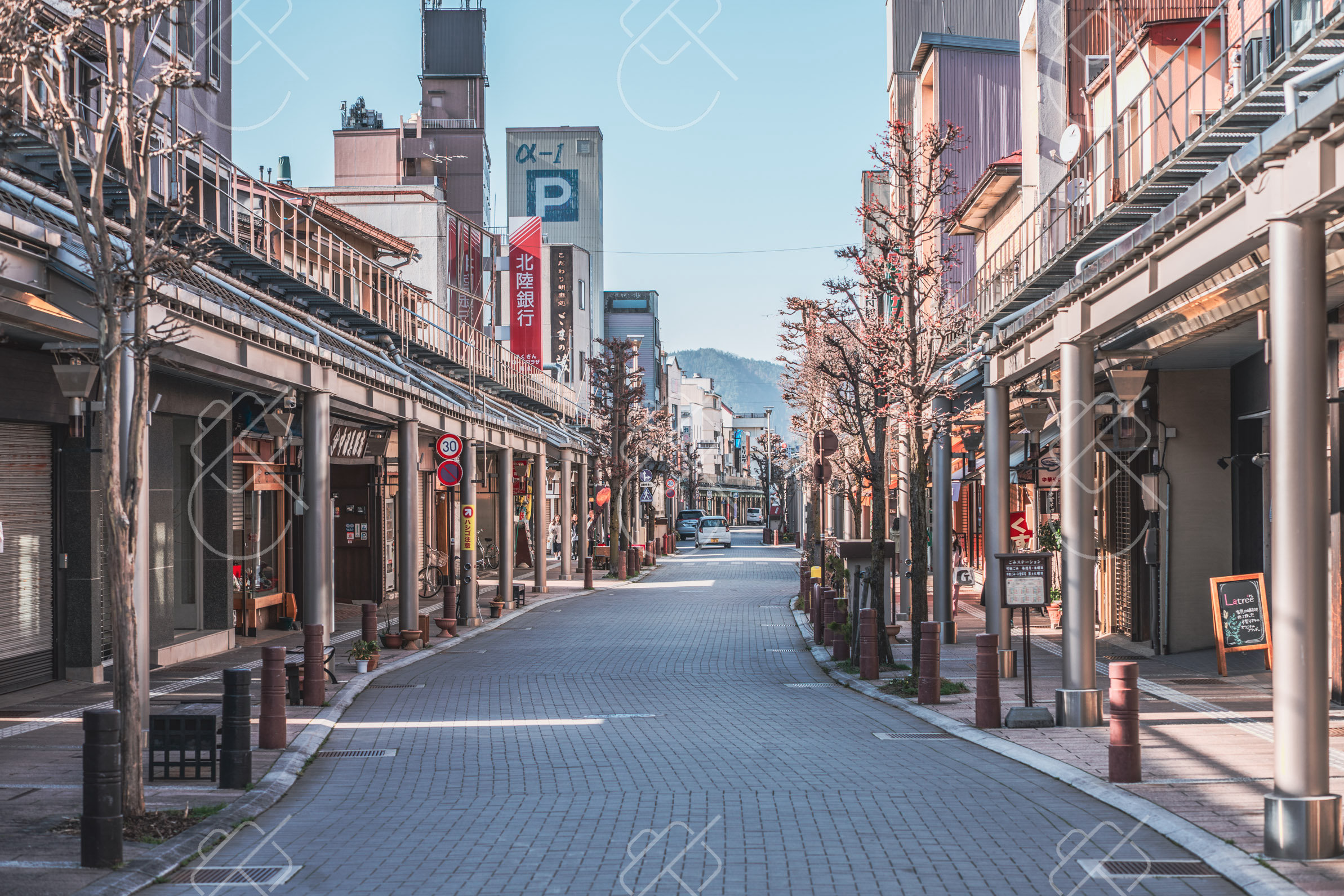 Destinations & Itineraries
As of 21 October 2026, the Japan Meteorological Agency's 1991–2020 normals put Tokyo's average high at 12.0°C in December, 9.8°C in January and 10.9°C in February, with lows of 1 to 4°C, little rain and almost no settled snow. Osaka and Kyoto are similar. The mountains and the Sea of Japan coast are a different season: Takayama averages -1.2°C in January, with typical night lows near -5°C and snow cover that usually reaches about 44 cm, and Kanazawa gets 256 mm of rain and snow and only 62 hours of sunshine in January. The one week to plan around is New Year: government offices close 29 December to 3 January by law, banks 31 December to 3 January, and many sights shut for part of that week (the Imperial Palace East Gardens from 28 December to 3 January). We travelled Japan in spring, from 18 March to 20 April 2023, not in winter, so this is a planning page built from JMA data and the venues' own notices.
Published October 21, 2026
All figures are the JMA's 1991–2020 normals for each city's main weather station: average daily high and low, monthly precipitation (rain plus melted snow), sunshine hours, and the average deepest snow cover in the month.
• Tokyo: December 12.0°C / 3.8°C, January 9.8°C / 1.2°C, February 10.9°C / 2.1°C. Only 56 to 60 mm of precipitation a month and about 192 hours of sunshine in January, the sunniest winter of the cities here. Snow falls on a few days a year and rarely lies more than a few centimetres.
• Osaka: December 12.3°C / 5.3°C, January 9.7°C / 3.0°C, February 10.5°C / 3.2°C. Dry (47 to 61 mm a month) and the mildest nights of the group.
• Kyoto: December 11.6°C / 3.5°C, January 9.1°C / 1.5°C, February 10.0°C / 1.6°C. Colder mornings than Osaka and more flurries: JMA records snow or sleet on about 16 days in a normal January, but the average deepest cover is only 3 cm in January and 4 cm in February, so a white Kinkaku-ji is a lucky morning, not something to plan on.
• Kanazawa: December 10.2°C / 3.5°C, January 7.1°C / 1.2°C, February 7.8°C / 1.0°C. Not much colder than Kyoto, but the wettest and greyest: 301 mm of precipitation in December and 256 mm in January, 62 to 87 hours of sunshine a month, and average deepest snow of 27 cm in January.
• Takayama: December 6.2°C / -1.7°C, January 3.2°C / -4.8°C, February 4.7°C / -4.9°C. Proper winter: about 117 cm of snowfall in a normal January and average deepest cover of 44 cm in January and 45 cm in February.
• Matsumoto: December 8.0°C / -2.2°C, January 5.1°C / -4.9°C, February 6.6°C / -4.5°C. As cold at night as Takayama but much drier and sunnier (about 40 mm and 172 hours of sunshine in January), with average deepest snow of 19 cm in January.
The pattern is simple: the Pacific side (Tokyo, Osaka, Kyoto) is cold, dry and bright; the Japan Sea side (Kanazawa) is mild but wet and dark; the Alps (Takayama, Matsumoto) are below freezing at night with snow on the ground. Days are short everywhere. The National Astronomical Observatory of Japan lists sunset in Tokyo at 16:28 to 16:37 through December 2026, so plan outdoor sights for the morning and keep evenings for illuminations, food and onsen.
December is the easiest month on the Pacific side: the driest weather in Tokyo, the city illuminations running (our 2026–27 illuminations guide has the dates), and normal opening hours until the last week. From about 25 December, trains, flights and hotels fill with people heading home for New Year.
January is the coldest month in every city here and the quietest after the first week. The national holidays are 1 January (New Year's Day) and 11 January 2027 (Coming of Age Day), per the Cabinet Office. Kyoto's winter special openings of normally closed temple buildings (Kyo no Fuyu no Tabi) ran from 9 January to 18 March in 2026; the 2027 programme has not been announced as of 21 October 2026.
February has the most snow in Takayama and the most winter events at once: Kobe Luminarie (29 January – 7 February 2027), the Kenroku-en light-up in Kanazawa (planned for 6–10, 13, 20 and 27 February) and the Takayama and Matsumoto light-ups all overlap. The 2027 holidays are 11 February (National Foundation Day) and 23 February (the Emperor's Birthday); expect busier trains and domestic tourists on both.
If you can move your dates to late March, the trade is warmer weather and cherry blossom against bigger crowds and higher prices; our 2027 cherry blossom forecast covers that window.
New Year (shogatsu) is Japan's main family holiday. Closures vary by venue, so treat the dates below as the pattern and check each place you care about.
• Government offices: closed 29 December to 3 January under the Act on Holidays of Administrative Organs. That includes city tourist offices run by the local government, and the many museums and gardens that follow the same calendar.
• Banks: closed 31 December to 3 January under the Banking Act Enforcement Order. In 2026–27 that means counters close after Wednesday 30 December and reopen Monday 4 January 2027. Draw cash before the 31st; convenience-store ATMs are the usual fallback (see our yen and ATM guide).
• Imperial Palace East Gardens (Tokyo): closed 28 December to 3 January, a standing rule of the Imperial Household Agency, as well as every Monday and Friday.
• Kyoto National Museum: closed 29 December 2025 to 1 January 2026 last winter and reopened on 2 January; the 2026–27 dates are not yet published.
• Matsumoto Castle: open every day except 29 to 31 December, and open 10:00 to 15:30 over the New Year holiday itself, according to the castle's official visitor information.
• Takayama Jinya: the official site says it closes over the year-end and New Year holiday without giving exact dates; Gifu Prefecture materials list 29 December to 3 January. Winter hours are 8:45 to 16:30 from 1 November.
• Shrines and temples are the opposite: open, and at their busiest from midnight on 31 December through 3 January for hatsumode, the first shrine visit of the year. Go early in the morning or after 4 January if you want the big ones quiet.
• Trains: JR Central, JR East and JR West run the Hida (Nagoya–Takayama) and Shinano (Nagoya–Matsumoto) limited expresses all-reserved from 25 December 2026 to 5 January 2027, the same period as the all-reserved Nozomi Shinkansen. Book seats ahead for any long-distance trip in that window; the Shinkansen tickets guide covers how.
Pack for the coldest place on your route, not for Tokyo. Indoors (trains, shops, hotels, restaurants) is heated, so layers you can take off beat one very heavy coat.
• Tokyo, Osaka and Kyoto only: a warm coat that blocks wind, a thermal base layer for early mornings, a light sweater or fleece, scarf and gloves. Highs around 10°C feel fine in the sun and cold in the shade and after dark.
• Adding Kanazawa: a waterproof outer layer and an umbrella. With 250 to 300 mm a month falling as rain, sleet and wet snow, waterproof shoes matter more than an extra jumper.
• Adding Takayama, Matsumoto or the Alps: an insulated coat, a hat, thermal top and bottom, warm socks, and boots with grip for packed snow and ice on the old-town streets. Night lows of -5°C are normal.
• Shoes you can slip off: you take them off at ryokan, many restaurants, temple halls and castle keeps (Matsumoto's included), so laced boots get tedious. Our Japan etiquette guide covers where.
• Moisturiser and lip balm: Tokyo's average January humidity is 51% (JMA), and heated rooms are drier still.
Winter is onsen season. Read our onsen etiquette guide before your first bath, and if you're staying near Tokyo, the Hakone Freepass guide shows whether the pass pays for a hot-spring day trip.
The route we took in spring 2023, Tokyo then Matsumoto, Takayama and Kanazawa to Kyoto and Osaka (see our 33-day Japan itinerary), works in winter too. It goes from the dry Pacific side into the snow and back. Keep a spare day in the Alps: mountain roads and buses between Matsumoto, Takayama and Kanazawa can be disrupted by snow, so check winter timetables before you book onward hotels.
• Avoid long-distance trains and flights in the last days of December and the first days of January if you can, when much of Japan travels home for New Year and back.
• Departure tax is now ¥3,000 for flights from 1 July 2026, usually included in the ticket (details).
• Tax-free shopping changed to a refund system on 1 November 2026: you pay the tax in the shop and get it back when you leave Japan (how it works).
Our city guides for Takayama, Kanazawa and Matsumoto cover the sights by day; the photos are from our spring visit.
On the Pacific side it is cool rather than harsh: JMA normals give Tokyo an average December high of 12.0°C and low of 3.8°C, Osaka 12.3°C and 5.3°C. The Alps are colder, with Takayama's December average at 6.2°C by day and -1.7°C at night.
Flakes fall, but snow rarely settles. JMA records snow or sleet on about 16 days in a normal January in Kyoto, yet the average deepest cover is only 3 cm in January and 4 cm in February. Tokyo's is about 3 cm. For reliable snow, go to Takayama (about 44 cm average deepest cover in January) or Kanazawa (27 cm).
Government offices close 29 December to 3 January and banks 31 December to 3 January. Many museums and gardens follow a similar pattern, for example the Imperial Palace East Gardens (28 December to 3 January) and Matsumoto Castle (29 to 31 December). Shrines and temples stay open and are at their busiest.
No. Banks are closed 31 December to 3 January. For 2026–27 the last counter day is Wednesday 30 December and they reopen on Monday 4 January 2027, so draw cash beforehand or use convenience-store ATMs.
Yes, if you like cold, clear weather and fewer crowds after the first week. January is the coldest month (Tokyo averages 9.8°C by day), but Tokyo gets about 192 hours of sunshine. Avoid 28 December to 4 January if you want normal opening hours and easy train bookings.
In Tokyo, Osaka and Kyoto, a windproof coat, a thermal base layer, scarf and gloves for highs around 10°C. For Takayama or Matsumoto, add an insulated coat, hat and boots with grip, since night lows average about -5°C and snow lies on the ground. For Kanazawa, bring waterproofs.
Entry rules change, and they depend on your nationality — always confirm the current requirements on the official government site before you book or apply. Only use official government (.gov) portals; ignore look-alike agency sites.
Search verified local fleets with low security deposits and exact model delivery on Localrent.
Get the best deals on where to stay in Japan — Hotels.com.