Home
About us
Destinations
Travel Guides
Recipes
Featured
Photos As Art
Abstract Prints
Locations
Travel Gear
Travel Resources
Favorites
Photo Framer
Explore Photos
Contact Destinations & Itineraries
Three to four days is right for most first trips to Tokyo. We spent 9 days there in 2023: 4 at the start of our Japan trip (18–22 March) and 5 at the end (15–20 April). Three days covers Asakusa, Ueno and Yanaka, and the Imperial Palace, Akihabara and Shinjuku; a fourth adds Meiji Jingu, Harajuku and Shibuya. Beyond that, the extra days are best used for day trips such as Kamakura, Hakone or Mount Fuji, or for splitting Tokyo into two stays as we did.
Published June 10, 2026
• 2 days: Asakusa and the old east, then Shinjuku after dark. You see the two sides of the city but little else.
• 3 days: the minimum we would plan, one area per day, as in our 3 days in Tokyo itinerary.
• 4 days: adds the west: Meiji Jingu, Harajuku and the Shibuya crossing. Our 14-day itinerary gives Tokyo 4 nights for this reason, with room for jet lag.
• 5 days or more: add day trips, museums and the neighborhoods most visitors never reach.
Tokyo is a cluster of districts rather than one center, and crossing the city costs time, so plan by district rather than by attraction.
Day 1, Asakusa and the Sumida. Senso-ji before 8am, the length of Nakamise-dori, then the riverbank for the clearest view of Tokyo Skytree. Come back after dark for the painted shop shutters.
Day 2, Ueno and Yanaka. The Tokyo National Museum in the morning (closed Mondays), Shinobazu Pond, then the wooden streets of Yanaka and Yanaka Ginza in the late afternoon.
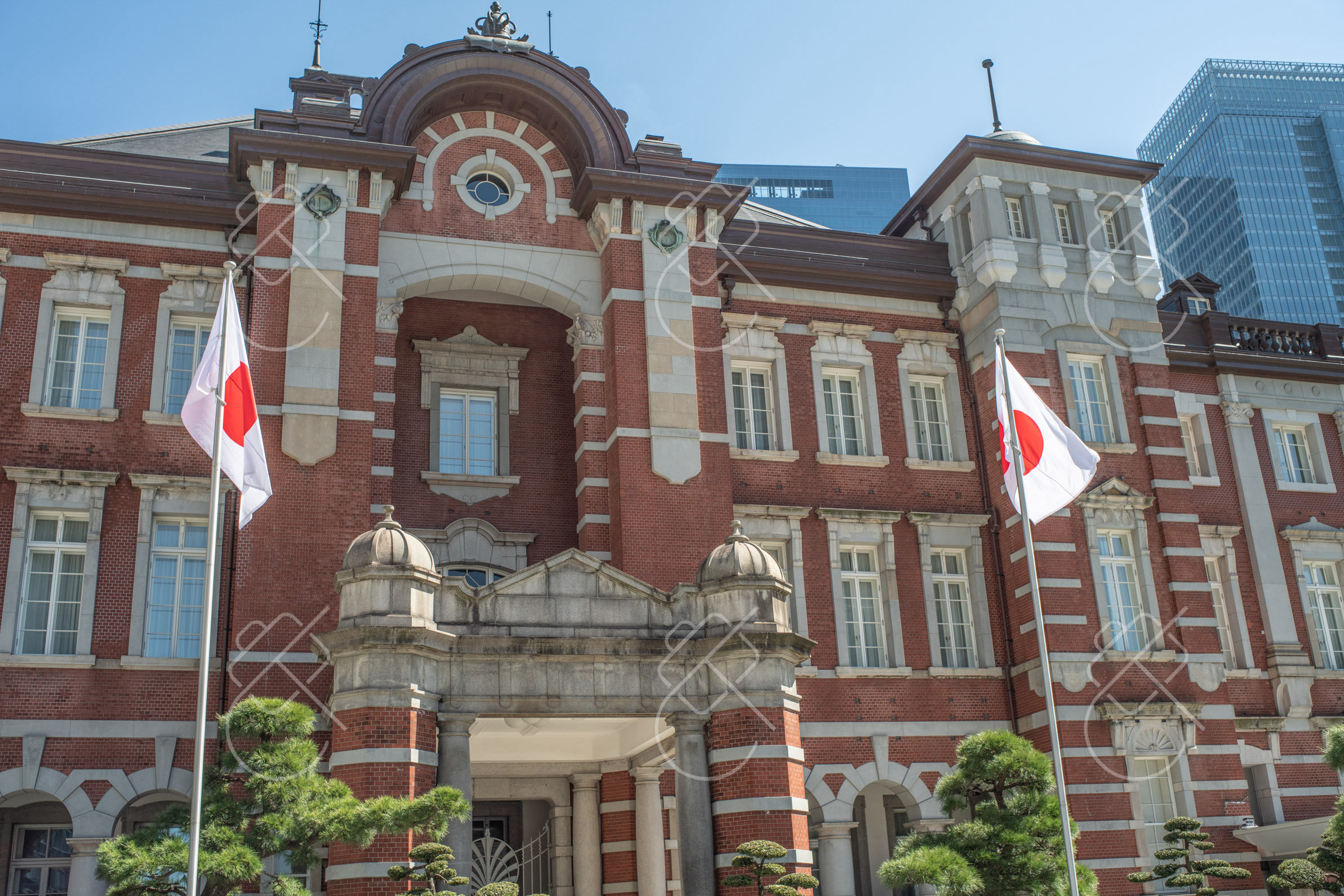
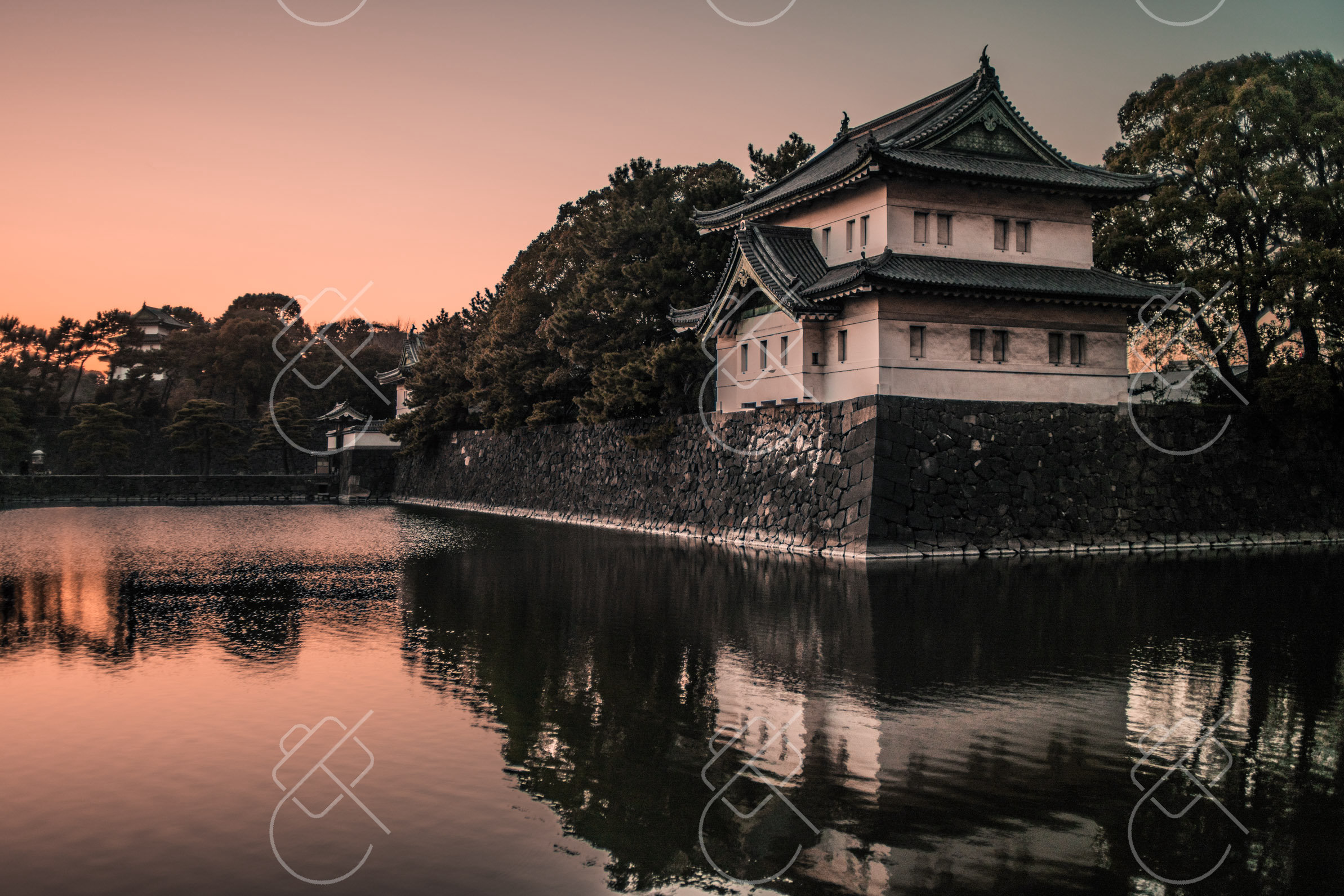
Day 3, the Imperial center, Akihabara and Shinjuku. The free East Gardens of the Imperial Palace (closed Mondays and Fridays), Tokyo Station's red-brick facade, Akihabara in the afternoon, then Omoide Yokocho, Golden Gai and the free observatories of the Tokyo Metropolitan Government Building.
Day 4, the west. Meiji Jingu's forest, Harajuku, and the Shibuya scramble crossing. In late November, add the ginkgo avenue at Meiji Jingu Gaien.
Check closing days before you fix the order. Most museums close on Mondays, and the palace gardens on Mondays and Fridays. Pay for trains with an IC card; see our Suica and Pasmo guide.
Our Tokyo time came in two blocks: 4 days on arrival, and 5 more at the end after a month on the road through the Alps, Kyoto, Osaka and Hiroshima. The first block landed at the start of cherry blossom season; Tokyo reached full bloom on 22 March 2023. The second came almost four weeks later.
Splitting a long Tokyo stay like this works well if your flights go in and out of Tokyo. The first stay handles jet lag and the headline districts; the second picks up what you missed and suits shopping before you fly. On our 33-day route the trip back was a single Nozomi from Hiroshima, about 4 hours.
• Kamakura: about an hour south, for the Great Buddha and the coast.
• Hakone: hot springs, the mountain loop and, on a clear day, Fuji. It is better overnight than as a day trip; see whether the Hakone Freepass is worth it.
• Mount Fuji and Kawaguchiko: our Mount Fuji day trip guide compares the Romancecar, highway buses and tours.
• In the city: a full day at a museum, teamLab Planets or Borderless, the secondhand bookshops of Jimbocho, or a slower morning in Yanaka.
More than about a week is only worth it if Tokyo is your base for day trips. Otherwise the days are usually better spent on the road: our 10-day itinerary moves on after 3 nights.
Shinjuku is the most practical base: the busiest station in the world, every line you need and food at any hour. Asakusa and Ueno are cheaper and better for old Tokyo, and Ueno has the Keisei line straight to Narita. If you have not booked flights yet, our Haneda vs Narita guide compares the two airports.
If you are splitting Tokyo into two stays, change neighborhoods between them, for example Asakusa first and Shinjuku at the end, so the second stay feels like a new part of the city.
Yes, for a first trip if you plan one area per day: Asakusa, then Ueno and Yanaka, then the Imperial Palace, Akihabara and Shinjuku. A fourth day adds Meiji Jingu, Harajuku and Shibuya.
No, if you use the extra days for day trips to Kamakura, Hakone or Mount Fuji, or for museums and quieter districts. We spent 9 days in Tokyo, split into 4 at the start of our trip and 5 at the end.
Three or four days in each. Our 7-day plan uses 3 nights in Tokyo, 3 in Kyoto and a last night in Osaka.
Kamakura for the Great Buddha and the coast, Hakone for hot springs and the mountain loop (better overnight), and Mount Fuji and Kawaguchiko by Romancecar, highway bus or tour.
Most museums, including the Tokyo National Museum. The Imperial Palace East Gardens close on Mondays and Fridays. Plan those days around Asakusa, Shinjuku or a day trip.
Entry rules change, and they depend on your nationality — always confirm the current requirements on the official government site before you book or apply. Only use official government (.gov) portals; ignore look-alike agency sites.
Search verified local fleets with low security deposits and exact model delivery on Localrent.
Compare flights to Japan and get the best deals on Expedia.