Home
About us
Destinations
Travel Guides
Recipes
Featured
Photos As Art
Abstract Prints
Locations
Travel Gear
Travel Resources
Favorites
Photo Framer
Explore Photos
Contact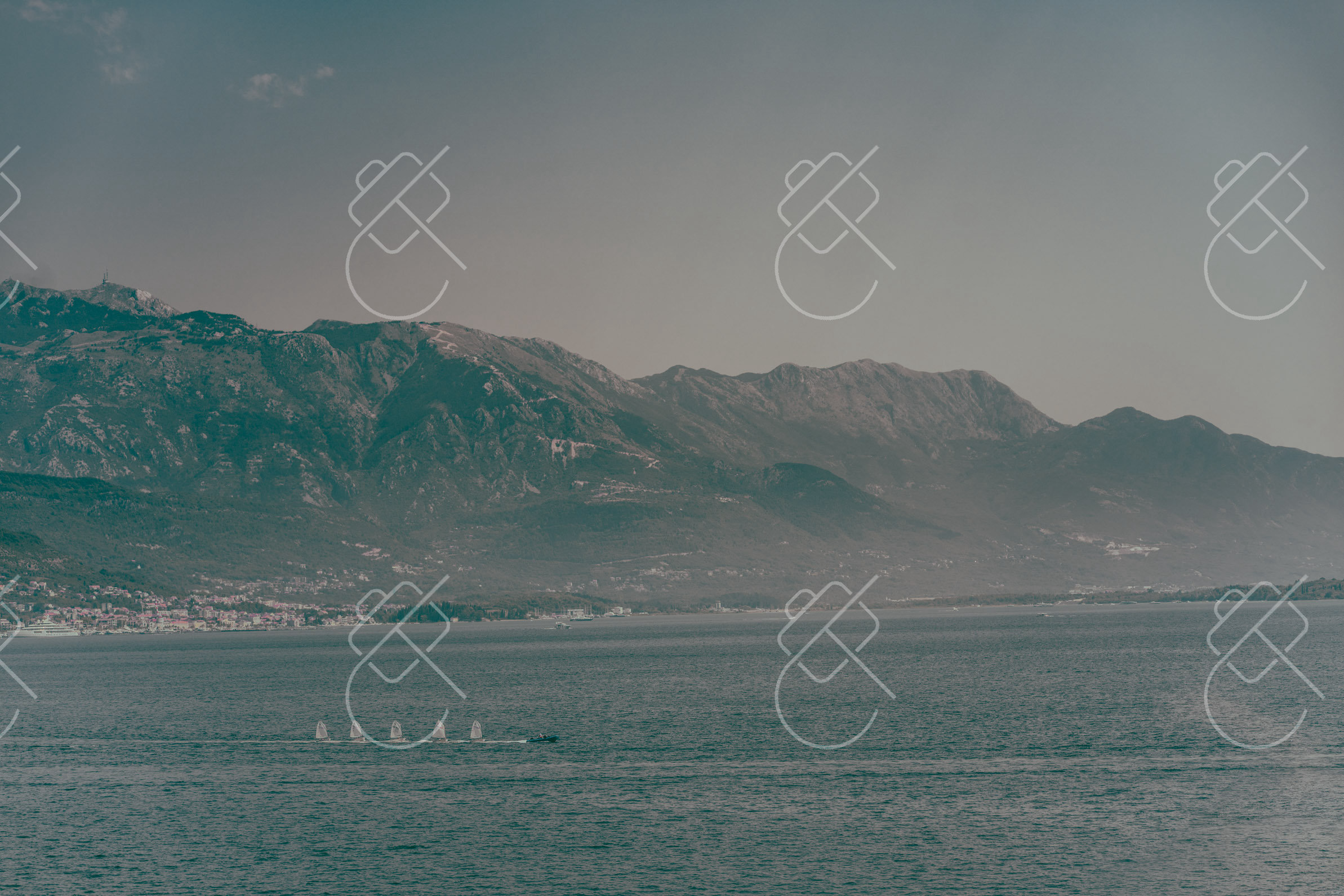 Road trips & driving
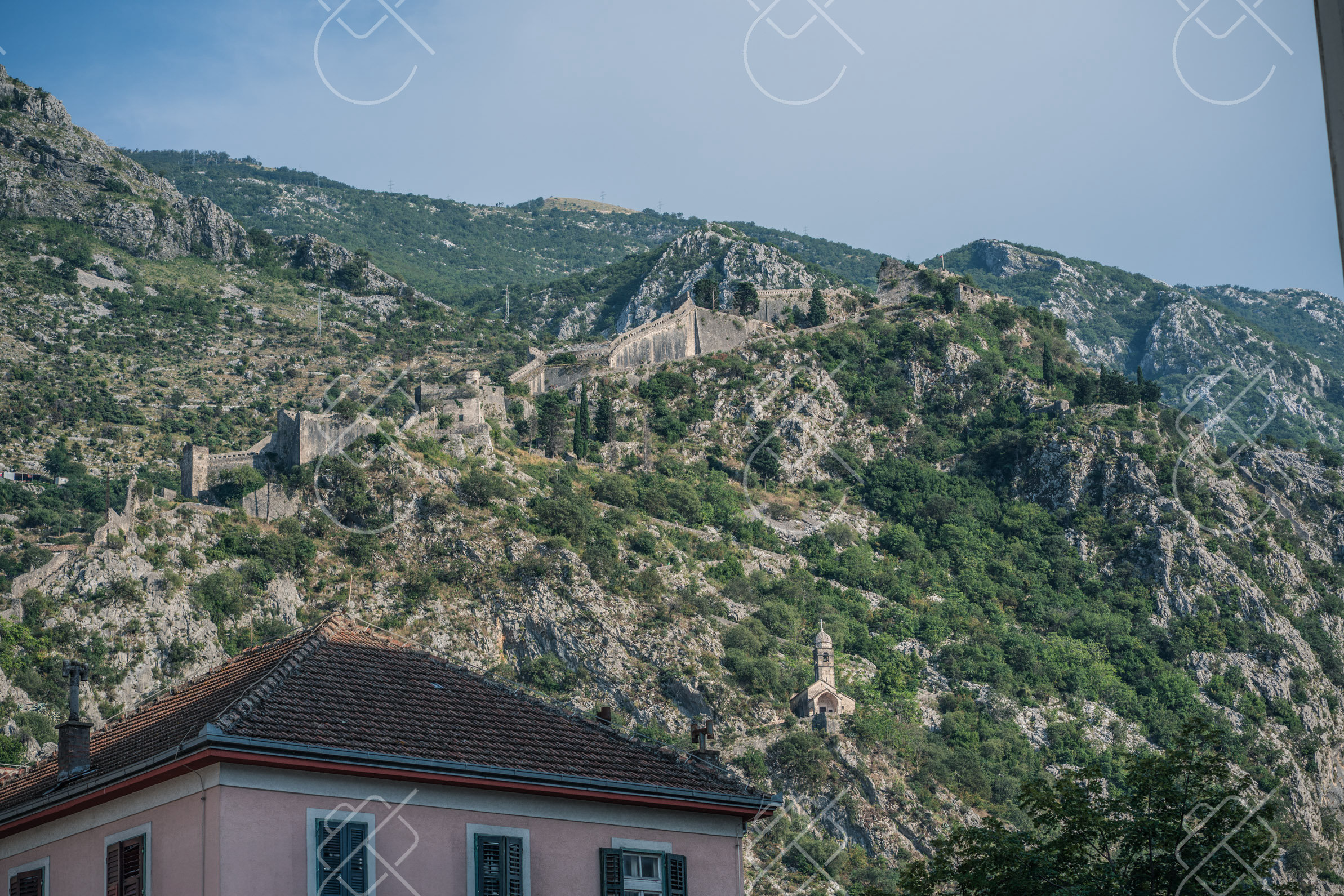
Carved into the sheer limestone cliffs above the UNESCO World Heritage Bay of Kotor, the historic Austro-Hungarian P1 road—famous for its 25 numbered hairpin turns known as the Kotor Serpentine—is one of Europe most legendary mountain drives. Climbing nearly 1,000 meters above sea level in less than 18 kilometers, each switchback unfolds increasingly breathtaking panoramic views over the glistening fjord-like fjord of Boka Kotorska and the Adriatic horizon. Navigating this narrow mountain pass requires patience, steady nerve, and adherence to Balkan mountain road etiquette.
Published October 17, 2026
Constructed between 1879 and 1884 by Austro-Hungarian engineer Josip Slade, the P1 road was engineered to connect the coastal Habsburg naval port of Kotor with the independent royal capital of Cetinje in Montenegro. Slade incorporated 25 numbered sharp switchbacks to conquer the vertical limestone rock face.
Legend tells that Slade deliberately designed the gentle curve of one high hillside section to form the letter 'M', paying secret romantic tribute to Milena Vukotic, the Princess of Montenegro. Today, each hairpin turn is clearly painted on the asphalt barriers with its corresponding number (1 through 25).
The Kotor Serpentine is fully paved with solid tarmac, but it is exceptionally narrow—averaging between 3.5 to 5 meters wide. In many sections, two cars cannot pass simultaneously without one vehicle pulling onto the unpaved outer shoulder.
The greatest challenge on the road is encountering oncoming tourist excursion minibuses descending from Lovcen. The vehicle traveling uphill has right of way, but common sense dictates that the vehicle closest to a designated passing turnout must brake or reverse. Never hug the cliff edge blindly on hairpin apexes; honk your horn lightly when approaching blind turns and keep speeds under 30 km/h.
While every hairpin offers stunning vistas, the premier viewpoints start after Hairpin 16. From here, you look down directly upon the runway of Tivat Airport, the Vrmac ridge, and the twin inner bays of Kotor and Tivat.
Near Hairpin 24, stop at Panorama Caffe / Horizont Bar, a cliff-hanging wooden terrace where you can sip Montenegrin espresso or Niksicko beer perched 900 meters directly above the cruise ships docked in Kotor harbor.
Once you round the final 25th hairpin at the Krstac Pass, the landscape transitions into the stark, boulder-strewn karst moonscape of Njegusi, the ancestral village of the Petrovic dynasty.
Stop at a roadside stone smokehouse to taste authentic Njeguski prsut (mountain ham cured in mountain pine smoke) and aged sheep cheese. From Njegusi, continue upward into Lovcen National Park to climb the 461 stone tunnel steps to the monumental Njegos Mausoleum atop Jezerski Vrh (1,657m).
The ideal time to drive the Kotor Serpentine is early morning (before 9:00 AM) or late afternoon before sunset. Morning drives avoid tourist minibuses completely, while late afternoon bathes the Bay of Kotor in magnificent golden light.
If you want to experience the serpentine without having to navigate oncoming traffic on the descent, drive up the 25 hairpins from Kotor to Njegusi and Cetinje, and then return to the coast via the wide, modern multi-lane highway connecting Cetinje to Budva.
It can be nerve-wracking if you have a severe fear of heights or dislike reversing on narrow mountain edges. However, speeds are very low, local drivers are accustomed to maneuvering, and stone retaining walls line the steepest cliff edges.
A small compact car (such as a Volkswagen Polo, Toyota Yaris, or Fiat 500) is far better than a large SUV, as smaller cars easily squeeze past oncoming traffic in narrow passing bays.
Driving from Kotor Old Town to the top of Hairpin 25 takes roughly 40 to 50 minutes at cautious speeds, plus extra time for photo stops at viewpoints.
Search verified local fleets with low security deposits and exact model delivery on Localrent.
Get the best deals on hotels in Montenegro with Booking.com.