Home
About us
Destinations
Travel Guides
Recipes
Featured
Photos As Art
Abstract Prints
Locations
Travel Gear
Travel Resources
Favorites
Photo Framer
Explore Photos
Contact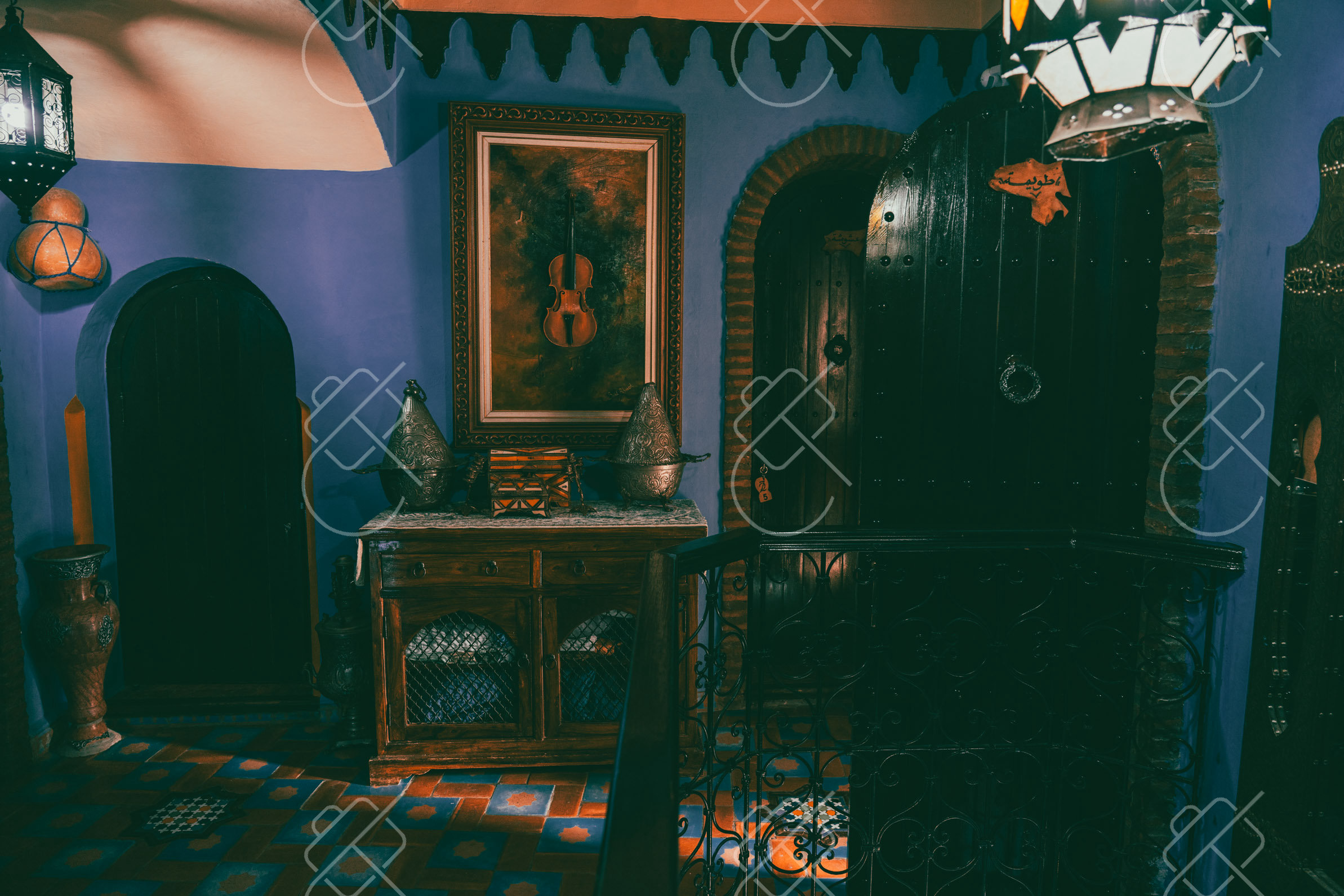 Money & payments
Morocco calls it baksheesh, and it covers more ground than a restaurant tip — riad staff, desert guides, private drivers, even the person who carries your bags through a medina with no vehicle access. Here's what's actually expected where, and where it genuinely isn't (souk vendors don't expect a tip on top of a haggled price).
Published July 13, 2026 · Last updated
A service charge is rarely included except at some high-end tourist restaurants, so check the bill. Where it isn't: around 10% is standard at mid-range and upscale places, 15–20% for exceptional service at fine dining. At small local cafes and snack spots, tipping is optional — rounding up or leaving 5–10 MAD is enough. Cash in Dirham is strongly preferred over adding a tip to a card.
Riad staff don't have one universal formula, but a lump sum at checkout — commonly cited around 50–100 MAD for a short stay, left with the manager or in a shared tip jar — is a reasonable default. Porters carrying bags through the medina (where there's no vehicle access) typically get 5–10 MAD per bag, more if it's a long carry.
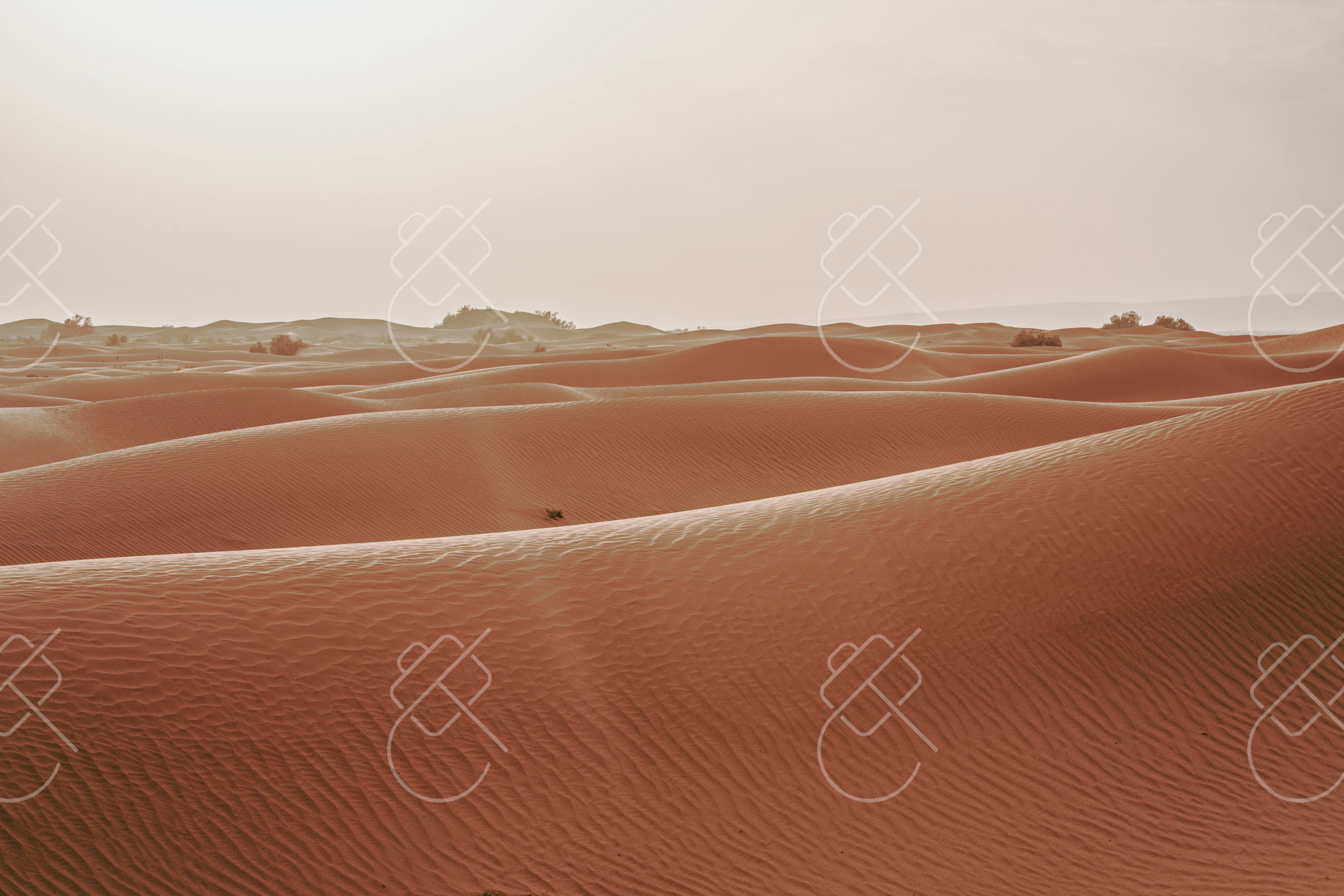
Licensed city guides run roughly 100–150 MAD for a few hours or 150–300 MAD for a full day. Desert and Sahara guides tend to run higher, commonly 150–250 MAD per day, reflecting the harder, more remote work; camel handlers are tipped separately, around 20–50 MAD. Private drivers are genuinely expected to be tipped — 20–50 MAD for a half-day, 50–100 MAD for a full day, more for multi-day desert or mountain routes. Taxi drivers, by contrast, are rarely tipped by locals — rounding up 5–20 MAD is a generous tourist gesture, not an expectation, since fares are metered.
Souk and market vendors don't expect a tip on top of a negotiated price — haggling is the custom here, not tipping, and the seller's margin is already built into whatever price you land on. The one exception is unsolicited help — someone giving directions, guarding a parked car, a street performer in a square like Jemaa el-Fna — who may expect 5–20 MAD if you accept the help, though you're not obligated to pay for unsolicited pressure tactics. Restroom attendants at train stations, public toilets and roadside cafes, who hand out paper towels, expect 2–5 MAD.
Tip in Moroccan Dirham, not USD or EUR — foreign cash is genuinely harder for workers to exchange or use day to day. Carry small notes (10, 20, 50 MAD) so you're not stuck breaking a large bill for a small tip.
Not really — taxi fares are metered and tipping isn't a local norm. Rounding up 5–20 MAD is a nice gesture but not expected the way it is for private drivers or guides.
Commonly around 150–250 MAD per day, tipped separately from camel handlers (who typically get 20–50 MAD). Rates run higher than city guides given the remoteness of the work.
Dirham — foreign currency is harder for workers to exchange or use, so cash tips in MAD are the more useful and expected form.
Private drivers are genuinely expected to be tipped: roughly 20–50 MAD for a half-day and 50–100 MAD for a full day, more for multi-day desert or mountain routes. Pay in dirham cash.
Yes — attendants at train stations, public restrooms and roadside cafes expect 2–5 MAD, so keep small coins handy.
No. Haggling is the custom with souk vendors and the margin is built into the price you agree; vendors don't expect a tip on top. Tips are for services — guides, drivers, porters, waitstaff.
Get the best deals on a place to stay in Morocco on Booking.com.