Home
About us
Destinations
Travel Guides
Recipes
Featured
Photos As Art
Abstract Prints
Locations
Travel Gear
Travel Resources
Favorites
Photo Framer
Explore Photos
ContactTucked deep in the Accursed Mountains (Bjeshkët e Nemuna) of northern Albania, Theth was isolated from the rest of the world for centuries by sheer limestone walls and winter snow. The paved road over the Buni i Thores pass only arrived recently, but the valley itself still lives by the rhythms of mountain life: stone houses with steep timber roofs, cold glacial streams, and the ancient Kanun law that built its famous lock-in tower.
Published September 18, 2026
Tap any photo to open it full-screen and order a print.
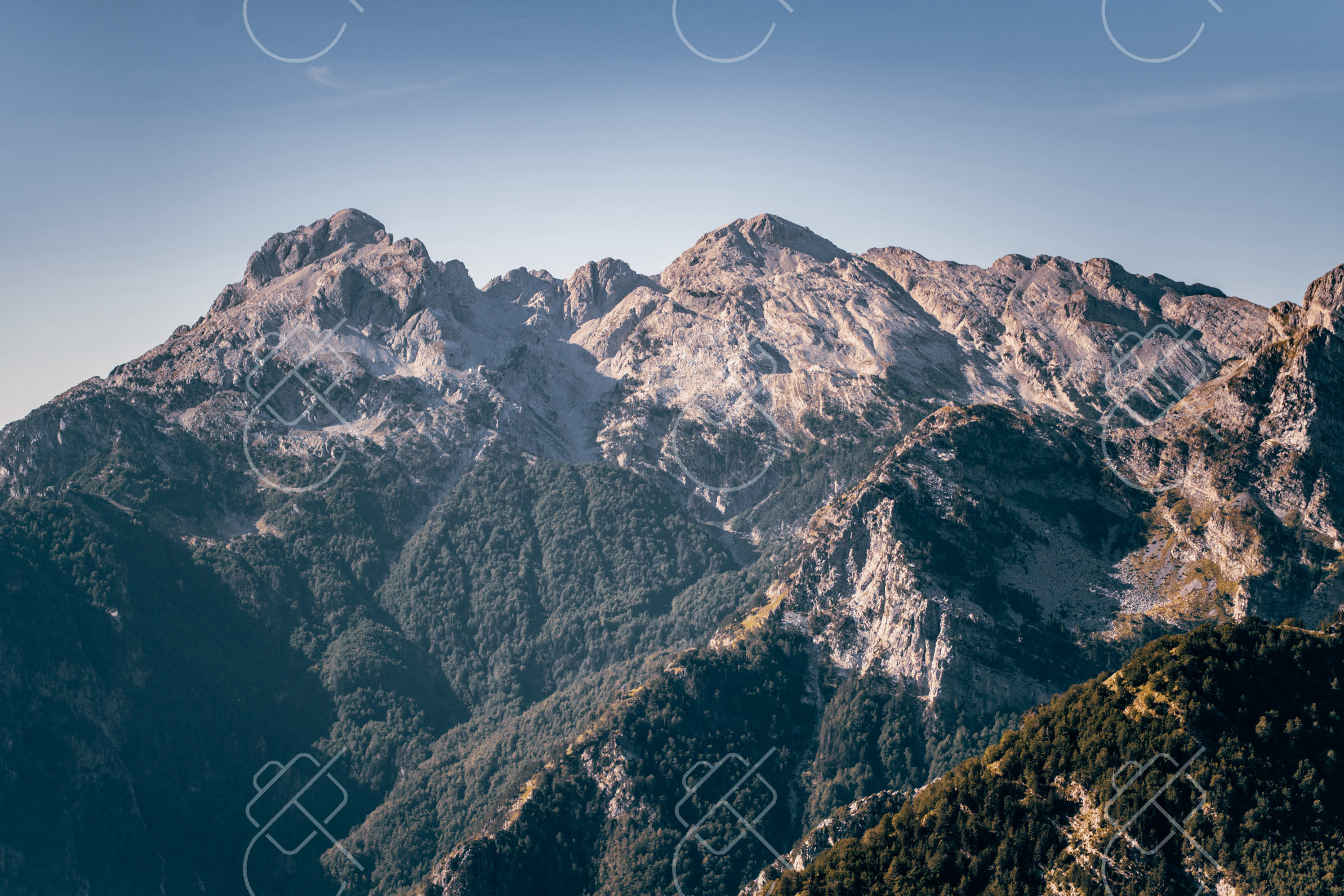
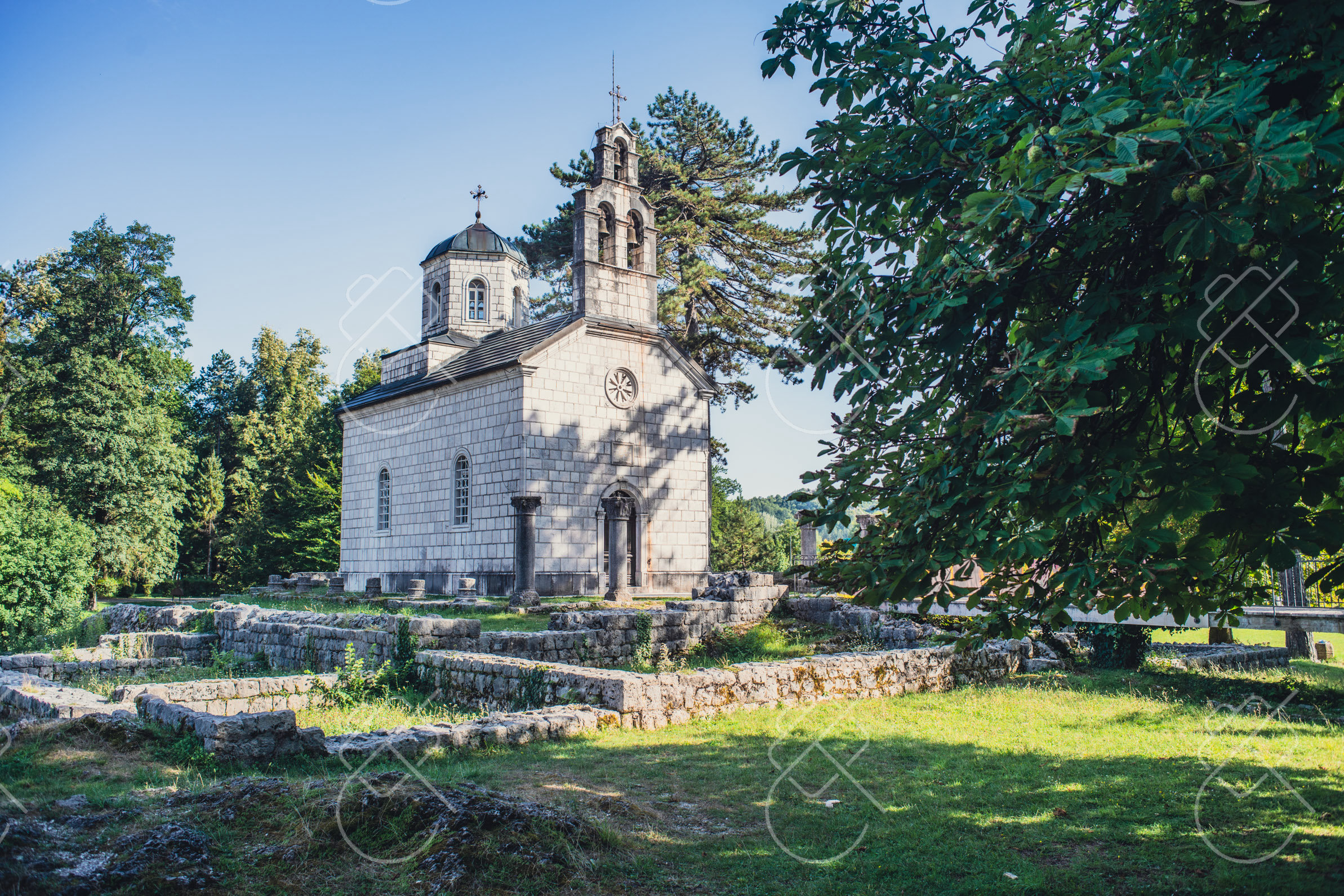
An alpine valley of limestone peaks, meadow pastures, and traditional stone architecture in northern Albania, guarded by 2,000-meter peaks and accessed through a high mountain pass.
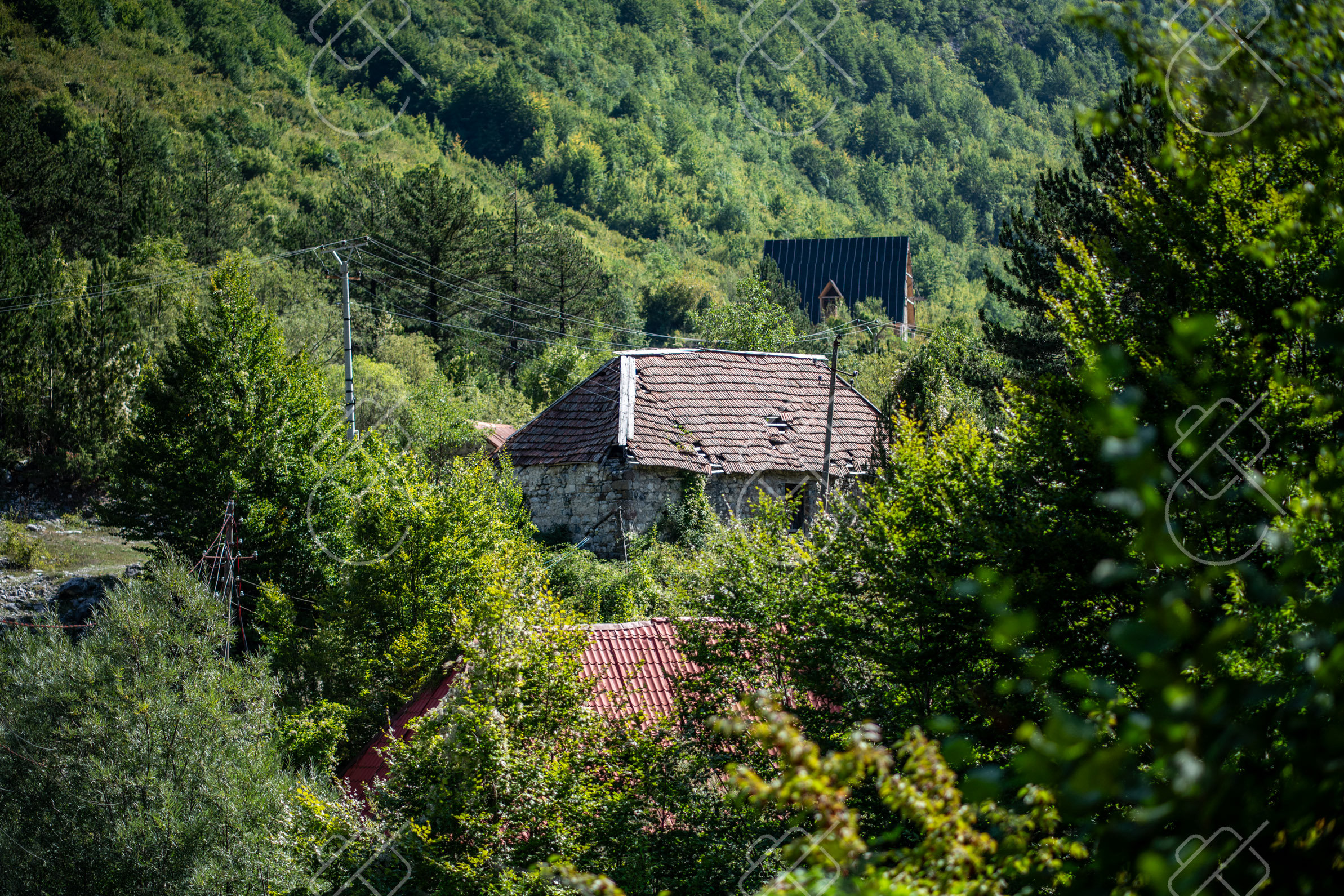
Theth sits at the heart of Theth National Park, where the Shala River originates from cold mountain springs. For generations, the village was nearly inaccessible except by foot trails and a rough gravel road that was impassable in winter. Even with the newly paved road winding down from the pass at 1,700 meters, entering the valley feels like crossing into another era: haystacks drying on wooden frames, livestock grazing unfenced pastures, and slate-roofed stone guesthouses (kulla) dotting the valley floor.
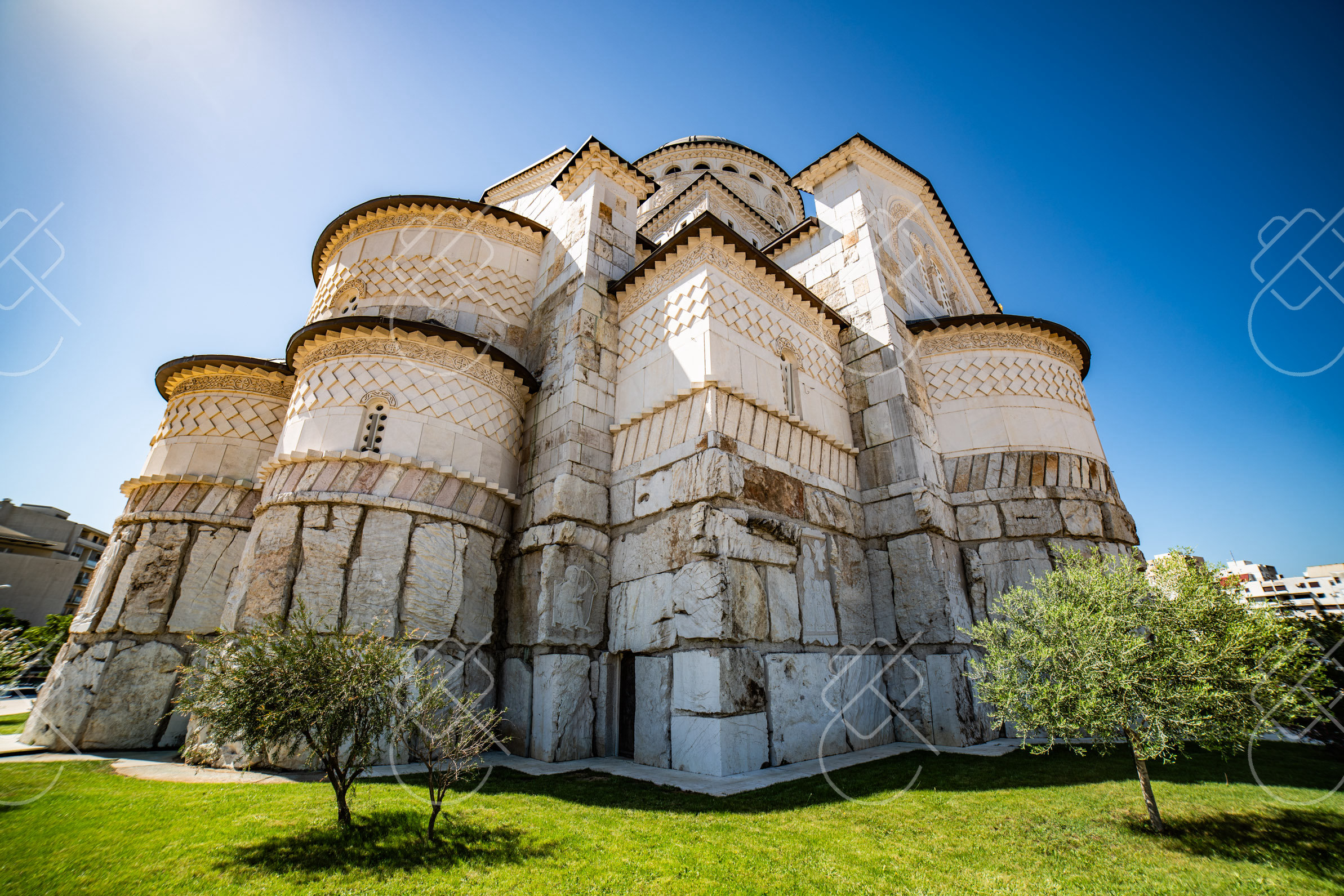
The cultural anchor of the village is the Lock-in Tower (Kulla e Ngujimit), a three-story defensive stone fortification built during the Ottoman era. Under the traditional customary code of the Kanun of Lekë Dukagjini, men involved in blood feuds (gjakmarrja) would seek sanctuary inside its heavy stone walls, where tribal law strictly prohibited violence. A short walk across the river stands the 1892 Church of Theth (Kisha e Thethit), a simple Catholic stone church framed dramatically by the jagged grey limestone ridge behind it.
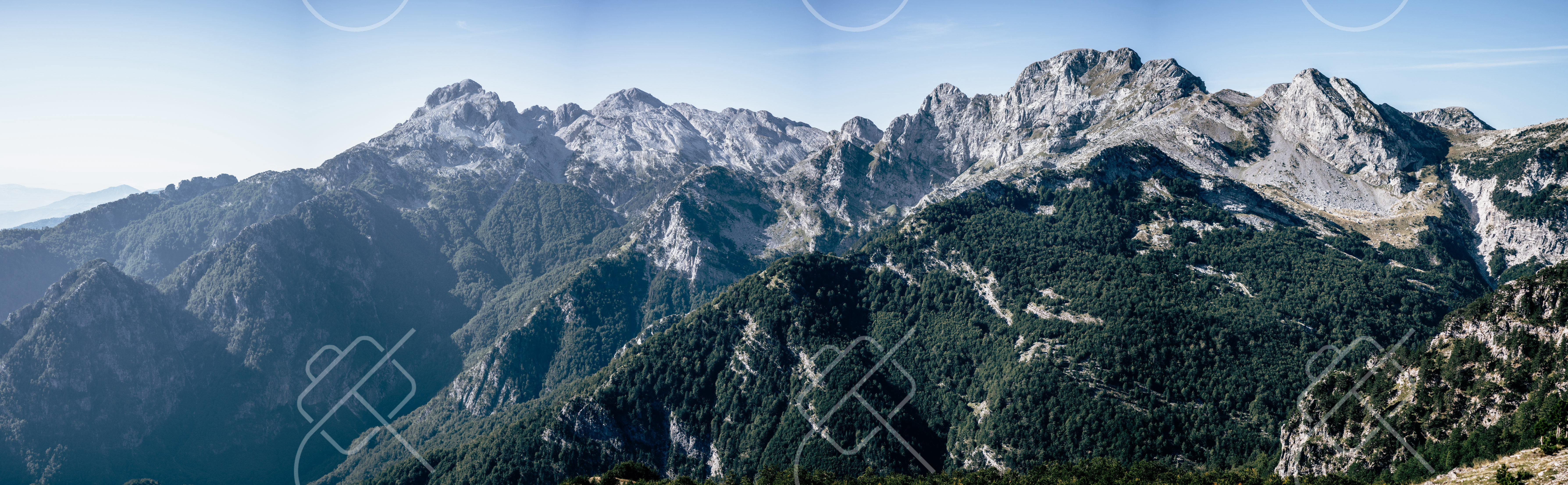
Limestone peaks of the Albanian Alps rising sharply above the alpine pass into Theth
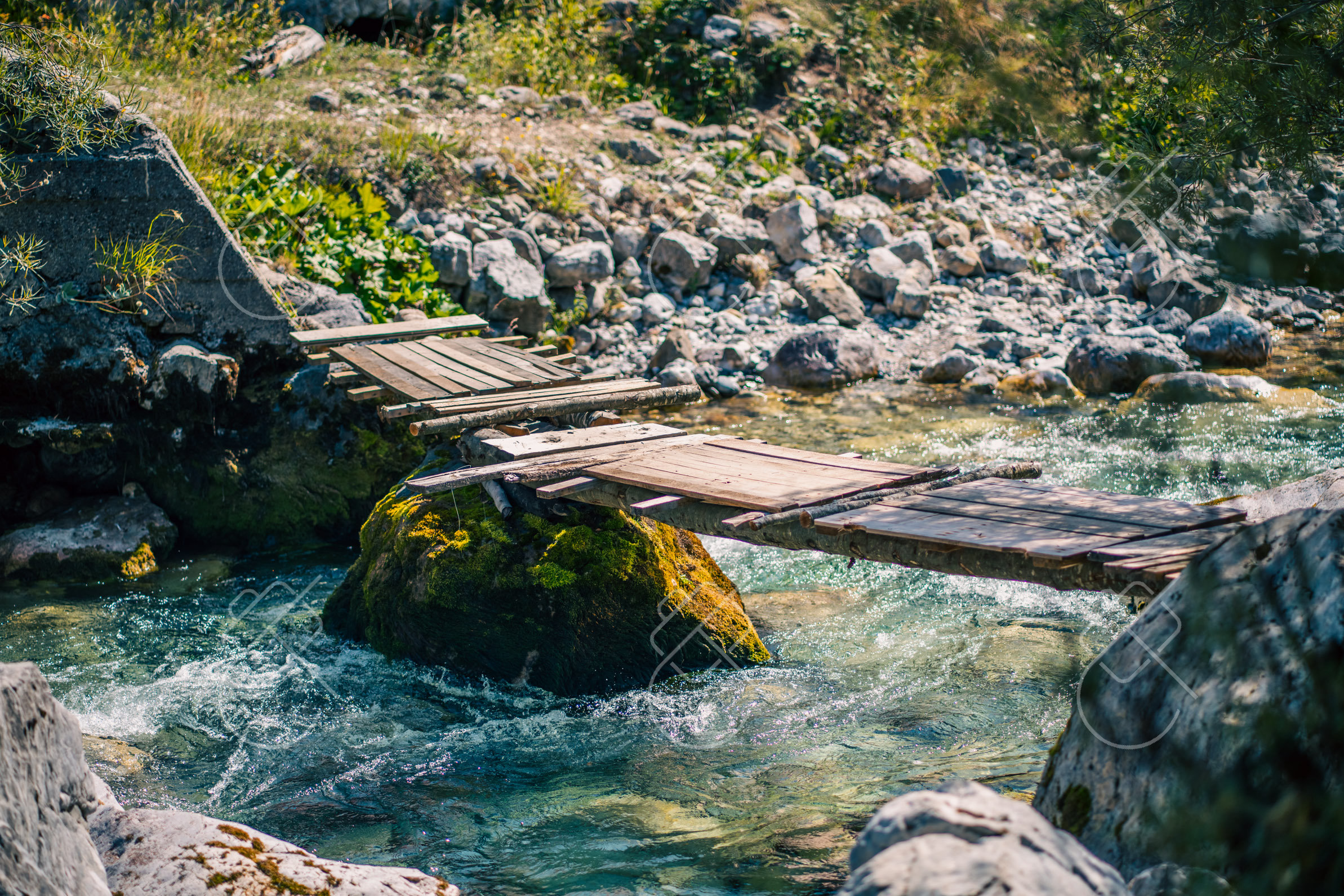
Hiking trails branch out in every direction from the village center. A gentle 45-minute path follows the river south toward the 30-meter Grunas Waterfall (Ujëvara e Grunasit), tumbling over limestone ledges into a turquoise pool, while the strenuous trail to the Valbona Pass (Qafa e Valbonës) climbs 1,000 meters to connect Theth with the neighboring Valbona Valley.
June through September. The mountain pass is clear of snow, alpine meadows are in bloom, and guesthouses are fully open. July and August bring warm hiking weather, while September offers crisp mountain air and golden pasture light.
Stay in a family-run traditional stone guesthouse (bujtina) along the valley floor. Most include hearty home-cooked mountain dinners and breakfasts included in the nightly stay.
Flija (layered savory crepe baked over coals), fresh mountain trout, village-made cow and sheep cheeses, and homemade wild blackberry or plum rakia served at local family guesthouses.
Carry enough cash in Albanian lek before you leave Shkodër — there are no ATMs or bank branches in Theth, and card terminals rely on patchy mobile satellite connections.
Get the best deals on Theth hotels on Expedia before prices climb.
Through Theth, Albania and everywhere else on this trip, World Nomads was the travel insurance we carried the whole way.
Transit cards, local customs, visa rules, and practical travel guides for this region.
See every destination from the 526-day journey:
Browse all destinationsCurious about the gear behind these photos? See the gear list.