
Home
About us
Destinations
Travel Guides
Recipes
Featured
Photos As Art
Abstract Prints
Locations
Travel Gear
Travel Resources
Favorites
Photo Framer
Explore Photos
Contact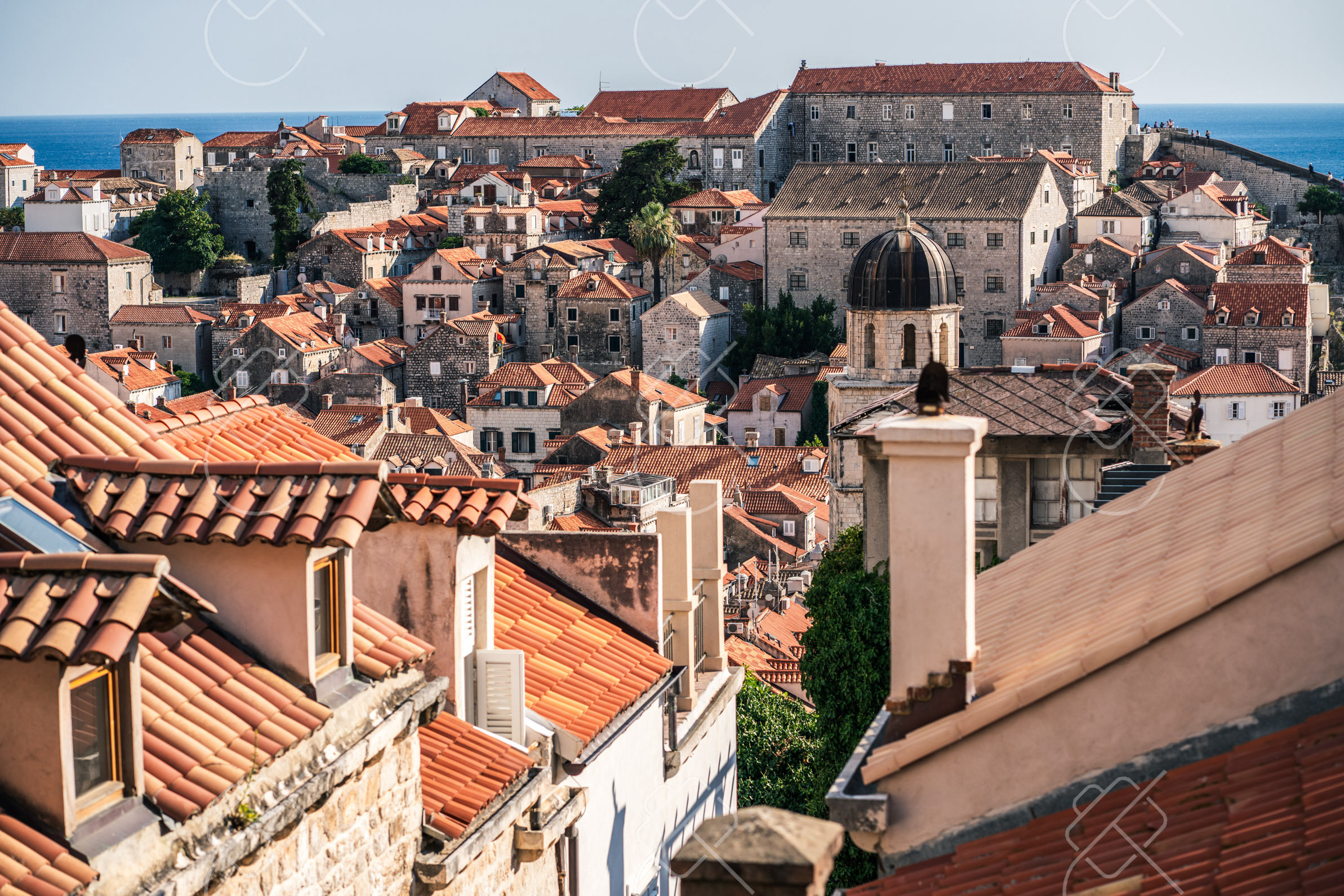 Visa & entry
Croatia is visa-free for US tourists and, unlike Romania, has been a full Schengen member for a few years now — accession completed in early 2023. That makes Croatia a good example of what the other side of that transition looks like once it's fully settled, plus a couple of Croatia-specific rules around guest registration and tourist tax worth knowing before you check in anywhere. (For US citizens visiting for tourism; confirm current details at an official EU or Croatian government source before you book.)
Published July 4, 2026 · Last updated
US passport holders can visit Croatia visa-free for up to 90 days within any rolling 180-day period — the same pooled Schengen allowance that applies across the whole area. Croatia has counted fully toward that shared total since it completed Schengen accession.
Croatia became a full Schengen member on January 1, 2023 for land and sea borders, with air borders following on March 26, 2023 (timed to the airline industry's winter/summer schedule change). Before that, Croatia was an EU member but not yet in Schengen, so time spent there didn't count toward the standard 90/180 total and passport stamps were still required at its borders.
Since accession, land and sea checks with fellow Schengen states — Slovenia and Hungary, plus sea crossings — are gone, and air checks with Schengen states ended in March 2023. Border checks remain in place at Croatia's external borders with non-Schengen neighbors: Serbia, Bosnia and Herzegovina, and Montenegro.
A passport valid for at least three months beyond your planned departure from Schengen — the standard EU-wide rule. Since the EU's Entry/Exit System came fully online across Schengen by April 2026, first-time entry involves biometric registration (fingerprint and facial photo) rather than a manual stamp.
US Embassy guidance also notes that all foreign visitors are technically required to register with local police within 48 hours of arrival — but hotels and rental agencies handle this automatically for their guests, so it's not something a typical tourist needs to arrange themselves.
Accommodations in Croatia register foreign guests through a government system called eVisitor, run jointly by the police and the national tourist board — this also calculates the local sojourn (tourist) tax added to your stay. Again, this is entirely handled by the property; you just present your passport at check-in as usual.
Confirm ETIAS's current status before booking if your dates are close to its eventual EU-wide launch — it isn't operating yet, the EU has dropped its fourth-quarter-2026 target, and it won't be required before 2027 (ETIAS and EES explained). Croatia's Border Police also note they conduct occasional random ID checks inland, including on highways, even after Schengen accession — carry your passport with you, not just packed away.
Entry rules change, and they depend on your nationality — always confirm the current requirements on the official government site before you book or apply. Only use official government (.gov) portals; ignore look-alike agency sites.
Find the best deals on Croatia accommodation with Booking.com.