Home
About us
Destinations
Travel Guides
Recipes
Featured
Photos As Art
Abstract Prints
Locations
Travel Gear
Travel Resources
Favorites
Photo Framer
Explore Photos
Contact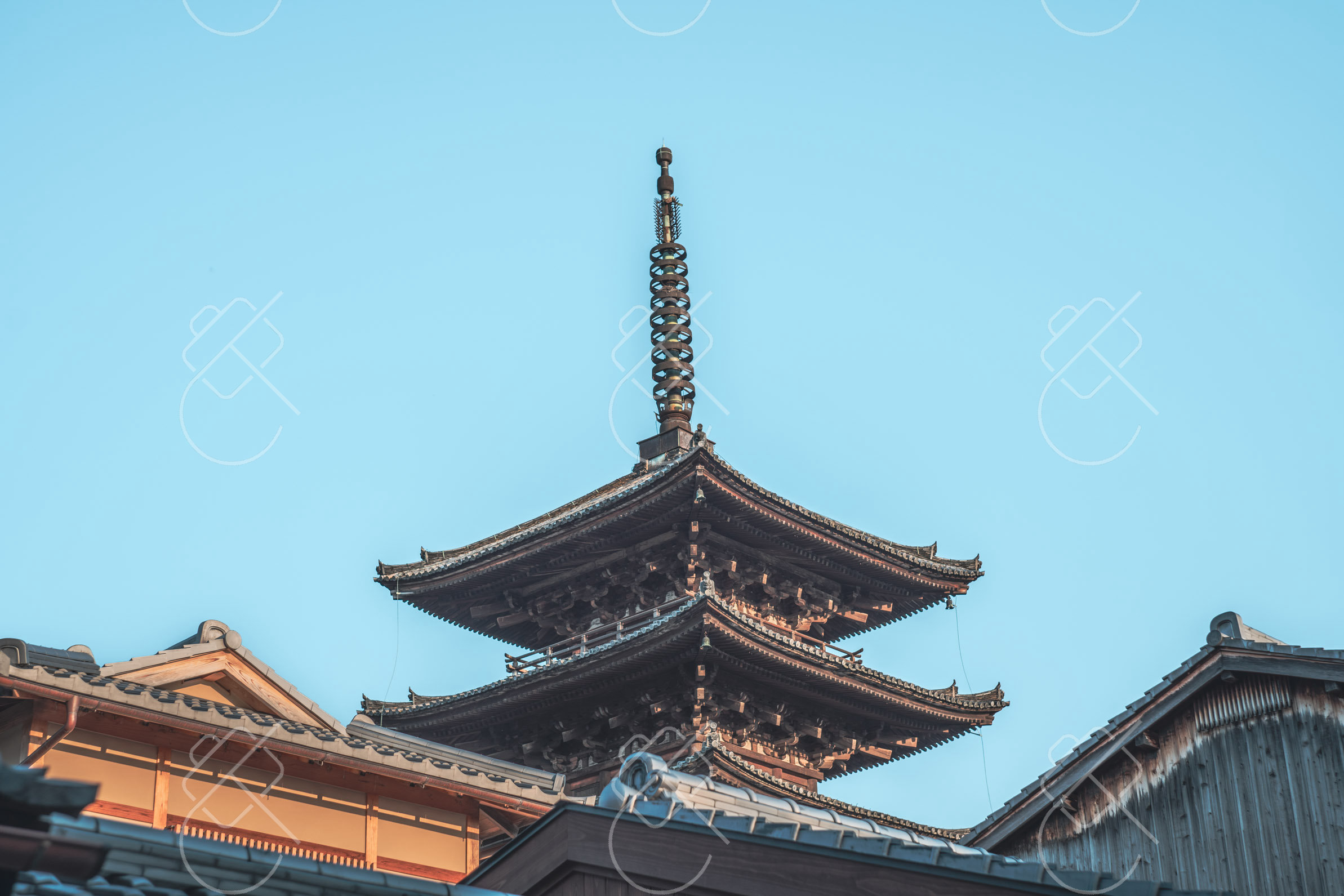 Destinations & Itineraries
With 7 days in Japan, spend 3 nights in Tokyo, 3 in Kyoto and the last night in Osaka, flying into Tokyo and out of Osaka (Kansai) if fares allow. This is our suggested cut of the 33-day route we actually took, built from our Tokyo and Kyoto itineraries: one Shinkansen ride, two hotel changes, and no day lost to backtracking. Below is the day-by-day plan, the transport, whether a rail pass pays, and what to change if you have to fly home from Tokyo.
Published October 20, 2026
• Days 1–3, Tokyo: Asakusa and Senso-ji, Ueno and Yanaka, the Imperial Palace moat, Akihabara and Shinjuku after dark.
• Day 4, Shinkansen to Kyoto: about 2 hours 15 minutes on a Nozomi, then southern Higashiyama and Gion in the afternoon and evening.
• Days 5–6, Kyoto: Arashiyama one morning, Fushimi Inari the next, or swap one for Nara.
• Day 7, Osaka: move to Osaka, eat your way through Dotonbori, and fly out of Kansai the next day.
This is a cut of the route we took over 33 days, when we spent 4 days in Tokyo at the start and 4 in Kyoto. In a week you have to choose, so the plan keeps the two cities every first trip needs and drops the mountain towns. If you can add three days, our 10-day version adds Takayama and Kanazawa.
Day 1, the old east: be at Senso-ji in Asakusa before 8am, walk Nakamise-dori, then cross to the Sumida riverbank for the view of Tokyo Skytree. Keep arrival day local; jet lag makes crossing the city a poor idea.
Day 2, Ueno and Yanaka: the Tokyo National Museum in the morning (closed Mondays), Shinobazu Pond, then the low wooden streets of Yanaka for the last of the light.
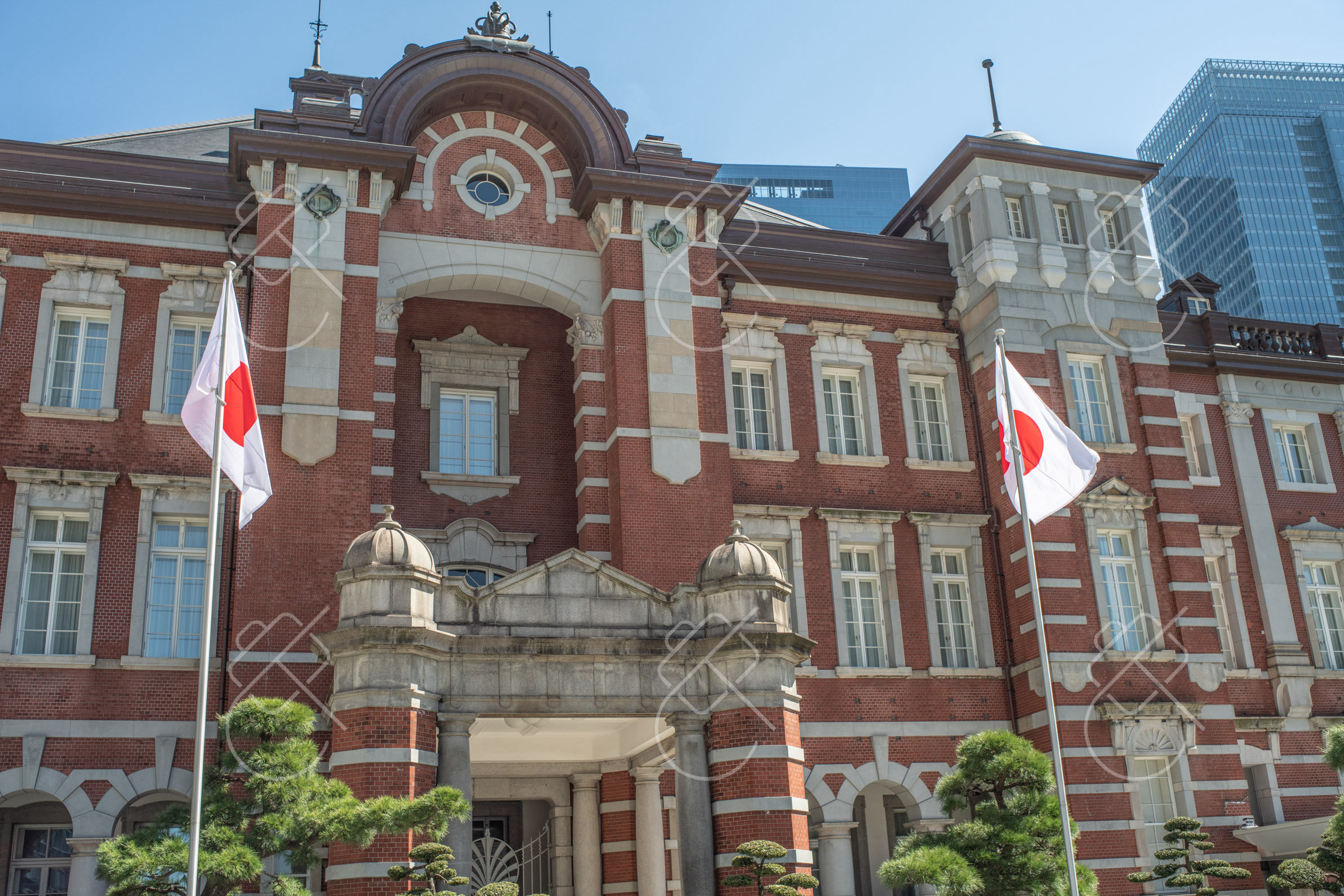
Day 3, the center and the west: the Imperial Palace East Gardens (free, closed Mondays and Fridays), Akihabara in the afternoon, and Shinjuku's Omoide Yokocho and the free Tokyo Metropolitan Government Building observatories in the evening.
Our 3 days in Tokyo itinerary has the detail for each day. Base yourself in Shinjuku for transport or Asakusa for old-Tokyo atmosphere.
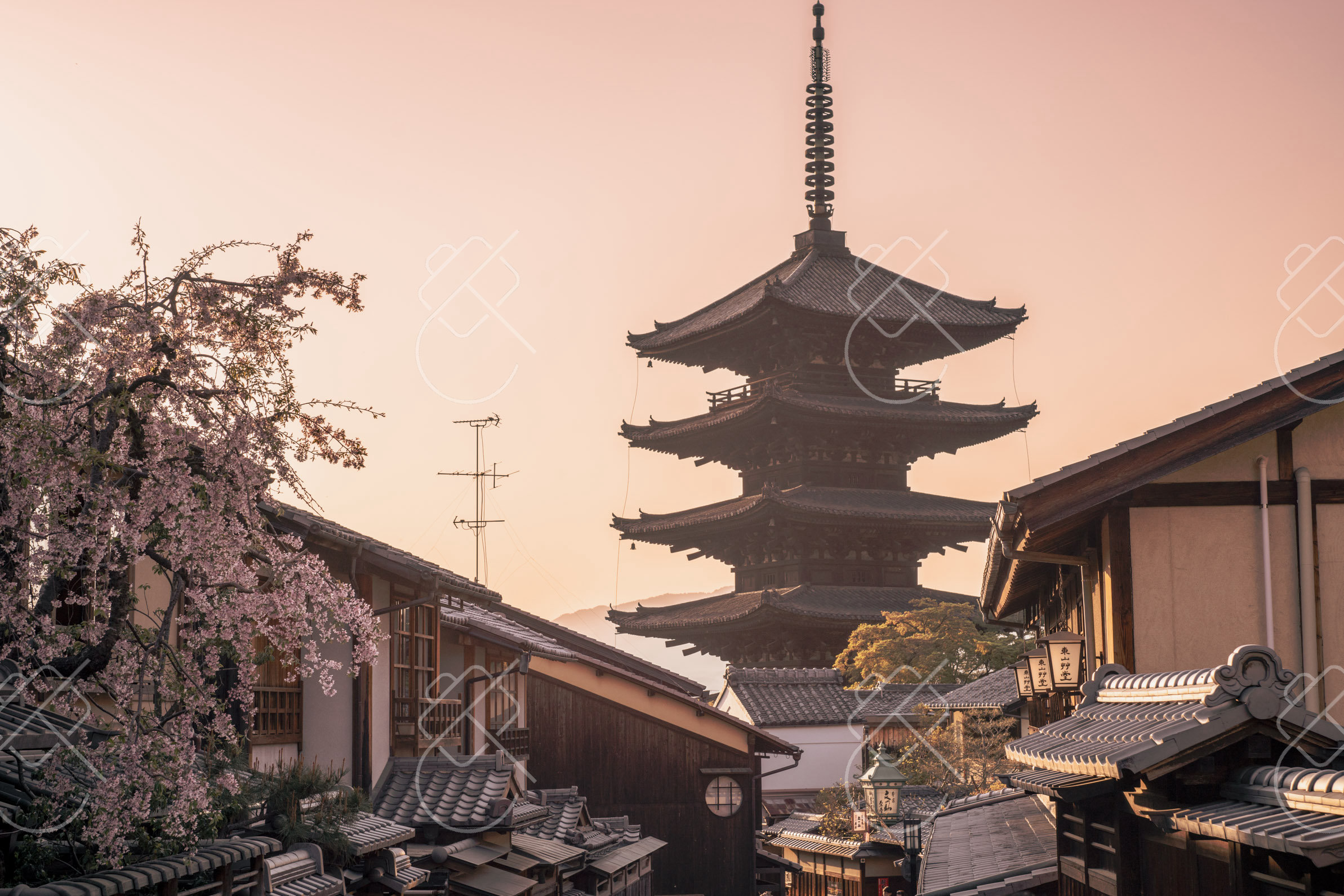
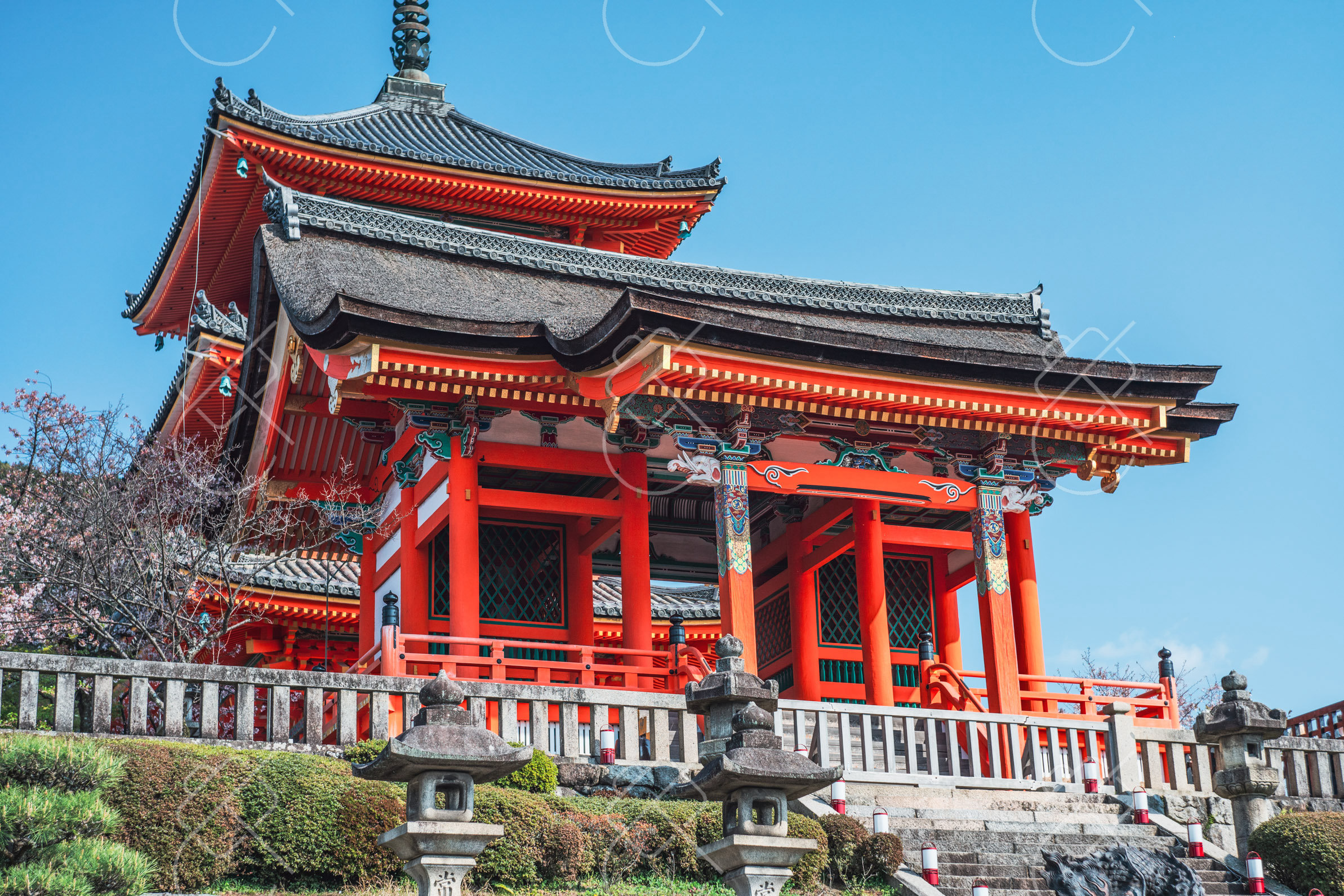
Take a morning Shinkansen to Kyoto and spend the afternoon in southern Higashiyama: the lanes of Sannenzaka and Ninenzaka, the Yasaka Pagoda, and Gion at dusk. Kiyomizu-dera is best at opening time, so you may want to do it properly on another morning.
Give day 5 to Arashiyama: the bamboo grove before 8am, Tenryu-ji's garden, Togetsukyo Bridge. Give day 6 to Fushimi Inari at dawn, then Tofuku-ji or Nishiki Market. The order follows our 3 days in Kyoto itinerary.
Nara instead? If the deer park and Todai-ji matter more to you than one Kyoto district, swap Arashiyama or Fushimi Inari for a day in Nara. The Kintetsu train takes about 35 to 50 minutes; see Kyoto to Nara: Kintetsu vs JR.
Kyoto charges an accommodation tax per person per night; our Kyoto hotel tax guide has the rates.
Osaka is about half an hour from Kyoto by train. Stay in Namba or Shinsaibashi, a short walk from Dotonbori, and spend the evening on takoyaki, okonomiyaki and kushikatsu. If you have the afternoon, Osaka Castle Park or Kuromon Market fit in easily. Our Osaka guide covers the city.
Namba is on the direct Nankai line to Kansai Airport. If you are flying from Kansai but prefer to stay in Kyoto all three nights, the JR Haruka runs from Kyoto Station to the airport in about 75 minutes; our Kansai Airport to Kyoto guide covers fares.
Flying home from Tokyo? Drop the Osaka night and take the Shinkansen back on day 7. If you have a free evening on day 6, Osaka is an easy evening out from Kyoto.
The only long journey is Tokyo to Kyoto, about 2 hours 15 minutes on a Nozomi. A 7-day Japan Rail Pass costs ¥50,000, and a one-way Tokyo–Kyoto ticket costs well under a third of that, so for a one-way trip the pass does not pay. Even a return trip to Tokyo usually comes out cheaper with point-to-point tickets. The pass also needs a special extra ticket for Nozomi trains.
Buy Shinkansen tickets on the SmartEX app or at station machines, and pay for everything else with an IC card. Our Shinkansen and JR Pass guide and Suica and Pasmo guide cover both. If your suitcase is large, check the Shinkansen luggage rules before you book.
It is enough for Tokyo and Kyoto with a last night in Osaka. Three nights in each of the two main cities is the minimum to see their main districts without rushing. Mountain towns like Takayama need at least three more days.
Three nights in Tokyo, three in Kyoto, and one in Osaka if you fly out of Kansai. If you fly home from Tokyo, drop Osaka and take the Shinkansen back on the last day.
No. The 7-day pass costs ¥50,000, and a one-way Tokyo–Kyoto Shinkansen ticket costs well under a third of that. Point-to-point tickets are cheaper even for a return trip.
Yes, as a day trip from Kyoto in place of Arashiyama or Fushimi Inari. The Kintetsu train from Kyoto takes about 35 to 50 minutes.
Only if you give up a Tokyo night for it. Hakone works best as an overnight stop with an onsen evening, not a rushed day trip, and a 7-day trip has little slack.
Entry rules change, and they depend on your nationality — always confirm the current requirements on the official government site before you book or apply. Only use official government (.gov) portals; ignore look-alike agency sites.
Search verified local fleets with low security deposits and exact model delivery on Localrent.
Get the best deals on flights to Japan with Expedia.