Home
About us
Destinations
Travel Guides
Recipes
Featured
Photos As Art
Abstract Prints
Locations
Travel Gear
Travel Resources
Favorites
Photo Framer
Explore Photos
Contact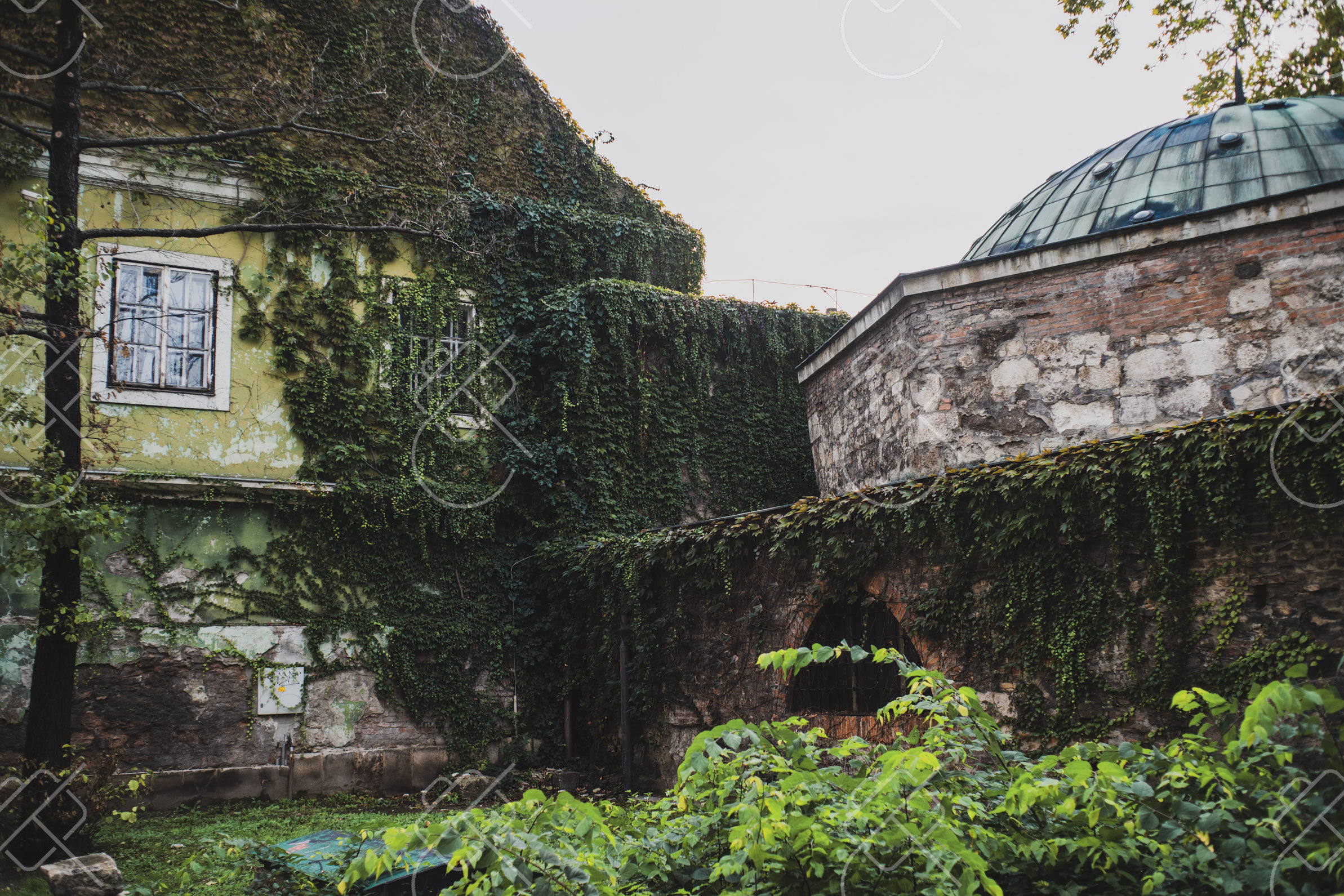 Attractions & day trips
For most first-time visitors, Széchenyi is the best thermal bath in Budapest: 18 pools, big outdoor courtyards and the easiest logistics, at about 13,200-14,800 HUF for a day ticket in 2026. Choose Rudas instead for its 16th-century Ottoman dome and rooftop hot pool over the Danube. Gellért is closed: it shut on 1 October 2025 for a multi-year renovation, and the operator expects it to reopen in 2028. Here is how the open baths compare and how to plan your visit.
Published October 12, 2026
The Art Nouveau Gellért Baths closed on 1 October 2025, and its official website says reopening is expected in 2028. Funding for the works has been debated since the closure, so some local reporting suggests it could slip to late 2028 or 2029. Treat any tour or ticket still selling Gellért entry with suspicion, and check the official site before you plan around it.
If you wanted Gellért for its architecture, Rudas is the closest substitute on the Buda side: a historic bath at the foot of Gellért Hill, a short walk along the river from the Gellért building.
Széchenyi in City Park (Városliget) has 18 pools, 15 indoor and 3 outdoor, inside a yellow neo-Baroque complex. The outdoor pools stay warm year-round, which is why steaming winter visits are so popular. Opening hours are 7:00-20:00 Monday to Thursday, 7:00-22:00 on Friday and 8:00-20:00 at weekends (hours can change, so check before you go).
Official 2026 prices: a daily ticket with locker is 13,200 HUF Monday to Thursday, 14,800 HUF Friday and weekends, and 15,800 HUF on holidays and in peak season. A cabin (a private changing room you can lock) costs 1,000 HUF extra, a safe 1,100 HUF, and an online-only Fast Track ticket adds 2,000 HUF. The cheapest option is the 'Good Morning Budapest' ticket for entry before 9:00, at 10,500 HUF Monday to Thursday.
Sparty, the Saturday-night bath party with DJs and lights, runs at Széchenyi and is 18+ and booked separately. It is a party, not a soak, so pick a normal daytime ticket if you want a quiet visit.
Rudas, on the Buda bank by Elisabeth Bridge, is built around a 16th-century Ottoman-era octagonal pool under a dome. The big draw for visitors is the rooftop panorama pool, a hot tub-style pool on the roof with views across the Danube to Pest.
The historic Turkish bath section has single-sex sessions on weekdays: Rudas lists Tuesday as women's day and Wednesday as men's day, and states that men and women cannot always use the Turkish bath together on weekdays. Weekends are mixed and swimsuits are required. The wellness area and rooftop are mixed. Check the official timetable for the exact session hours on the day you go.
Night bathing runs on Friday and Saturday nights from about 22:00, with tickets sold online only. 2026 day prices are roughly 11,000-12,000 HUF on weekdays and 14,000-15,000 HUF at weekends depending on the ticket, so confirm on the official site.
Pick Széchenyi if it is your first bath, you want outdoor pools, you are visiting in winter, or you are with a mixed group and want no scheduling surprises. It is also the busiest, so arrive at opening or use the early-morning ticket. Pick Rudas if you want a smaller, more atmospheric historic bath, the rooftop view, or a late-night soak on a Friday or Saturday.
Quieter alternatives: Lukács, a local favourite in Buda that is usually cheaper than Széchenyi, and Veli Bej, a small Ottoman-era bath that caps visitor numbers. Neither is as photogenic as Széchenyi's courtyard, but both are calmer.
Bring a swimsuit, flip-flops and a towel (towels and robes can be rented, but bringing your own saves money). Budapest baths are mixed and swimsuits are required, unlike a Japanese onsen where you bathe nude and tattoos can be an issue. A swim cap is required in the lap/swimming pools, while the thermal pools generally do not need one.
A locker is a shared changing room plus a locker for your things; a cabin is a small private room where you change and leave your bag. For couples or anyone who dislikes communal changing, the 1,000 HUF cabin upgrade at Széchenyi is worth it. You get a wristband that opens your locker or cabin; losing it costs 3,000 HUF.
Buy online from the bath's official website to skip the ticket queue, and be wary of resellers bundling Gellért entry. Allow 2-3 hours, avoid weekend afternoons at Széchenyi if you dislike crowds, and soak in thermal pools for short stretches, around 20 minutes, with breaks.
For the rest of your trip, see our Budapest guide, how to handle the service charge in our Budapest tipping guide, and entry rules in do I need a visa to visit Hungary.
No. Gellért closed on 1 October 2025 for a multi-year renovation, and its official site says reopening is expected in 2028.
A daily ticket with locker costs 13,200 HUF Monday to Thursday and 14,800 HUF on Fridays and weekends. A cabin is 1,000 HUF extra.
Only the historic Turkish bath section is single-sex on weekdays: Tuesday is women's day and Wednesday is men's day. Weekends are mixed, as are the wellness area and rooftop pool.
Rudas has a rooftop panorama pool with views across the Danube to Pest.
Yes. Rudas runs night bathing on Friday and Saturday nights from about 22:00 with online-only tickets, and Széchenyi hosts the 18+ Sparty on Saturday nights.
A locker means changing in a shared room; a cabin is a private room for changing and storing your things for 1,000 HUF extra, which suits couples and anyone who dislikes communal changing.
Entry rules change, and they depend on your nationality — always confirm the current requirements on the official government site before you book or apply. Only use official government (.gov) portals; ignore look-alike agency sites.
Get the best deals on Budapest hotels on Booking.com before prices climb.