Home
About us
Destinations
Travel Guides
Recipes
Featured
Photos As Art
Abstract Prints
Locations
Travel Gear
Travel Resources
Favorites
Photo Framer
Explore Photos
Contact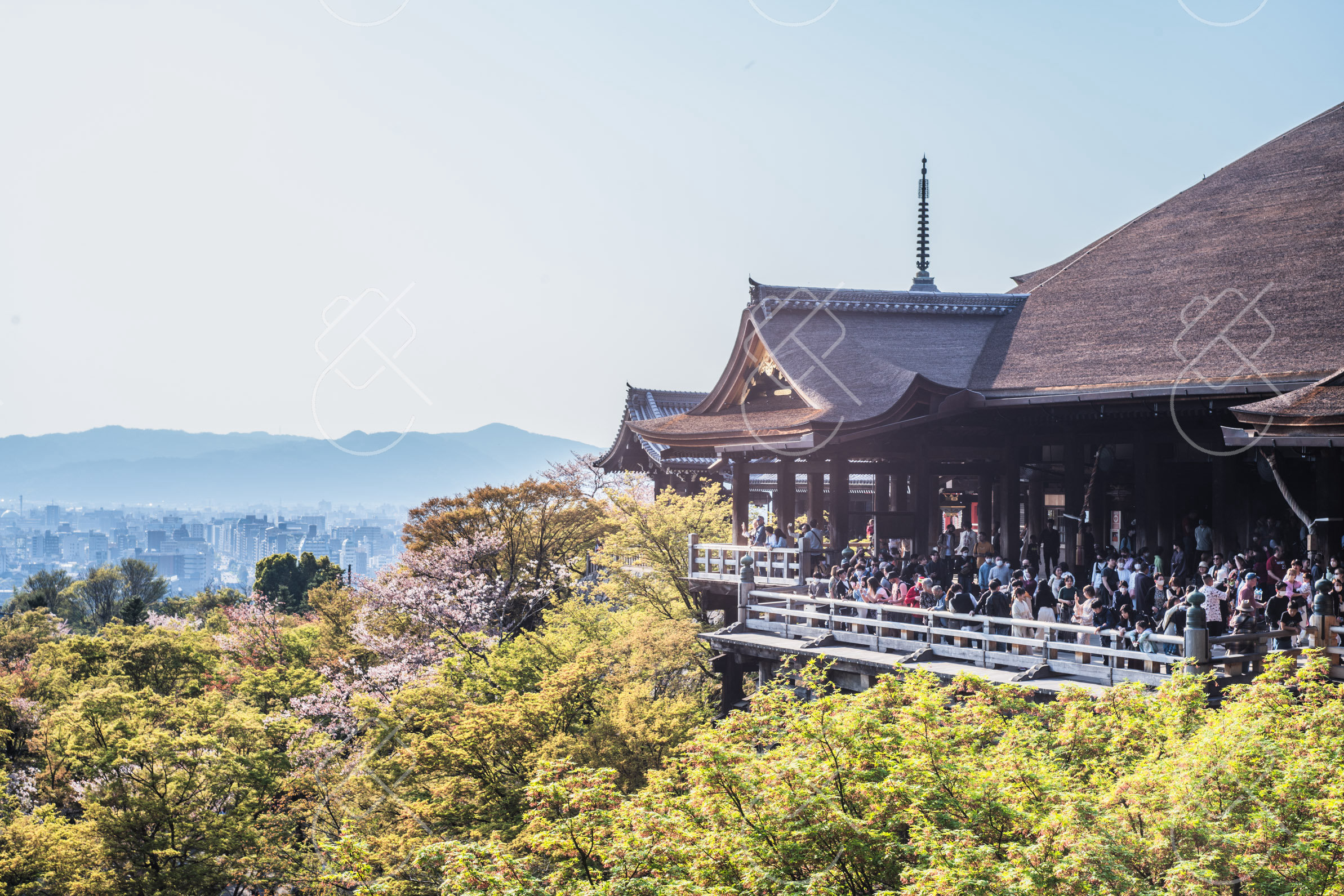 Etiquette & Culture
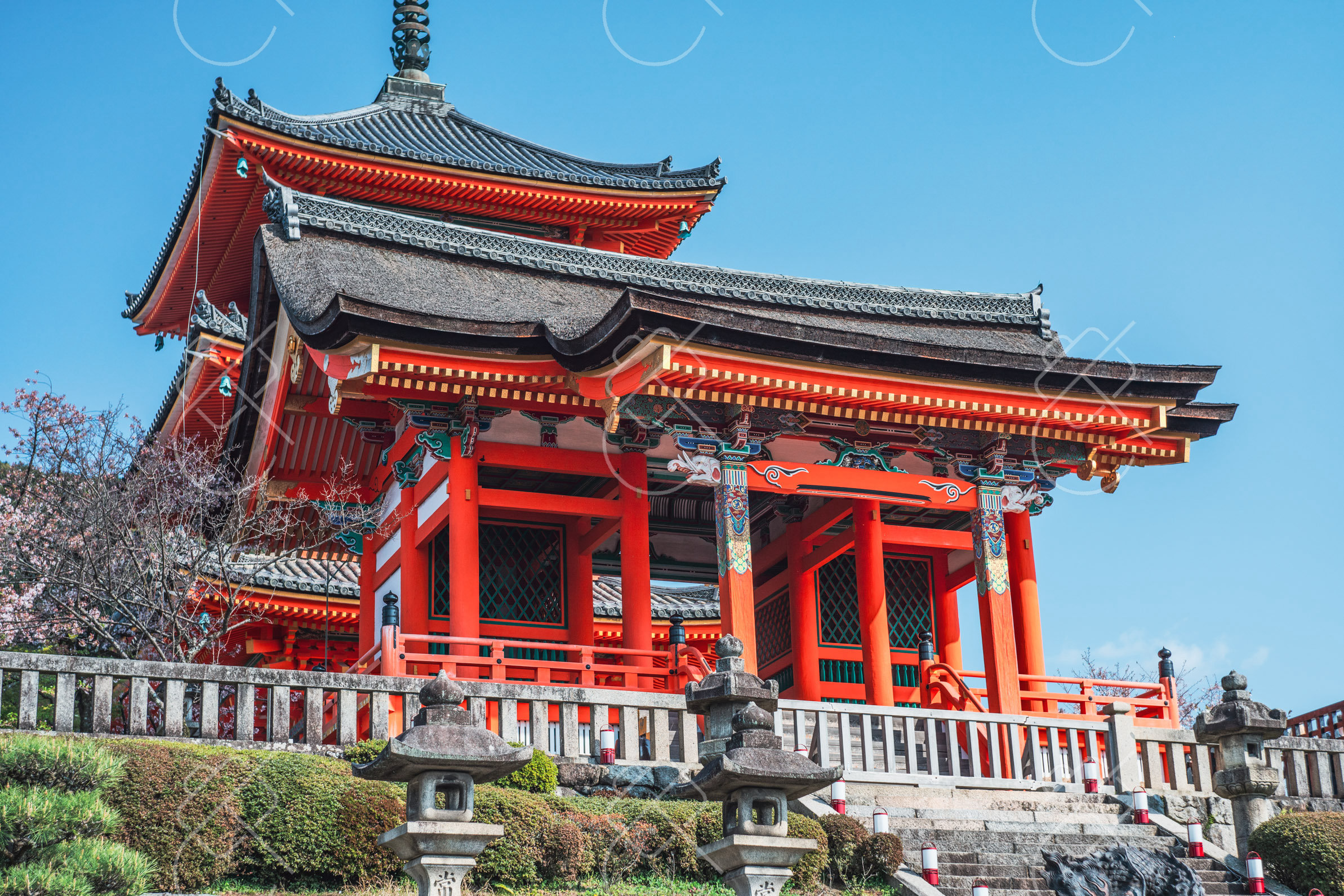
Kiyomizu-dera (perched over eastern Kyoto's hills) and Kinkaku-ji (the shimmering Golden Pavilion in the north) represent the architectural pinnacle of historic Kyoto. Visiting both requires navigating distinct admission procedures, temple compound rules, and traditional behavioral customs that differ between hillside wooden stages and mirrored zen gardens.
Published October 17, 2026 · Last updated
Neither Kiyomizu-dera nor Kinkaku-ji enforces a strict modesty dress code barring shorts or short sleeves. However, comfortable and respectful clothing is recommended: both temples involve extensive walking across gravel paths, incline slopes, and wooden floorboards.
When entering designated sub-temples, zen rock garden viewing verandas, or interior tatami chambers, you must remove your shoes and place them in the provided plastic bags or shelves. Always wear clean, non-holey socks; walking barefoot onto untreated historic cedar flooring is considered poor etiquette.
Kiyomizu-dera's main hall rests on a jaw-dropping cantilevered timber lattice built without a single nail (kakezukuri), offering sweeping views across cherry blossoms or autumn maples toward Kyoto tower.
Beneath the stage flows the sacred Otowa Waterfall, where three separate streams cascade into stone channels. Visitors use long-handled metal cups to catch the falling water: each stream symbolizes health, academic success, or longevity in romance. Tradition dictates that you must choose and drink from only one stream—drinking from all three is viewed as greedy, which cancels the blessing.
At Kinkaku-ji, your entrance ticket is a work of art itself: an authentic paper talisman (ofuda) inscribed with protective blessings by the head monks, which you can keep as a travel keepsake.
The pavilion's top two floors are covered in pure gold leaf, reflected in the surrounding Mirror Pond (Kyoko-chi). Visitors cannot enter inside the Golden Pavilion itself; instead, follow the strictly marked one-way walking circuit through the moss gardens to avoid blocking crowds behind you.
Because Kiyomizu-dera is in Higashiyama (east) and Kinkaku-ji is in Kita-ku (northwest), traveling between them takes roughly 45 to 60 minutes across the city. Kyoto's municipal buses (such as Bus #205 and #206) frequently experience heavy traffic gridlock during peak seasons.
For the fastest transfer, take the Keihan Main Line from Gion-Shijo to Sanjo, transfer to the Tozai Subway Line to Karasuma Oike, switch to the Karasuma Subway Line heading north to Kitaoji Station, and take a brief 8-minute local bus or taxi to Kinkaku-ji.
Kiyomizu-dera costs 500 JPY for adults and 200 JPY for elementary and junior high school students, the same price during special night viewings. Kinkaku-ji costs 500 JPY for adults and high school students and 300 JPY for elementary and junior high school students; younger children enter free.
No, tripods, monopods, and selfie sticks are strictly prohibited on the wooden stage of Kiyomizu-dera and along the narrow pathways of Kinkaku-ji to maintain safety and crowd flow.
Yes, the water comes from natural mountain springs and is purified, but you should only take a single sip from the cup.
Get the best deals on a stay in Kyoto — compare on Booking.com.