
Home
About us
Destinations
Travel Guides
Recipes
Featured
Photos As Art
Abstract Prints
Locations
Travel Gear
Travel Resources
Favorites
Photo Framer
Explore Photos
ContactCroatia runs as a long, narrow country down the eastern Adriatic, where a chain of more than a thousand islands faces a coast built almost entirely from local white limestone. Centuries of Roman, Venetian and Habsburg rule left a dense layer of fortifications, bell towers and stone-paved squares, while the inland capital keeps a separate Central European character. The sea light is hard and bright through summer, softening in spring and autumn, and the compact distances make it easy to move between medieval ports, Roman remains and waterfront promenades within a single trip.
Published June 19, 2025
Tap any photo to open it full-screen and order a print.
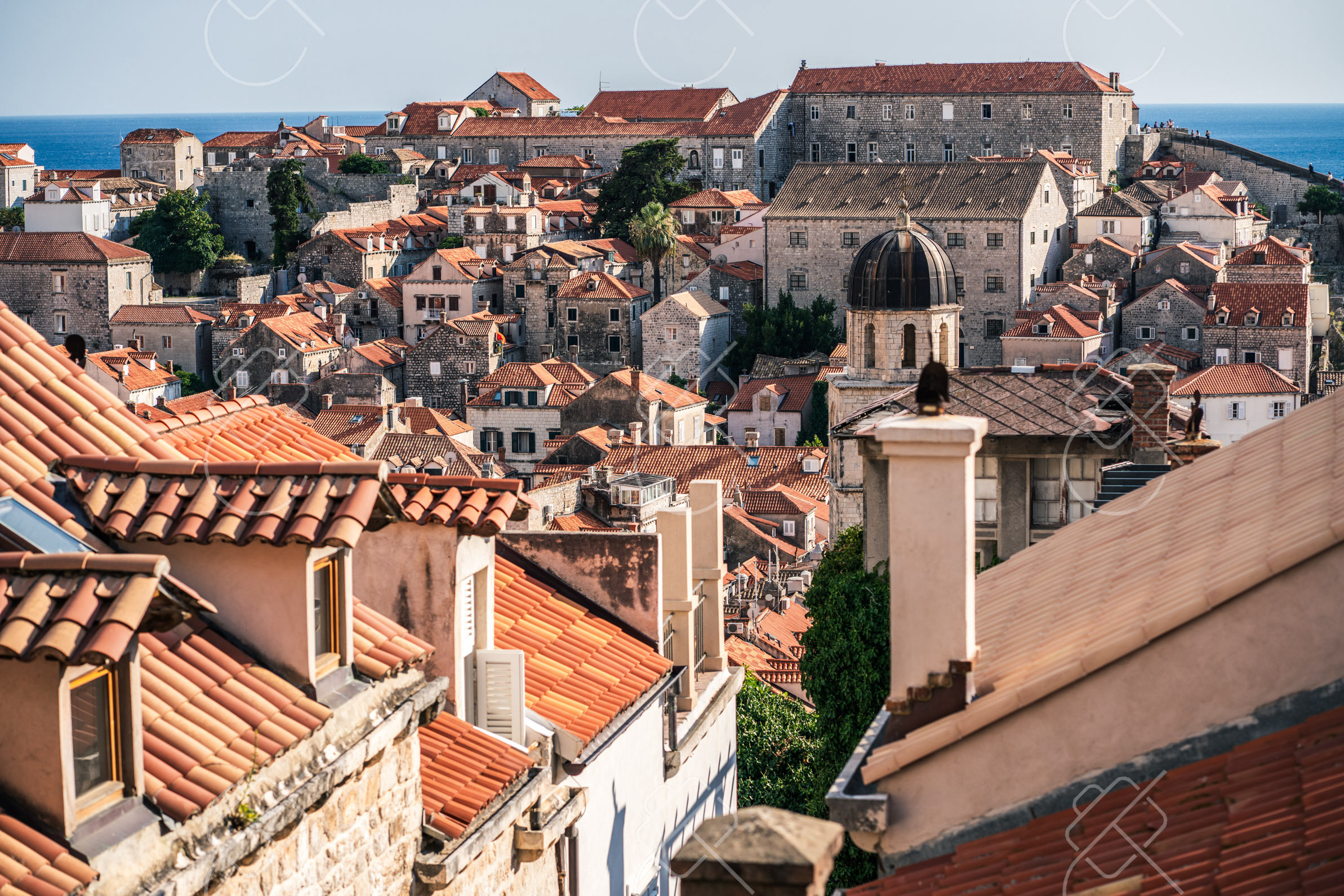
Dubrovnik is a walled city on the southern Dalmatian coast, its limestone Old Town wrapped by ramparts that run almost two kilometers around the medieval core. The marble main street, the Stradun, polished smooth by centuries of foot traffic, anchors a grid of stepped lanes climbing toward the city walls and the sea beyond.
The historic center is enclosed by some of the best-preserved fortifications in Europe, rebuilt in stone after a major earthquake in 1667. A continuous walkway along the top of the walls passes the Minčeta and Bokar towers and opens out over terracotta rooftops and the open Adriatic. Within the walls, Baroque churches, the Rector's Palace and Onofrio's Fountain line the Stradun, which fills with light in the early morning before tour groups arrive.
Above the city, the slopes of Mount Srđ rise to a fortress and viewpoint reached by cable car. From here the entire Old Town reads as a compact oval of red roofs against deep blue water, with the wooded island of Lokrum just offshore. The surrounding coast is steep and rocky, with the small port of Cavtat to the south and the Elaphiti Islands a short boat ride to the northwest.
May to June and September to October bring warm, swimmable seas without the July-August peak crowds and inflated prices; visit in early July for the Dubrovnik Summer Festival of music and theatre.
The walled Old Town for atmosphere and immediate access, or the Lapad and Ploče areas just outside for quieter, view-facing lodging.
Black risotto colored with cuttlefish ink, grilled Adriatic fish, oysters from nearby Mali Ston, and local Dalmatian olive oil.
The wall walk is exposed to full sun; an early start brings softer light and cooler conditions before the cruise crowds peak.
Split is built directly inside and around the Diocletian's Palace, a Roman imperial retirement complex from the early 4th century. Rather than a ruin set apart, the palace is a living quarter where apartments, cafes and shops occupy the ancient walls, cellars and colonnaded courtyards.
At the heart of the old town lies the Peristyle, a columned Roman square overlooked by a sphinx brought from Egypt and the cathedral that was once the emperor's mausoleum. Narrow marble lanes thread between Roman, medieval and Venetian buildings, opening onto the Riva, a wide palm-lined seafront promenade that faces the harbor and the islands beyond.
The city sits beneath the Marjan hill, a forested peninsula laced with walking paths and lookout points over the rooftops and the Adriatic. Split also serves as the main ferry hub for central Dalmatia, with frequent connections to the islands of Hvar, Brač and Vis, and the bare gray Mosor and Kozjak ranges rising inland behind the city.
Late spring and early autumn offer hot beach weather and ferry-friendly seas while sidestepping the August crush; the city stays lively year-round thanks to its working old-town core.
Inside or beside the palace walls for old-town immersion, or near Bačvice beach east of the center for a more relaxed base.
Pašticada, a slow-braised beef in sweet wine sauce served with gnocchi, grilled fish, and soparnik, a thin Swiss chard pie from the surrounding region.
The palace cellars and the cathedral bell tower both reward exploring; the tower's climb opens onto a high view over the Peristyle and red roofs.
From here the entire Old Town reads as a compact oval of red roofs against deep blue water, with the wooded island of Lokrum just offshore.
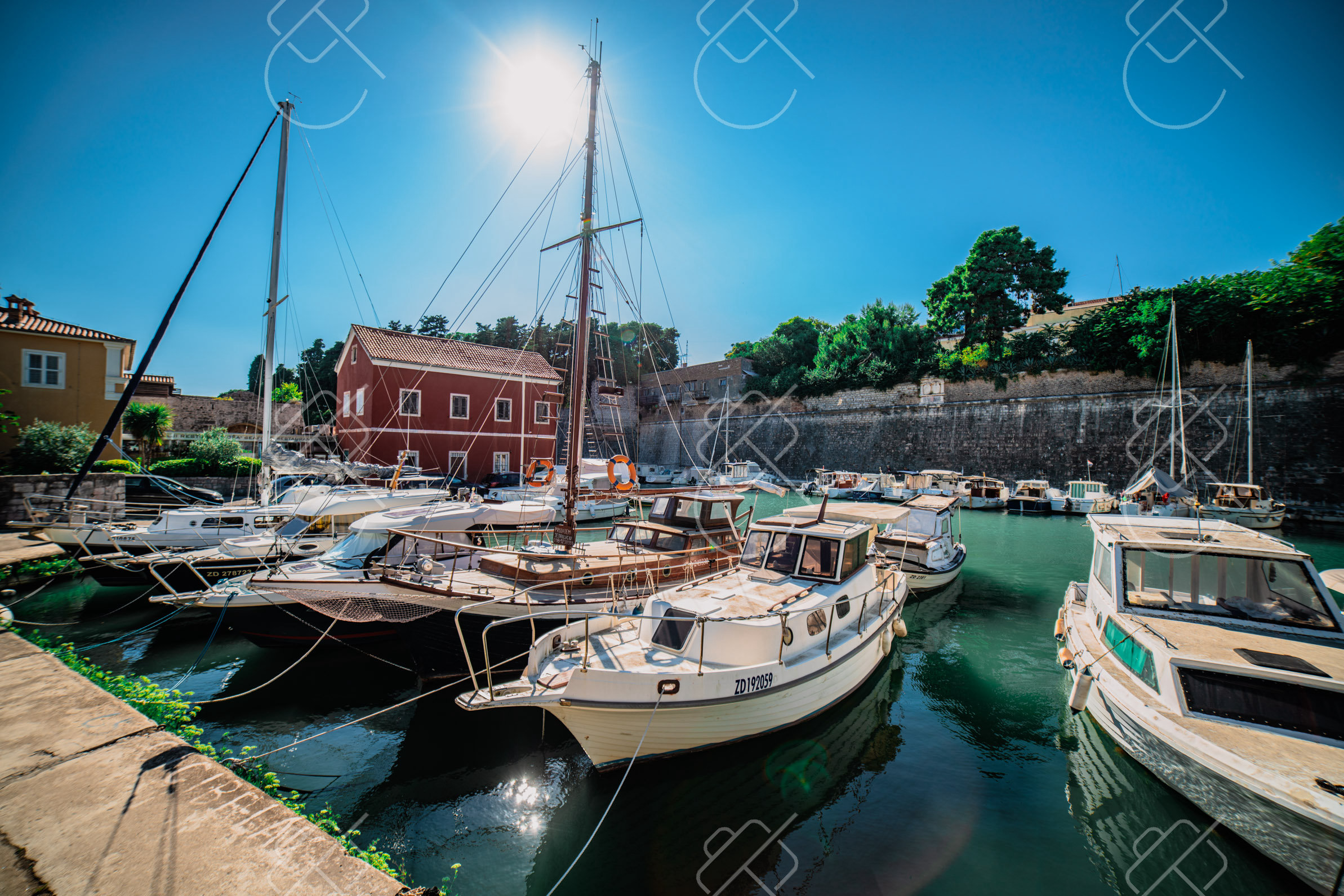
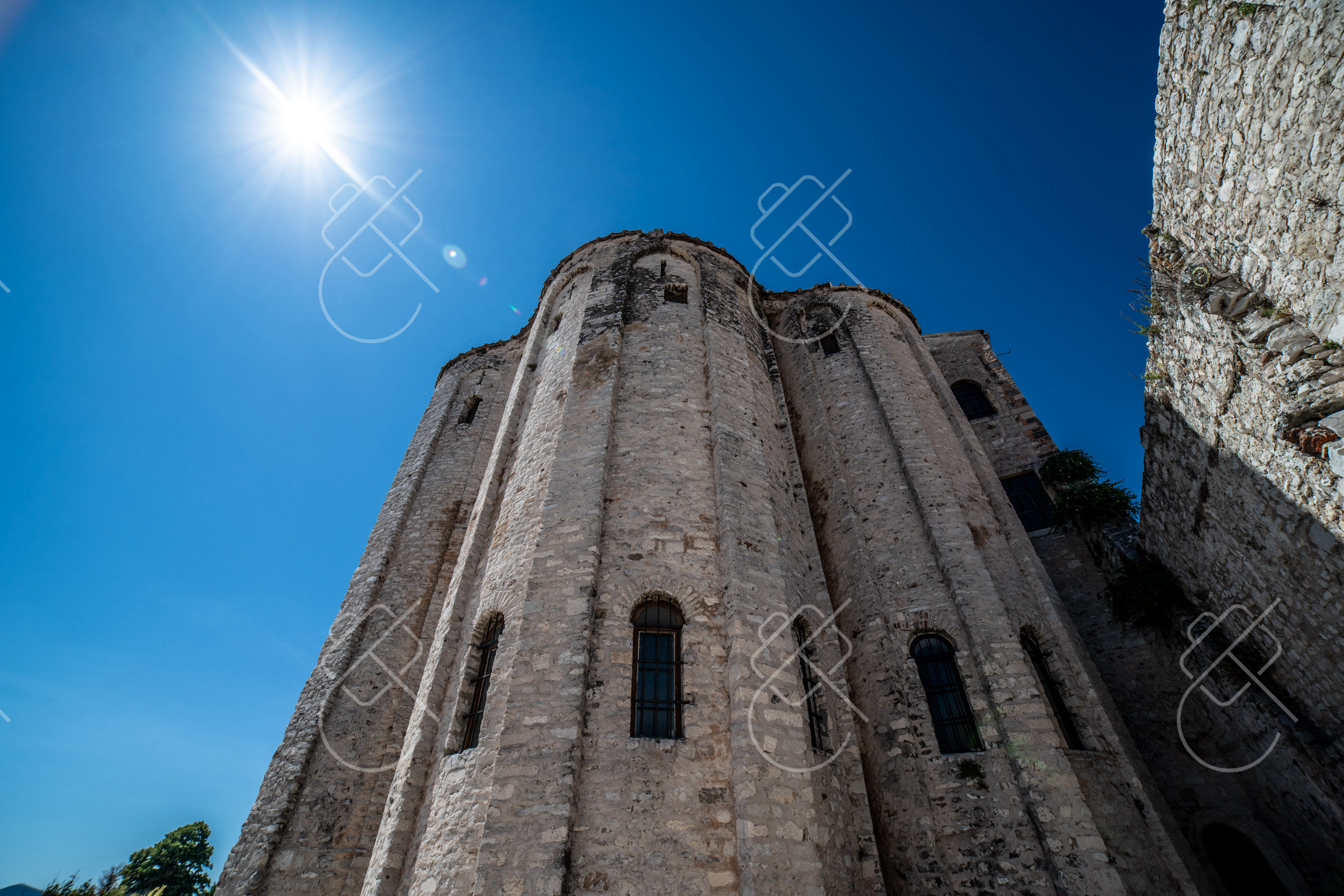
Zadar is a peninsula city in northern Dalmatia layered with Roman, Byzantine and Venetian remains. Its compact old town holds a Roman forum, the round 9th-century Church of St. Donatus and a waterfront known for two contemporary art installations that play with sound and light.
The Roman Forum, laid out from the 1st century BC, still scatters columns and paving across the old town, with the cylindrical St. Donatus standing on its edge. Marble streets connect churches, the cathedral of St. Anastasia and remnants of the Venetian fortifications and city gates that defended the harbor.
Along the western quay, the Sea Organ uses tubes beneath the marble steps to turn wave motion into tones, while the adjacent Greeting to the Sun, a solar-powered glass disc set into the pavement, lights up after dark. The same waterfront faces west across the channel toward the islands, giving Zadar a long, open horizon at sunset.
June and September deliver warm Adriatic swimming and mellow crowds, with the Sea Organ and sunset rituals at their best in shoulder season; summer adds open-air concerts but heavier tourist traffic.
The peninsula old town to be steps from the forum and waterfront, or the Borik area to the northwest for beachside lodging.
Pag cheese from the nearby island, Adriatic shellfish, and maraschino, a cherry liqueur historically produced in the city.
The western quay faces the open sea, making it one of the better mainland spots to watch the sunset while the Sea Organ plays and the glass disc lights up underfoot.
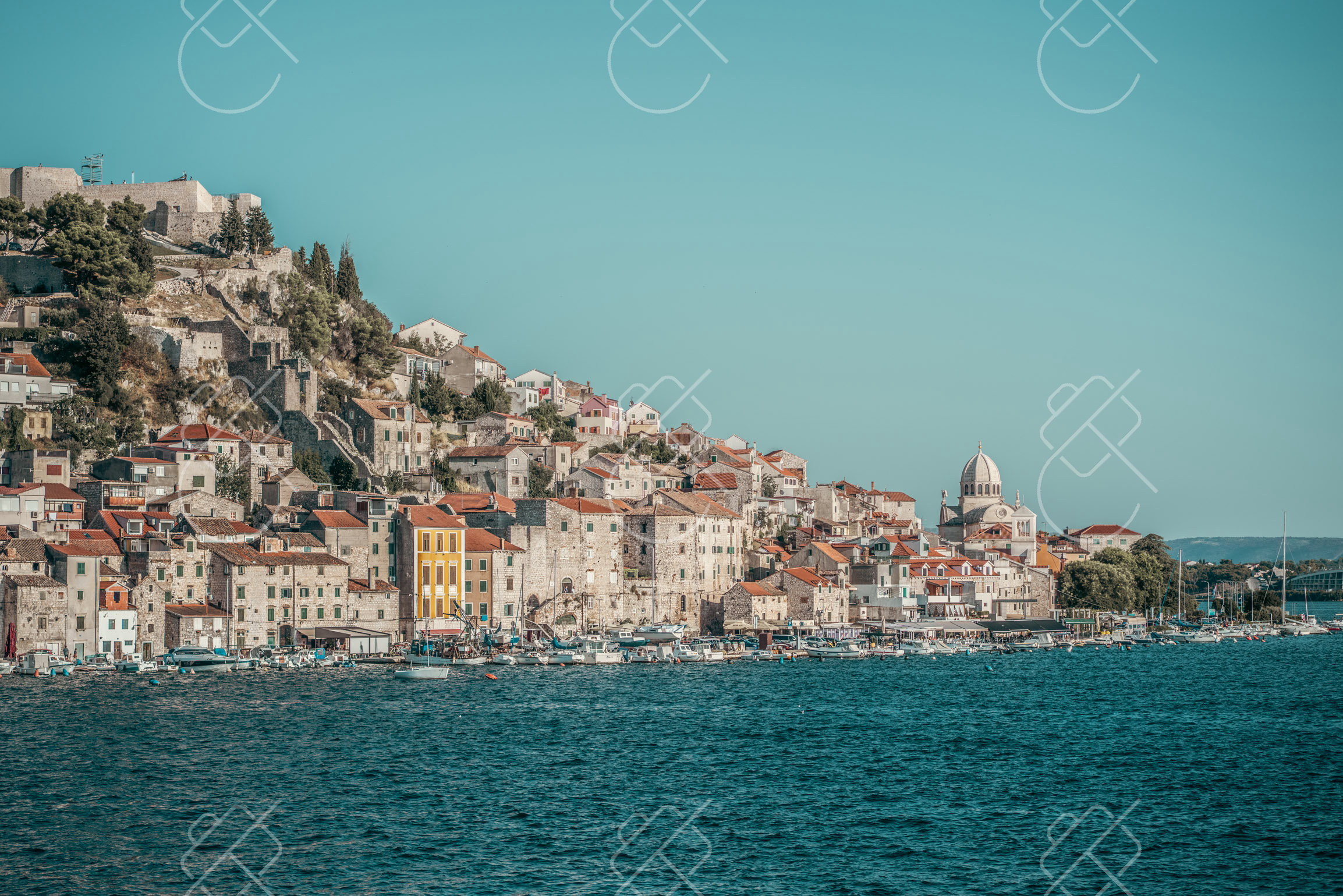
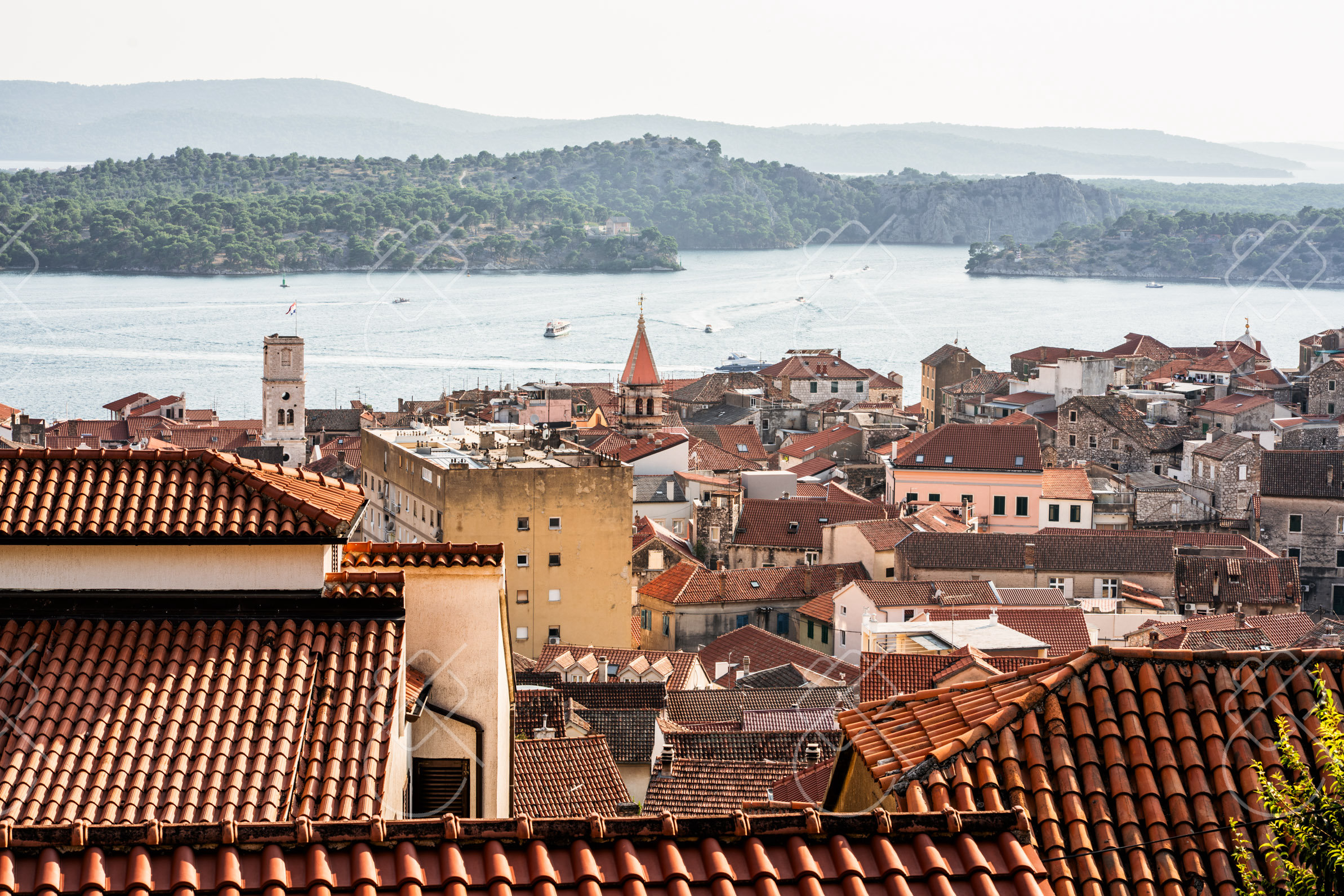
Šibenik is a steeply terraced town on a sheltered bay where the Krka River meets the Adriatic. Unlike most Dalmatian coastal cities, it was founded by Croatians rather than Greeks or Romans, and its skyline is dominated by a UNESCO-listed stone cathedral built entirely without mortar.
The Cathedral of St. James, constructed over the 15th and 16th centuries from interlocking stone slabs, is renowned for its barrel-vaulted roof and a frieze of 71 carved heads around the exterior. Stepped lanes climb from the cathedral square through the old town to a series of hilltop fortresses, including St. Michael's, which now hosts open-air performances above the harbor.
Šibenik sits at the gateway to Krka National Park, where the river drops through a sequence of travertine waterfalls upstream of the town. Two further forts, St. John's and Barone, crown the surrounding hills, opening up wide views over the red roofs, the bay and the maze of channels leading out to the islands.
Visit in late spring or early autumn for comfortable heat, easy access to nearby Krka waterfalls, and fewer day-trippers; early August coincides with the lively international children's festival.
The historic core near the cathedral for character, or along the riviera toward Solaris for resort-style accommodation.
Šibenska pašticada, local mussels and shellfish from the bay, and prosciutto and cheese from the Dalmatian hinterland.
The hilltop forts give the clearest elevated views over the cathedral and bay; the climb is steep but rewards with a city that stacks up in layers below.
The marble main street, the Stradun, polished smooth by centuries of foot traffic, anchors a grid of stepped lanes climbing toward the city walls and the sea beyond.
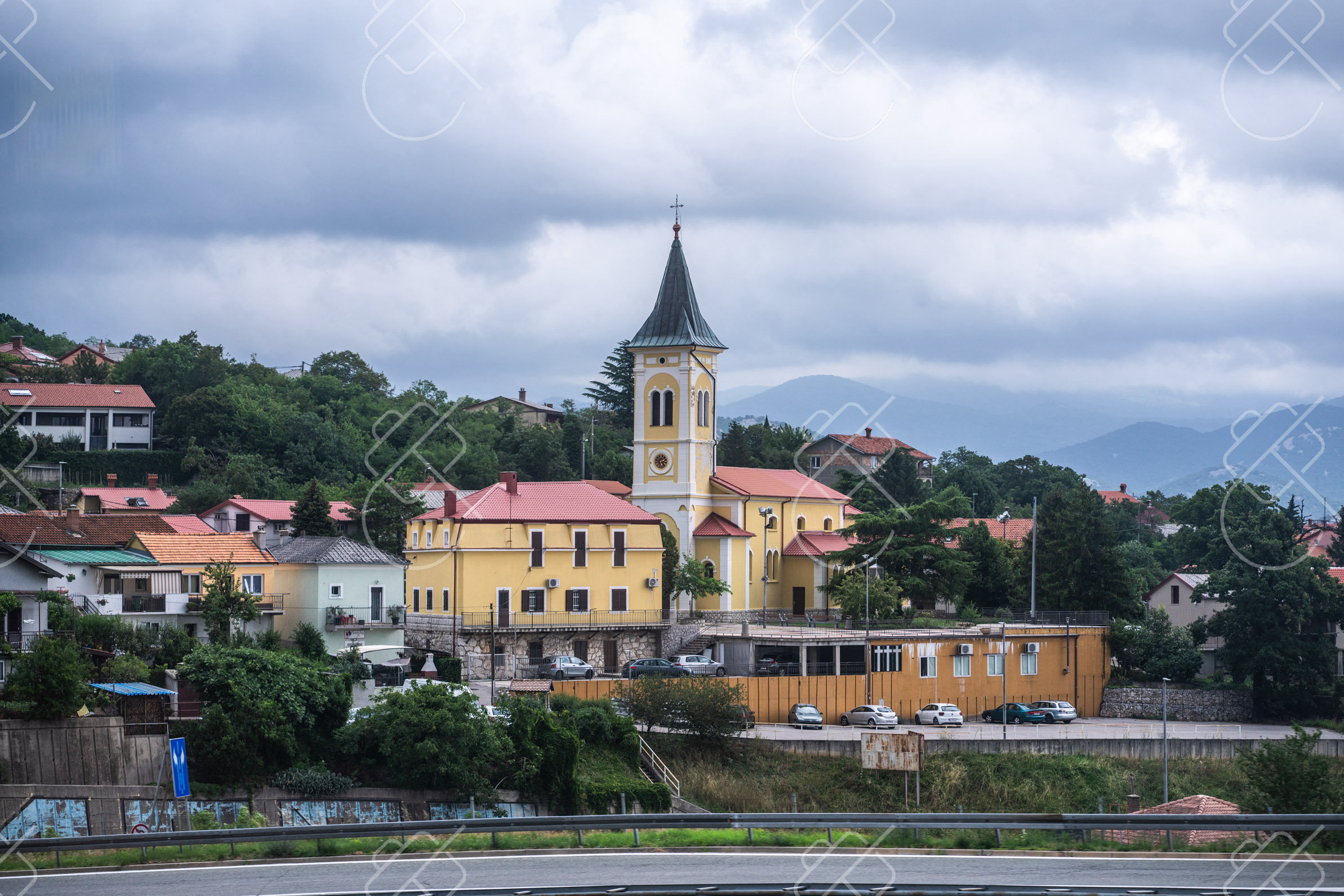
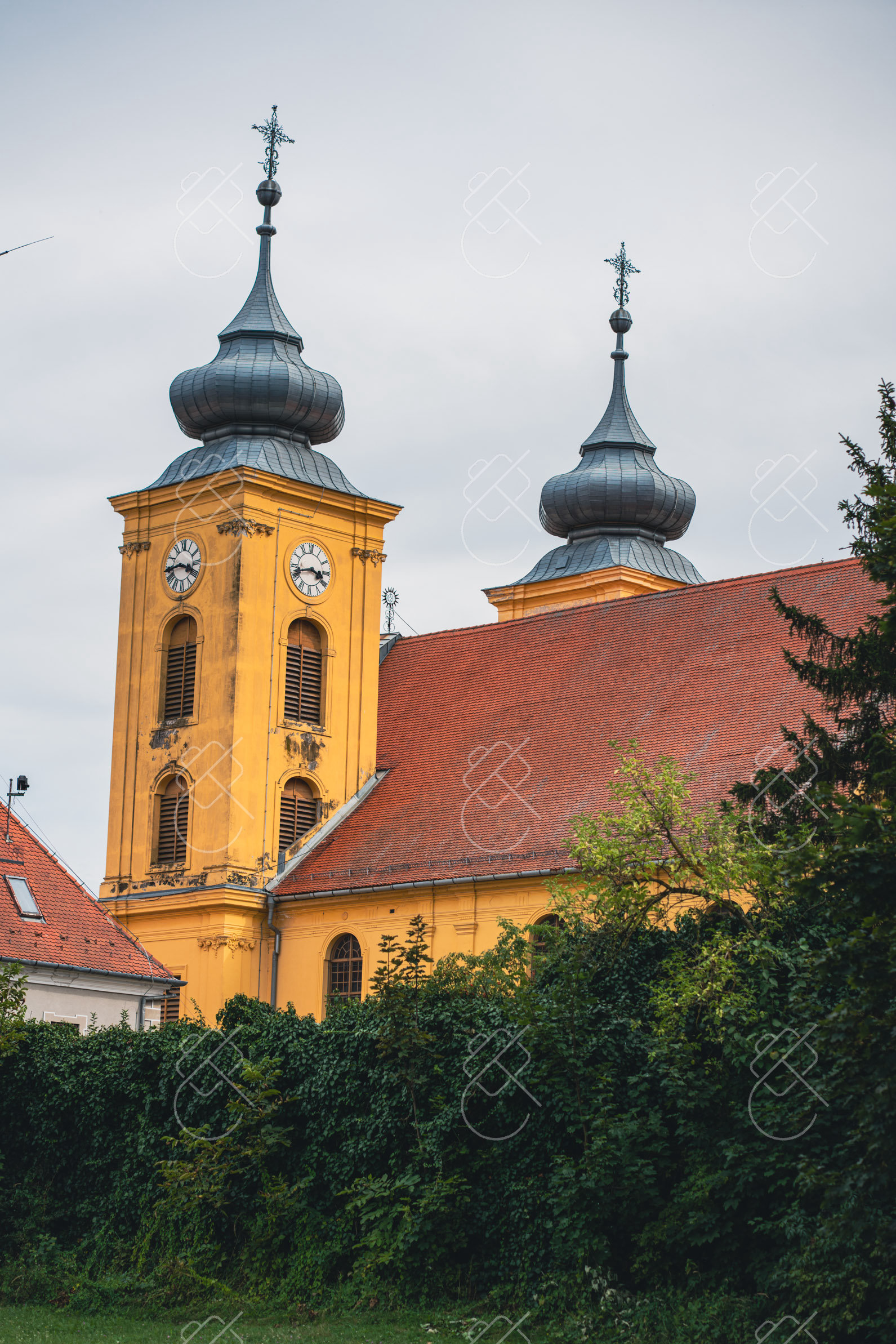
Zagreb, the inland capital, has a Central European character distinct from the coast. It divides into the medieval Upper Town of Gradec and Kaptol, set on two hills, and the 19th-century Lower Town of grand Austro-Hungarian boulevards, squares and museums.
The Upper Town holds the city's oldest landmarks: the twin-spired cathedral, the colorfully tiled roof of St. Mark's Church, and cobbled lanes still lit by gas lamps at night. A short funicular, one of the world's steepest, connects the two levels, and the Lotrščak Tower marks the high ground with views over the rooftops.
The Lower Town is laid out in a green horseshoe of parks, pavilions and museums built during the Habsburg era, centered on the broad Ban Jelačić Square. The city's bustling Dolac market, terraced cafes and a cluster of small museums give Zagreb a busy, everyday urban rhythm that contrasts with the holiday pace of the Adriatic.
December's Advent market makes Zagreb a festive winter destination, while May and September offer mild weather for terrace-cafe culture and museum-hopping without summer's humidity.
The Lower Town near Ban Jelačić Square for central access, or the quieter Upper Town to be steps from the historic core.
Štrukli, a baked or boiled cheese pastry, hearty meat dishes from the continental interior, and seasonal produce from the Dolac market.
The Upper Town's gas lamps are still lit by hand at dusk, an old ritual worth catching as the lamplighter works his way along the quiet old streets.
Explore regional routes with verified local fleets, zero hidden charges, and transparent insurance on Localrent.
Get the best deals on a hotel in Croatia before you book elsewhere — Booking.com.
We're not the type to travel without coverage — World Nomads was our travel insurance for all 526 days, Croatia included.
Transit cards, local customs, visa rules, and practical travel guides for this region.
See every destination from the 526-day journey:
Browse all destinationsCurious about the gear behind these photos? See the gear list.