
Home
About us
Destinations & Country Guides
Travel Guides
Recipes
Featured
Photos As Art
Abstract Prints
Locations
Travel Gear
Travel Resources
Favorites
Photo Framer
Explore Photos
ContactTwo weeks is enough time to understand why Japan rewards both precision and wandering. This first-time route follows the country's most efficient rail corridor from Tokyo to Hiroshima, but it does not treat the Golden Route as a checklist. Four nights in Tokyo let its neighborhoods separate into distinct places; four in Kyoto create room for early temple mornings; Hiroshima and Miyajima add necessary historical and coastal perspective; Osaka closes with energy rather than another long transfer.
Tap any photo to open it full-screen and order a print.
Use four nights in Tokyo, one in Hakone, four in Kyoto, two in Hiroshima, and two in Osaka. Treat Nara as a day trip from Kyoto and Miyajima as a full day from Hiroshima. This route is intentionally one-way, so fly into Tokyo and out of Osaka when fares cooperate. If you must return to Tokyo, take one night from Osaka and reserve the final afternoon for the train east.
We spent 33 days in Japan, 18 March – 20 April 2023, with a day trip to Shirakawa-go.
Not for tourism or business trips up to 90 days — US citizens travel under Japan's visa exemption arrangement, showing up with a valid passport and no advance application, fee, or consulate visit required.
A practical guide is around ¥5,000–10,000 in cash per person per day if hotels and larger purchases go on a card, roughly ¥70,000–140,000 over two weeks.
It is not offensive, but it is not done and can cause confusion.
Yes, blowing your nose loudly in public or at a dining table is viewed as unhygienic.
Japan's rail and subway network is the most efficient transit system on earth, and having an interoperable contactless IC card (Suica, Pasmo, ICOCA) makes riding trains, hopping city buses, and buying vending machine snacks effortless.
Spring and autumn offer the broadest appeal, but both bring crowds and higher accommodation demand. Japan works year-round if the route matches the season and expectations remain flexible.
Mild weather and seasonal color make this the most coveted period. Blossom timing varies by city and year; reserve lodging early without building the entire trip around one forecast.
The rainy period and intense humidity change the daily rhythm. Start early, use museums at midday, and expect exposed temple routes to feel harder.
Later autumn brings comfortable walking weather and color, especially around Kyoto. Typhoon disruption remains possible earlier in the season.
Cold, often clear days suit Tokyo and Kansai, with shorter daylight and the possibility of snow disrupting mountain segments.
Tokyo · 4 nights — Enough time for old Tokyo, the western neighborhoods, one flexible museum or shopping day, and jet-lag recovery.
Kyoto · 4 nights — The minimum comfortable stay when early starts, crowds, and a Nara day trip are considered.
Hiroshima & Miyajima · 2 nights — A powerful historical stop paired with one of the route's best island landscapes.
Hakone · 1 night — A restorative break between megacity and temple city, with hot springs and weather-dependent Fuji views.
Osaka · 2 nights — An energetic food-focused finish with a straightforward airport departure.
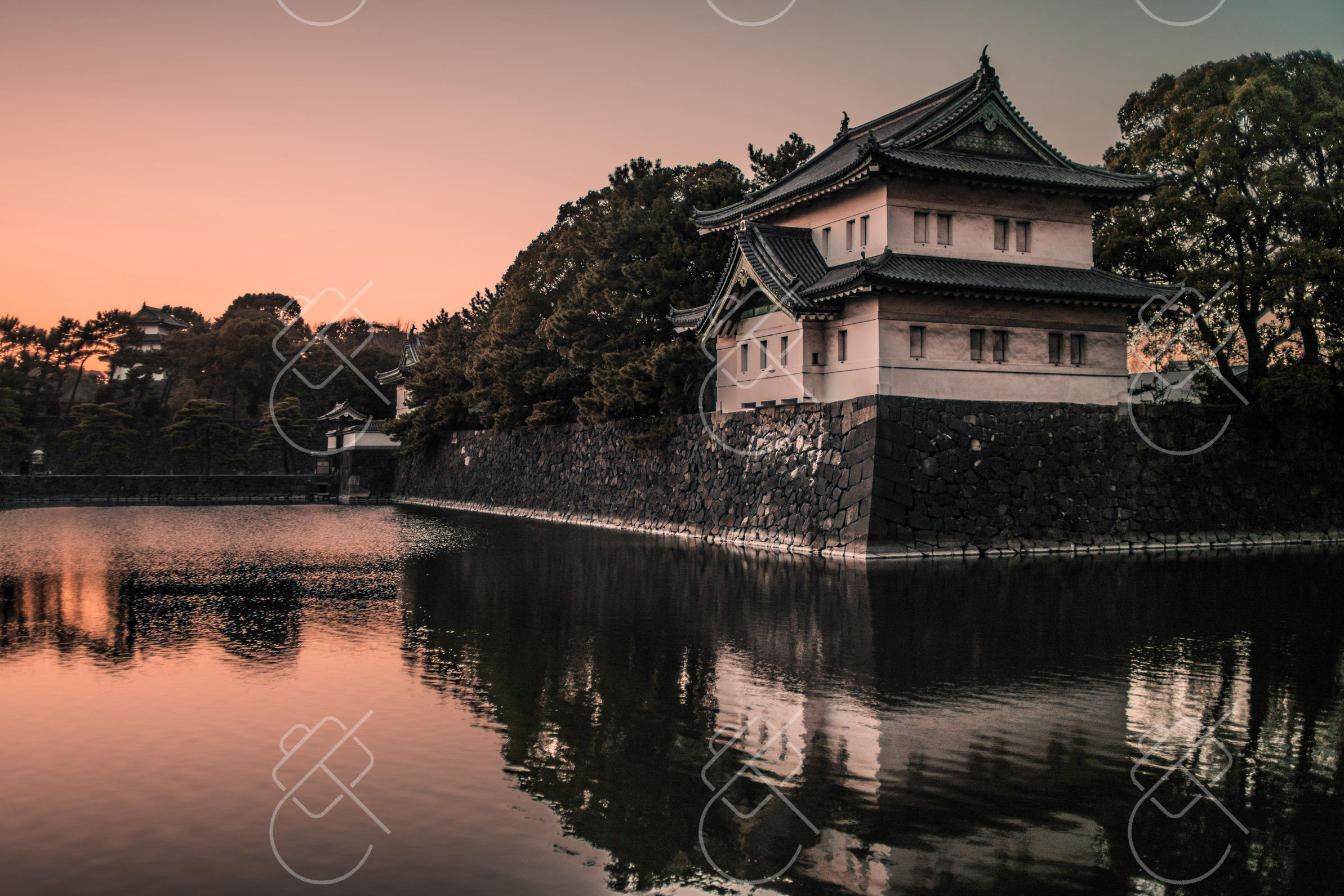
Tokyo is not one city center surrounded by sights. It is a network of neighborhoods with their own pace, scale, and light. Group each day geographically: Asakusa and Ueno in the east, Meiji Jingu through Shibuya in the west, and central Tokyo around the palace, Ginza, or a museum reservation.
On the first full day, begin at Senso-ji before the shopping street becomes dense, then walk or ride toward Ueno. Save Shinjuku for late afternoon and night, when elevated rail lines, signs, and narrow restaurant streets reveal a different city.
Do not prebook every hour. Tokyo absorbs weather beautifully: a rainy morning can move indoors to a museum, department-store food hall, or covered shopping street, while clear light can be used along the palace moat or from a free observation deck.
Use mornings for temples and traditional streets, late afternoon for city views, and evenings for Shinjuku or Shibuya.
Stay near a well-connected station on the Yamanote loop or a direct subway line. Shinjuku and Shibuya suit nightlife; Ueno and Asakusa offer easier old-Tokyo access.
Mix specialist counters with casual meals: sushi, soba, yakitori, tonkatsu, and basement food halls all belong in a Tokyo itinerary.
Choose one western Tokyo night area rather than crossing the city repeatedly. Last trains arrive earlier than many visitors expect, so check the route home before settling into dinner.
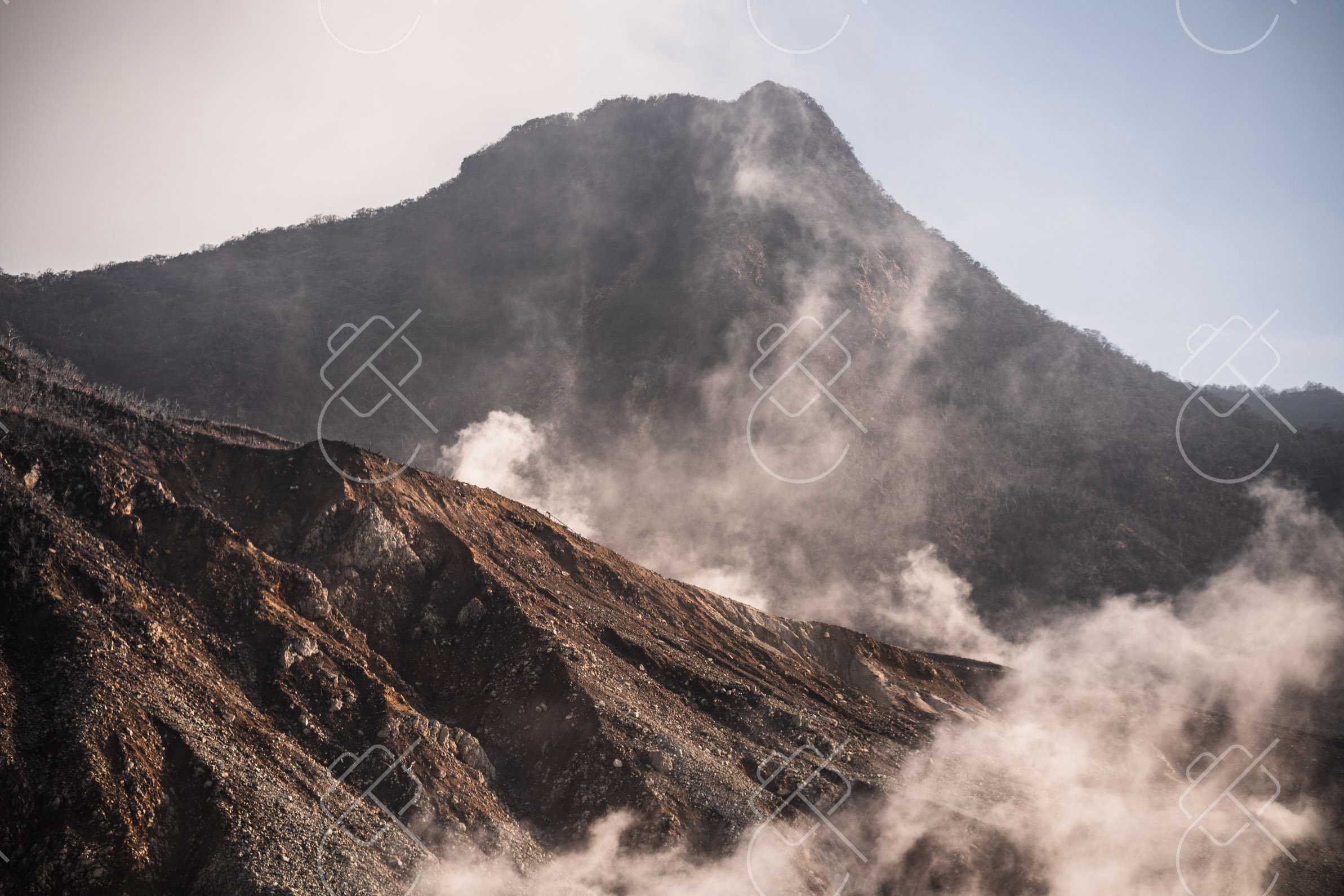
Hakone works as a pause, not as a guaranteed Mount Fuji viewing platform. The appeal is the full combination of mountain transport, volcanic landscape, art, an overnight bath, and a traditional meal. Cloud can erase Fuji completely and still leave a worthwhile stay.
Forward large luggage to Kyoto or leave it in Tokyo and travel with one small overnight bag. This makes buses, cable cars, and station changes far easier. Choose a ryokan location based on the experience you value, not only the fastest access.
Arrive before check-in time and use the afternoon for one museum or part of the transport loop. Protect the evening for the ryokan rather than returning late from an overloaded circuit.
Clear winter mornings offer the best odds for distant views, while spring and autumn add color. Conditions can change quickly in every season.
Hakone-Yumoto is easiest for transport; Gora suits museums and mountain access; more remote ryokan trade convenience for quiet.
A ryokan dinner and breakfast are part of the reason to stay. Confirm dietary needs well before arrival because traditional kitchens may not improvise at check-in.
Treat Fuji as a bonus. Check operating notices for mountain transport and keep a museum-centered fallback.
Japan becomes easier when you stop planning by attraction and start planning by neighborhood.
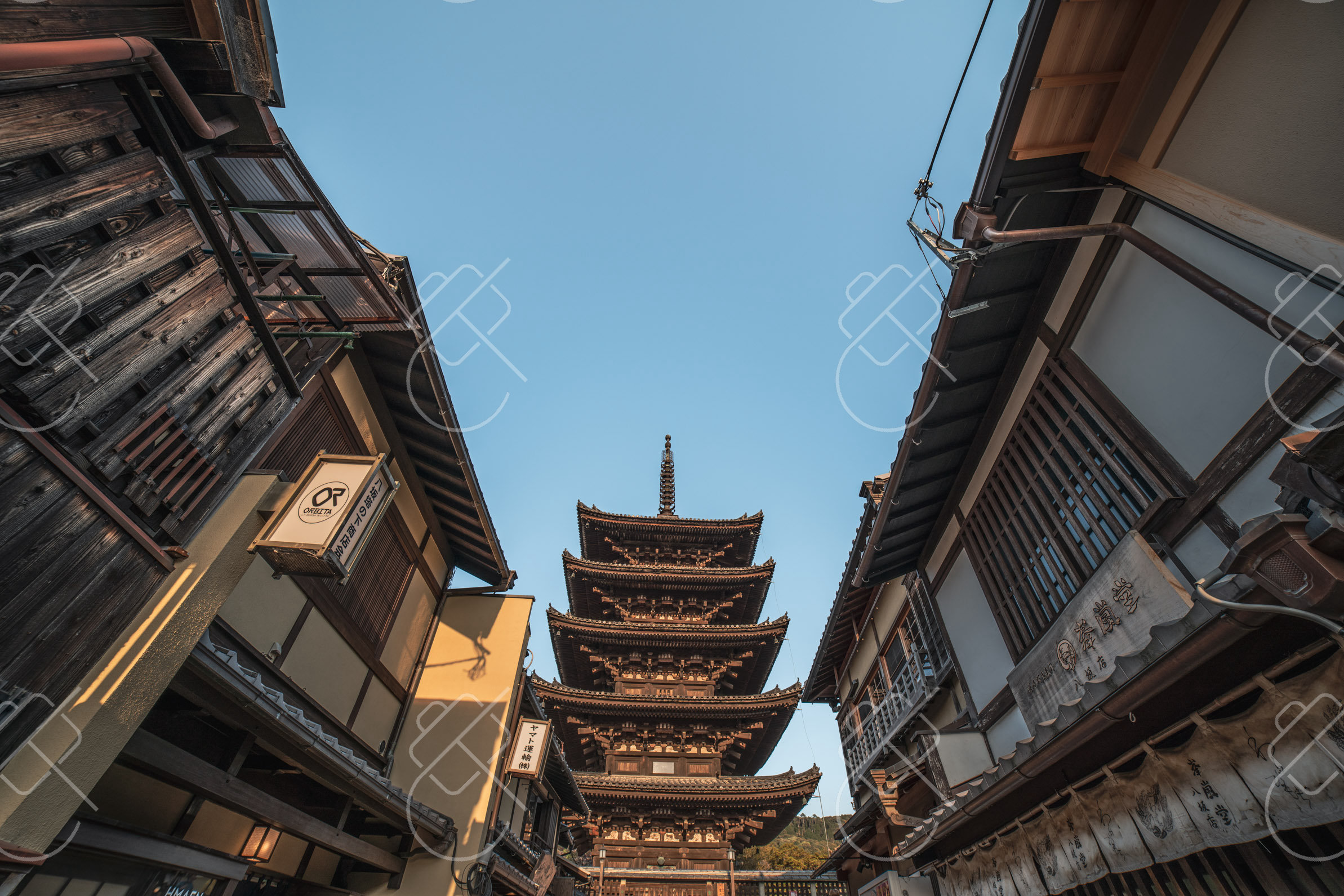
Kyoto punishes the visitor who strings famous names together without reading the map. Divide the city into Higashiyama, Arashiyama, the northwest temples, and southern Kyoto. Start the busiest outdoor sights early, then allow quieter streets, gardens, and meals to carry the middle of the day.
Use one eastern day for Kiyomizu-dera, Sannenzaka, Yasaka, and the lanes around Gion. Give another morning to Fushimi Inari, continuing beyond the first gates before the route narrows, then use the afternoon for Uji or central Kyoto.
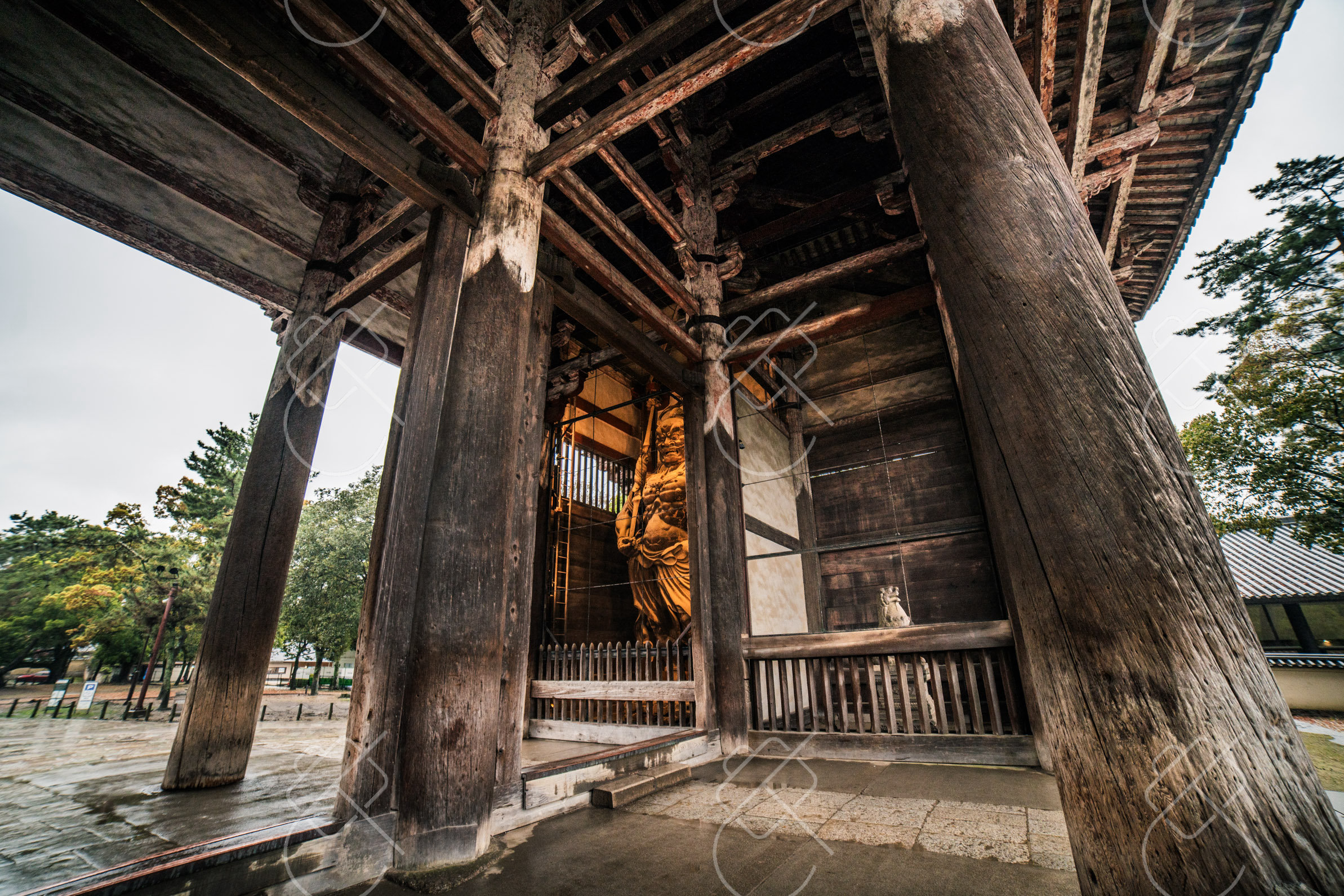
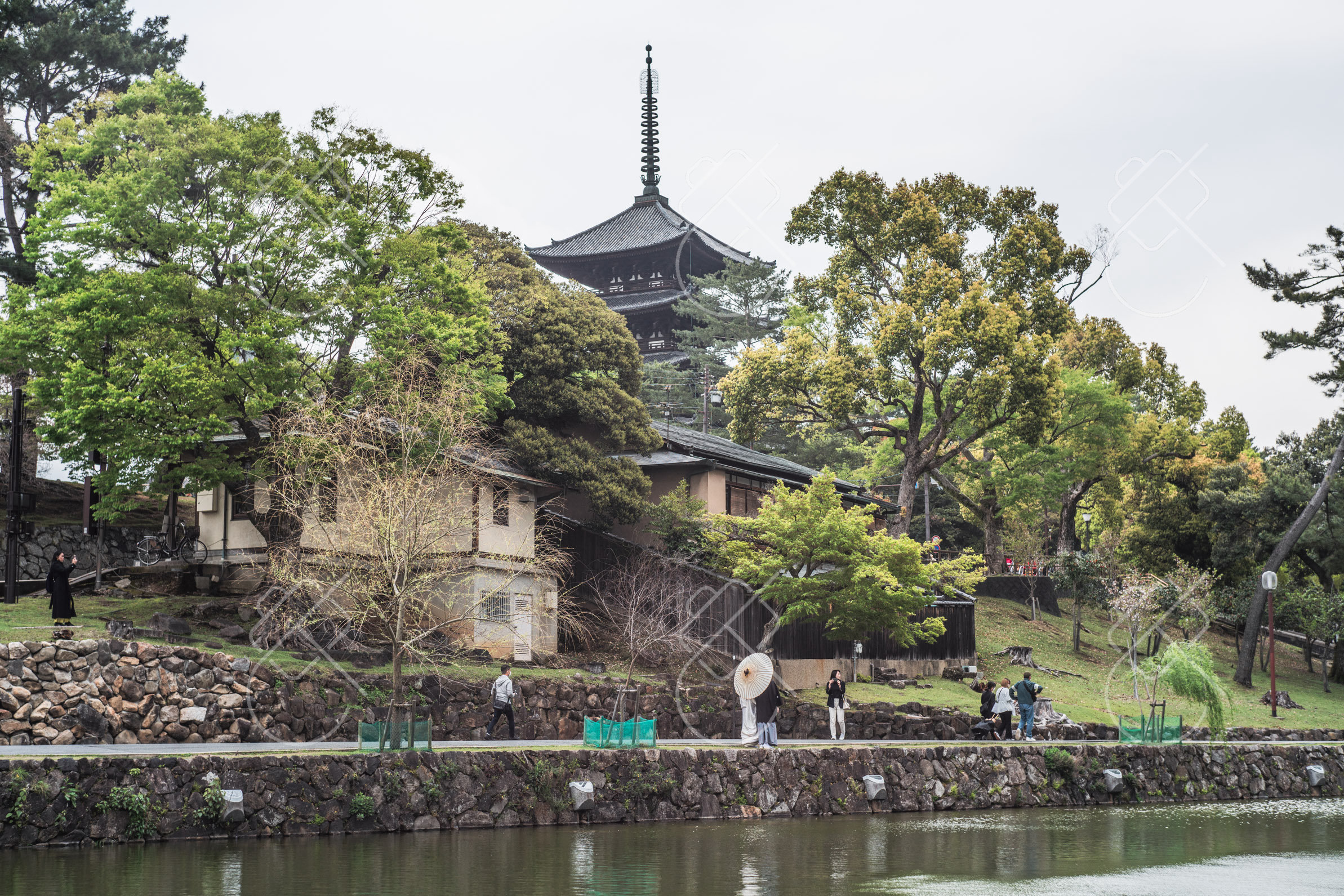
Nara deserves a full day. Walk from the historic temple area through Nara Park rather than reducing the trip to deer photographs. Todai-ji's scale and the quieter paths toward Kasuga Taisha create a complete cultural day.
Dawn and the first opening hour matter more than any universal route. Use Kyoto's congestion tools and live cameras when available.
Downtown near Karasuma or Kawaramachi balances dining and transport. Kyoto Station is best for day trips; Higashiyama offers atmosphere with less convenient cross-city movement.
Seek tofu cuisine, obanzai home-style dishes, Nishin soba, matcha sweets, and a relaxed kaiseki meal if the budget allows.
Buses are useful but can be crowded and slow. Prefer trains and walking when the geography allows, and avoid crossing the city for a single sunset photograph.
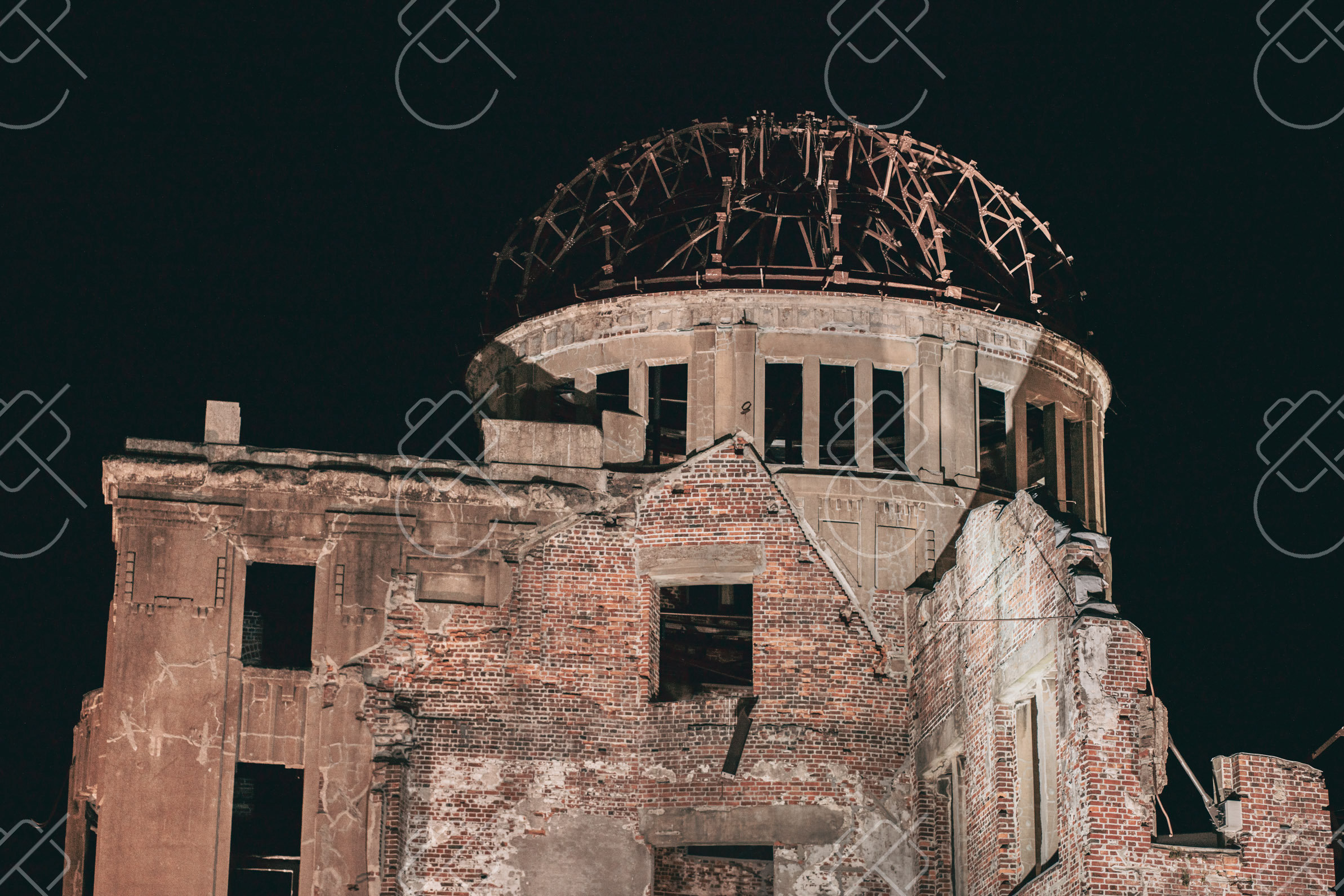
Hiroshima asks for more than a quick photograph of the Atomic Bomb Dome. Give the Peace Memorial Museum and park an unhurried half-day, then let the city return gradually through its rivers, trams, food, and evening streets. Miyajima changes the following day from urban history to forested coast.
The museum can be emotionally exhausting. Do not schedule a dense list immediately afterward. Walk the park, cross the river, eat, and leave room to process what you have seen.
On Miyajima, look beyond the waterfront gate. Walk toward Daisho-in, continue up Mount Misen if weather and energy permit, and stay late enough for the day-trip rhythm to soften before returning.
Visit the museum early and check Miyajima tide times for the waterfront appearance you prefer. Clear weekdays make the island easier.
Central Hiroshima near the tram network is easiest. Staying one night on Miyajima offers quieter evening light but adds cost and luggage logistics.
Try Hiroshima-style okonomiyaki, oysters when in season, and anago eel on Miyajima.
Store luggage at Hiroshima station or your hotel and travel light to Miyajima. Respect museum photography rules and the solemn purpose of the site.
The fastest train is not always the best itinerary; fewer hotel changes create more usable days.
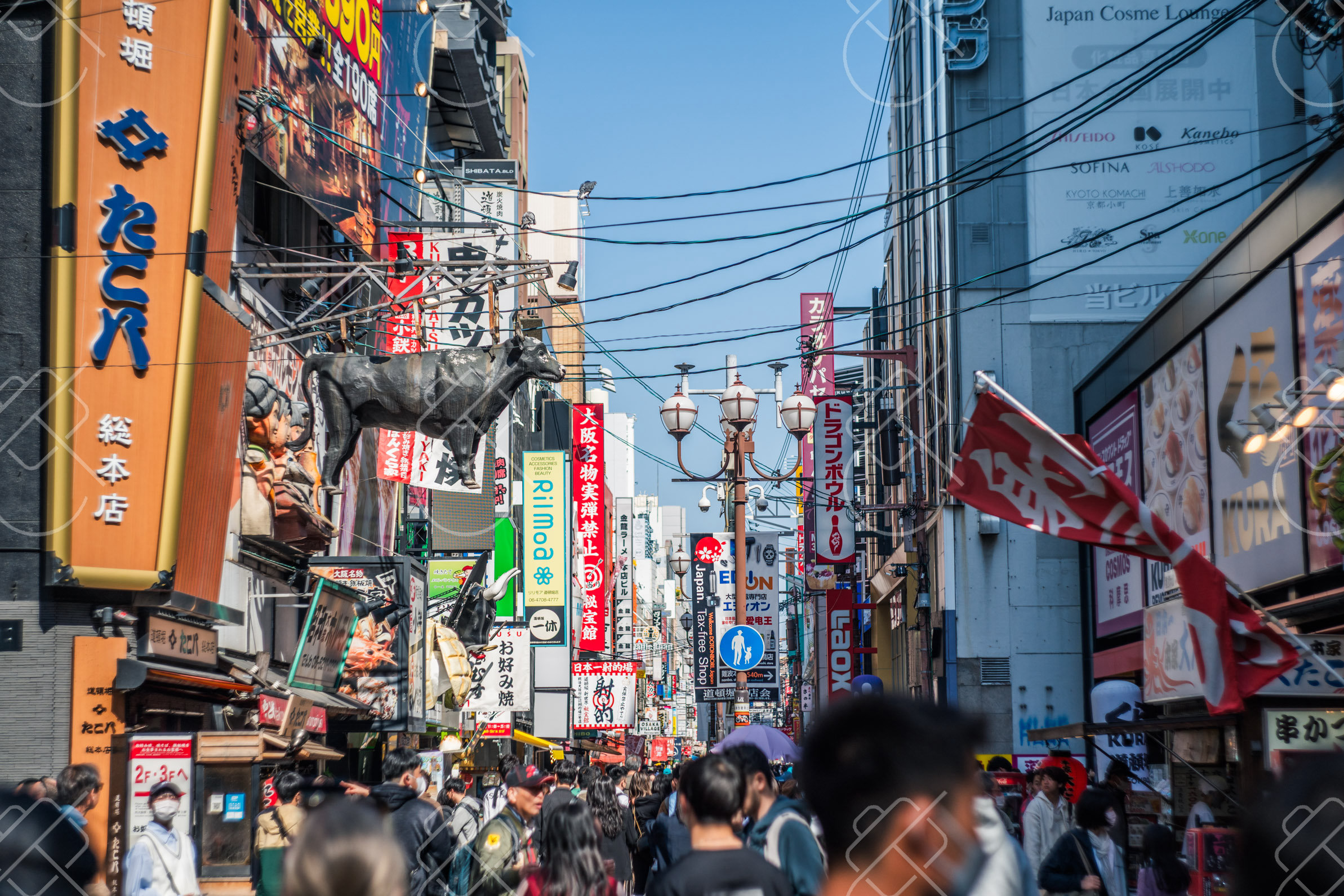
Osaka is the right final stop because it asks less ceremony from the itinerary. Use the days for markets, neighborhoods, and one major sight; let evenings revolve around food and people rather than another list of temples.
Explore Kuromon and Namba, then walk toward Dotonbori after dark without expecting the canal itself to explain the city. Side streets, counters, shopping arcades, and the contrast between polished stations and worn alleys are more rewarding.
Use the second day for Osaka Castle grounds, Nakazakicho, Shinsekai, or a museum according to your interests. Depart from Kansai Airport if possible to preserve the route's one-way logic.
Neighborhoods wake slowly; use mornings for the castle or markets and save Namba for evening.
Namba suits food and airport access; Umeda is stronger for regional trains and a polished city-center base.
Order takoyaki, okonomiyaki, kushikatsu, udon, and whatever looks good at a busy counter.
Do not commute from Kyoto for every Osaka night. Two nights here make the airport departure easier and let the city develop beyond Dotonbori.
A loose, walkable route — bend it to your pace and the light.
Keep arrival day local to your hotel. On the first full day, begin with Asakusa and Senso-ji, continue toward Ueno, and finish in a neighborhood that does not require crossing the city again.
Tip: Jet lag is not wasted time. Use the early waking hours for outdoor places that become crowded later.
Walk from Meiji Jingu through Harajuku to Shibuya, then give the following day to the palace area, Ginza, a museum, or a weather-dependent viewpoint.
Tip: Reserve only the experiences that truly require timed entry and leave the surrounding half-day flexible.
Travel with a small bag, choose one museum or part of the mountain loop, and check into the ryokan with time to enjoy the bath and dinner.
Travel to Kyoto and divide the stay into eastern Kyoto, Arashiyama or the northwest, southern Kyoto, and a full Nara day. Avoid combining opposite sides of the city simply because both appear on a top-ten list.
Tip: Shift the exact day order after checking weather and congestion forecasts.
Take the shinkansen west, visit the Peace Memorial Museum and park without rushing, then spend the following day on Miyajima.
Travel east to Osaka, settle near Namba or Umeda, and use the remaining time for neighborhoods, markets, one major sight, and two unhurried evenings.
Leave a realistic airport buffer. If flying from Tokyo instead, take an evening train east on day 13 and sleep near the departure connection.
Add Kanazawa and Takayama only with at least three extra nights; otherwise the detour makes the route transfer-heavy. A third Hiroshima night allows a slower Miyajima stay, while extra Tokyo or Kyoto nights are never wasted.
Transit cards, local customs, visa rules, and practical travel guides for this region.
Get our new Japan guides and practical tips by email: where to stay, what to eat, what things cost and the rules that catch travelers out.
Free. No spam, only new guides and tips.
See every destination we've photographed:
Browse all destinationsCurious about the gear behind these photos? See the gear list.