Home
About us
Destinations
Travel Guides
Recipes
Featured
Photos As Art
Abstract Prints
Locations
Travel Gear
Travel Resources
Favorites
Photo Framer
Explore Photos
ContactKnown historically as the Nation's Kitchen (Tenka no Daidokoro) and today as Japan's capital of warmth, wit, and street dining, Osaka is a dynamic contrast to refined Kyoto and sleek Tokyo. From the illuminated giant Glico running man overlooking the Dotonbori canal to the formidable stone moats and gilded eaves of Osaka Castle, the city pairs imperial history with an infectious, welcoming energy. Here, the motto is kuidaore—eat until you drop—whether savoring piping-hot takoyaki under steaming food stalls or exploring retro alleys in Shinsekai beneath Tsutenkaku Tower.
Published October 18, 2026
Tap any photo to open it full-screen and order a print.
The energetic culinary heart of Kansai, where 16th-century samurai citadels stand beside neon-drenched canal arcades and legendary street food stalls.
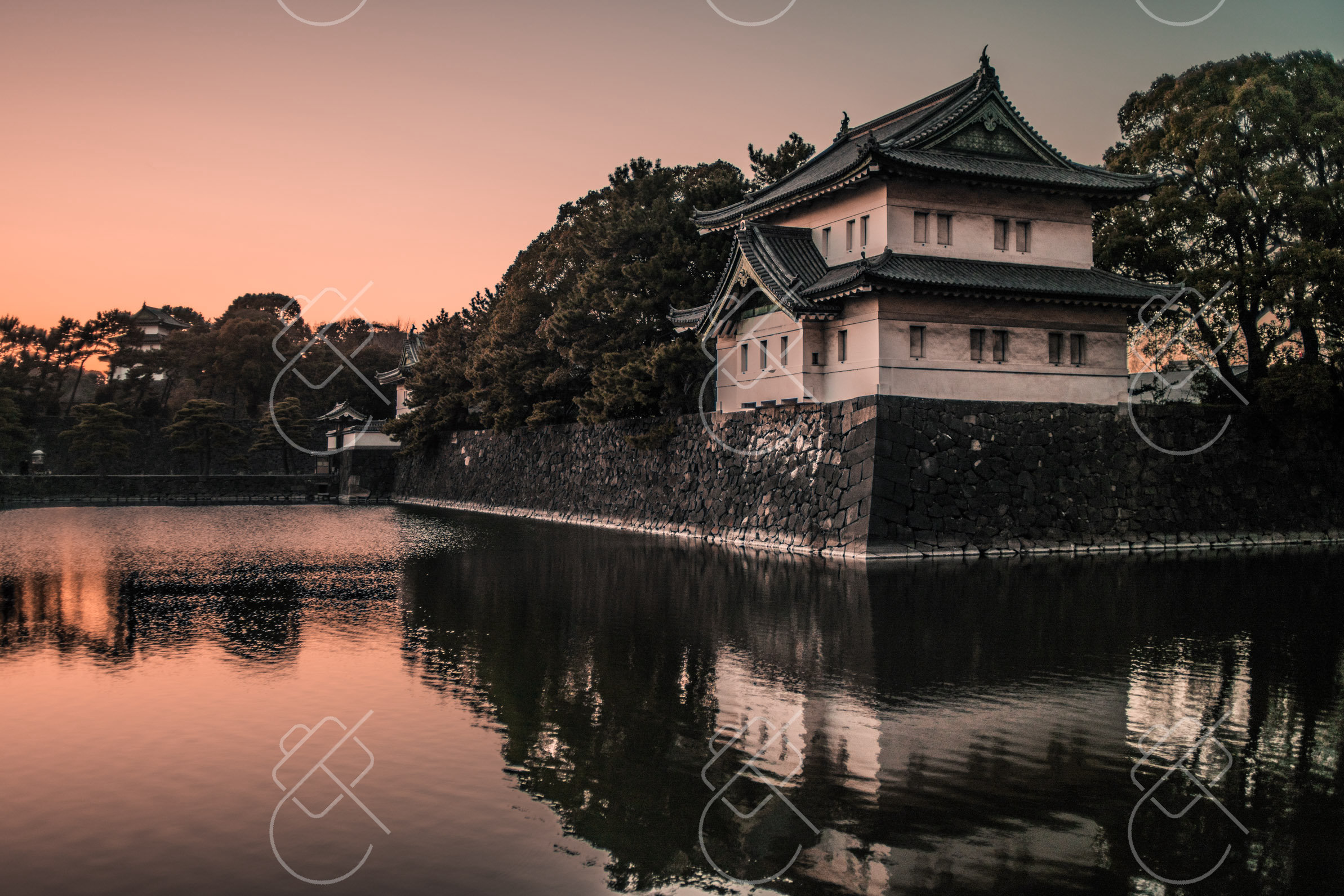
Osaka Castle (Osaka-jo) anchors the city's historic identity. Built in 1583 by samurai unifier Toyotomi Hideyoshi, its multi-tiered green and gold main keep rises above monumental dry-stone moats constructed from interlocking granite boulders that weigh over 100 tons each. The surrounding park covers two square kilometers, filled with plum and cherry orchards that frame the stone bastions in spring.
Along the canal, Dotonbori is Osaka's entertainment epicenter. At dusk, hundreds of motorized 3D signboards—including giant mechanical crabs, glowing dumplings, and the historic 1935 Glico Running Man—illuminate the dark water. The narrow alley of Hozenji Yokocho, paved with weathered cobblestones, leads to the moss-covered statue of Fudo Myo-o where visitors splash ladles of water for good fortune.
The gilded eaves and stone foundation ramparts of Osaka Castle
South of the center lies Shinsekai (New World), developed in 1912 with an eclectic blend of Paris and Coney Island architecture. Today, it retains a distinct nostalgic charm, dominated by the Tsutenkaku Tower and bustling kushikatsu (deep-fried skewers) diners where the cardinal rule of no double dipping is strictly observed.
Late March to early April for cherry blossoms in Osaka Castle Park and Kema Sakuranomiya, or October to November for clear skies, comfortable walking temperatures, and vibrant autumn foliage.
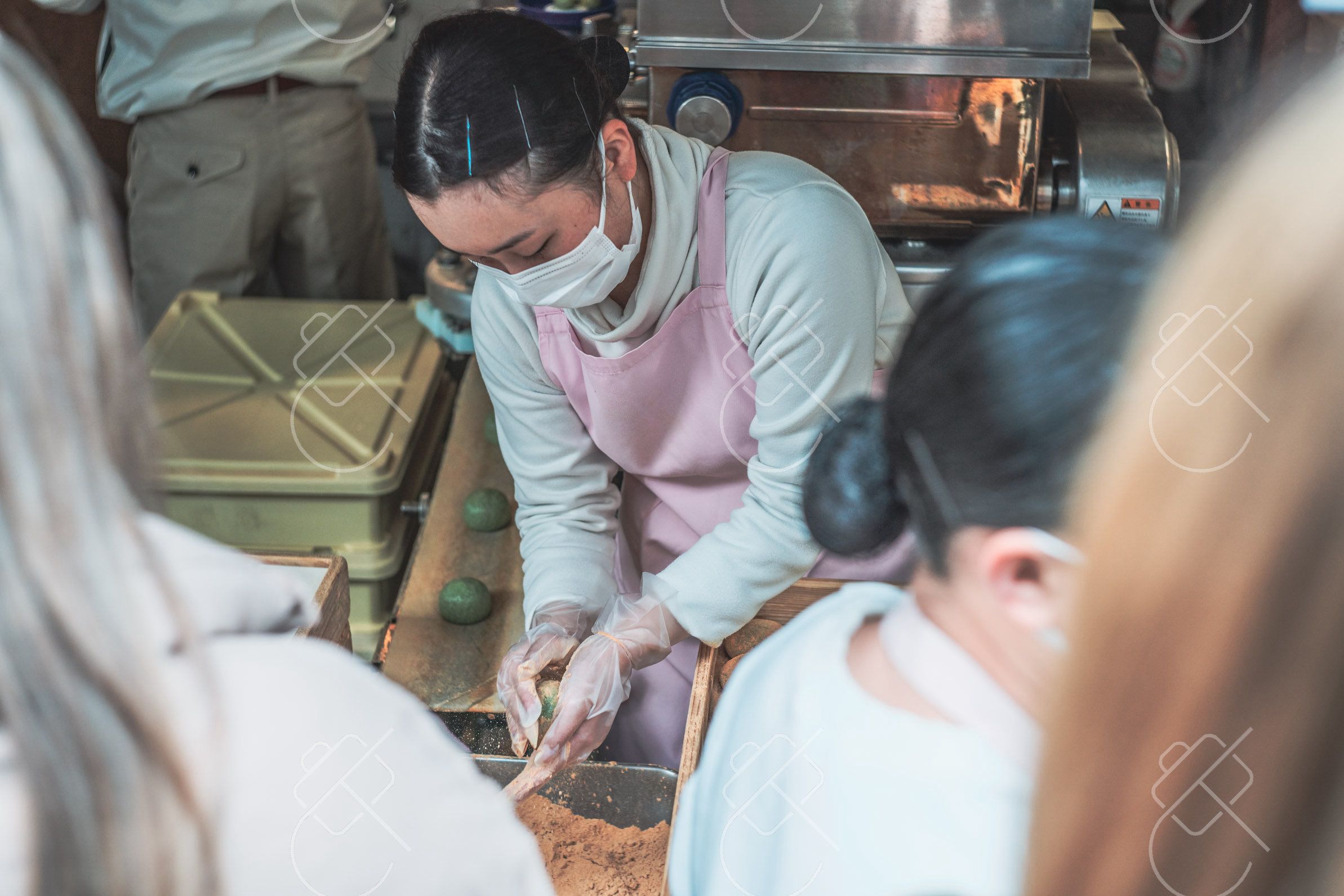
Takoyaki (battered octopus balls drizzled with sweet sauce, Japanese mayo, and dancing bonito flakes), okonomiyaki (savory cabbage pancakes), and golden-crisp kushikatsu skewers.
Use the Osaka Metro Midosuji Line for quick travel between north (Umeda) and south (Namba/Dotonbori). If visiting multiple paid sights in one day, the Osaka Amazing Pass covers subway transit and free admission to over 40 attractions.
Get the best deals on flights, hotels, and stays for Osaka — all on Expedia.
We're not the type to travel without coverage — World Nomads was our travel insurance for all 526 days, Osaka, Japan included.
Transit cards, local customs, visa rules, and practical travel guides for this region.
See every destination from the 526-day journey:
Browse all destinationsCurious about the gear behind these photos? See the gear list.