
Home
About us
Destinations
Travel Guides
Recipes
Featured
Photos As Art
Abstract Prints
Locations
Travel Gear
Travel Resources
Favorites
Photo Framer
Explore Photos
ContactMatsumoto sits in a mountain basin in Nagano Prefecture, two and a half hours west of Shinjuku, and its castle keep is the reason most people come: black lacquered walls over a water-filled moat, one of only twelve original keeps left in Japan and one of five ranked as National Treasures. The town around it is compact, walkable, and better than its reputation as a day trip suggests, and the Japan Alps start where the streets run out.
Published August 13, 2026
Tap any photo to open it full-screen and order a print.
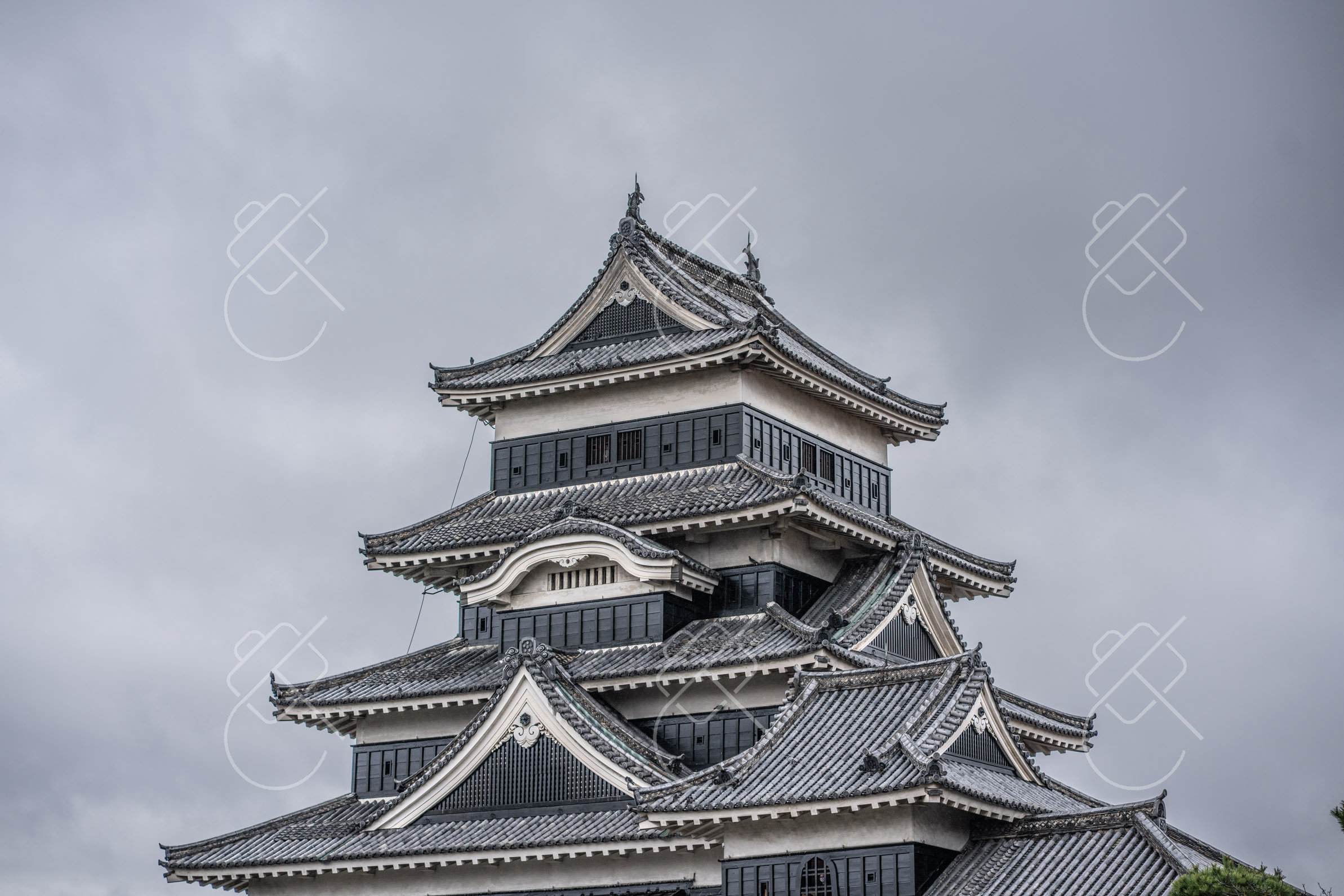
Matsumoto is a castle town in the Nagano mountains built around an original 16th-century keep, with a frog-themed shopping street along the old riverbank, white-walled merchant storehouses, and horse sashimi as the local specialty.
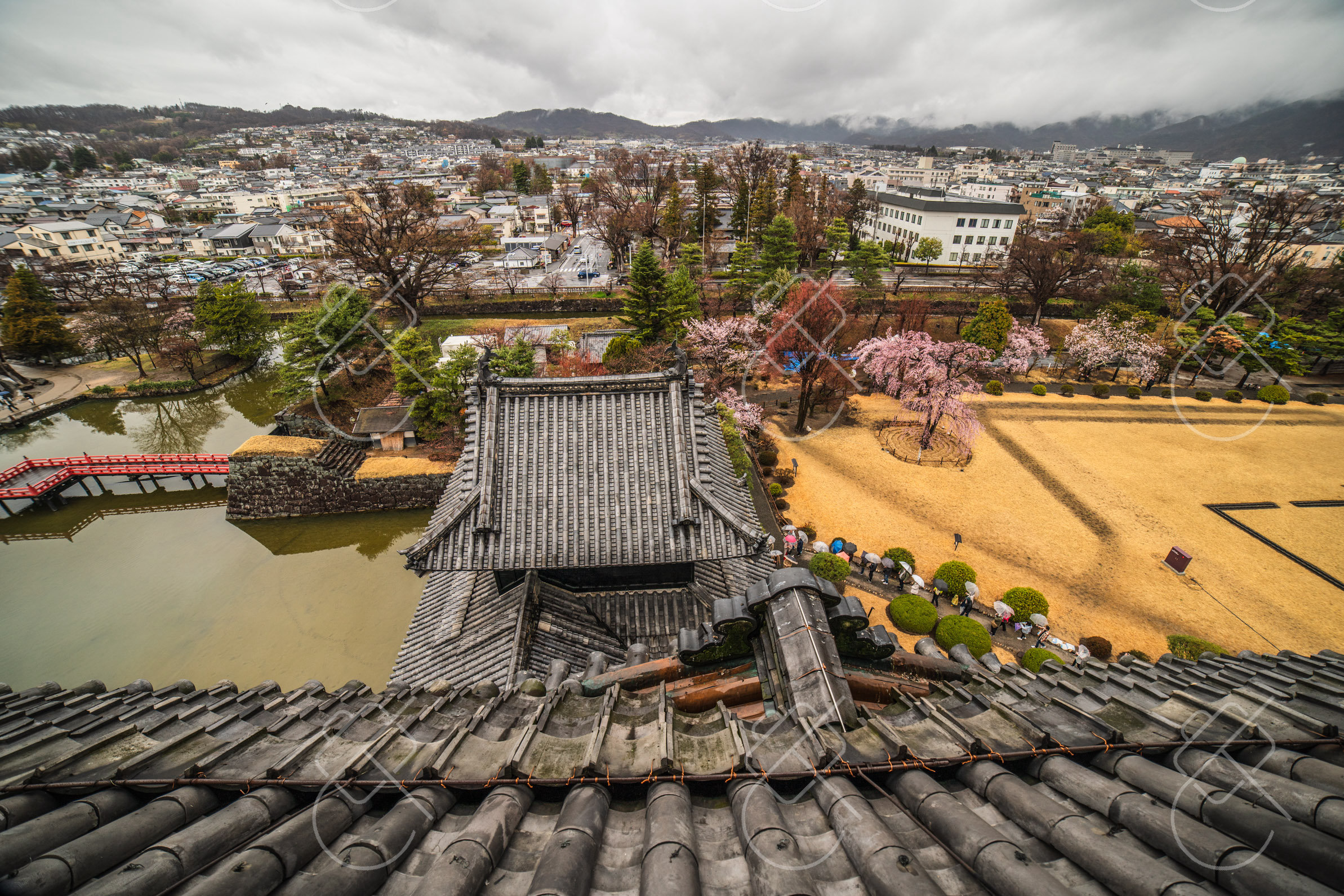
Matsumoto Castle was finished in 1593 and 1594, and unlike most Japanese castles it is genuine rather than a postwar concrete reconstruction: the keep still has its original wooden interiors and stonework, which is why it carries National Treasure status alongside four others. It is a hirajiro, a castle built on flat ground rather than a hill, so the defense had to come from the water, and the moat still doubles the black keep in its reflection from the red Umesawa footbridge. Inside, the stairs between floors are ladder-steep, worn, and in places pitched near 60 degrees, and the sixth floor opens onto slit windows that frame the Alps in clear weather. The black lacquered cladding gets the castle called Karasu-jō, Crow Castle, though the castle's own management office points out that no historical document uses the name. The last structure added was the Tsukimi Yagura, the moon-viewing turret built in 1633 and 1634 under Matsudaira Naomasa, an open, red-railed room with no arrow slits at all, added for entertaining the shogun in peacetime.
Looking down from the castle keep over the moat, the red bridge and the first cherry blossom
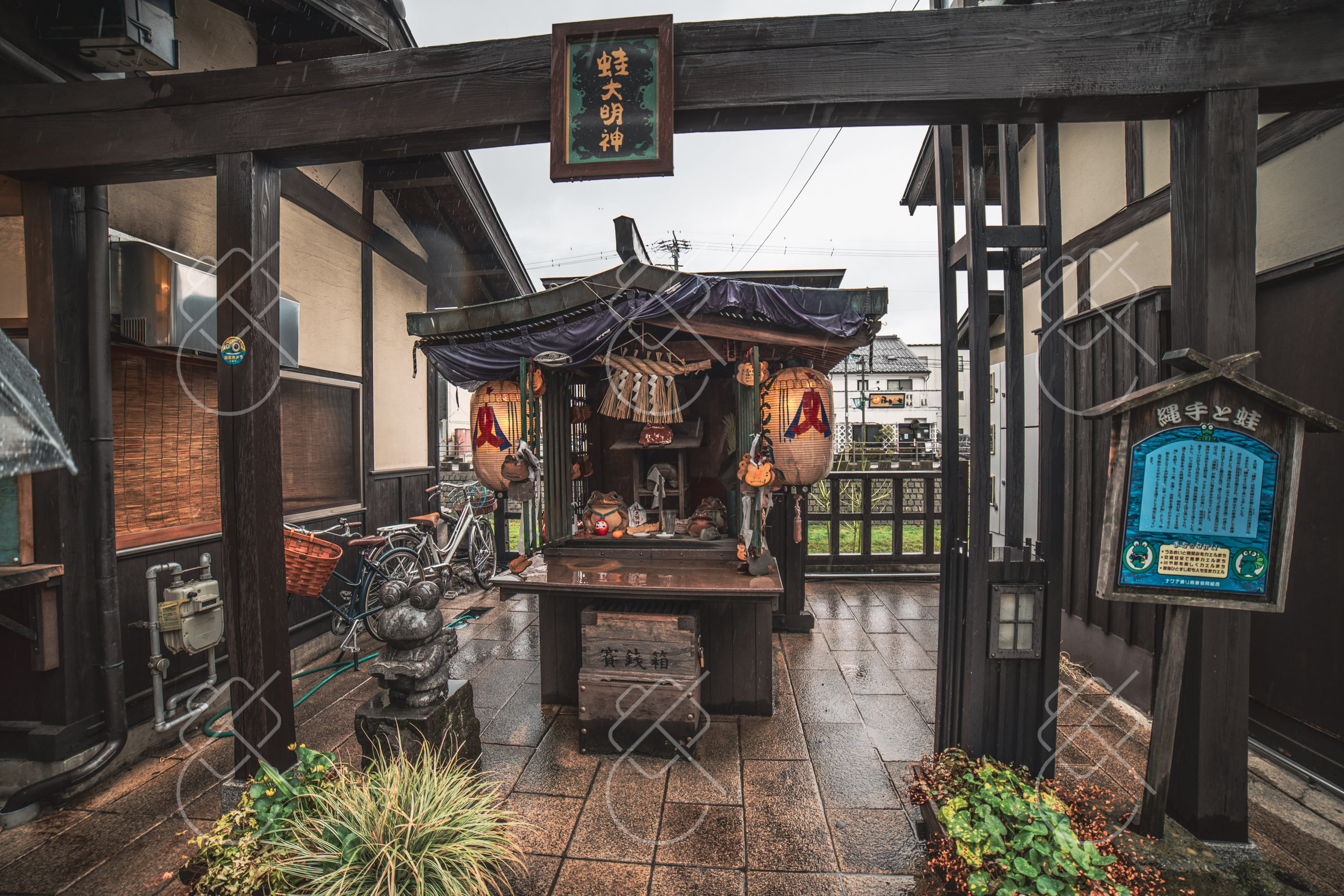
The town has more to it than the keep. Nawate-dōri runs along the old bank of the Metoba River and is known as Frog Street, lined with about fifty small shops and stalls selling frog-themed everything; the name comes from the frogs that filled the riverbank until a typhoon in 1959 drove them off for good. One street over, Nakamachi keeps the white-walled, black-latticed kura storehouses of the merchants who once traded here, now craft shops and coffee. Matsumoto is also Yayoi Kusama's hometown, born here in 1929, and the Matsumoto City Museum of Art carries her work along with polka-dotted sculpture out front. The mountains are the other draw: this is the standard staging town for Kamikōchi and the Northern Japan Alps, and the last stop with a proper station, a supermarket, and a bed before the buses head up the valley.
Early to mid-April, when the cherry trees inside the castle grounds open a week or two behind Tokyo's and the Alps still hold snow behind the keep. Late March, as in these photos, catches the first blossom with almost no crowd.
Stay between Matsumoto Station and the castle, near Nakamachi, which keeps the old town, the river, and the morning bus stops for Kamikōchi all within a ten-minute walk.
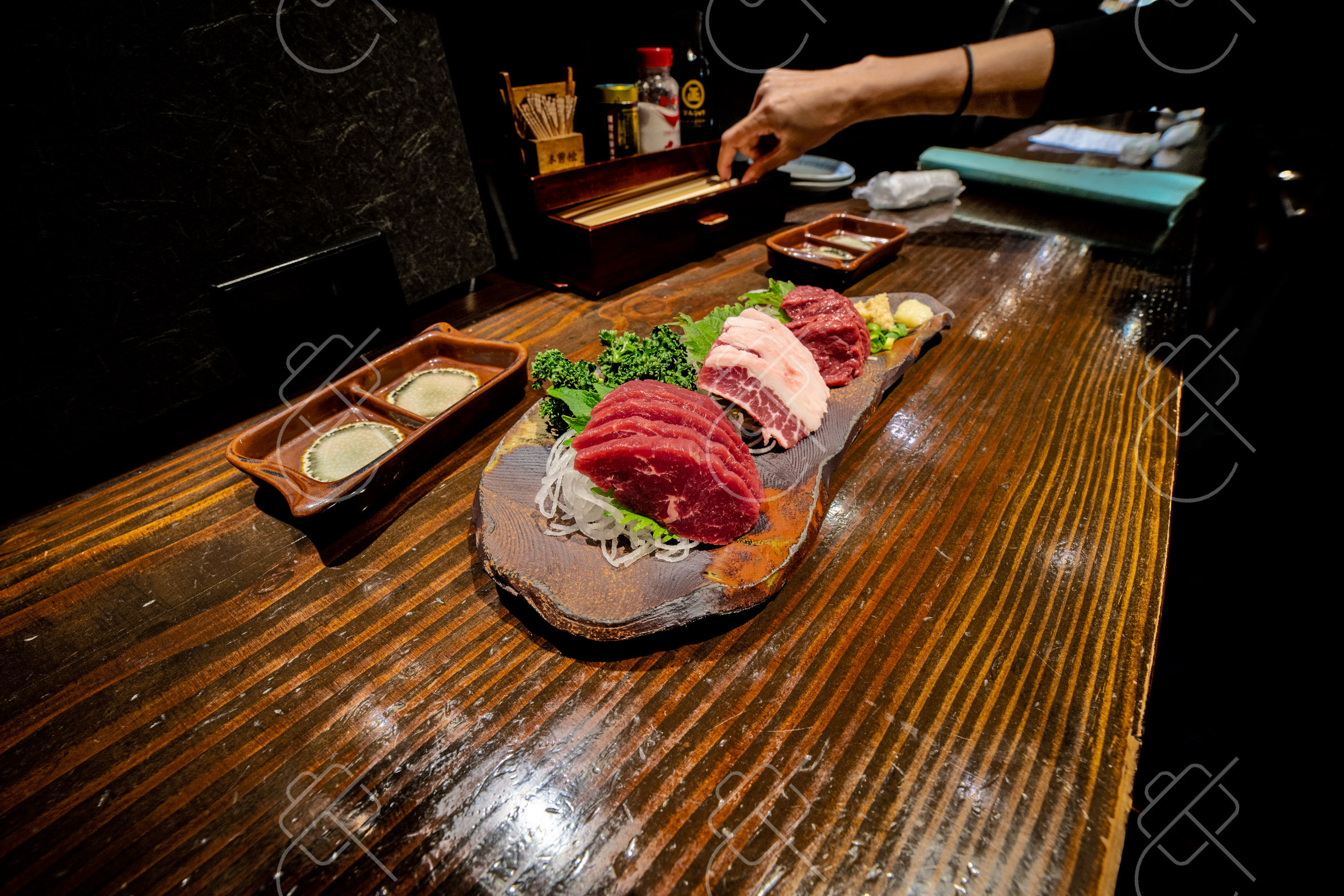
Order basashi, raw horse sashimi, which Nagano eats more of than anywhere else in Japan, and a bowl of local sanzoku-yaki fried chicken if you want something cooked.
Buy the combination ticket for the castle and the Japan Ukiyo-e Museum if you have half a day, but go up the keep first thing: the stairs are single-file, and by mid-morning the queue inside the tower moves a floor at a time.
Get the best deals on Matsumoto hotels on Booking.com before prices climb.
Transit cards, local customs, visa rules, and practical travel guides for this region.
See every destination from the 526-day journey:
Browse all destinationsCurious about the gear behind these photos? See the gear list.