
Home
About us
Destinations
Travel Guides
Recipes
Featured
Photos As Art
Abstract Prints
Locations
Travel Gear
Travel Resources
Favorites
Photo Framer
Explore Photos
ContactJapan compresses extremes into short train rides: glass towers and pedestrian scrambles in Tokyo, moss-covered temple gardens in Kyoto, snow-laced wooden streets in the Japan Alps. An efficient rail network, including the Shinkansen, makes it possible to move between megacity and mountain village in a single day. Seasons matter enormously here, with cherry blossom in spring and fiery maple in autumn drawing crowds and color in equal measure. The destinations below span the main island of Honshu and offer a balance of urban energy, traditional architecture and natural landscape.
Published February 13, 2026
Tap any photo to open it full-screen and order a print.
We spent 33 days in Japan, 18 March – 20 April 2023, with a day trip to Shirakawa-go.
Not for tourism or business trips up to 90 days — US citizens travel under Japan's visa exemption arrangement, showing up with a valid passport and no advance application, fee, or consulate visit required.
A practical guide is around ¥5,000–10,000 in cash per person per day if hotels and larger purchases go on a card, roughly ¥70,000–140,000 over two weeks.
It is not offensive, but it is not done and can cause confusion.
Yes, blowing your nose loudly in public or at a dining table is viewed as unhygienic.
Japan's rail and subway network is the most efficient transit system on earth, and having an interoperable contactless IC card (Suica, Pasmo, ICOCA) makes riding trains, hopping city buses, and buying vending machine snacks effortless.
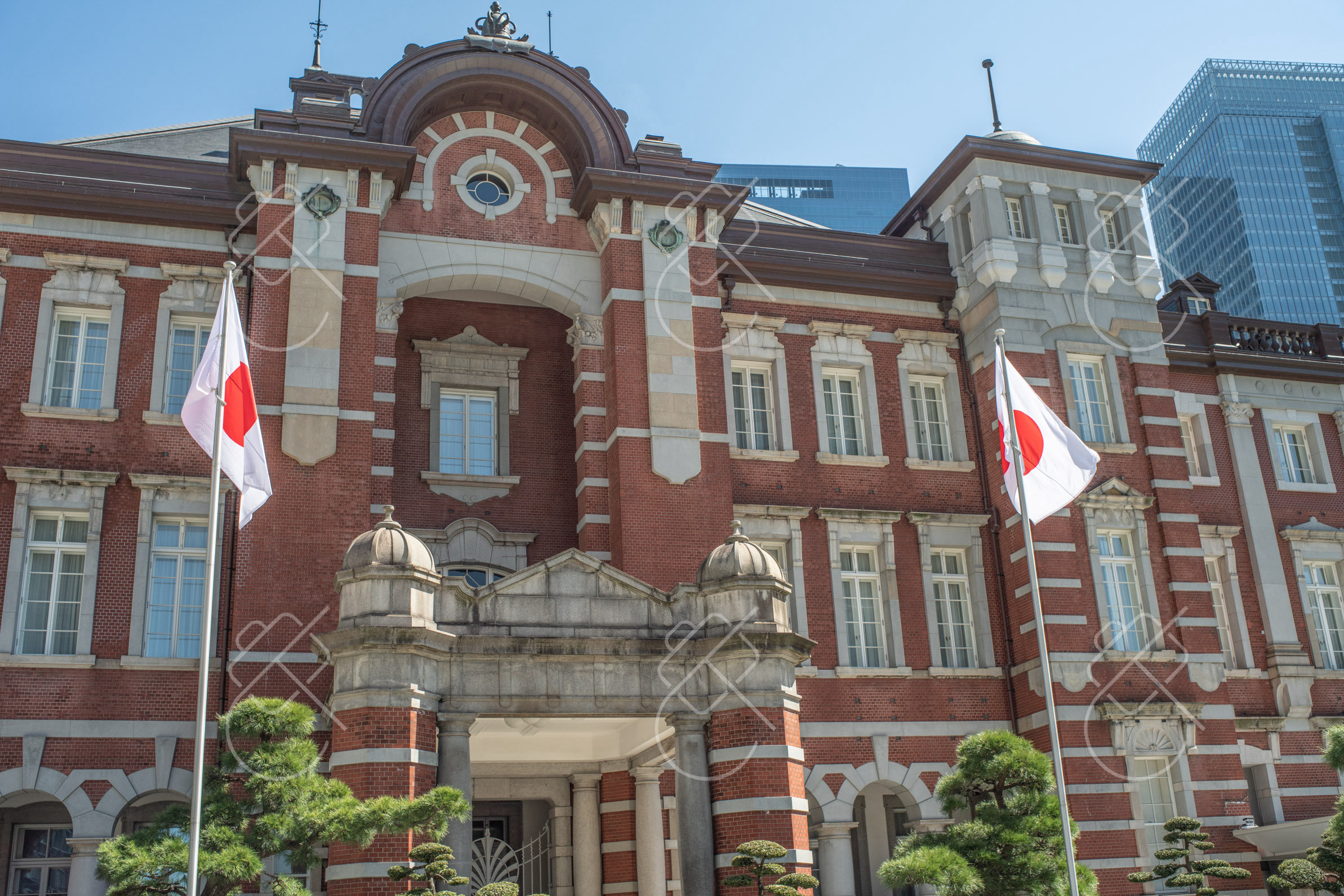
A sprawling capital of neon districts, quiet shrines and endless street life.
Tokyo is the world's most populous metropolitan area, a constellation of distinct districts rather than a single center. Shibuya and Shinjuku deliver the dense neon and crowds most associated with the city, while areas such as Yanaka and Kagurazaka preserve low-rise lanes, old shopfronts and a slower pace. The contrast between hyper-modern architecture and pockets of Edo-era calm runs through the whole city.
The city is exceptionally walkable in stretches and tied together by one of the most extensive rail and subway systems on earth. At street level after dark, signage and reflections turn the lanes electric, while observation decks such as those in Roppongi and the Tokyo Metropolitan Government Building open up free views over the urban grid toward Mount Fuji on clear days.
Cherry blossoms hit late March into early April, and November answers with crisp air and rich autumn foliage; June and July are the ones to avoid, hot and thick with rain.
Shinjuku makes the most practical base, with a major transit hub, abundant lodging and easy late-night access across the city.
Sushi at the outer Toyosu and Tsukiji markets, ramen, and izakaya small plates eaten standing in Omoide Yokocho.
Buy a rechargeable Suica or Pasmo IC card on arrival to move freely across trains, subways and buses without per-trip tickets.
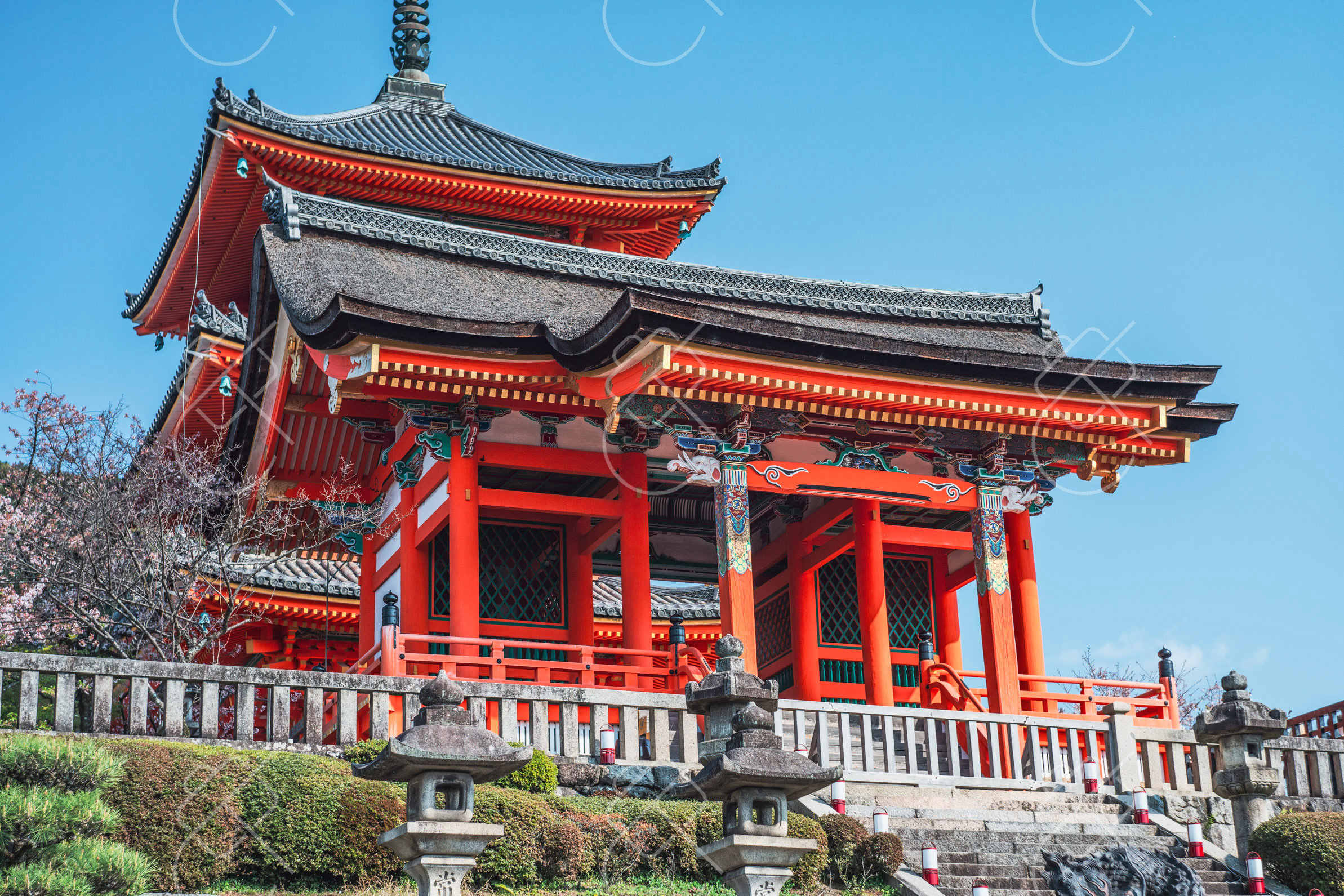
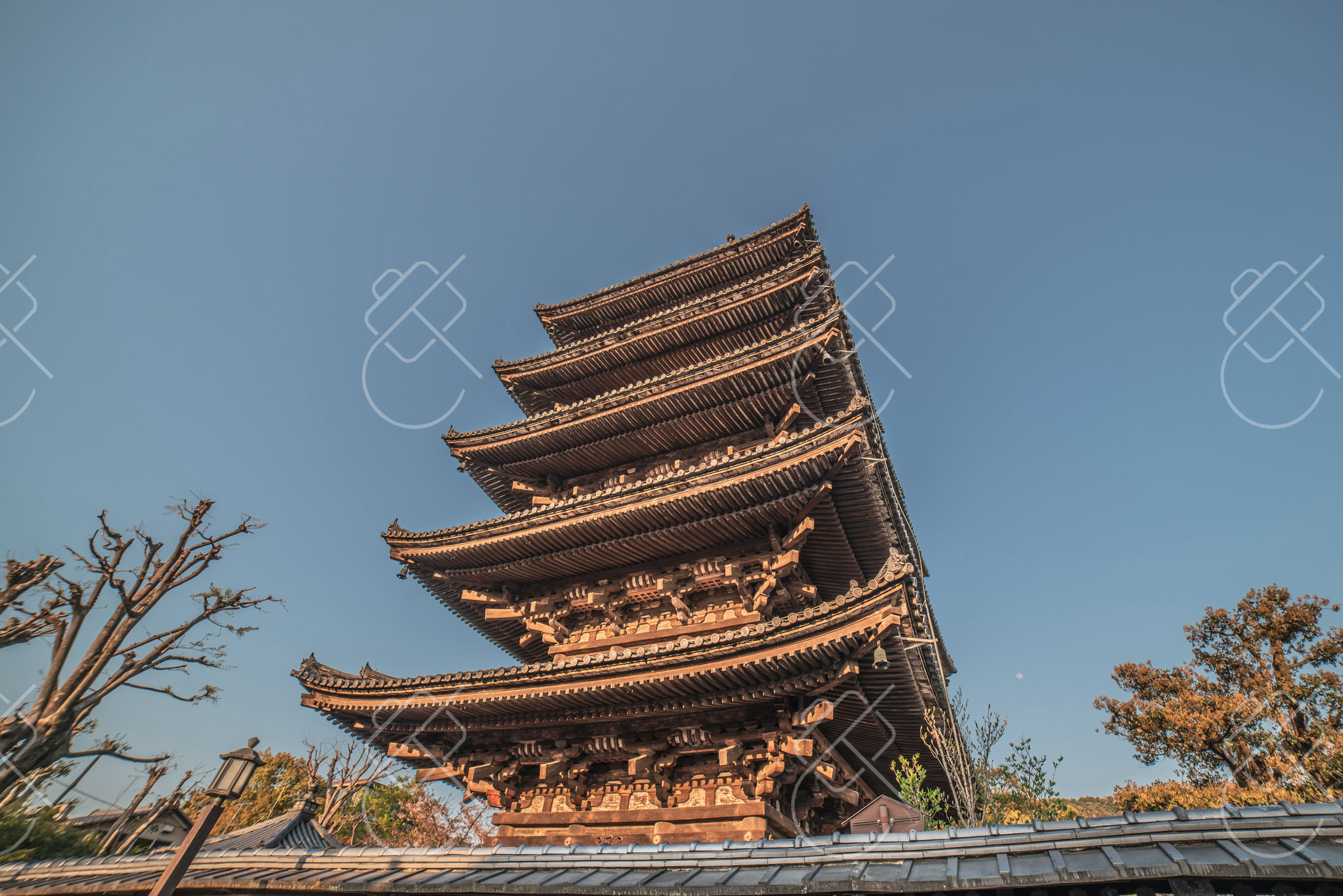
The old imperial capital, dense with temples, gardens and geisha districts.
Kyoto served as Japan's imperial capital for over a thousand years and retains more than 1,600 Buddhist temples and several hundred Shinto shrines. Spared the heaviest wartime bombing, it preserves wooden machiya townhouses, raked gravel gardens and historic geisha quarters such as Gion. The city is the country's clearest window onto traditional aesthetics.
The headline sites grow extremely crowded by mid-morning, so early starts are essential. Beyond them, the Higashiyama and Arashiyama districts reward slow wandering through stone lanes, bamboo groves and riverside paths. Autumn maples and spring blossom transform the temple gardens, while the surrounding hills hold the city in green and russet through every season.
Visit in spring (late March–April) for sakura or November for fiery maple colors, but book early as these are peak periods with heavy crowds.
Base in central Kyoto near the Kawaramachi or Kyoto Station areas for transit links, or in Higashiyama to stay among the temples.
Kaiseki multi-course dining, yudofu (hot tofu) near the temples, and matcha sweets in Higashiyama teahouses.
Reach Fushimi Inari and Arashiyama before 8am, as both become heavily congested by late morning year-round.
An efficient rail network, including the Shinkansen, makes it possible to move between megacity and mountain village in a single day.
A brash, food-obsessed port city famous for its dazzling nighttime signage.
Osaka is Japan's third-largest city and the commercial heart of the Kansai region, long known for a more direct, easygoing culture than the capital. Its reputation rests on street food and exuberant neon, concentrated around the Dotonbori canal where giant animated billboards reflect in the water. The city blends a working port, a major castle and a dense entertainment core.
The compact downtown makes Osaka easy to cover on foot and by subway, and it serves as a convenient base for day trips to Kyoto, Nara and Kobe. After dark the Dotonbori signage, including the iconic Glico running-man billboard, lights up the canal and draws the evening crowds. Osaka Castle and its surrounding park add a historical counterpoint to the modern bustle.
Spring and autumn offer the mildest weather; come in late March for blossoms or visit in summer for the lively Tenjin Matsuri festival in late July.
Namba and Shinsaibashi put you beside Dotonbori's nightlife and on direct rail lines to Kyoto, Nara and the airport.
Takoyaki (octopus balls), okonomiyaki savory pancakes and kushikatsu skewers, all street-food staples of Dotonbori.
Osaka's central location makes it an efficient hub for exploring Kyoto and Nara as day trips by short train rides.
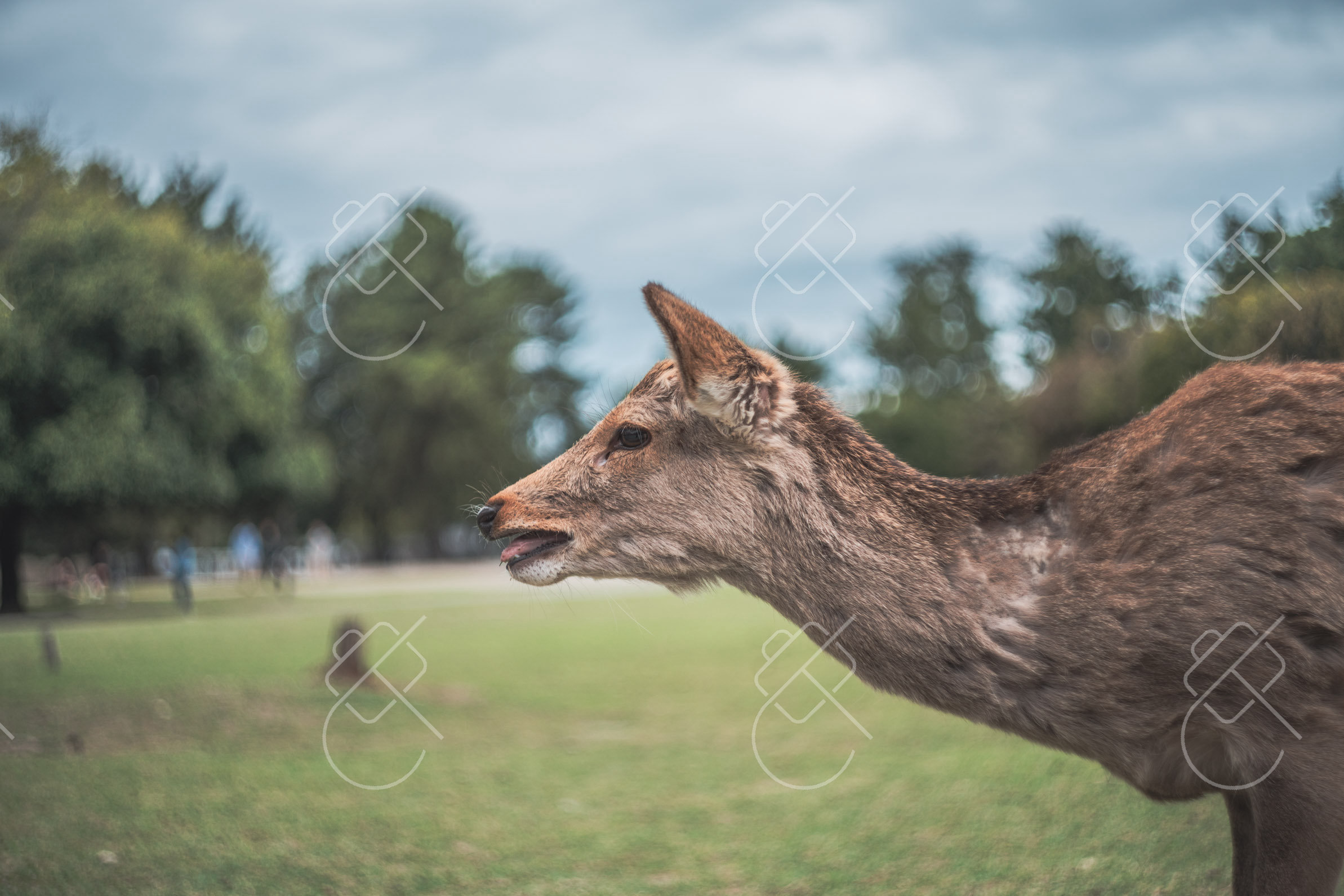
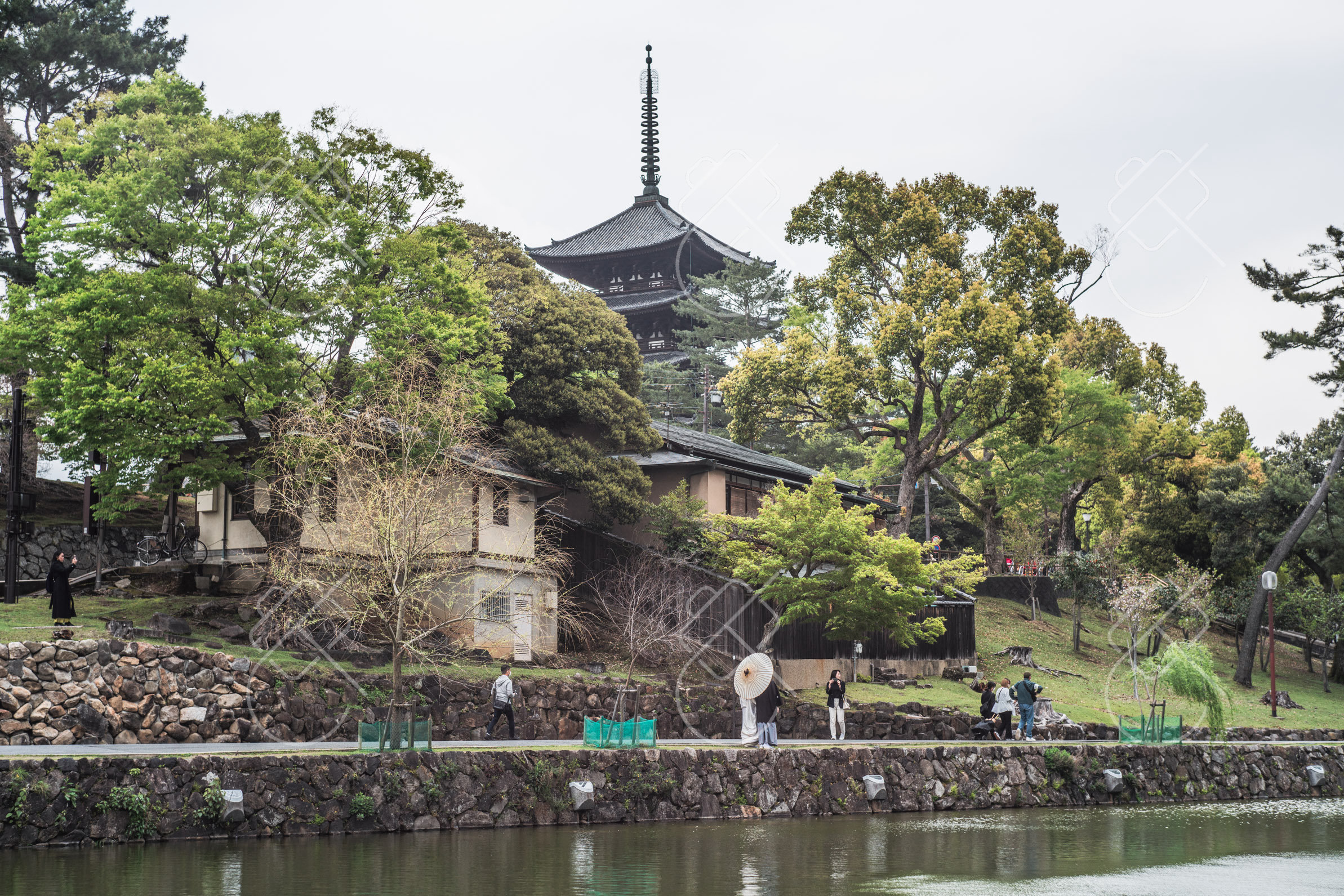
Japan's first capital, where free-roaming deer wander among ancient temples.
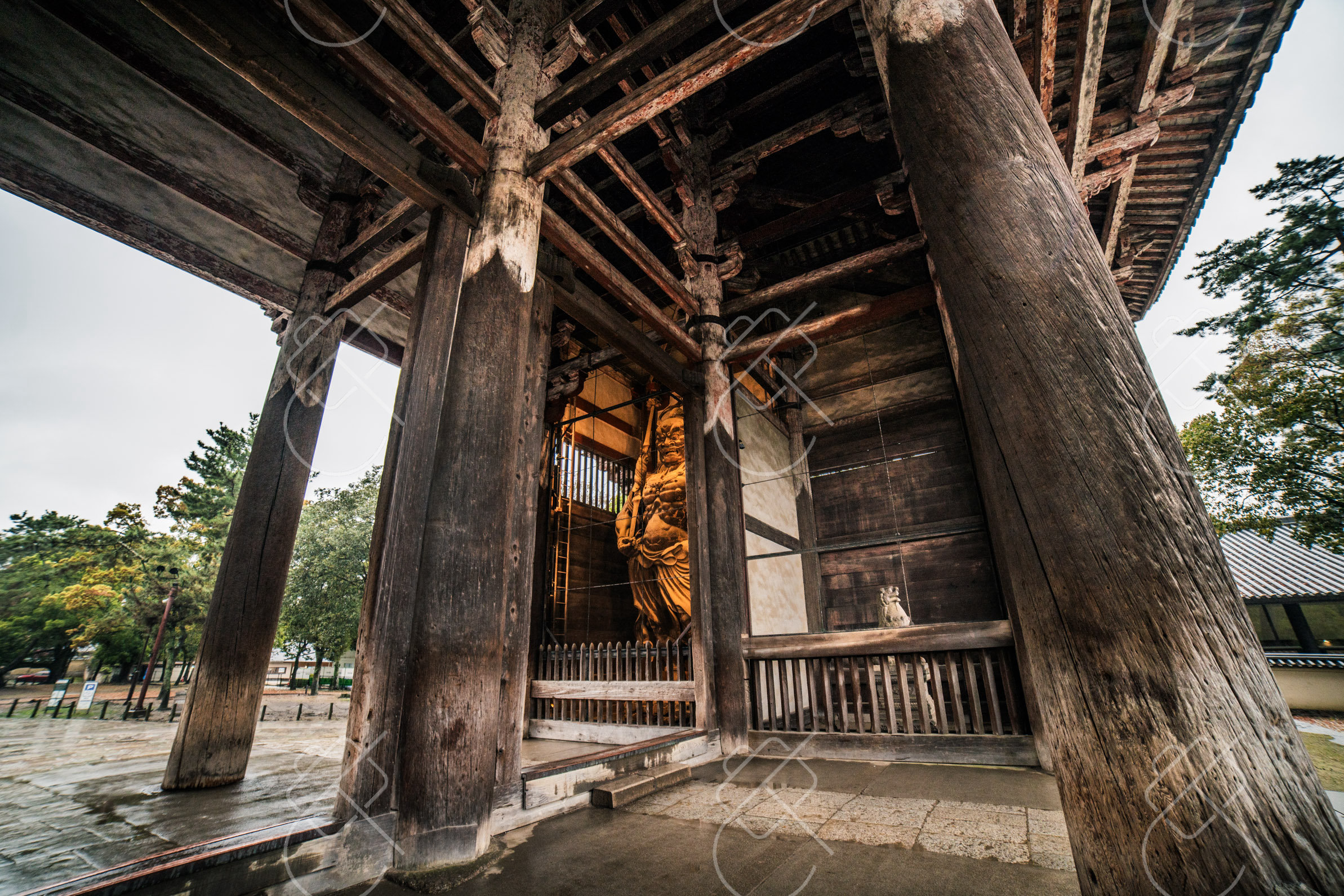
Nara was Japan's capital in the 8th century and preserves some of the country's oldest and largest wooden structures. Most of its major monuments cluster within and around Nara Park, an expansive green space at the foot of the eastern hills. The park is famous for its hundreds of freely roaming sika deer, regarded as messengers in Shinto belief and accustomed to visitors.
The sheer scale of Nara's temples defines a visit, anchored by Todai-ji, whose Great Buddha Hall is among the largest wooden buildings in the world. The compact, walkable layout makes the city an easy day trip from Kyoto or Osaka, though staying overnight lets you wander among the deer and temples in the quiet early morning before tour groups arrive.
The deer park and temples are most comfortable in spring and autumn, with November's foliage turning Nara Park especially beautiful.
Stay near Kintetsu Nara Station, a short walk from Nara Park and well connected to Kyoto and Osaka.
Kakinoha-zushi (persimmon-leaf wrapped sushi), a regional specialty, and Nara-zuke pickles.
Arrive at Nara Park as it opens to wander among the deer and Todai-ji in soft light and with far fewer crowds.
At street level after dark, signage and reflections turn the lanes electric, while observation decks such as those in Roppongi and the Tokyo Metropolitan Government Building open up free views over the urban grid toward Mount Fuji on clear days.
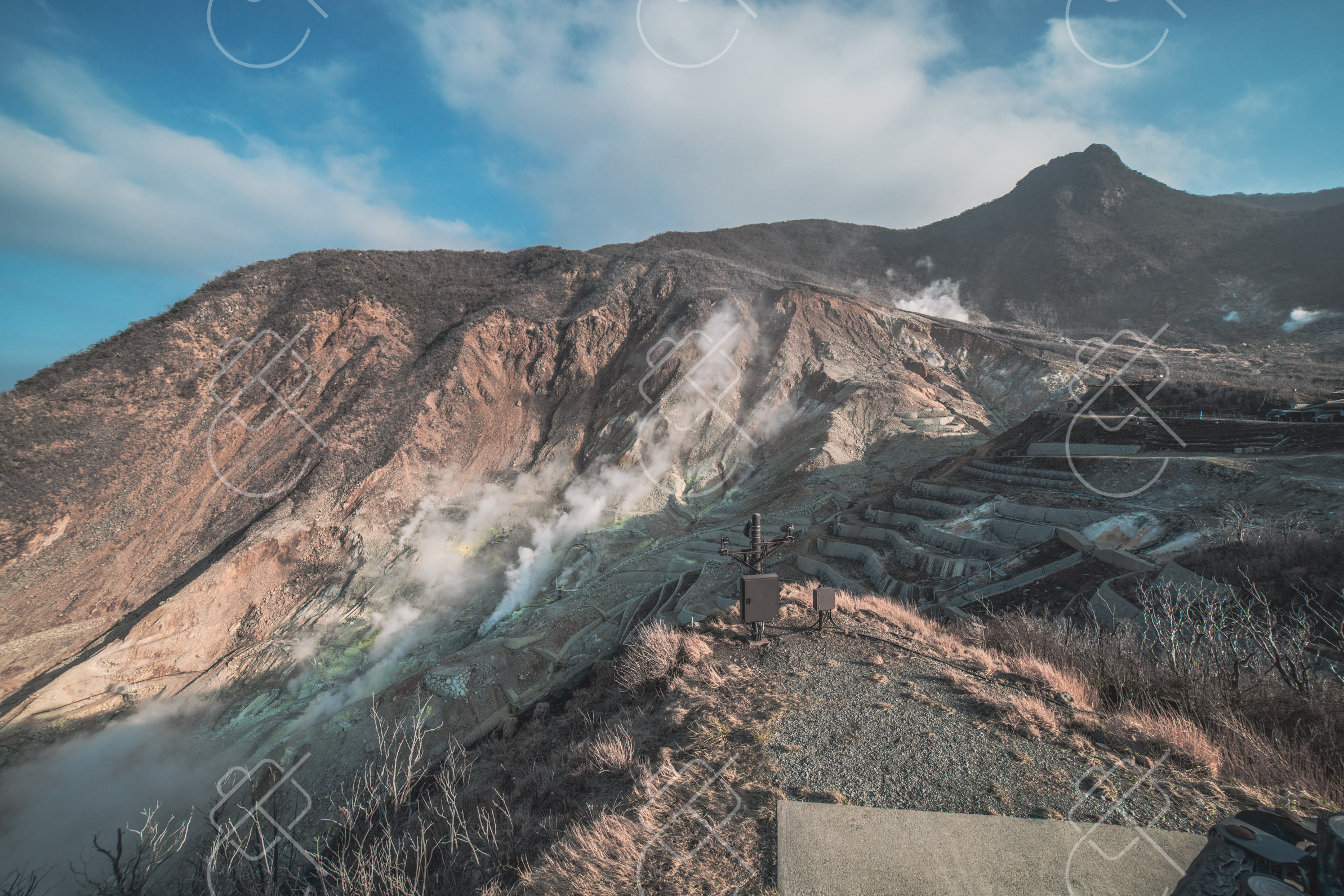
A mountain hot-spring resort with volcanic valleys and Mount Fuji views.
Hakone is a mountainous hot-spring region in Fuji-Hakone-Izu National Park, long popular as an escape from Tokyo roughly an hour and a half away. Set around the caldera of an active volcano, the area combines steaming sulfur vents, a crater lake and traditional ryokan inns built around natural onsen baths. It is one of the surest places near the capital to see Mount Fuji.
A celebrated loop ties the region together using a mountain railway, a funicular, an aerial ropeway and a sightseeing boat across Lake Ashi. The ropeway passes over the Owakudani volcanic valley, while from the lake a red torii gate stands with Fuji rising behind it on clear days. The Hakone Open-Air Museum adds large-scale sculpture set against the mountain scenery.
Autumn (October–November) for fiery hillsides and clear Mount Fuji views, or summer for hydrangeas, though July weekends and holidays get crowded at the onsen.
Stay in a traditional ryokan around Gora or Hakone-Yumoto to access onsen baths and the sightseeing loop.
Black eggs (kuro-tamago) boiled in Owakudani's hot springs, and multi-course kaiseki meals served at ryokan inns.
The Hakone Free Pass covers the loop of train, ropeway and boat, making the full circuit straightforward and economical.
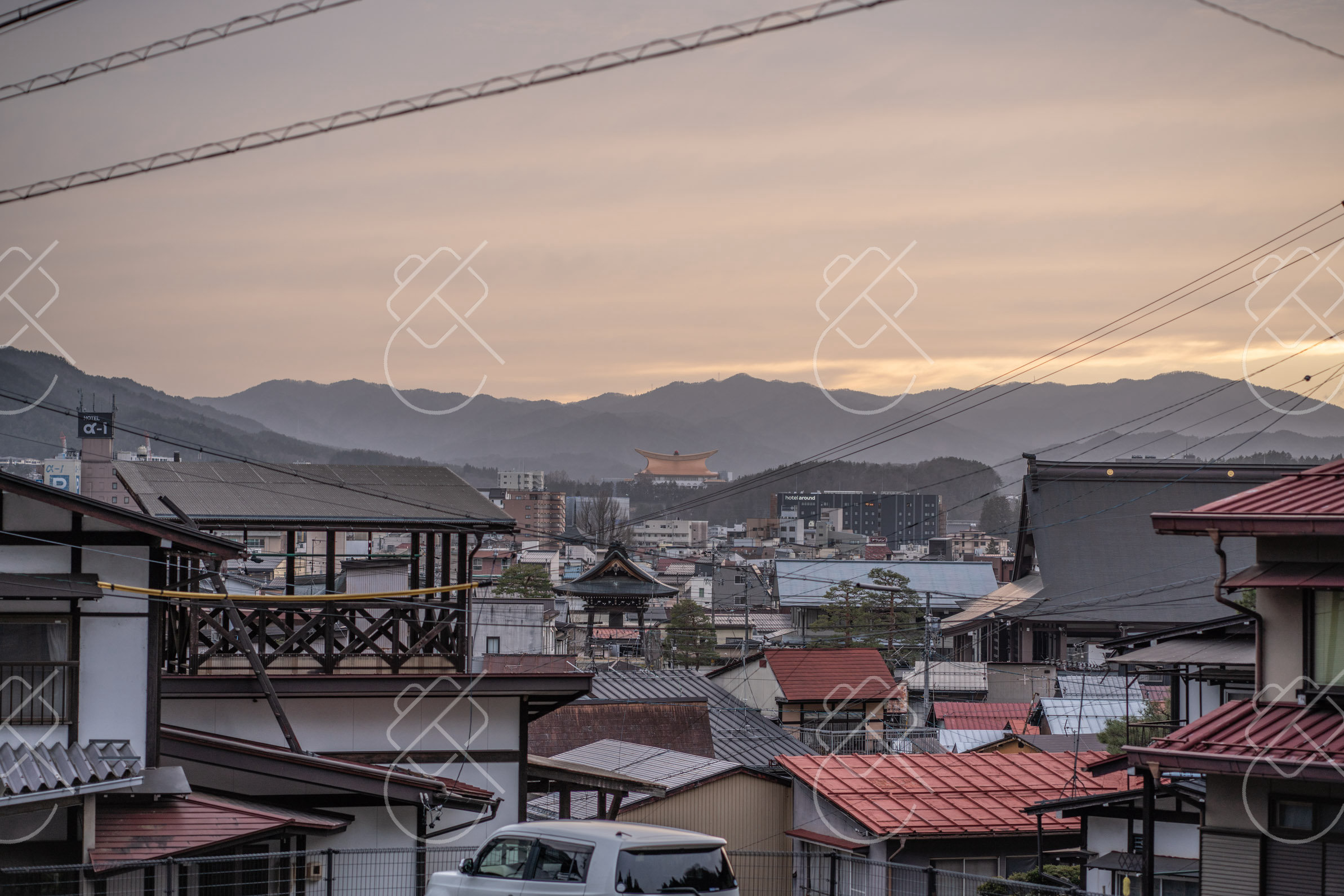
A preserved Edo-era town tucked deep in the Japan Alps.
Takayama sits high in the mountains of the Hida region in Gifu Prefecture, its relative isolation having preserved an exceptionally intact old town. The Sanmachi Suji district is lined with dark wooden merchant houses, sake breweries and lattice-windowed shopfronts dating to the Edo period. The town's craftsmanship and twice-yearly festivals, with ornate floats, are widely renowned.
Morning markets along the Miyagawa River and a cluster of small museums round out the old quarter, while the surrounding peaks frame the town in every direction. Takayama also serves as the gateway to Shirakawa-go, a UNESCO-listed village of steep thatched gassho-zukuri farmhouses that look their most arresting under a blanket of winter snow.
Visit for the famous spring (April) or autumn (October) Takayama Festivals, or come in winter for deep snow and the nearby Shirakawa-go illuminations.
Stay a short walk from the old town and morning markets, near JR Takayama Station for bus links to Shirakawa-go.
Hida beef, a premium regional wagyu, and hoba-miso grilled on a magnolia leaf.
Combine Takayama with a bus trip to Shirakawa-go; the two pair naturally and the village is at its most memorable after snowfall.
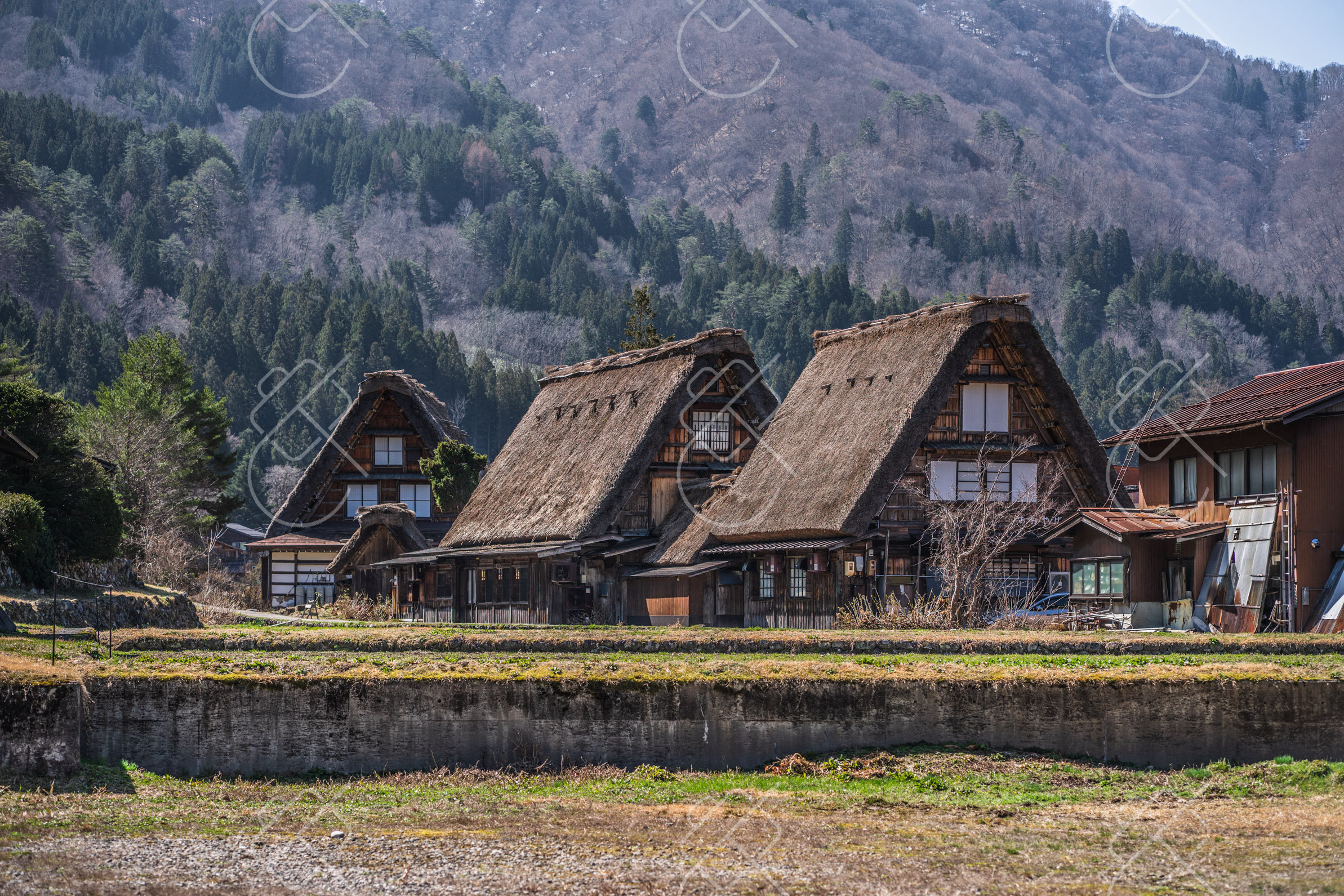
A former castle town with a celebrated garden and intact samurai and geisha quarters.
Kanazawa, capital of Ishikawa Prefecture on the Sea of Japan coast, prospered under the wealthy Maeda clan and emerged from the war largely undamaged. It preserves entire historic districts, including the Nagamachi samurai quarter and the Higashi Chaya geisha district of wooden teahouses. The city is also a noted center for gold-leaf craft and traditional confectionery.
Its centerpiece is Kenroku-en, considered one of the three great landscape gardens of Japan, laid out over centuries with ponds, streams and meticulously shaped pines. Direct Shinkansen service from Tokyo has made the city far more accessible, yet it keeps a refined, less hurried pace than the larger metropolises.
Kenroku-en Garden is loveliest in spring and autumn; winter adds the snow-covered yukitsuri ropes the garden's known for, and summer runs warm with fewer crowds.
Stay around Korinbo or near Kanazawa Station for central access to Kenroku-en and the historic chaya districts.
Fresh seafood and kaisen-don rice bowls at Omicho Market, and gold-leaf-topped sweets and ice cream.
Kanazawa is reachable from Tokyo in about two and a half hours by Shinkansen, making it an easy addition to a Honshu route.
Autumn maples and spring blossom transform the temple gardens, while the surrounding hills hold the city in green and russet through every season.
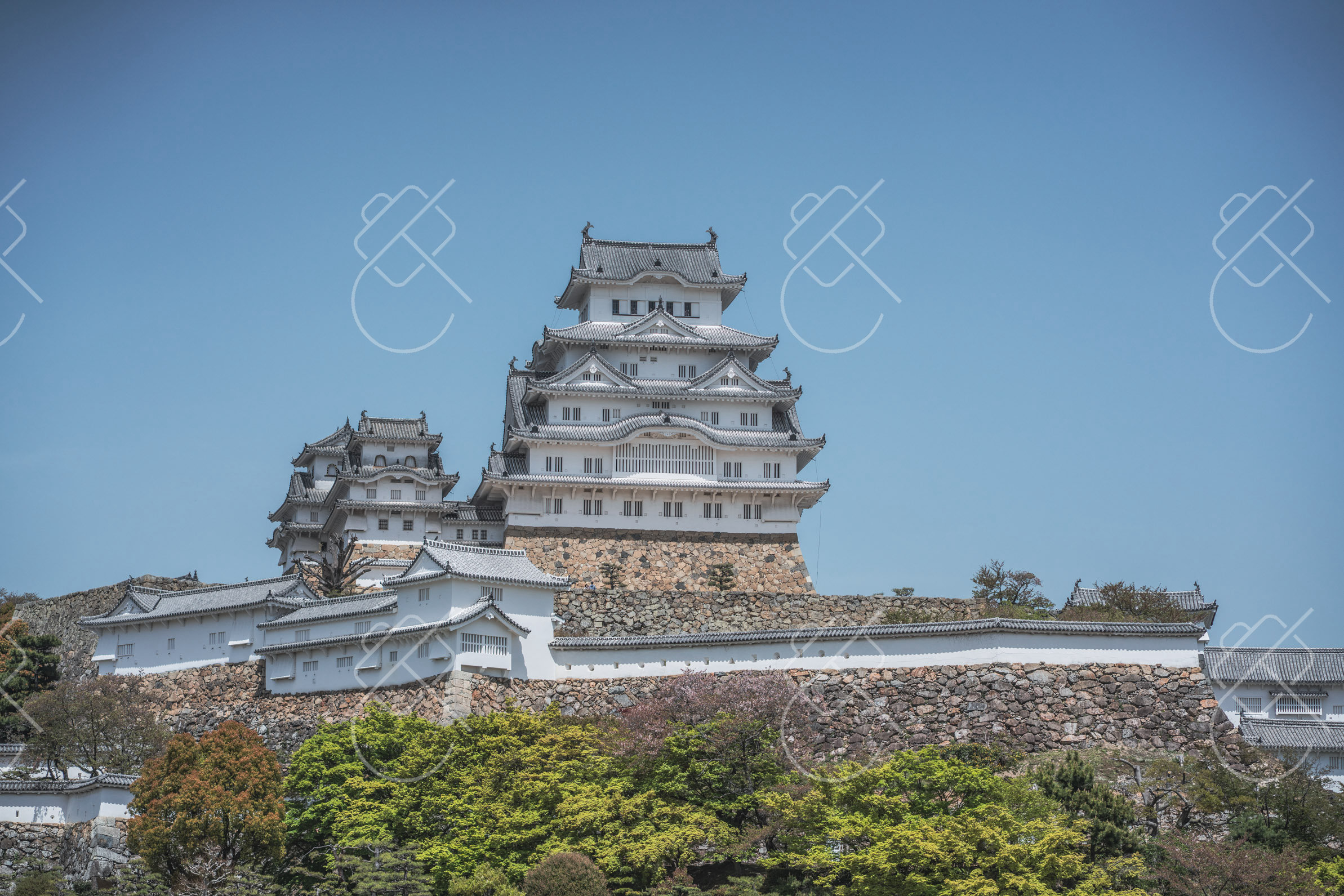
A rebuilt city of remembrance, peace memorials and a famous floating shrine nearby.
Hiroshima was destroyed by an atomic bomb in 1945 and rebuilt into a modern, green city centered on its Peace Memorial Park. The preserved skeletal dome of the former Industrial Promotion Hall, now the A-Bomb Dome, stands as a UNESCO World Heritage Site and a stark focal point along the river. The park and its museum form a sober, reflective heart to the city.
Just offshore lies Miyajima island, home to Itsukushima Shrine and its great vermilion torii gate that appears to float at high tide, one of Japan's most iconic sights. The island also holds tame deer and forested hiking up Mount Misen. Together the city and island balance solemn history with sweeping coastal scenery.
Spring for cherry blossoms and mild weather, or visit around August 6 for the moving Peace Memorial Ceremony; autumn is also pleasant and uncrowded.
Base near Hiroshima Station or the Peace Park for transit and ferries; an overnight on Miyajima gives you the torii at dawn and dusk.
Hiroshima-style okonomiyaki layered with noodles, and fresh oysters from the surrounding Seto Inland Sea.
Check tide tables before visiting Miyajima, as the torii gate only appears to float when the water is high.
Steaming bowls of ramen served with a glass of cold beer make for the quintessential Japanese comfort meal. Every region puts its own spin on the broth, from rich tonkotsu pork to lighter shoyu and miso varieties.
A crisp panko-breaded pork cutlet served with a ladle of rich, savory Japanese curry over rice. Katsu curry is hearty comfort food found in casual diners across Japan.
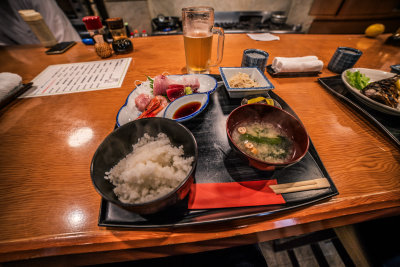
A teishoku is a balanced Japanese set meal built around rice, miso soup and a selection of small side dishes such as sashimi and pickles. It offers a perfect way to sample several local flavors in a single sitting.
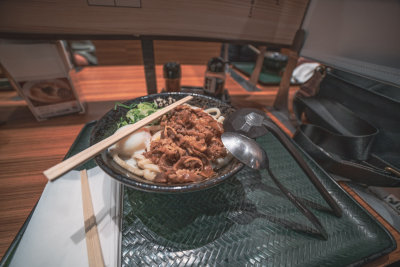
A bowl of udon — thick, chewy wheat-flour noodles in a light dashi broth, often topped with spring onion. Comforting and mild, it's a Japanese staple eaten year-round.
Explore regional routes with verified local fleets, zero hidden charges, and transparent insurance on Localrent.
Get the best deals on where to stay in Japan — Booking.com.
Before setting out for Japan, World Nomads was the travel insurance policy we picked to cover the unexpected.
Transit cards, local customs, visa rules, and practical travel guides for this region.
See every destination from the 526-day journey:
Browse all destinationsCurious about the gear behind these photos? See the gear list.