
Home
About us
Destinations
Travel Guides
Recipes
Featured
Photos As Art
Abstract Prints
Locations
Travel Gear
Travel Resources
Favorites
Photo Framer
Explore Photos
ContactThe Kansai region of western Japan holds the country's deepest concentration of historic capitals, temples and gardens, set against a modern urban present. Kyoto served as the imperial seat for over a thousand years and preserves thousands of temples and shrines; nearby Nara was an even earlier capital; and Osaka and Kobe bring contemporary energy and harbor life. Compact rail links tie the cities together, the seasons are sharply defined, and spring cherry blossom and autumn foliage transform the gardens and hillsides.
Published April 1, 2026
Tap any photo to open it full-screen and order a print.
We spent 33 days in Japan, 18 March – 20 April 2023, with a day trip to Shirakawa-go.
Not for tourism or business trips up to 90 days — US citizens travel under Japan's visa exemption arrangement, showing up with a valid passport and no advance application, fee, or consulate visit required.
A practical guide is around ¥5,000–10,000 in cash per person per day if hotels and larger purchases go on a card, roughly ¥70,000–140,000 over two weeks.
It is not offensive, but it is not done and can cause confusion.
Yes, blowing your nose loudly in public or at a dining table is viewed as unhygienic.
Japan's rail and subway network is the most efficient transit system on earth, and having an interoperable contactless IC card (Suica, Pasmo, ICOCA) makes riding trains, hopping city buses, and buying vending machine snacks effortless.
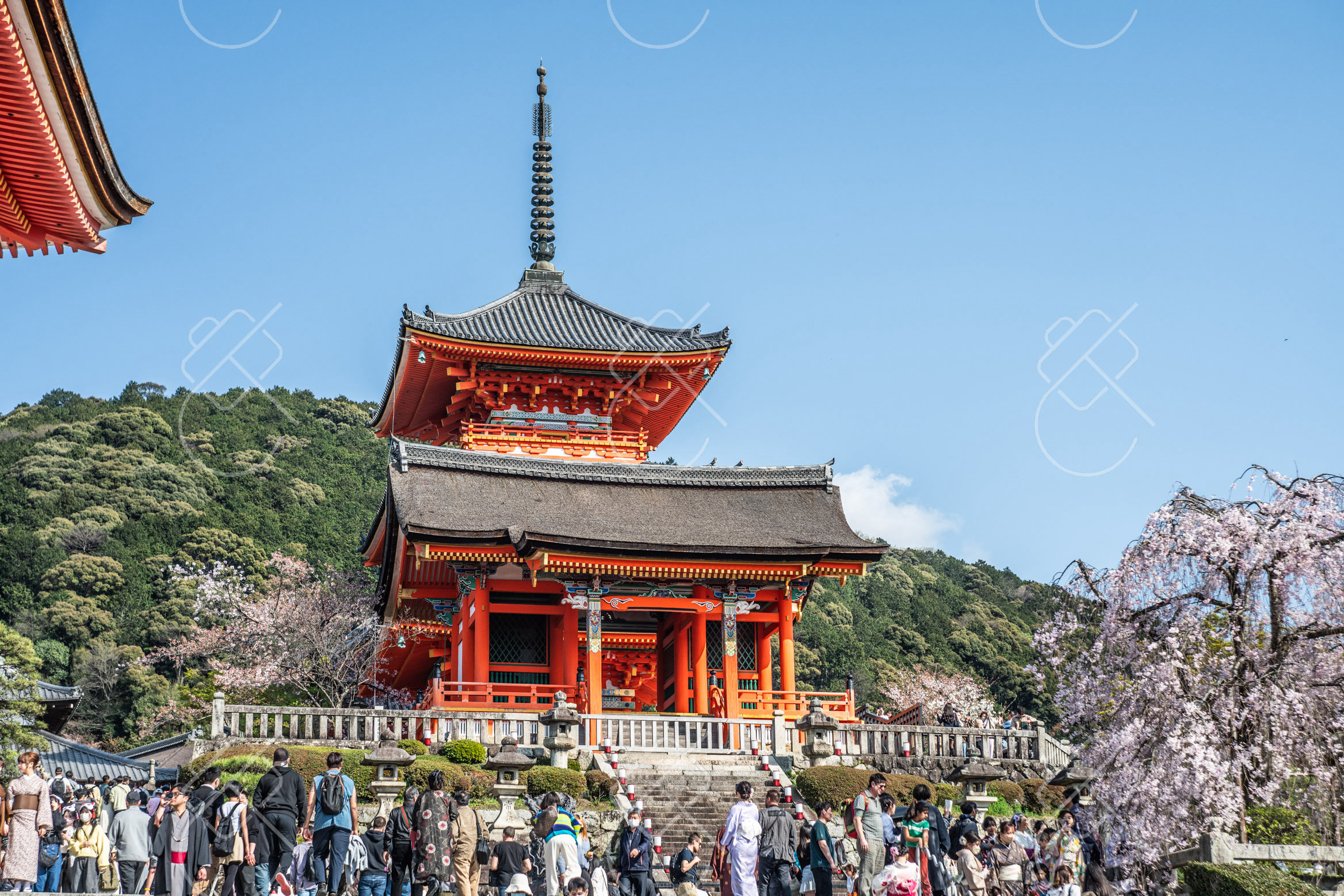
Kyoto was Japan's imperial capital for more than a millennium and preserves an exceptional density of temples, shrines, wooden townhouses and traditional gardens. Many of its sites are UNESCO World Heritage listed, and entire districts retain a historic streetscape.
The city's landmarks range from the gold-leafed Kinkaku-ji pavilion mirrored in its pond to the thousands of vermilion torii gates winding up the hillside at Fushimi Inari Shrine. The eastern Higashiyama district preserves stepped lanes of wooden machiya houses leading to the hillside Kiyomizu-dera temple, whose broad wooden terrace looks out over the city.
On the western edge, the Arashiyama bamboo grove forms tall green corridors beside temple gardens and the Hozu River. The historic Gion district remains tied to geisha culture and traditional teahouses, and the surrounding hills cradle the basin-shaped city, turning red and gold in autumn and pale pink along the Philosopher's Path in spring.
Late March to early April for cherry blossoms and November for autumn foliage are the iconic but crowded peaks; come in early summer or winter for fewer tourists and lower prices.
Near Kyoto Station for transit access, the central Kawaramachi area for dining, or Higashiyama and Gion for traditional surroundings.
Kaiseki multi-course cuisine, yudofu tofu hotpot, matcha sweets, and tofu-based Buddhist temple dishes.
Popular temples and the torii gates are far quieter shortly after opening, so an early arrival lets you walk the grounds before the crowds gather.
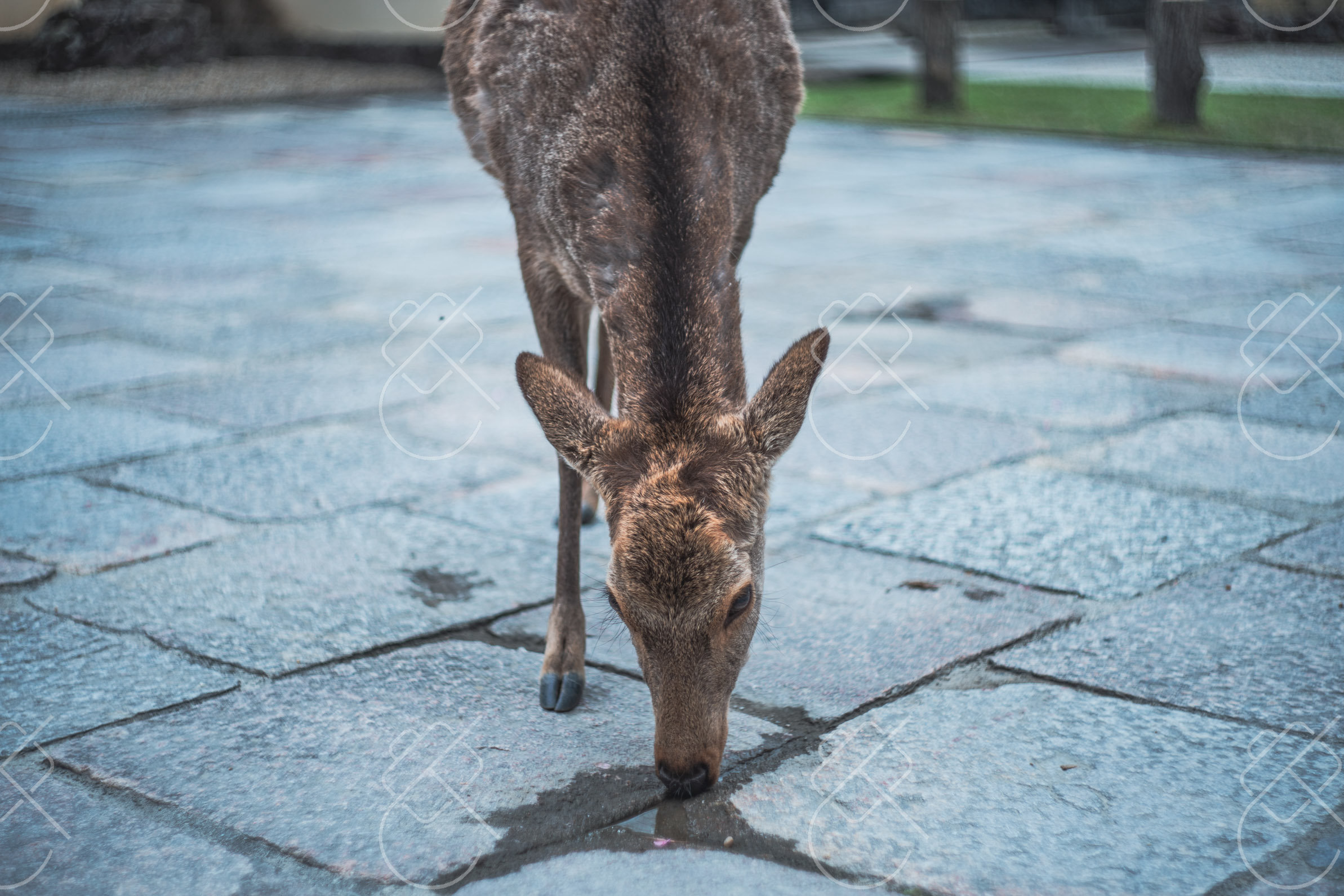
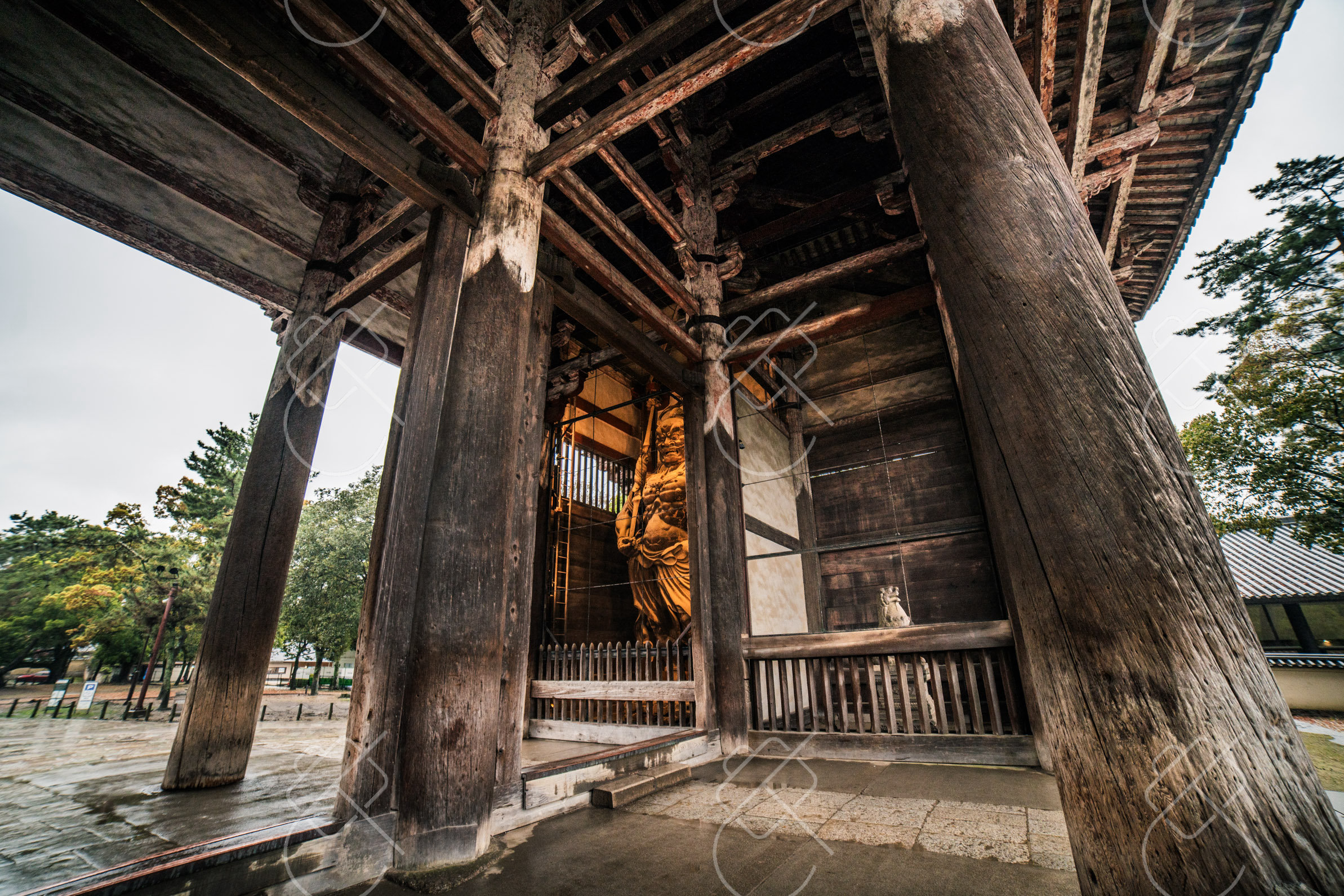
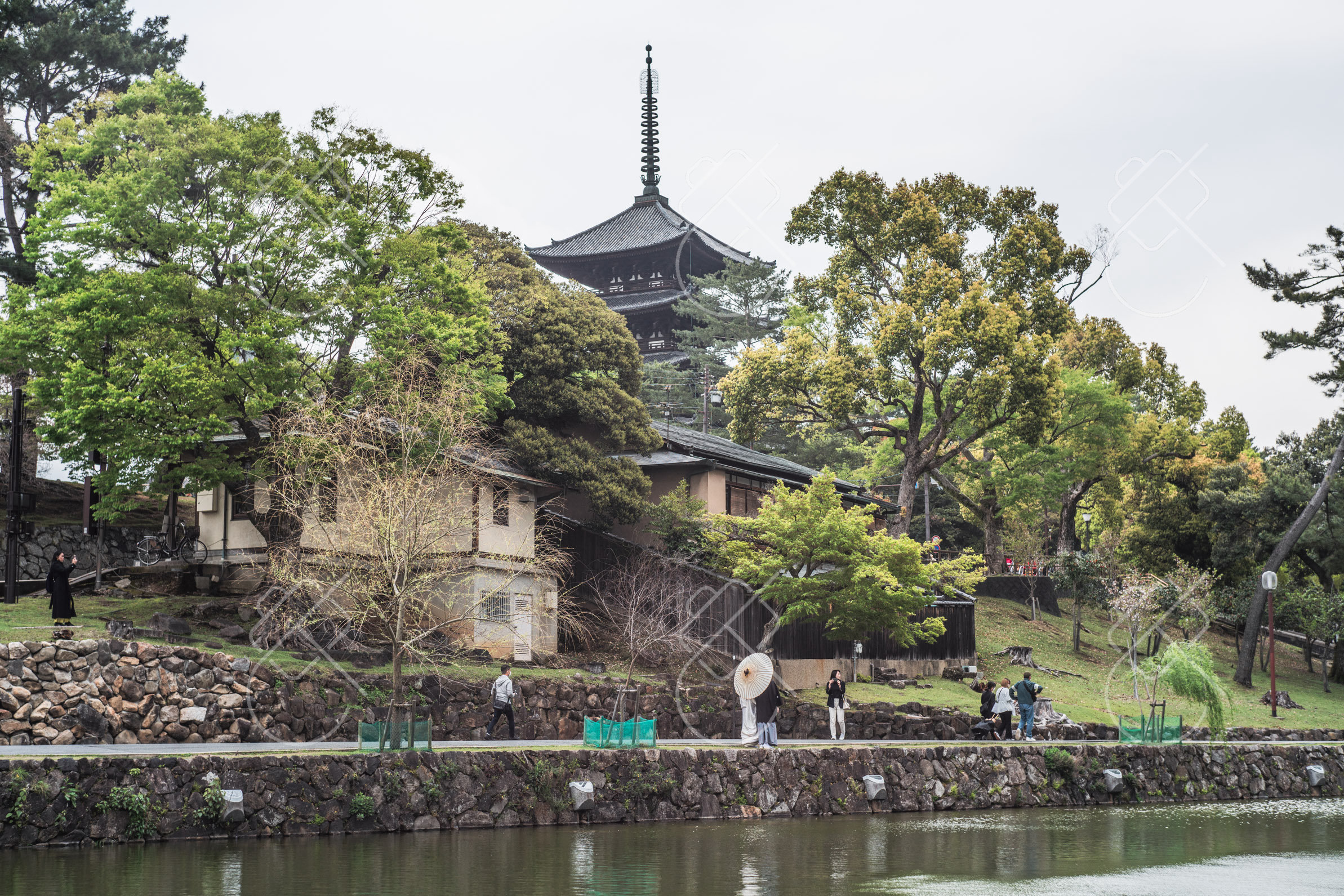
Nara was Japan's first permanent capital in the 8th century and preserves some of the country's oldest and largest temples. Its central park is famous for more than a thousand wild sika deer that roam freely among the monuments.
Nara Park spreads across the foot of the eastern hills and contains the city's principal sights. Tōdai-ji houses one of the world's largest bronze Buddha statues within a vast wooden hall, while the freely roaming deer, considered messengers in the Shinto tradition, mingle with visitors throughout the grounds.
Pathways lead to Kasuga Taisha, a shrine lined with hundreds of bronze and stone lanterns set among mossy cedar forest, and to the elevated Nigatsu-dō hall, which overlooks the city and the Great Buddha Hall's roof. The compact center makes it possible to walk between major temples, gardens and the deer park in a single day.
Spring cherry blossoms and autumn maples are loveliest, with the tame deer of Nara Park a year-round draw; avoid midsummer's intense heat and humidity.
Kakinoha-zushi, sushi wrapped in persimmon leaves, miwa somen noodles, and mochi pounded fresh in the town's well-known shops.
The lantern-lined paths to Kasuga Taisha lead through quiet cedar forest, a cool and shaded walk away from the busier park lawns.
The city's landmarks range from the gold-leafed Kinkaku-ji pavilion mirrored in its pond to the thousands of vermilion torii gates winding up the hillside at Fushimi Inari Shrine.
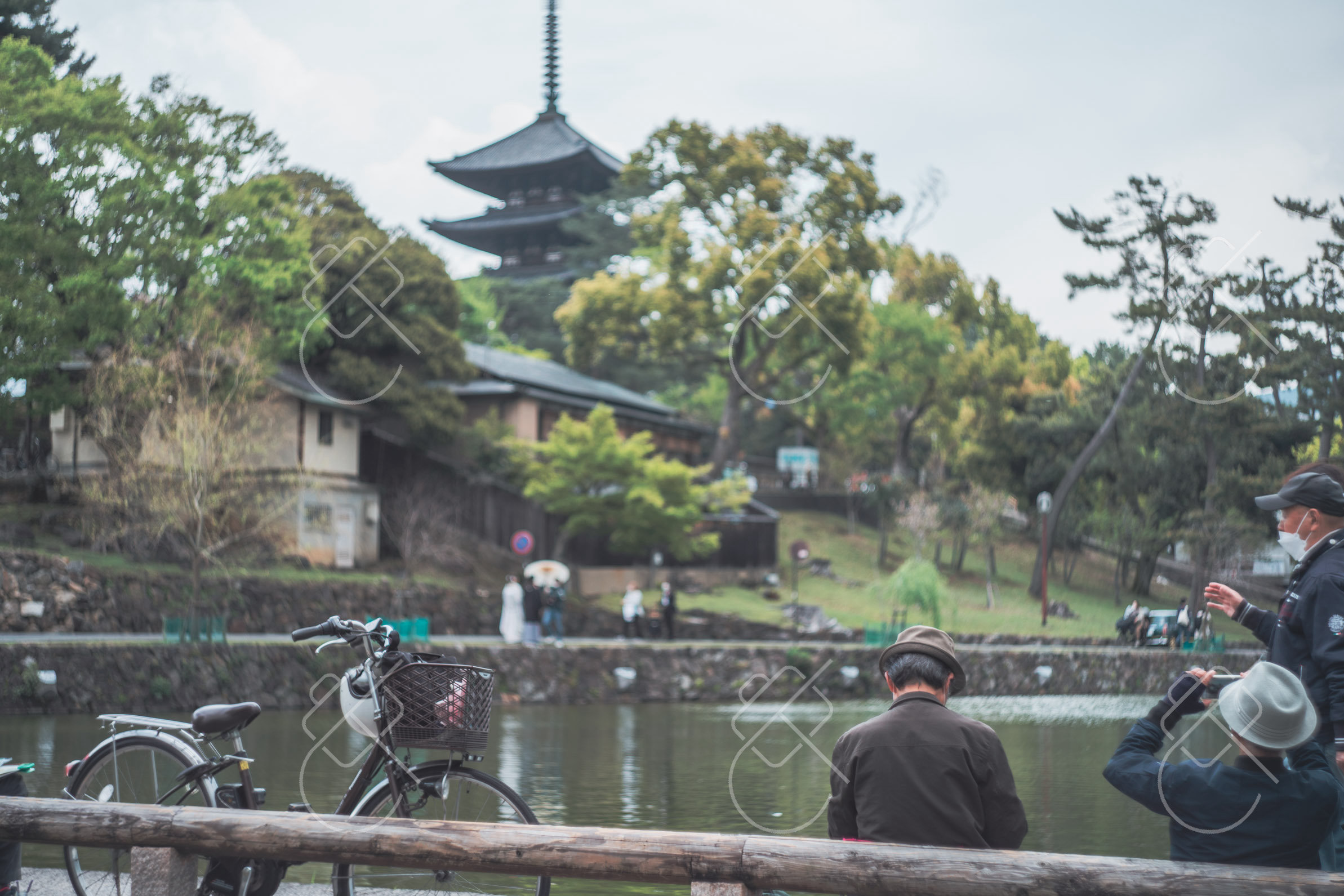
Osaka is Kansai's largest city and Japan's historic merchant and kitchen capital, celebrated for its energetic street life, neon-lit entertainment districts and a strong food culture. A reconstructed castle and a dense canal-side downtown define its character.
The Dōtonbori district along its canal is the city's most recognizable quarter, packed with illuminated signs, including the long-standing Glico running-man billboard, and crowded with restaurants and food stalls. Nearby Shinsekai keeps a retro postwar feel beneath the Tsūtenkaku tower.
Osaka Castle stands on massive stone ramparts within a moated park, its reconstructed main keep rising above grounds that fill with blossom in spring. The Umeda district to the north offers skyscraper observation decks, including the open-air Floating Garden, opening up wide nighttime views over the sprawling, brightly lit cityscape.
Spring and autumn offer the most comfortable weather for street-food crawling in Dotonbori; the city stays vibrant year-round, and summer brings the spirited Tenjin Matsuri festival in late July.
The Namba and Dōtonbori area for nightlife and dining, or the Umeda district for transport links and high-rise views.
Takoyaki octopus balls, okonomiyaki savory pancakes, kushikatsu fried skewers, and other street foods the city is known for.
Come to Dōtonbori after dusk, when the illuminated signs light the canal and the food stalls and restaurants are at their liveliest.
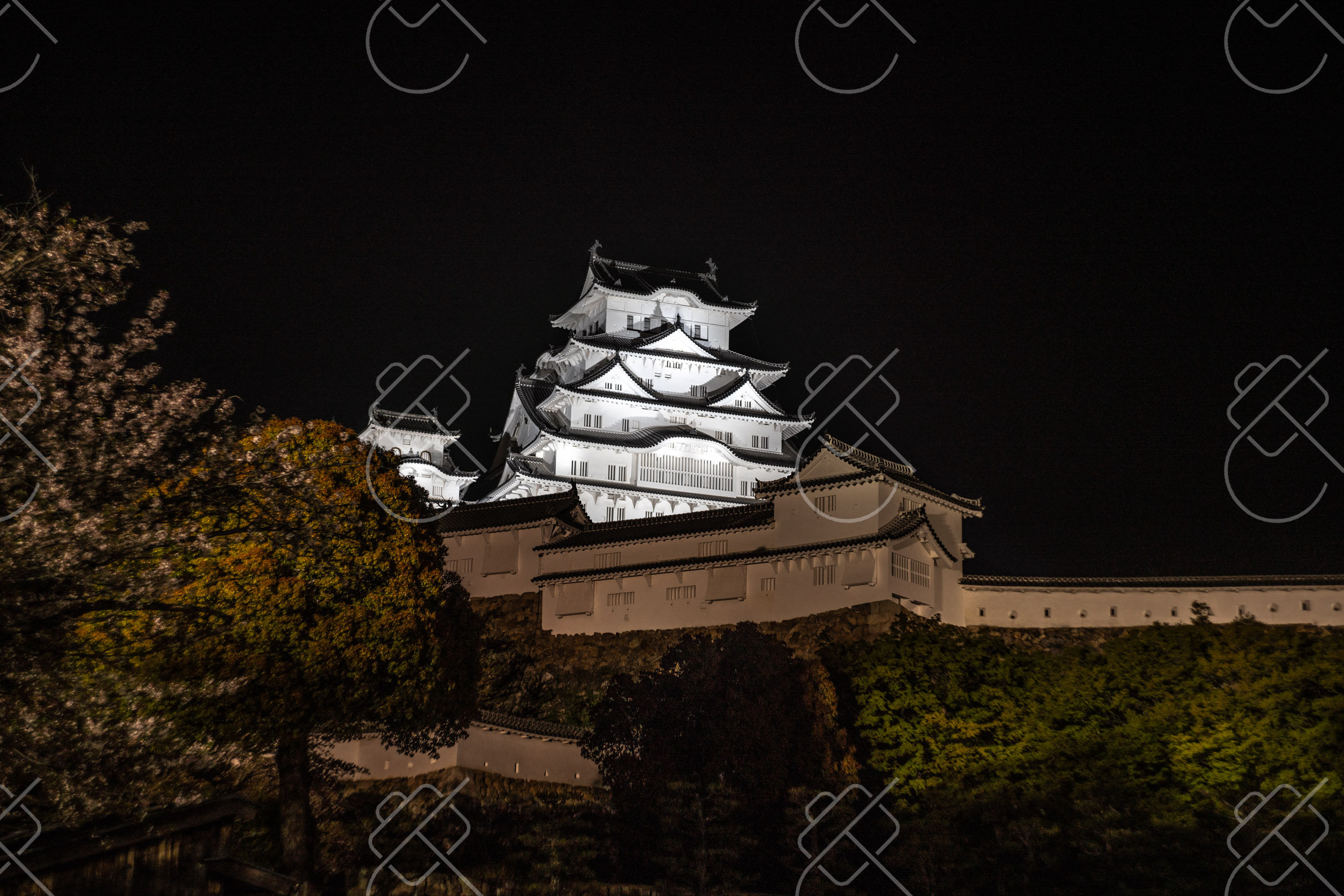
Himeji is home to Japan's most spectacular and best-preserved feudal castle, a brilliant white hilltop complex that survived centuries intact. The castle dominates the city, rising at the end of a long avenue from the station.
Himeji Castle, often called the White Heron Castle for its pale plastered walls and sweeping roofs, is a UNESCO World Heritage Site and a national treasure. Unlike many Japanese castles, it is an original structure rather than a reconstruction, with a complex of gates, baileys and defensive passages climbing to a six-story main keep.
The interior preserves steep wooden staircases and weapon racks, while the surrounding grounds include the Koko-en, a set of nine walled Edo-period gardens. From the upper floors of the keep, views extend over the castle's white roofs and the city below, and in spring cherry blossom frames the whole complex.
Visit in early April when cherry blossoms frame the gleaming white castle, or in autumn for clear, mild days; the castle is accessible year-round as an easy day trip from Kyoto or Osaka.
Himeji oden simmered and served with ginger soy, anago conger eel dishes, and local Harima-region specialties.
Walk the open Sannomaru grounds for the full-height view of the keep, and approach along the long station avenue to see it rise head-on at the end of the street.
On the western edge, the Arashiyama bamboo grove forms tall green corridors beside temple gardens and the Hozu River.
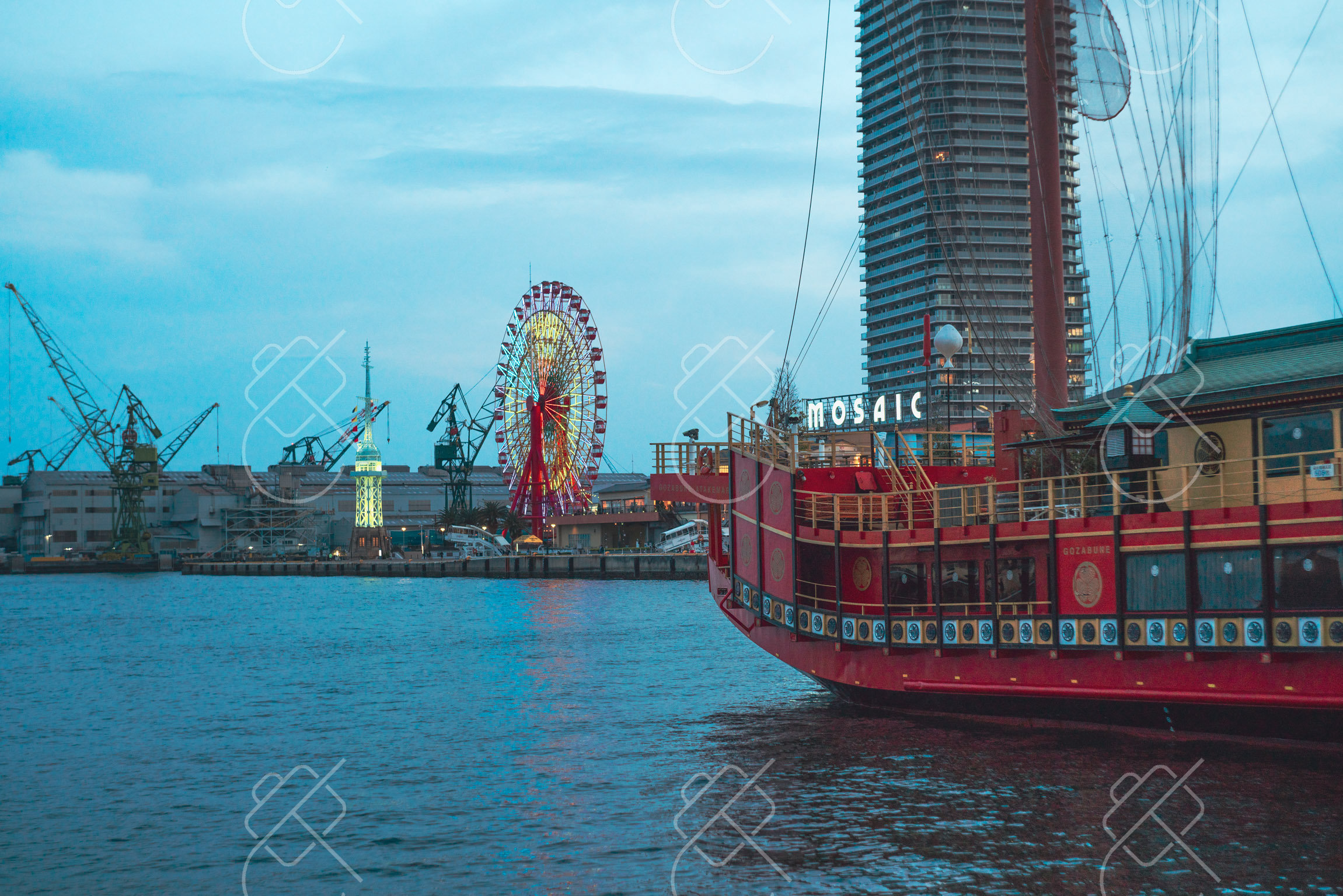
Kobe is a port city set between the Rokko mountains and the sea, known for its cosmopolitan history, harbor views and the premium beef that bears its name. A historic foreign settlement and a lively waterfront define its character.
The city stretches along a narrow coastal strip, with the redeveloped Meriken Park and Harborland district lining the waterfront beneath the red Kobe Port Tower. The Kitano area preserves Western-style mansions, known as ijinkan, built by foreign merchants and diplomats in the late 19th century.
Behind the city, the Rokko and Maya mountains rise steeply, reached by cable car and ropeway to viewpoints renowned for one of Japan's most celebrated night panoramas over the harbor and city lights. Hot spring resorts at Arima lie just over the ridge, making Kobe a compact mix of sea, mountain and city.
Spring and autumn bring mild seaside weather ideal for the harbor and Nada sake breweries; December's Luminarie light festival commemorating the 1995 earthquake is a major winter draw.
The Sannomiya and Motomachi districts for central dining and transit, or near Harborland for waterfront views.
Kobe beef, a renowned marbled wagyu, alongside the city's Chinatown dishes and pastries from its long baking tradition.
Ride up to the Rokko and Maya viewpoints on a clear, dry evening for the city's signature night panorama, with the harbor and city lights spread out below.
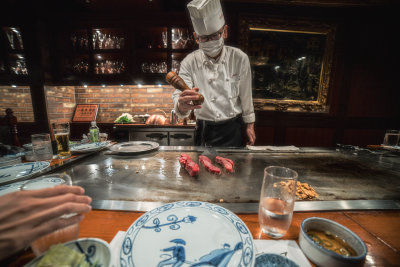
At a teppanyaki counter the chef grills premium beef and vegetables on a flat iron griddle right before your eyes. The Kansai region around Kobe is especially famous for its beautifully marbled, melt-in-the-mouth wagyu.
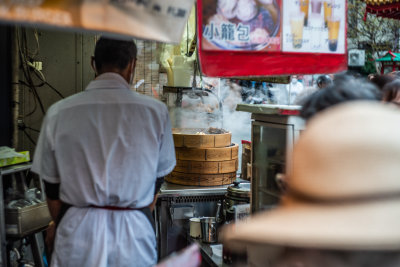
Market stalls steam pillowy buns and dumplings in stacked bamboo baskets, filling the air with fragrant clouds. They make an irresistible hot snack to grab while wandering Japan's covered food arcades.
Explore regional routes with verified local fleets, zero hidden charges, and transparent insurance on Localrent.
Compare Kyoto & Kansai hotels and get the best deals on Booking.com.
Transit cards, local customs, visa rules, and practical travel guides for this region.
See every destination from the 526-day journey:
Browse all destinationsCurious about the gear behind these photos? See the gear list.