
Home
About us
Destinations
Travel Guides
Recipes
Featured
Photos As Art
Abstract Prints
Locations
Travel Gear
Travel Resources
Favorites
Photo Framer
Explore Photos
Contact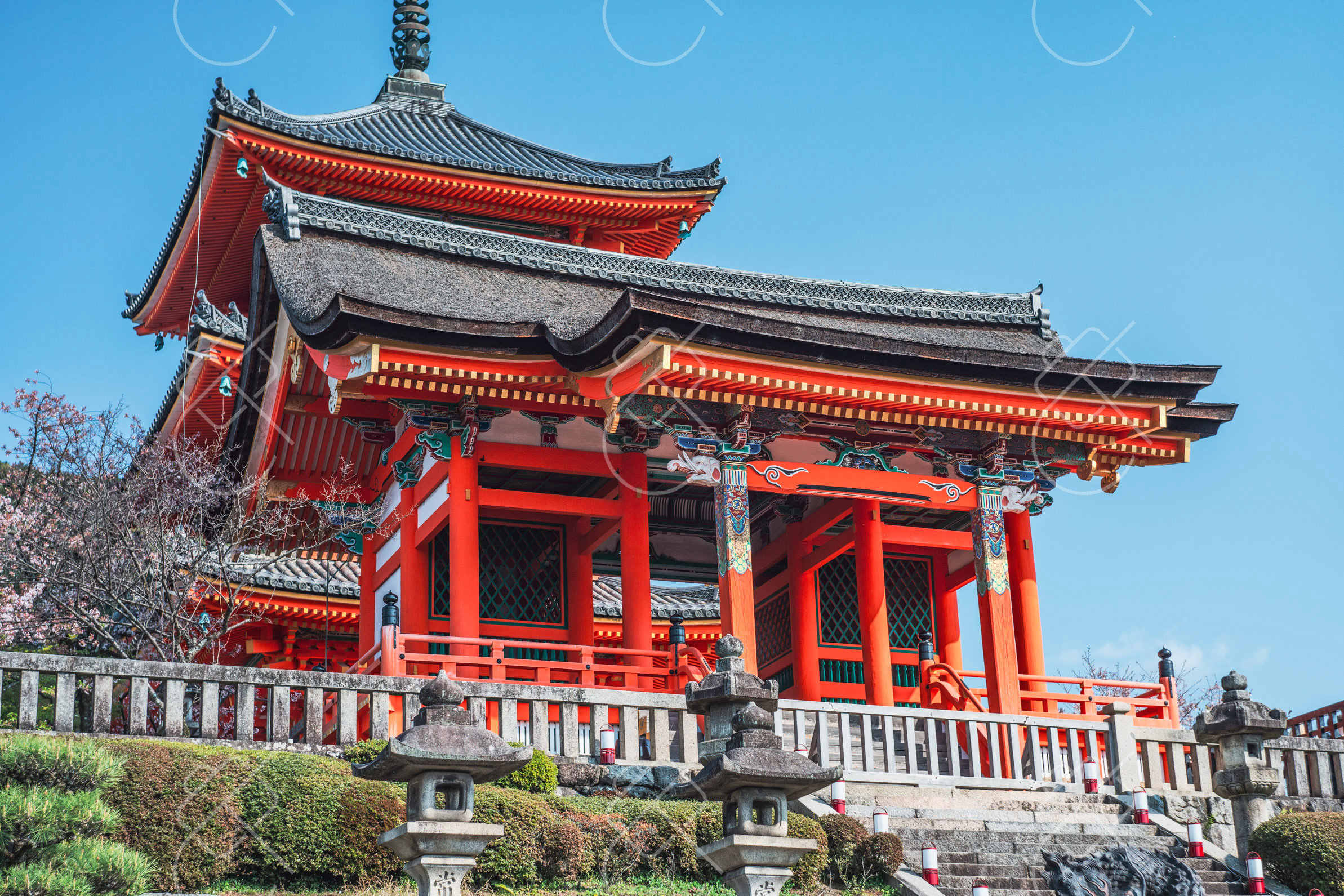 Culture & etiquette
Unlike Thailand's strictly guarded checkpoints or Bali's mandatory sarongs, Japan and South Korea take a remarkably relaxed approach to visitor attire. There are no gatekeepers checking skirt lengths or turning tourists away for sleeveless shirts at major shrines like Fushimi Inari or Sensō-ji. However, critical etiquette nuances — especially regarding footwear, clean socks, hats, and sacred inner sanctums — make all the difference between feeling like a respectful guest and committing an embarrassing cultural faux pas.
Published July 15, 2026 · Last updated
The Short Answer: You can legally and practically wear everyday casual clothing — including shorts, T-shirts, jeans, and sneakers — to almost every Shinto shrine and Buddhist temple in Japan and South Korea. There are no security guards enforcing shoulder or knee coverage, and you will not be handed a rental sarong at the entrance.
The Cultural Reality: While shorts and summer dresses are completely permitted on outdoor grounds, modest clothing (covering shoulders and knees) is appreciated as a sign of respect. More importantly, footwear protocol is strictly enforced: shoes must be removed before stepping onto raised wooden verandas or tatami mats, and bare feet are considered disrespectful hygiene faux pas in sacred interiors. Always wear or pack a clean pair of socks.
There is no official dress code enforced at Japan's most famous sites — including Fushimi Inari Taisha, Kiyomizu-dera, Kinkaku-ji (Golden Pavilion), Sensō-ji in Tokyo, Tōdai-ji in Nara, or Itsukushima Shrine in Hiroshima. The "dress conservatively" advice commonly found in guidebooks is a cultural courtesy recommendation rather than a rule book enforced by guards.
Outdoor Grounds vs. Indoor Sanctums: You can walk through torii gate paths, courtyards, and gardens in standard tourist attire. Restrictions only begin when stepping inside the haiden (worship hall) or temple interiors where prayers and rituals take place. In these inner halls, remove hats, caps, sunglasses, and earbuds before entering.
The Chōzuya Purification Basin: Before approaching the main shrine altar, visitors perform a symbolic cleansing ritual at the water fountain (temizuya or chōzuya). This is a Shinto purification rite for the mind and body — ladle water over your left hand, right hand, rinse your mouth with water cupped in your hand, and tilt the ladle upright to wash the handle. It has zero bearing on what you are wearing.
While dress enforcement is relaxed, photography rules are taken very seriously — review our comprehensive guide to Can You Take Photos at Temples and Shrines in Kyoto? (Photography Rules & Gion Fines). For transit logistics when navigating between Tokyo, Kyoto, and Kanazawa, consult Do You Need to Reserve Luggage Space on the Shinkansen in Japan? and plan your days using our 3 Days in Tokyo Itinerary Guide and Kanazawa Travel Guide.
The single most important practical dress tip for Japan and South Korea is not about your shirt or shorts — it is about your feet.
When visiting temples like Sanjūsangendō or Daitoku-ji in Kyoto, or Bulguksa in Gyeongju, you will be required to slip off your shoes at the entrance and place them in open wooden shelves (getabako) or carry them in a plastic bag provided by staff.
Never walk bare-footed on historic wooden temple verandas or woven tatami mats. Stepping onto sacred tatami with bare, sweaty feet from summer sandals or flip-flops is seen as unhygienic and damaging to the organic straw fibers. If you wear sandals or slip-on shoes during the humid summer months, always carry a fresh pair of ankle socks in your daypack to slip on before entering temple interiors.
The Miyajima Exception: Itsukushima Shrine on Miyajima island is a rare and famous exception to the shoes-off rule. Because the entire shrine is built over the sea on wooden pilings subject to tidal flow, the boardwalk floorboards have a protective double-planked layer specifically engineered so visitors can walk through with outdoor shoes on.
One of the biggest misconceptions among international travelers is that visible tattoos will get you kicked out of Japanese temples and shrines. This is completely false.
While public baths and hot springs maintain strict policies (explained in detail in our Japanese Onsen Etiquette Guide), tattoos are entirely permitted at Japanese shrines and temples. Shinto priests and Buddhist monks will not bar you from entering, praying, or purchasing omamori amulets because of ink on your arms or legs.
That said, if you have large, conspicuous tattoo sleeves, wearing a light overshirt or discreetly covering them is considered respectful in quiet monastery compounds or during private Zen meditation sessions.
Renting traditional clothing is a hugely popular and warmly welcomed way to visit religious sites in both countries:
In Japan (Kimono & Yukata): Rental shops surround major heritage districts like Gion and Kiyomizu-zaka in Kyoto, and Asakusa in Tokyo. Wearing a kimono or light summer yukata is embraced by temple authorities and local worshippers as an act of cultural appreciation, not appropriation.
In South Korea (Hanbok): Renting a traditional Korean hanbok near Gyeongbokgung Palace or Bukchon Hanok Village in Seoul offers an added incentive — anyone dressed in full traditional hanbok receives 100% free admission to all five grand royal palaces in Seoul, including Gyeongbokgung and Changdeokgung.
Day visits to South Korean Buddhist temples (such as Bulguksa, Jogyesa, or Bongeunsa in Gangnam) follow a pattern similar to Japan. While informational signage suggests modest dress that covers the shoulders and knees, enforcement for day tourists is very casual — shorts and short sleeves will not prevent you from exploring the temple grounds.
The Big Exception: Overnight Templestays. The Jogye Order of Korean Buddhism operates formal overnight Templestay programs across 30+ historic mountain monasteries. If you participate in an overnight templestay, strict rules apply immediately upon check-in:
Participants are issued an official monastic training vest and wide pants uniform. Bright colors, tight leggings, tank tops, jewelry, heavy perfume, and open-toed sandals without socks are strictly forbidden. Socks must be worn at all times inside the Dharma halls during 108 prostrations and dawn chanting.
No. Fushimi Inari Taisha has no enforced dress code. You can wear casual shirts, shorts, summer dresses, and comfortable hiking shoes or sneakers to walk the thousands of torii gates up Mount Inari. Wear comfortable walking shoes, as the full mountain hike involves steep stone stairs.
Yes. There is no enforced dress code prohibiting shorts, T-shirts, or knee-length skirts at outdoor shrines or temples in Japan, including Fushimi Inari, Sensō-ji, and Kiyomizu-dera. However, modest clothing covering shoulders and knees is appreciated as a cultural courtesy.
Yes, absolutely. Whenever you remove your shoes to enter wooden halls or tatami mat rooms, walking bare-footed is considered unhygienic and disrespectful. If you wear summer sandals, always carry a pair of clean socks in your daypack to slip on at the entrance.
Yes. Unlike Japanese onsen baths and sento public pools where tattoos are often banned or restricted, Japanese Buddhist temples and Shinto shrines have no bans on tattoos. Visible ink is completely permitted on temple grounds.
No. Outdoor paths, gravel courtyards, torii gate tunnels, and gardens never require shoe removal. Shoes only come off when entering raised interior buildings, tatami meditation halls, and living quarters, indicated by wooden shoe cubbies (getabako). Itsukushima Shrine on Miyajima allows shoes everywhere on its wooden boardwalk.
Yes. It is customary etiquette to remove hats, caps, and sunglasses before bowing at the torii gate entrance and before stepping up to the haiden (worship altar) to pray.
Yes. Unlike casual daytime temple visits, overnight Korean Templestay programs require participants to wear an assigned temple uniform with socks at all times. Sleeveless tops, shorts, tight clothing, makeup, and strong perfume are prohibited.
No enforced one. Sensō-ji is among the major sites with no official dress code, so shorts, T-shirts and sneakers are fine on the grounds. Remove your hat and sunglasses before stepping into the main hall, and dress modestly as a courtesy.
Normal light summer clothes — shorts, skirts and short sleeves are all allowed. The one thing to plan for is footwear: if you're in sandals, carry a clean pair of socks for any hall where shoes come off, since bare feet on tatami are considered unhygienic.
Get the best deals on a stay in Japan — compare on Booking.com.