
Home
About us
Destinations
Travel Guides
Recipes
Featured
Photos As Art
Abstract Prints
Locations
Travel Gear
Travel Resources
Favorites
Photo Framer
Explore Photos
ContactJapan and South Korea sit close on the map and share a deep contrast between the hyper-modern and the deeply traditional, yet each handles that tension in its own way. Japan layers centuries of temples, gardens and craft beneath the world's densest neon cityscapes, all stitched together by punctual high-speed rail. South Korea moves faster and louder, its glass towers and street markets pressing right up against palaces and mountain temples. Both reward travelers across the full year, but the two great set pieces remain the cherry blossom of spring and the fiery maple of autumn, when the landscape and the crowds both peak.
Published April 21, 2026
Tap any photo to open it full-screen and order a print.
Japan offers one of the widest visual ranges of any single country: the neon canyons of Tokyo, the wooden temples and geisha districts of Kyoto, snow-capped Mount Fuji, and torii gates standing in forests and in the sea. An efficient rail network, anchored by the shinkansen bullet trains, makes it possible to travel between these places quickly, and the seasons are sharply defined.
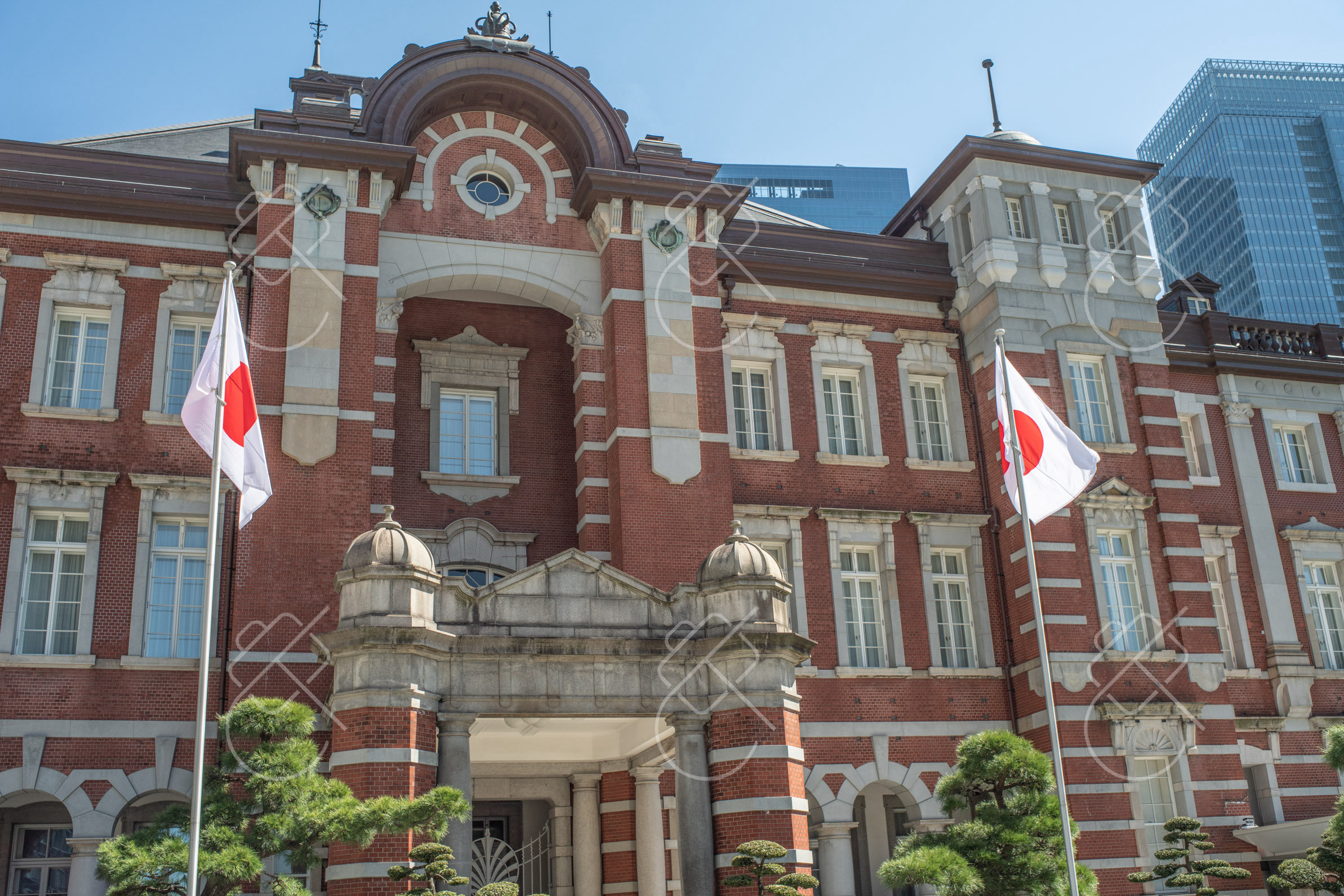
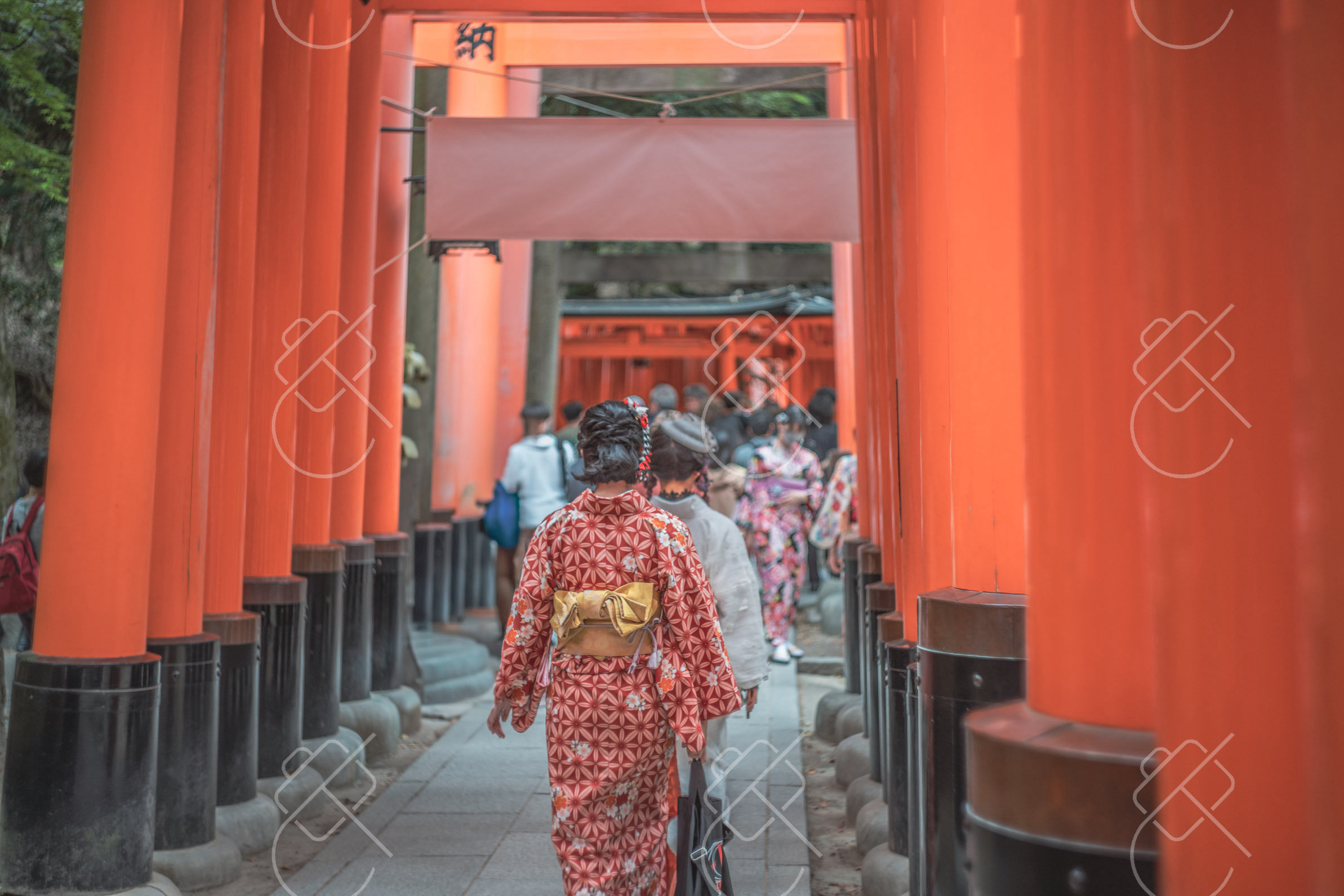
Tokyo is the country's modern face — the scramble crossing at Shibuya, the lantern-lit alleys of Shinjuku's Omoide Yokocho, and views of Mount Fuji from observation decks on clear winter days. Kyoto, the former imperial capital, holds the bulk of Japan's classic scenes: the thousands of vermilion torii gates of Fushimi Inari climbing the mountainside, the gold-leafed pavilion of Kinkaku-ji mirrored in its pond, the bamboo grove at Arashiyama, and the preserved wooden streets of the Higashiyama and Gion districts.
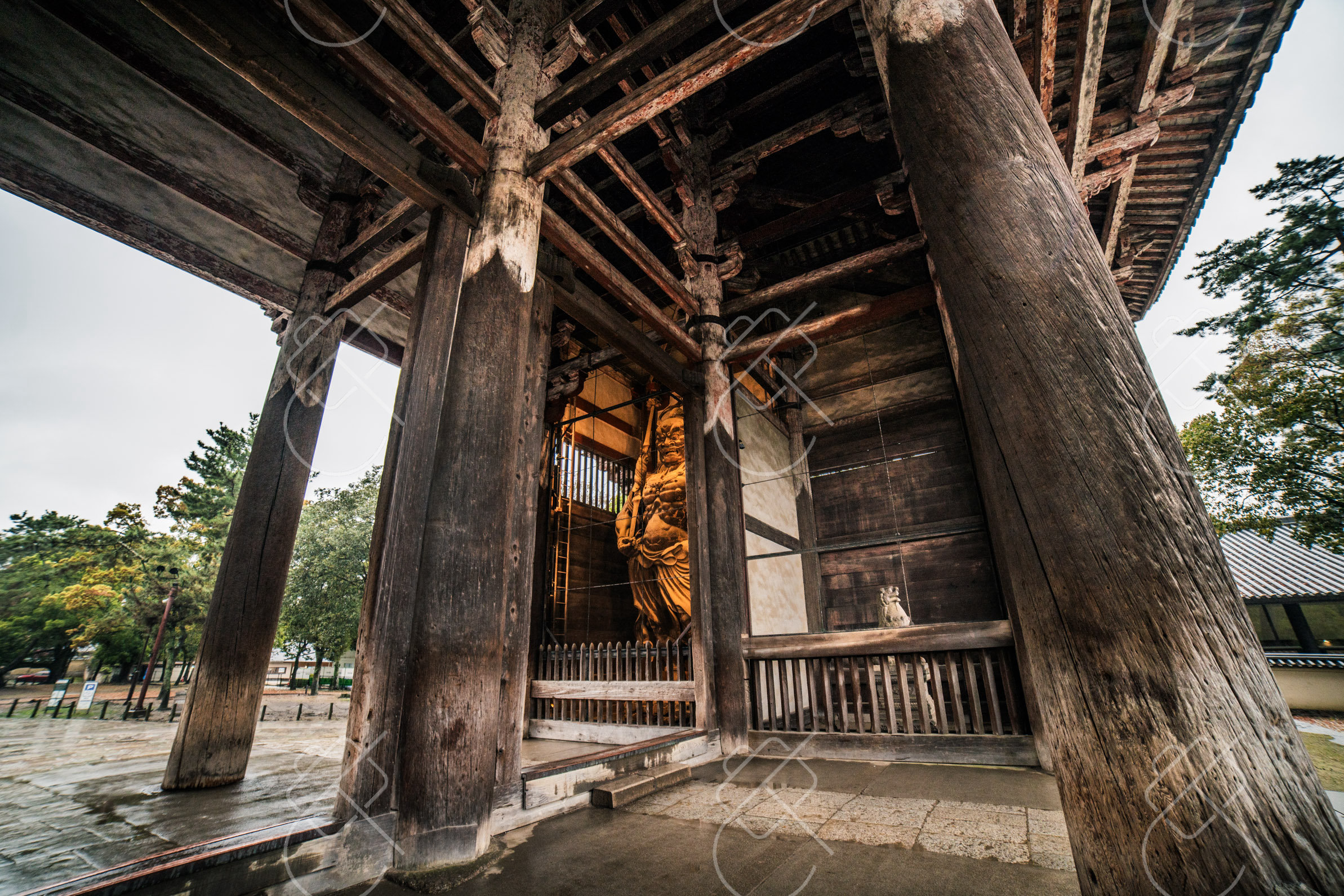
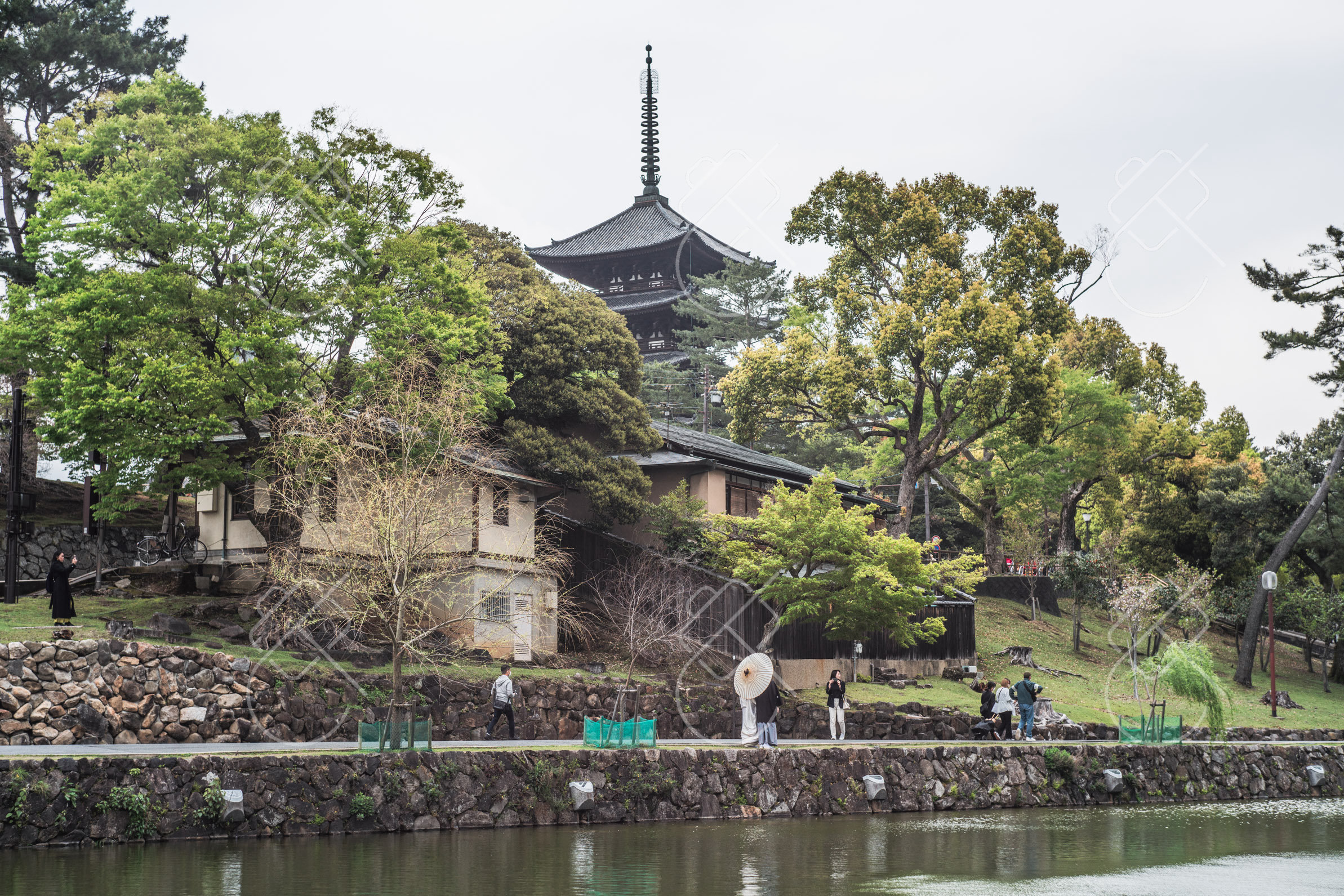
Beyond the two big cities, the country opens up. Mount Fuji rises in clearest view from the Fuji Five Lakes region or from the pagoda at Arakurayama Sengen Park, and the Hakone and Kawaguchiko areas pair it with reflections and hot-spring towns. Nara's deer roam among ancient temples, the floating torii of Itsukushima Shrine near Hiroshima stands in the tide, and in winter the snow monkeys of Jigokudani bathe in steaming pools while the historic farmhouses of Shirakawa-go sit under deep snow.
Late March–April for cherry blossoms and November for fiery autumn foliage are the signature seasons, both mild and scenic but busy; visit winter for skiing and hot springs, and avoid humid, rainy June.
Base in central Kyoto near the Higashiyama or Gion districts for walkable access to the temples and old streets; in Tokyo, Shinjuku or Shibuya put transit and nightlife within easy reach.
Regional specialties reward seeking out: sushi and ramen vary by city, Osaka is known for okonomiyaki and takoyaki, Kyoto for refined kaiseki and tofu cuisine, and izakaya pubs serve small plates alongside sake nationwide.
Fushimi Inari, Arashiyama, and Kyoto's other headline sites fill fast. Arrive at or before sunrise and the difference is empty corridors instead of a wall of people, with early light falling gently on vermilion and bamboo.
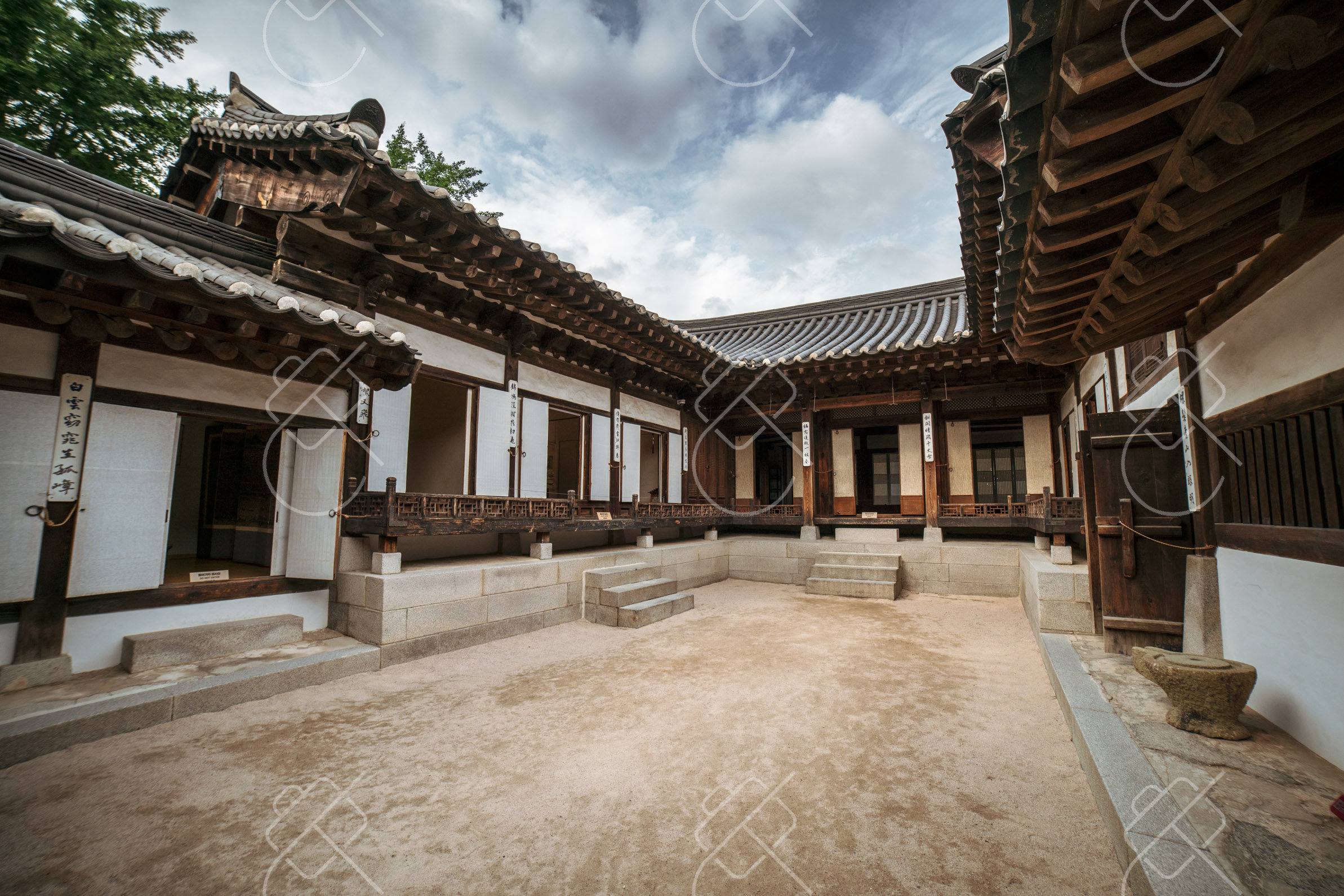
South Korea sets glass-and-steel megacities against restored royal palaces, mountain temples and a deeply seasonal landscape. Seoul anchors the country with its palaces and hillside villages, the south holds the coastal city of Busan and the historic town of Gyeongju, and an extensive network of mountains turns brilliant with maple in autumn and pink with blossom in spring.
Seoul balances the ancient and the new within a single skyline. The Gyeongbokgung and Changdeokgung palaces, with their painted eaves and tiled roofs, sit beneath modern towers, and visitors in rented hanbok, the traditional dress, add color to the courtyards. The Bukchon Hanok Village preserves rows of tile-roofed houses on a hillside, while at night the lantern-lit Gwangjang Market and the view from Namsan Seoul Tower over the sprawling lit city give the modern counterpoint.
Outside the capital, the country opens up. Busan, on the southern coast, is known for the brightly painted, tiered Gamcheon Culture Village and the seaside Haedong Yonggungsa temple perched above the water. Gyeongju, capital of the ancient Silla kingdom, scatters grassy royal burial mounds, the Bulguksa temple and the Seokguram grotto across a compact area. The island of Jeju adds volcanic cones, waterfalls and coastline to the south.
Cherry blossoms take over in April and May, and September through October answers back with crisp air and brilliant foliage, both prime sightseeing windows; winter suits the ski resorts, while summer runs hot, humid, and rainy.
Stay in central Seoul near Insadong or Jongno to reach the palaces and Bukchon on foot; Busan's Haeundae or the Gwangalli waterfront make a comfortable base for the coast and the southern sights.
Korean dining is built around grilled meat and shared banchan side dishes: Korean barbecue, the rice-and-vegetable bowl bibimbap, stews such as kimchi jjigae, and street food including tteokbokki and hotteok in the markets.
Many palaces and temples come alive with visitors in traditional hanbok; rental shops cluster near Gyeongbokgung, and wearing hanbok also waives the palace entry fee while letting you blend into the courtyards.
Japan layers centuries of temples, gardens and craft beneath the world's densest neon cityscapes, all stitched together by punctual high-speed rail.
Explore regional routes with verified local fleets, zero hidden charges, and transparent insurance on Localrent.
Get the best deals on hotels in East Asia with Booking.com.
Transit cards, local customs, visa rules, and practical travel guides for this region.
See every destination from the 526-day journey:
Browse all destinationsCurious about the gear behind these photos? See the gear list.