
Home
About us
Destinations
Travel Guides
Recipes
Featured
Photos As Art
Abstract Prints
Locations
Travel Gear
Travel Resources
Favorites
Photo Framer
Explore Photos
ContactSpain is far more varied than its sun-coast cliches suggest. This route leans north and inland, where the green Atlantic provinces meet the golden-stone cities of Castile and the wine country of La Rioja. Architecture ranges from Madrid's grand boulevards and Bilbao's titanium Guggenheim to Salamanca's Renaissance university and Oviedo's pre-Romanesque churches. Coastal light along the Bay of Biscay and the Strait of Gibraltar gives the north and south a very different feel. An excellent high-speed rail network links the major cities, while the smaller towns reward slower travel.
Published October 15, 2025
Tap any photo to open it full-screen and order a print.
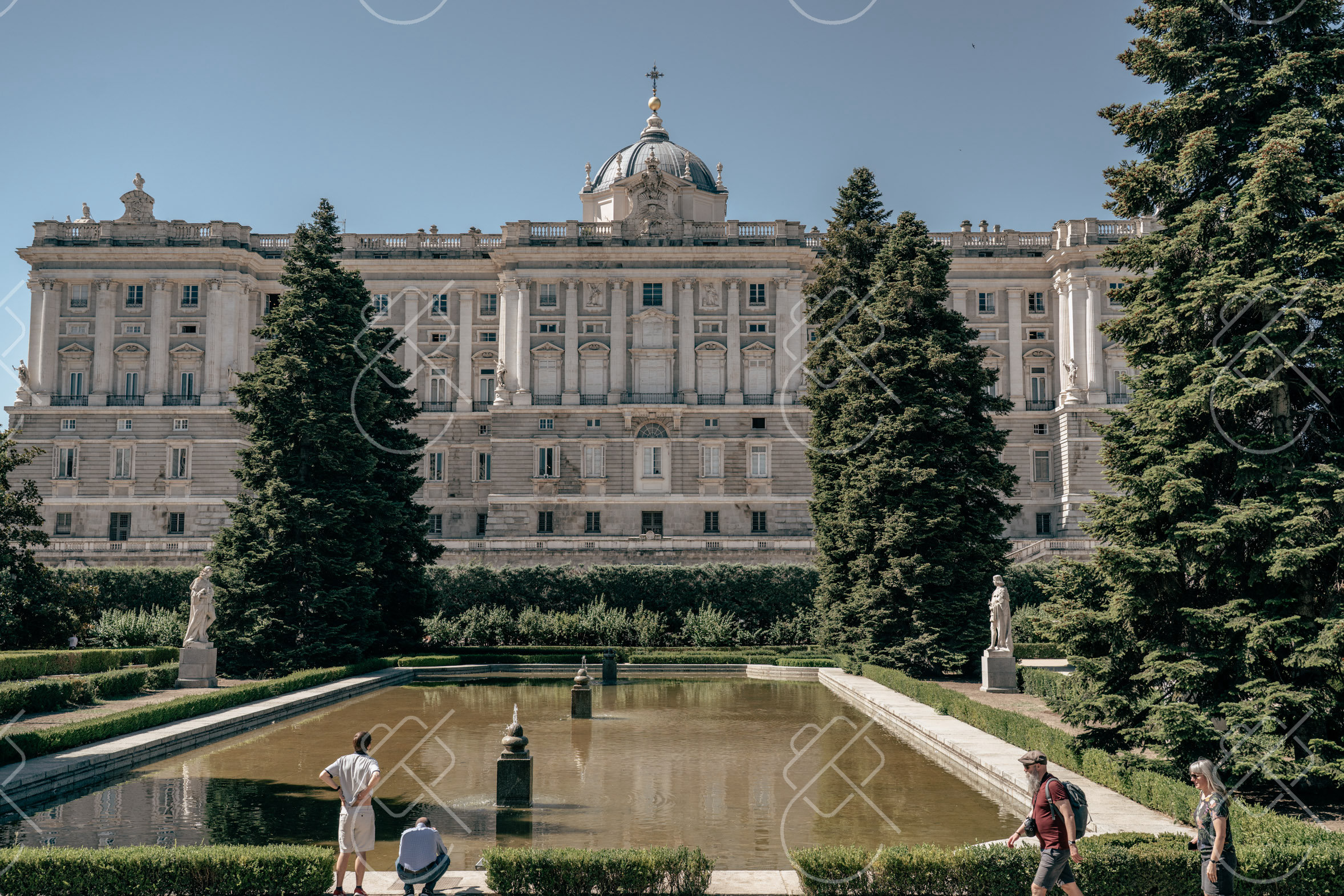
The high, sunlit capital of grand plazas, world-class art and late-night energy.
Madrid sits on a plateau near the geographic center of Spain, the highest capital city in Europe, which gives it bright, clear light and big skies. Its core is a walkable grid of grand squares, including the arcaded Plaza Mayor and the fountain-ringed Puerta del Sol, threaded with elegant 19th-century boulevards. The city keeps a famously late rhythm of dining and nightlife.
The Paseo del Arte concentrates three major museums, the Prado, Reina Sofia and Thyssen-Bornemisza, within a short walk. Beyond the galleries, the Retiro Park, the royal palace and dense tapas neighborhoods such as La Latina give the city its texture. Climb to a rooftop terrace at sunset and the western skyline unfolds toward the Almudena Cathedral.
April to June and September to October bring warm, pleasant weather and fewer crowds; July and August are when locals themselves flee the heat.
Stay around the central Sol, Malasana or Las Letras areas to reach the major sights and tapas bars on foot.
Tapas in La Latina, cocido madrileno stew, and bocadillo de calamares (fried-squid sandwiches) near Plaza Mayor.
Plan dinner for after 9pm to match the local rhythm; restaurants fill late and rooftop bars peak at sunset.
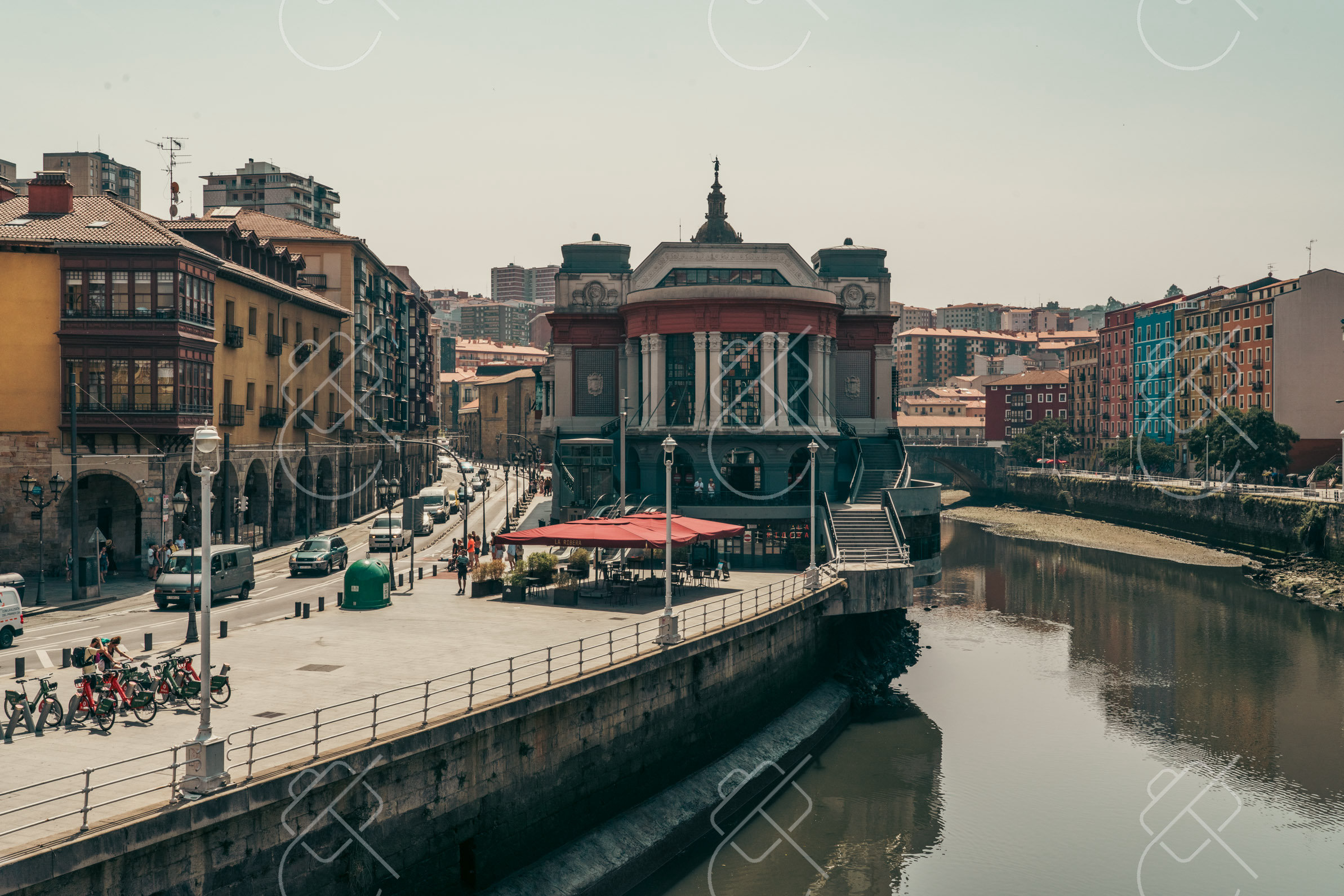
A reinvented Basque industrial city anchored by Gehry's titanium Guggenheim.
Bilbao is the largest city in the Basque Country, transformed from a declining industrial port into a design destination over the past three decades. The catalyst was Frank Gehry's Guggenheim Museum, opened in 1997, whose curving titanium hull along the Nervion River became an architectural landmark and a model of urban regeneration. The riverfront and new bridges followed in its wake.
Beyond the museum, the Casco Viejo old town offers narrow streets, the Santiago Cathedral and the lively Ribera covered market. The city pairs Basque culinary culture with bold contemporary architecture, and its compact center is easily explored on foot. A funicular up Mount Artxanda opens a panorama over the whole city basin.
May to September brings the warmest, driest weather; come in August for the lively Aste Nagusia festival, though spring and autumn are mild and quieter.
Stay in or near the Casco Viejo for nightlife and pintxos, or along the river to be close to the Guggenheim.
Pintxos (Basque tapas) eaten bar to bar in the Casco Viejo, and bacalao (salt cod) dishes.
Visit the Guggenheim at dusk, when the titanium catches the last light and the building's exterior installations are lit.
Climb to a rooftop terrace at sunset and the western skyline unfolds toward the Almudena Cathedral.
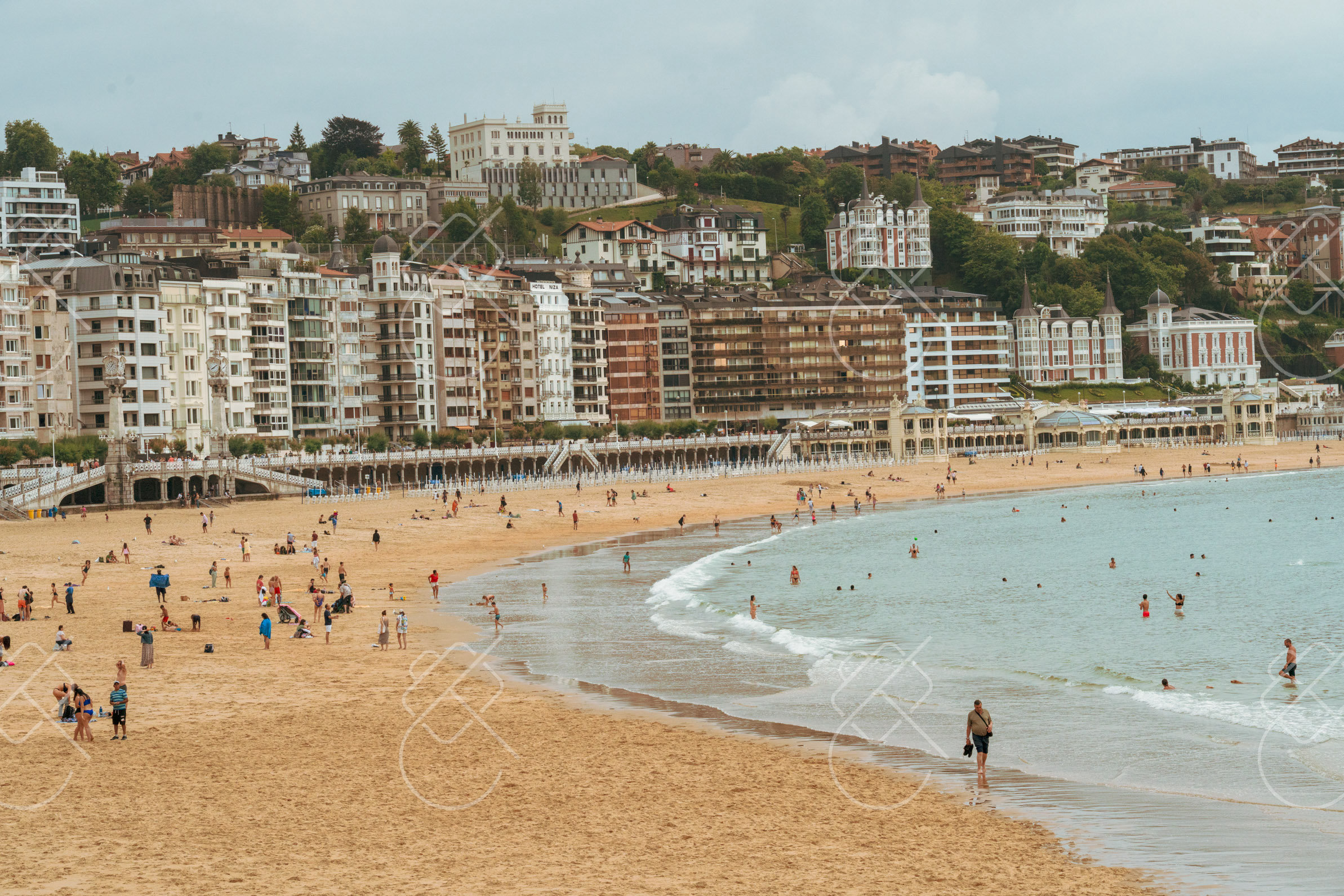
An elegant Belle Epoque beach resort with a celebrated culinary reputation.
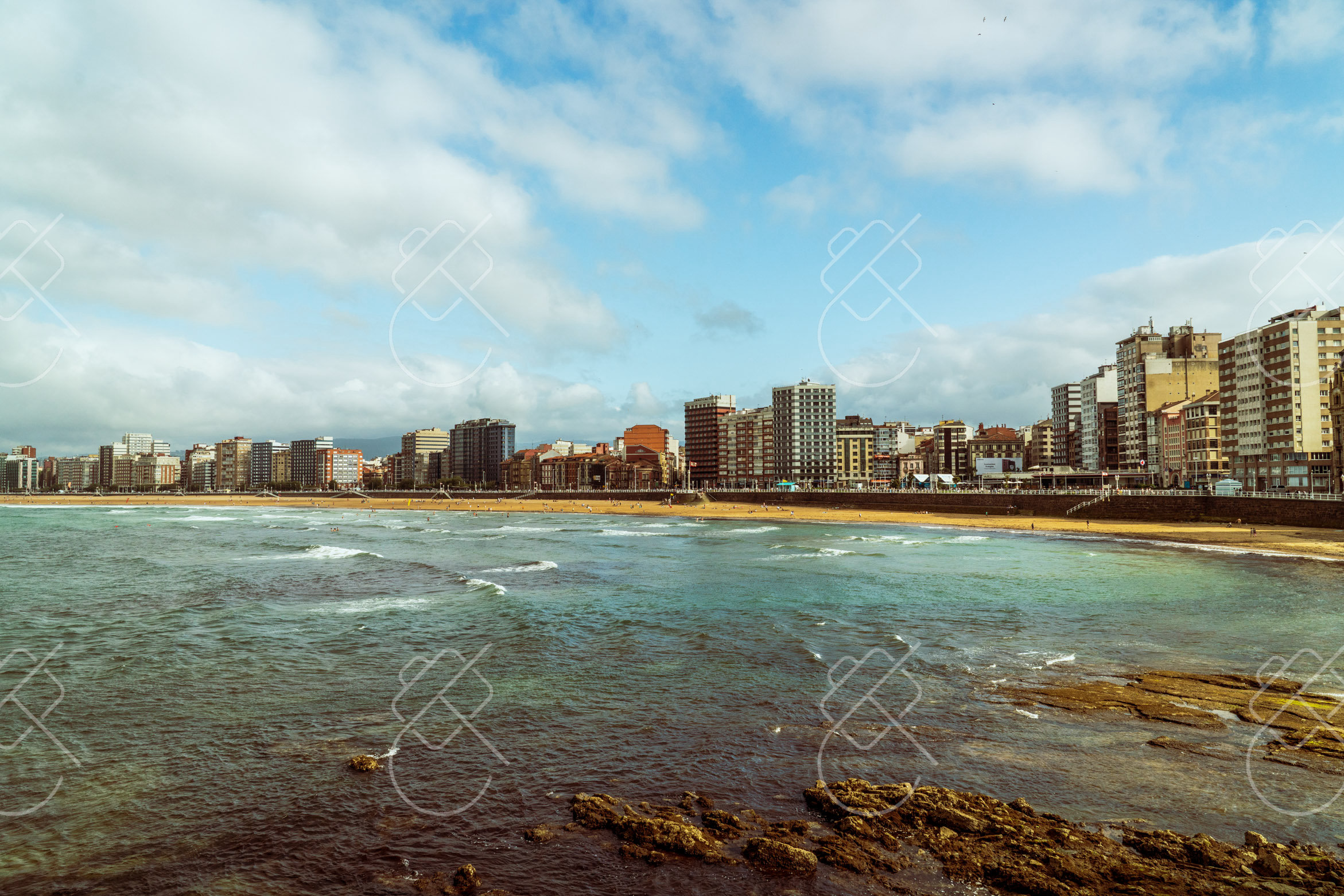
San Sebastian, known in Basque as Donostia, curves around the scallop-shaped La Concha bay on the Bay of Biscay near the French border. A former royal resort, it retains graceful Belle Epoque architecture, a sweeping promenade and one of the most admired urban beaches in Europe. Green headlands and a small island in the bay frame the whole setting.
The city has an outsized culinary reputation, with a dense concentration of acclaimed restaurants and a Parte Vieja old town packed with pintxos bars. Two hills, Monte Igueldo and Monte Urgull, bookend the bay and open the classic elevated views over the curving shoreline. Atlantic light and sea mist give the coast a distinctive softness.
July and August are warmest for the beaches and host the famous film and jazz festivals, but visit in June or September for pleasant weather and thinner crowds.
Stay in the Centro or near the old town for beach access and the densest concentration of pintxos bars.
Pintxos crawled through the old town, grilled turbot and the burnt Basque cheesecake that originated here.
Ride the historic funicular up Monte Igueldo near sunset for the postcard view of the entire La Concha bay.
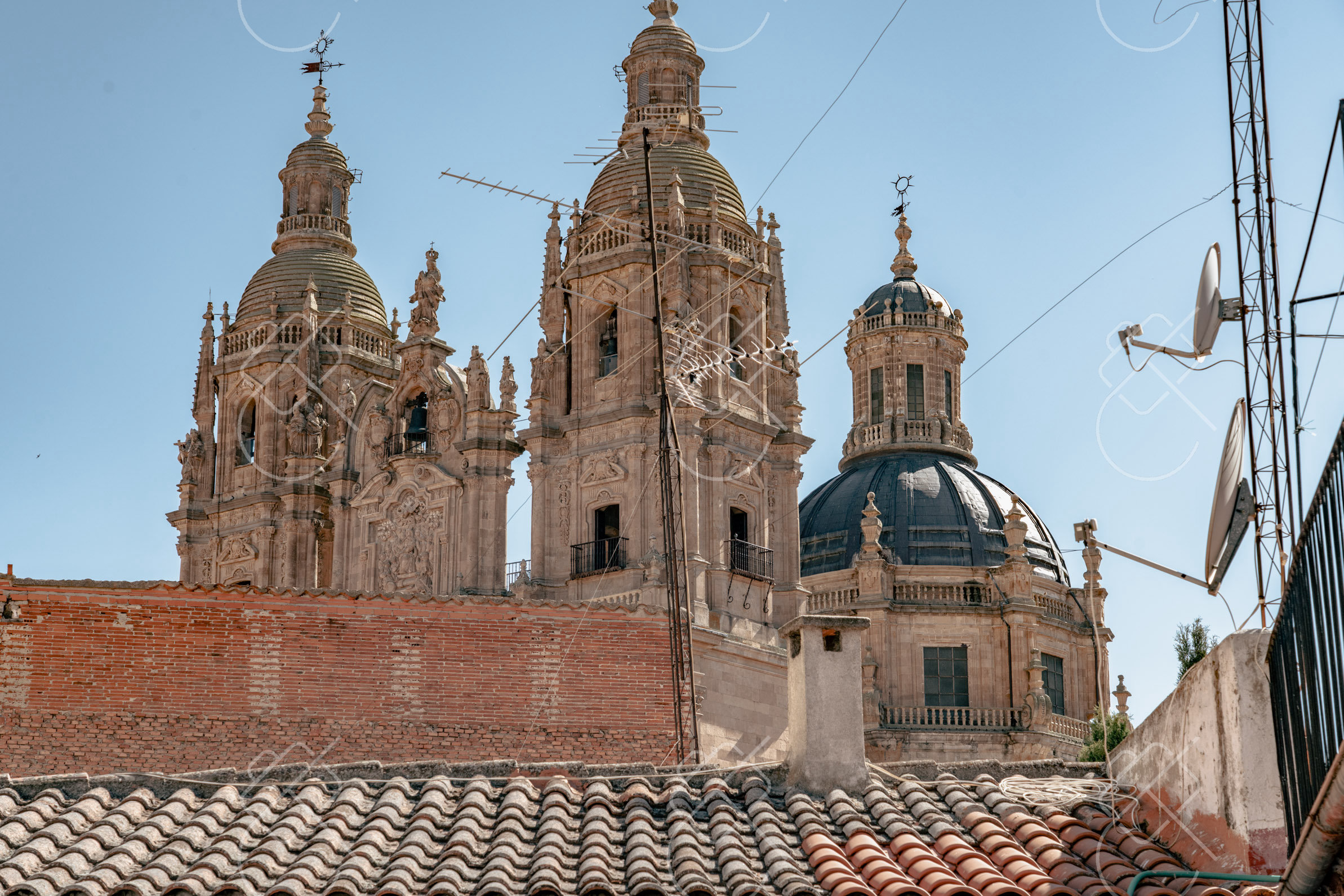
A golden-sandstone university city and one of Spain's great Renaissance ensembles.
Salamanca, in the Castilian interior, is built almost entirely from a local sandstone that glows honey-gold in the sun, earning it the nickname the Golden City. Home to one of the oldest universities in Europe, founded in 1218, it has a youthful energy alongside a UNESCO-listed historic center of exceptional architectural unity. The stone's warmth peaks at sunset.
The vast Plaza Mayor is widely regarded as one of the finest squares in Spain, an enclosed baroque space that fills with life in the evening. Nearby stand twin cathedrals, the ornate university facade and the shell-studded Casa de las Conchas. The compact center makes the whole ensemble walkable, with the river and its Roman bridge opening wider views of the skyline.
The sandstone old town is most comfortable to explore in spring and autumn; summer days run hot but the evenings stay lively, and winter can turn properly cold.
Stay within the old town near the Plaza Mayor to reach all the major monuments on foot.
Hornazo (a meat-filled pastry), Iberian cured ham and hearty Castilian roast meats.
Walk the Plaza Mayor and the riverbank at golden hour, when the sandstone turns its richest amber.
Salamanca, in the Castilian interior, is built almost entirely from a local sandstone that glows honey-gold in the sun, earning it the nickname the Golden City.
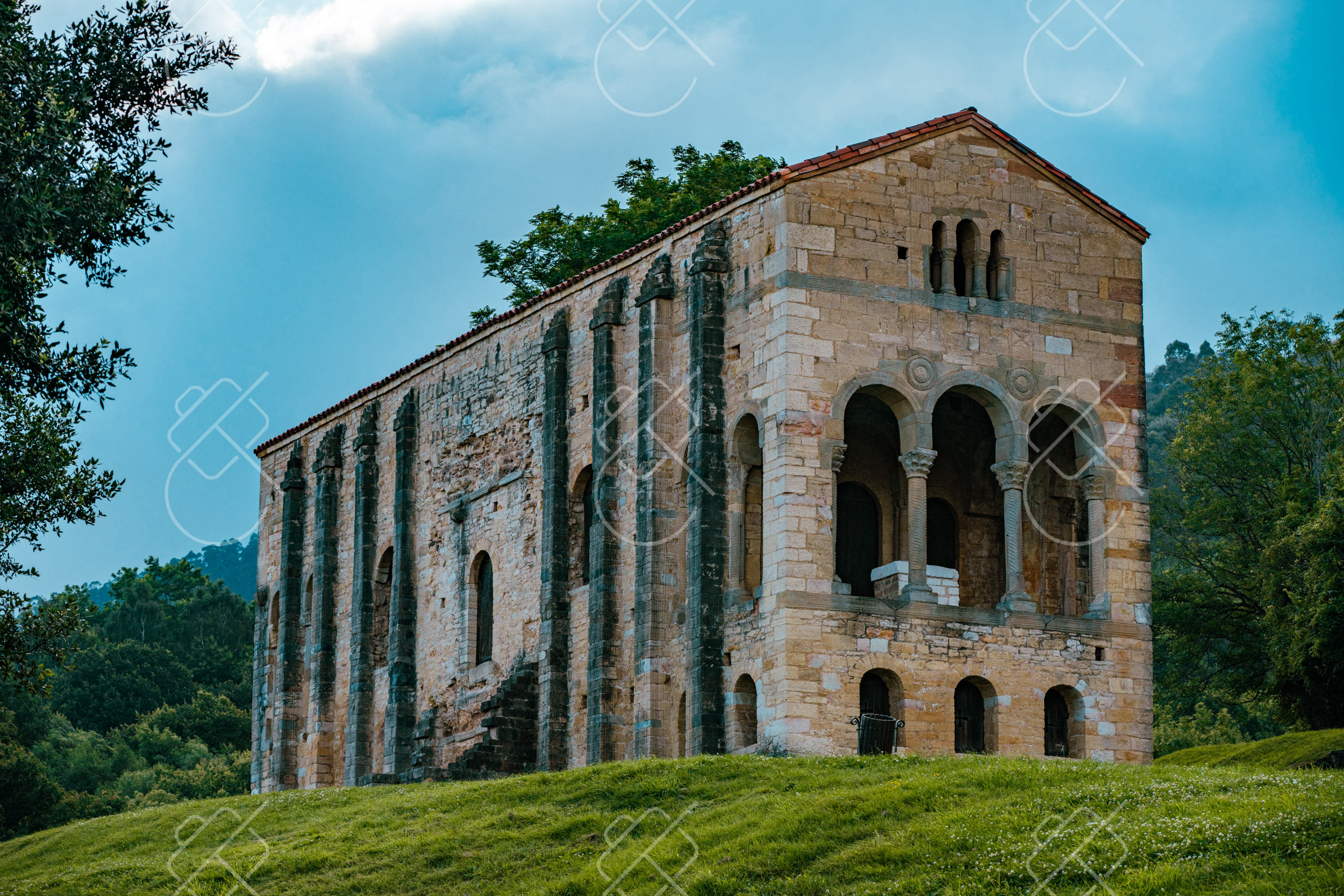
An elegant Asturian capital with rare pre-Romanesque churches and cider culture.
Oviedo is the capital of Asturias in green northern Spain, a refined and notably clean city set against the Cantabrian mountains. Its old town centers on a Gothic cathedral and a network of pedestrian streets and squares dotted with contemporary sculpture. The surrounding region is celebrated for its dramatic coastline and mountain landscapes inland.
The city's singular draw is a group of 9th-century pre-Romanesque churches on the slopes of Monte Naranco, built under the Asturian kingdom and now UNESCO World Heritage Sites. Their austere stone forms predate the Romanesque style and are unique in Europe. Oviedo is also the heart of Asturian cider culture, traditionally poured from a height to aerate it.
Late spring through early autumn (May–September) offers the mildest, driest weather in this rainy region; summer brings cultural festivals and green landscapes.
Stay in or beside the Casco Antiguo for the cathedral, cider houses and easy access up to Monte Naranco.
Fabada asturiana (a rich bean stew), strong Cabrales blue cheese and naturally fermented Asturian cider.
Walk or drive up Monte Naranco for the pre-Romanesque churches and a panorama back over the city and mountains.
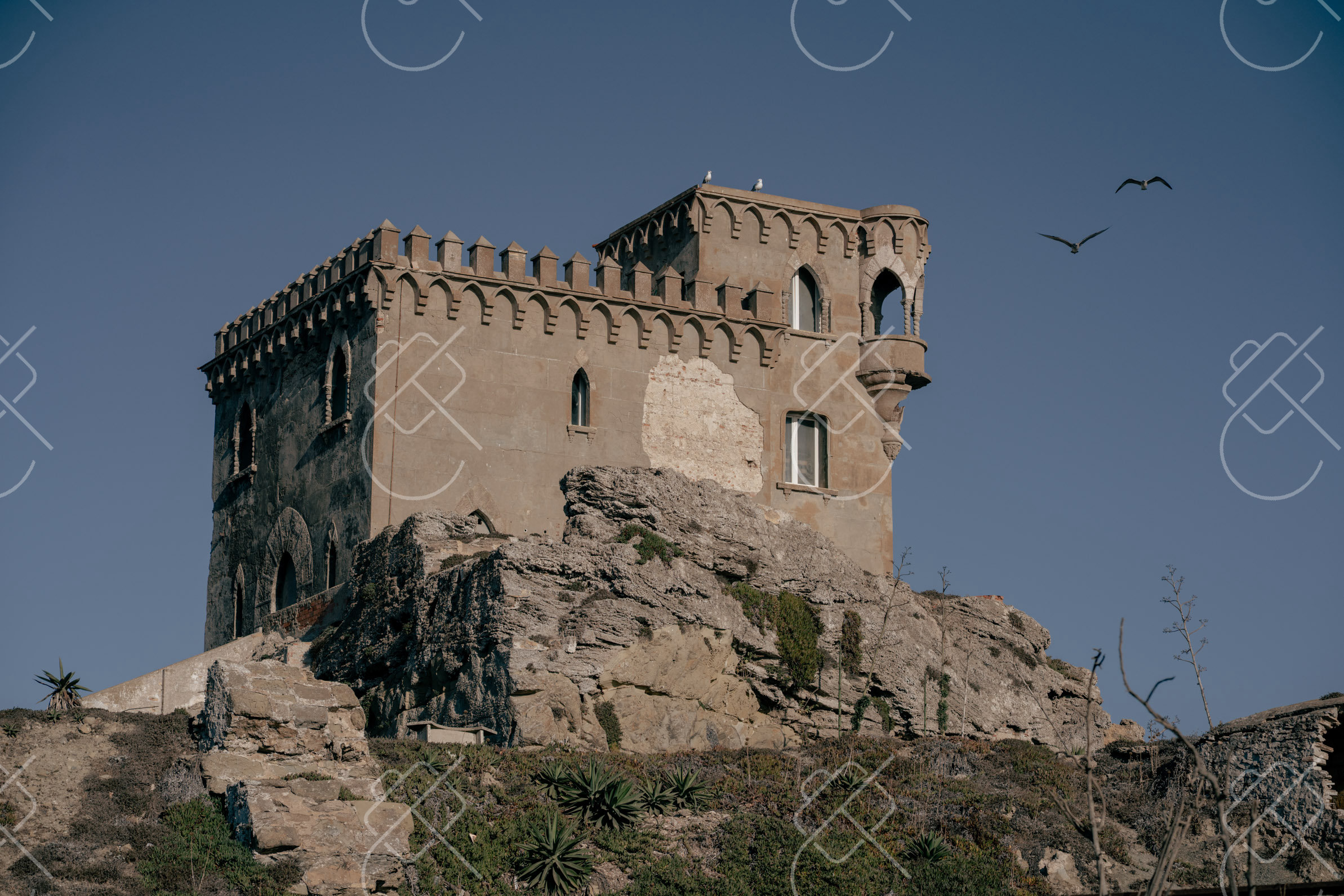
Spain's windswept southern tip, where two seas meet and Africa is visible across the strait.
Tarifa is the southernmost point of mainland Europe, set on the Strait of Gibraltar where the Atlantic Ocean meets the Mediterranean Sea. On clear days the Moroccan coast and the Rif mountains are plainly visible across the narrow strait. Constant strong winds have made it one of the world's premier kitesurfing and windsurfing destinations, and its beaches are long, pale and wild.
The walled old town is a whitewashed Moorish-influenced maze of narrow lanes, reflecting the region's long Andalusian heritage. Beyond the beaches and the medieval Guzman el Bueno castle, the surrounding coast opens onto wide dunes and big skies. The strait is also a major whale and dolphin watching area and a migratory corridor for birds crossing to Africa.
May to October for windsurfing, kitesurfing, and warm beach days; summer is busiest and breeziest, while spring and autumn are calmer and pleasant.
Stay inside the whitewashed old town for atmosphere and dining, or near Los Lances beach for the windsurf scene.
Fresh grilled fish, atun de almadraba (locally trapped bluefin tuna) and Andalusian tapas in the old town.
Head to the southern point or the dunes near sunset on a clear day, when the African coast stands out across the strait.
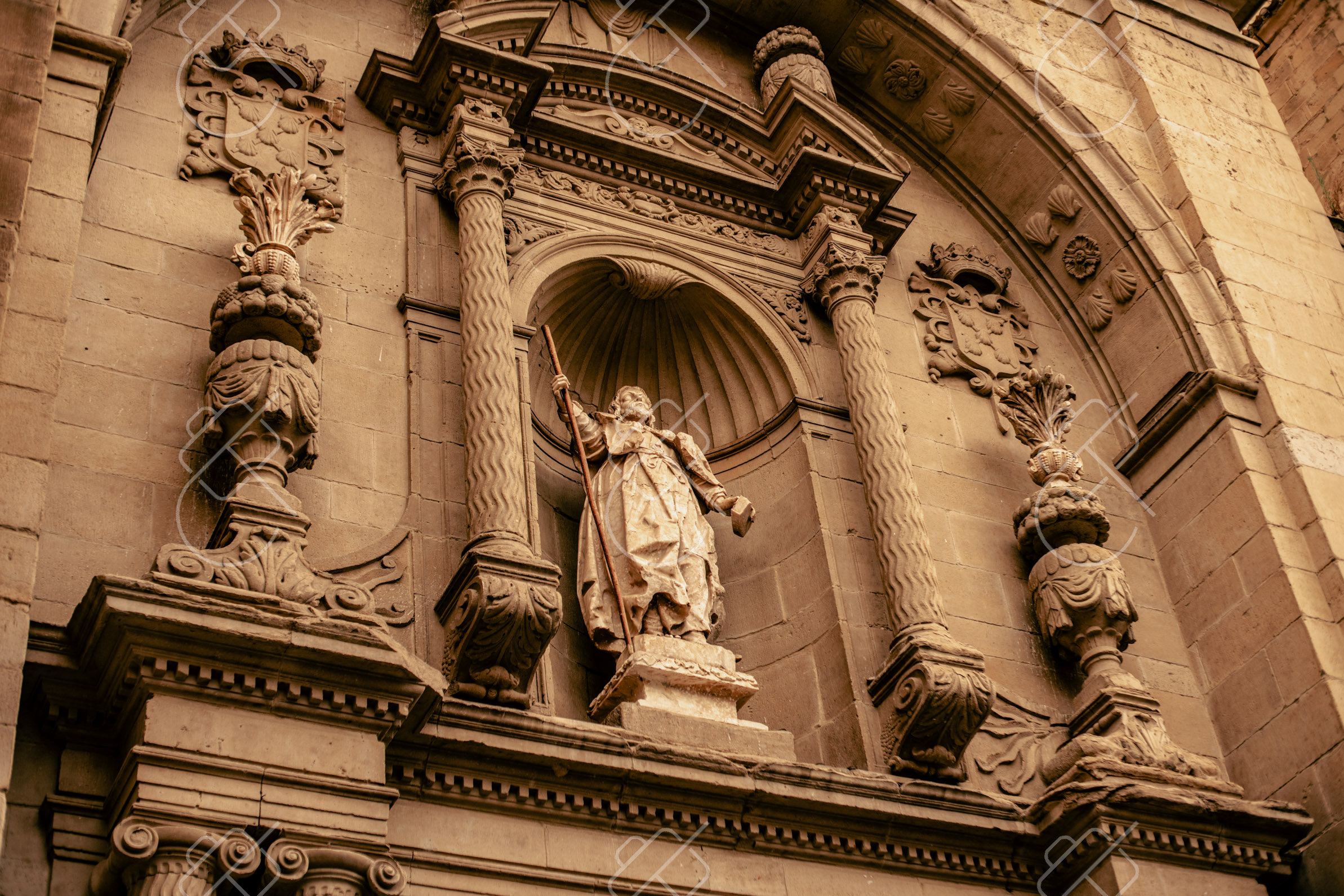
The capital of La Rioja wine country, famous for a single street of tapas bars.
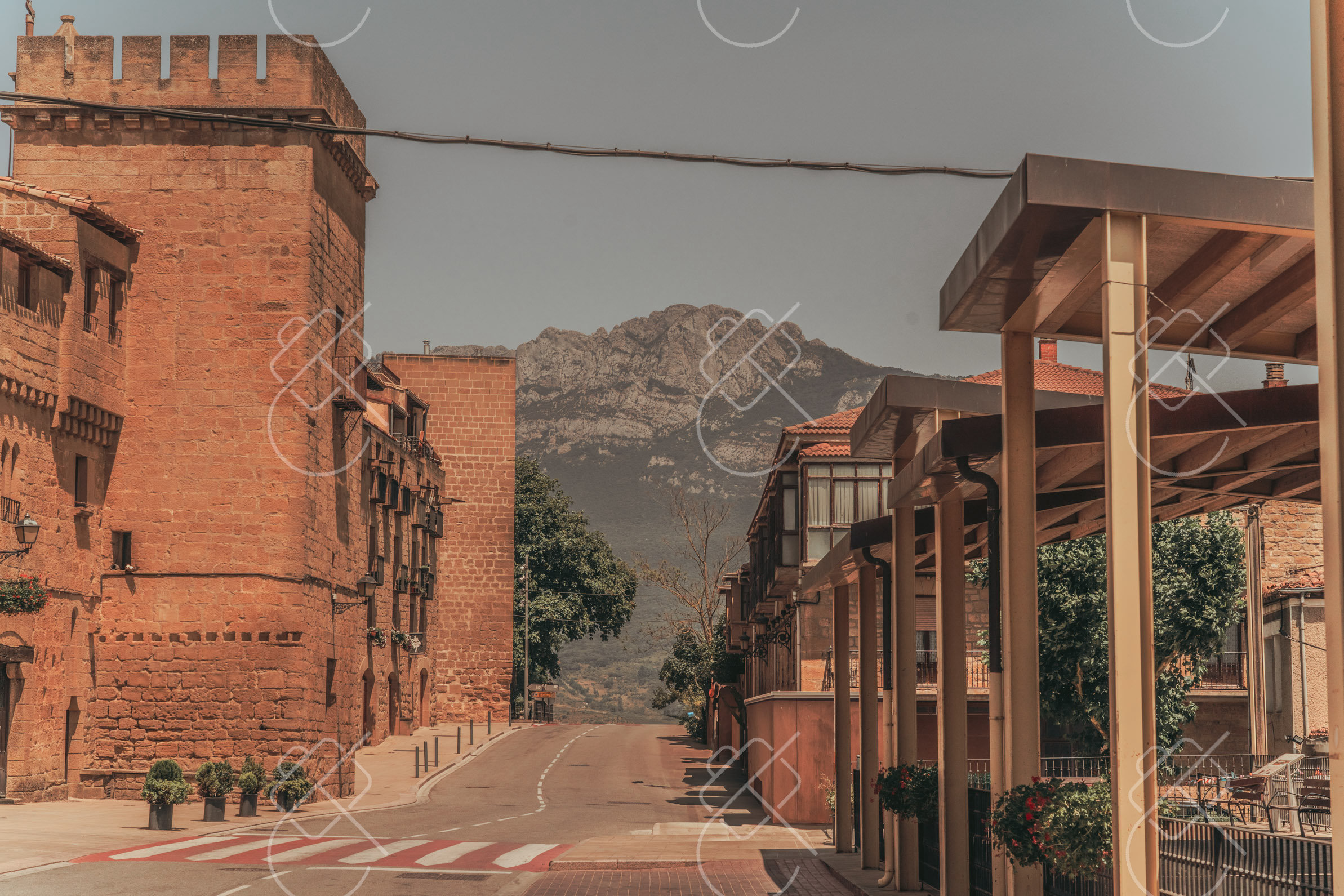
Logrono is the capital of La Rioja, Spain's most celebrated wine region, set on the banks of the Ebro River along the Camino de Santiago pilgrimage route. The compact city is surrounded by vineyards and serves as the practical base for exploring the surrounding wineries and medieval wine villages. Its scale is modest and its pace relaxed.
The city's fame rests on Calle Laurel, a small grid of streets packed with dozens of bars, each specializing in a single pintxo paired with local Rioja wine. The historic center also holds the twin-towered Co-Cathedral of Santa Maria de la Redonda and pilgrim-route landmarks. The vineyard country outside town, backed by the Sierra de Cantabria, is the region's great scenic draw.
Visit in late September for the Rioja wine harvest festival, or come in spring and early autumn for mild weather perfect for tapas crawls on Calle Laurel.
Stay in the old town near Calle Laurel for the pintxos scene and easy day trips into the wine country.
Pintxos along Calle Laurel, grilled lamb chops over vine cuttings and patatas a la riojana, all with Rioja wine.
Use Logrono as a base and drive out to wineries and the medieval villages of Haro and Laguardia in the surrounding Rioja.
Atlantic light and sea mist give the coast a distinctive softness.
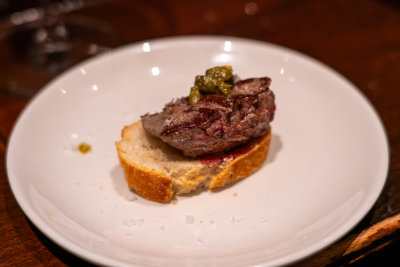
A slow-braised beef-cheek pintxo, the meat falling apart over crusty bread — one of the richer stars of the Basque pintxo counter.
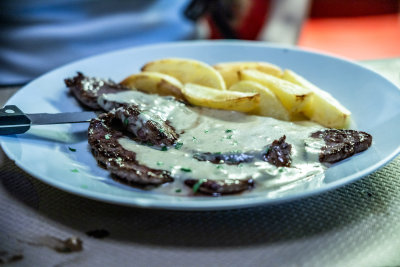
A thinly sliced steak napped in a rich, savory cream sauce — hearty, comforting plated cooking from northern Spain.
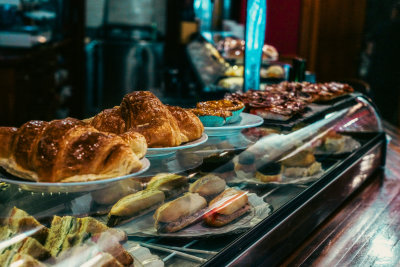
Counters piled high with toothpick-skewered bites are the heartbeat of any Spanish tavern at aperitivo hour. Diners point, share and move from bar to bar, turning dinner into a social crawl through the neighborhood.
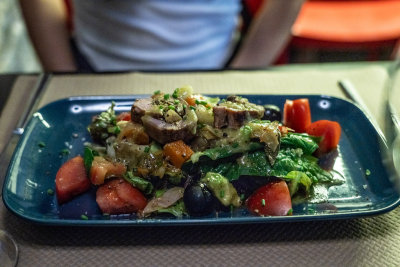
Fresh tuna served over a crisp salad — a light, produce-forward plate that shows the Basque coast's love of impeccable seafood, built around the day's catch.
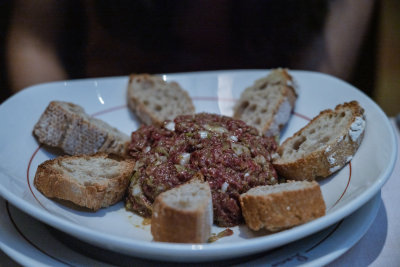
Hand-chopped raw beef, seasoned and plated as steak tartare — a refined starter found on Spain's better tables. Silky and clean-tasting, often served with bread or a yolk on top.
Explore regional routes with verified local fleets, zero hidden charges, and transparent insurance on Localrent.
Get the best deals on a hotel in Spain before you book elsewhere — Booking.com.
We're not the type to travel without coverage — World Nomads was our travel insurance for all 526 days, Spain included.
Transit cards, local customs, visa rules, and practical travel guides for this region.
See every destination from the 526-day journey:
Browse all destinationsCurious about the gear behind these photos? See the gear list.