
Home
About us
Destinations
Travel Guides
Recipes
Featured
Photos As Art
Abstract Prints
Locations
Travel Gear
Travel Resources
Favorites
Photo Framer
Explore Photos
ContactMadrid sits on a high central plateau, the highest capital city in Europe, which gives it clear light, big open skies, and a climate of sharp seasonal extremes. Its historic core is a walkable web of grand plazas and 19th-century boulevards, but the city's real identity shows after dark: dinner rarely starts before 9pm, and the bar-hopping culture built around small plates keeps the streets loud well past midnight.
Published November 5, 2025
Tap any photo to open it full-screen and order a print.
Madrid is Spain's high, sunlit capital of grand plazas and world-class art, a city built for late nights, where dinner starts at nine and the tapas bars stay loud past midnight.
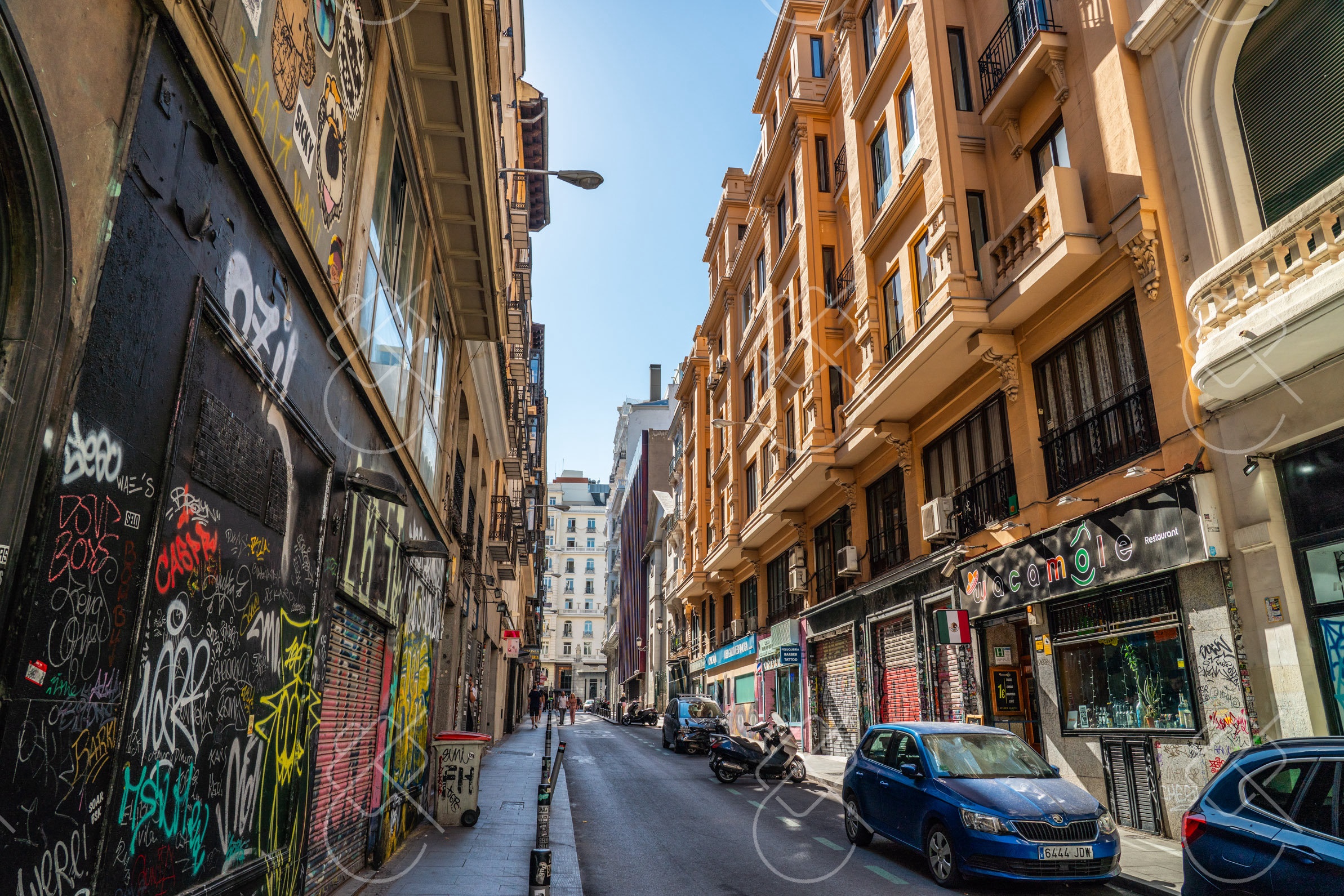
Madrid became Spain's capital in 1561 by royal decree, chosen for its central location rather than any prior significance, and it grew from there into a dense grid of grand squares and elegant boulevards. The arcaded Plaza Mayor, built in the early 1600s, and the fountain-ringed Puerta del Sol anchor the historic core, while wide 19th-century avenues like Gran Via cut through with department stores, theaters, and the city's characteristic rooftop terraces. The rhythm here runs later than almost anywhere else in Europe: restaurants fill from 9pm, and bars and clubs keep going well past 3am on weekends.
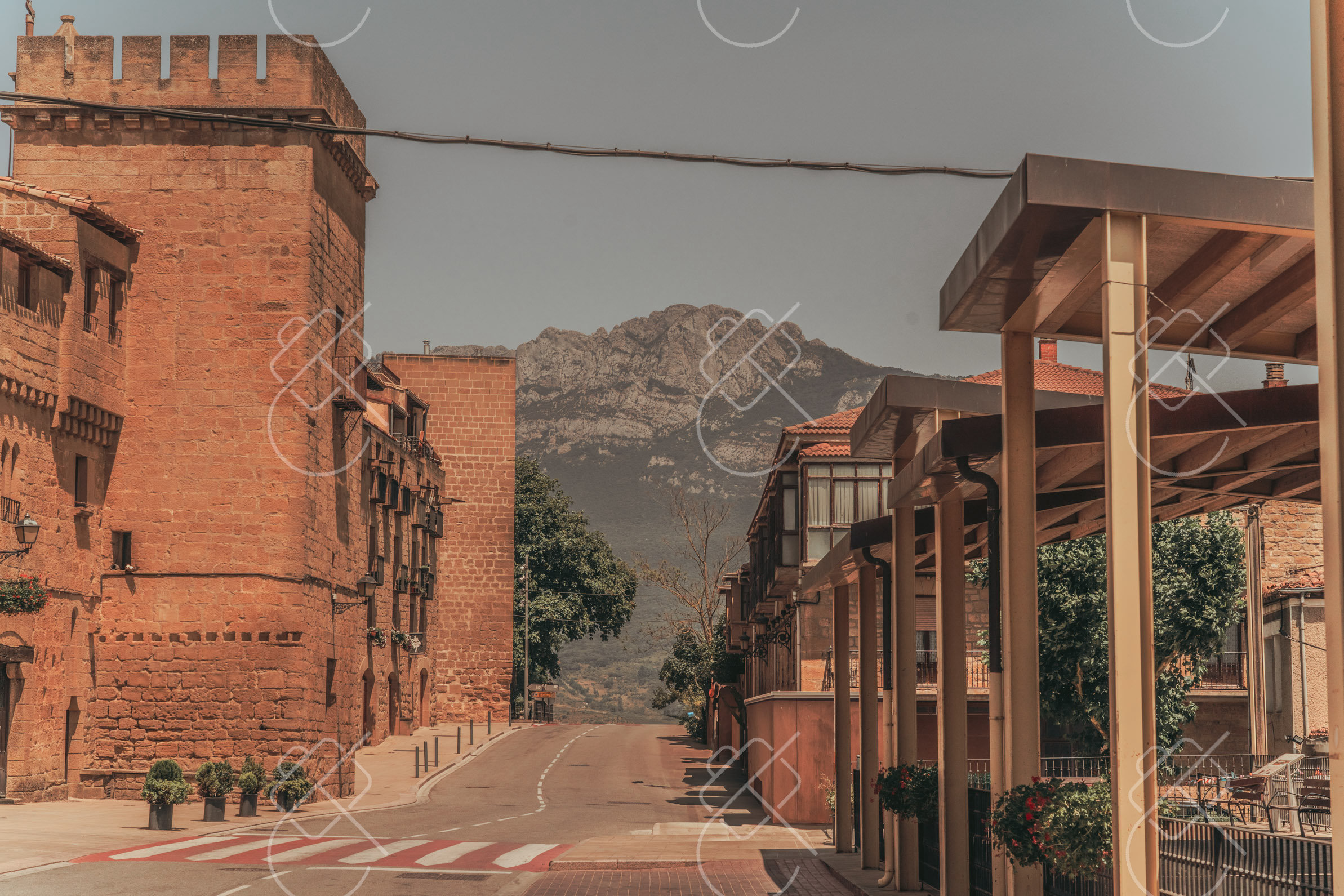
Historic stone architecture and ornate iron balconies in central Madrid
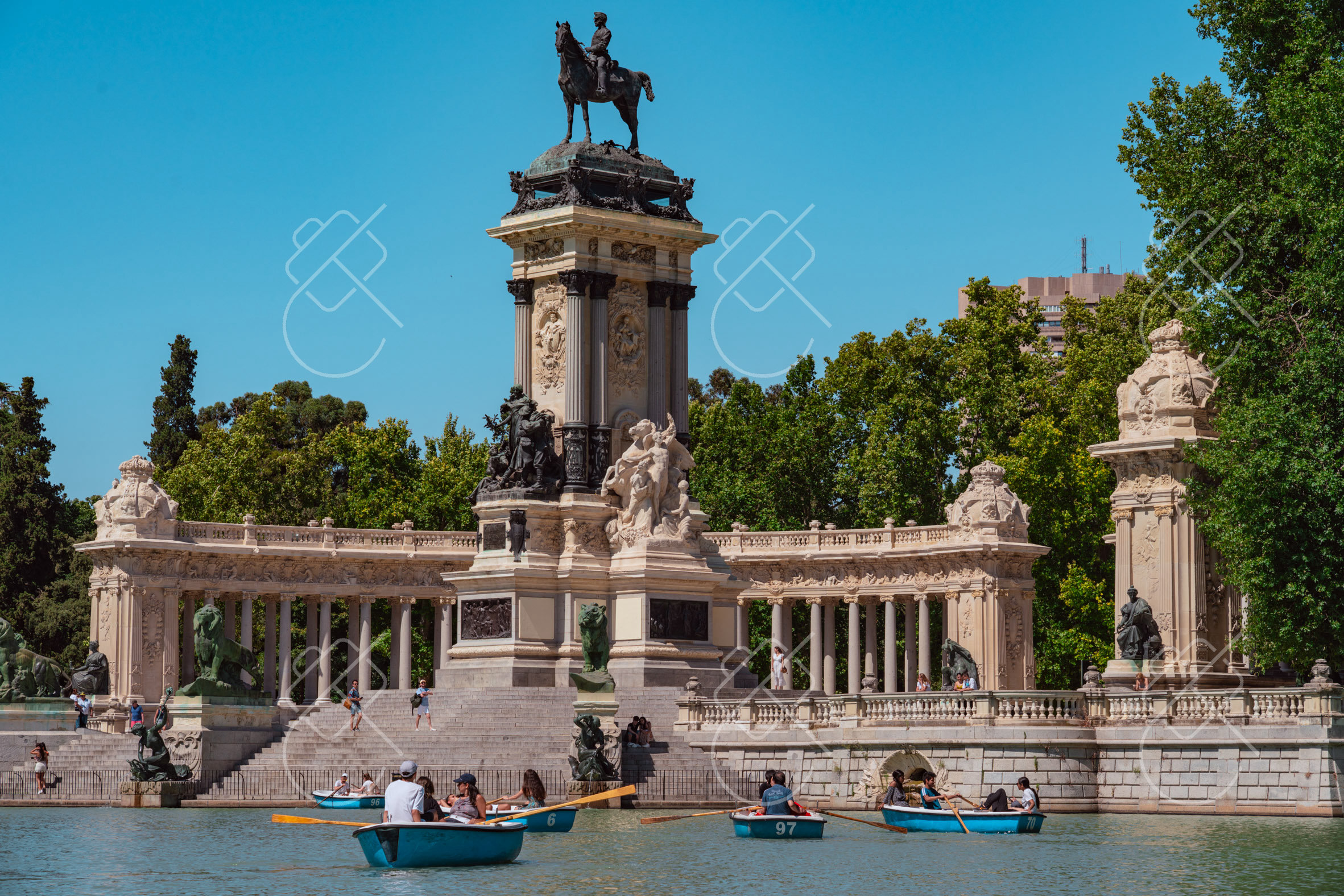
Art lovers have the Paseo del Arte, three world-class museums, the Prado, Reina Sofia, and Thyssen-Bornemisza, within a fifteen-minute walk of one another, covering everything from Velazquez and Goya to Picasso's Guernica. Beyond the galleries, the Royal Palace's baroque state rooms and gardens, the boating lake at Retiro Park, and the tapas bars of La Latina and Malasana round out the city's other side. Climb to a rooftop terrace as the sun drops and the skyline unfolds west toward the domed silhouette of the Almudena Cathedral.
April to June or September to October for warm, comfortable weather and thinner crowds; Madrid's July and August heat is intense enough that many locals leave the city entirely.
Sol, Malasana, and Las Letras are the walkable central neighborhoods putting the plazas, museums, and tapas bars within reach on foot.
Tapas crawl through La Latina, cocido madrileno (a slow-simmered chickpea and meat stew), and a bocadillo de calamares (fried squid sandwich) eaten standing up near Plaza Mayor.
Plan dinner no earlier than 9pm to match the local rhythm — arrive at a popular restaurant at 7pm and you may find it still closed for the evening.
Compare flights to Madrid and get the best deals on Expedia.
Through Madrid, Spain and everywhere else on this trip, World Nomads was the travel insurance we carried the whole way.
Transit cards, local customs, visa rules, and practical travel guides for this region.
See every destination from the 526-day journey:
Browse all destinationsCurious about the gear behind these photos? See the gear list.