
Home
About us
Destinations
Travel Guides
Recipes
Featured
Photos As Art
Abstract Prints
Locations
Travel Gear
Travel Resources
Favorites
Photo Framer
Explore Photos
ContactNorthern Spain's Basque Country and the neighboring Rioja region form a compact corner of green hills, dramatic coastline and renowned food and wine. The cities sit close together and link up easily, ranging from an elegant belle-époque beach resort to a reinvented industrial port and an unpretentious wine town. The Atlantic light is softer and the climate wetter than in much of Spain, lending the region a green, moody character all its own.
Published February 16, 2026
Tap any photo to open it full-screen and order a print.
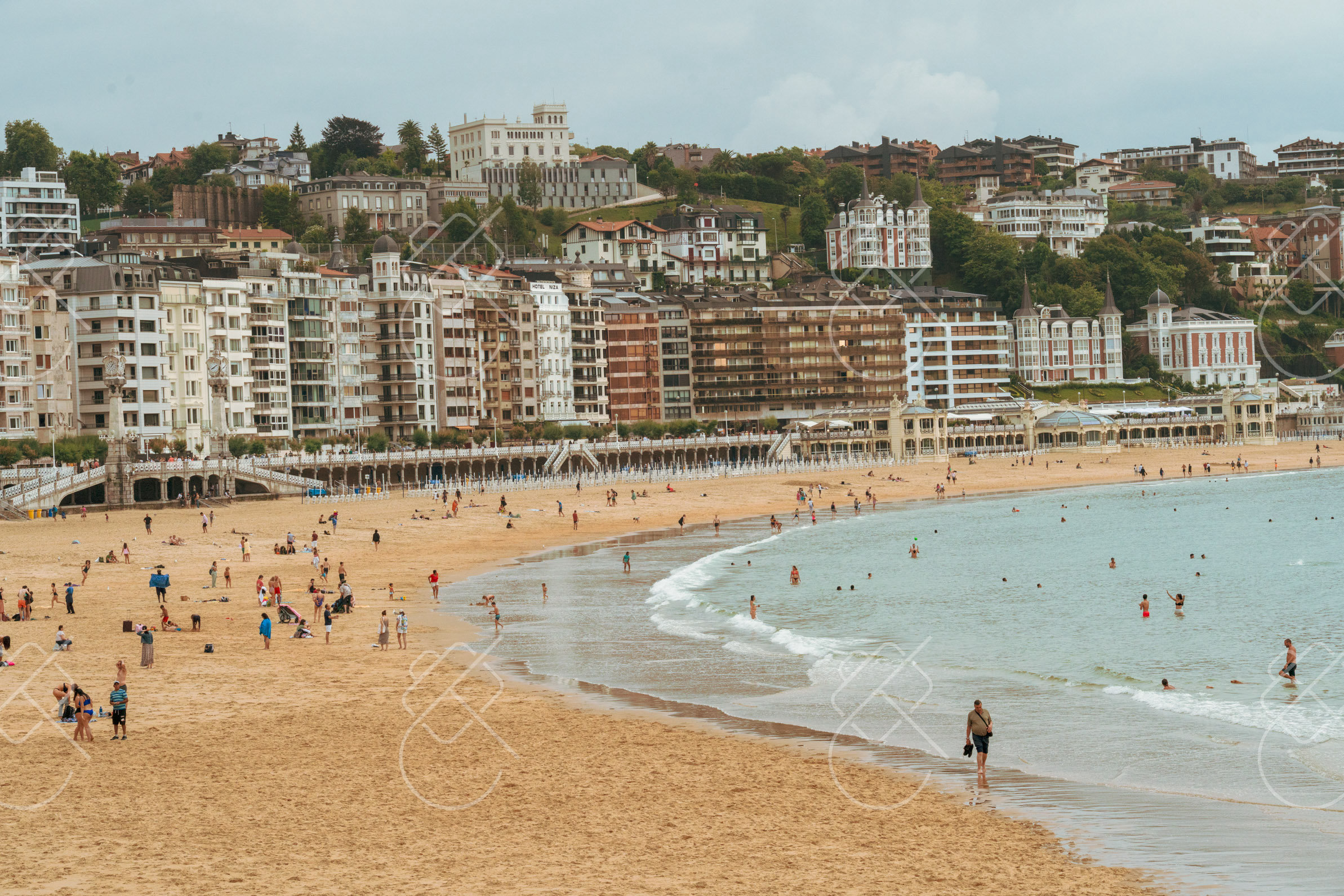
Known in Basque as Donostia, San Sebastián is an elegant coastal city built around the near-perfect arc of La Concha bay. It is famous for its belle-époque architecture, its beaches and one of the highest concentrations of acclaimed restaurants in the world.
The city curves around La Concha, a sheltered bay of golden sand framed by green headlands and a small island at its center. A balustraded promenade runs the length of the beach, and the bay opens up best from above at Monte Igueldo to the west or Monte Urgull to the east.
Behind the seafront, the Parte Vieja, or old town, is a dense grid of narrow streets packed with pintxos bars. The city is closely tied to Basque cuisine, with numerous Michelin-starred restaurants, and its blend of beach, mountains and food makes it a year-round destination.
June to September brings warm beach weather for La Concha and peak pintxo season, with the film festival in late September; spring and autumn are quieter with milder, sometimes rainy days.
The area near the old town and La Concha beach is the most central; the Gros district across the river is livelier and quieter on the wallet.
Pintxos eaten bar to bar in the old town, fresh Atlantic seafood, txakoli white wine, and the burnt Basque cheesecake that originated here.
Ride the Monte Igueldo funicular at the western end of the bay for the classic view of La Concha, finest in the warm light of late afternoon.
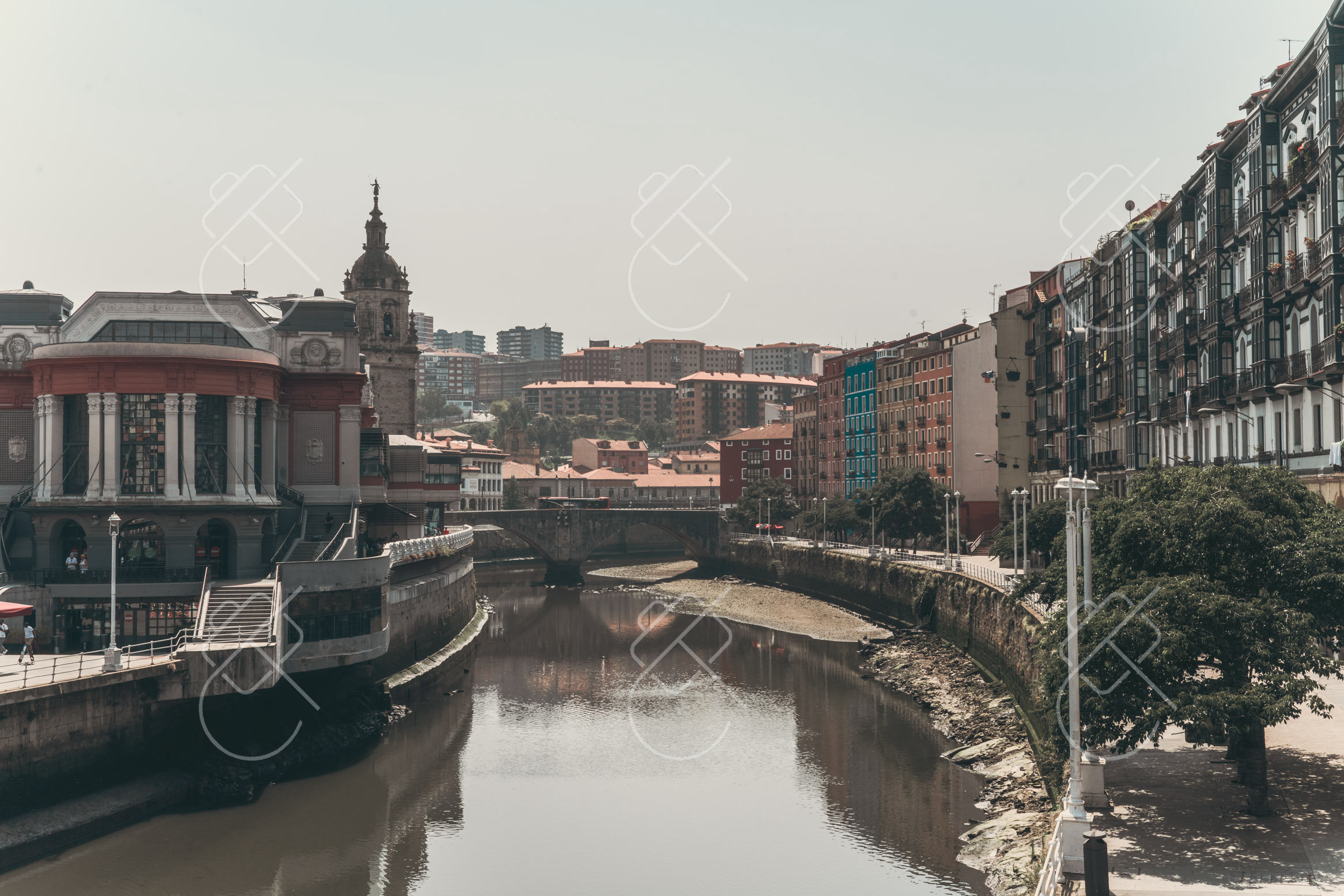
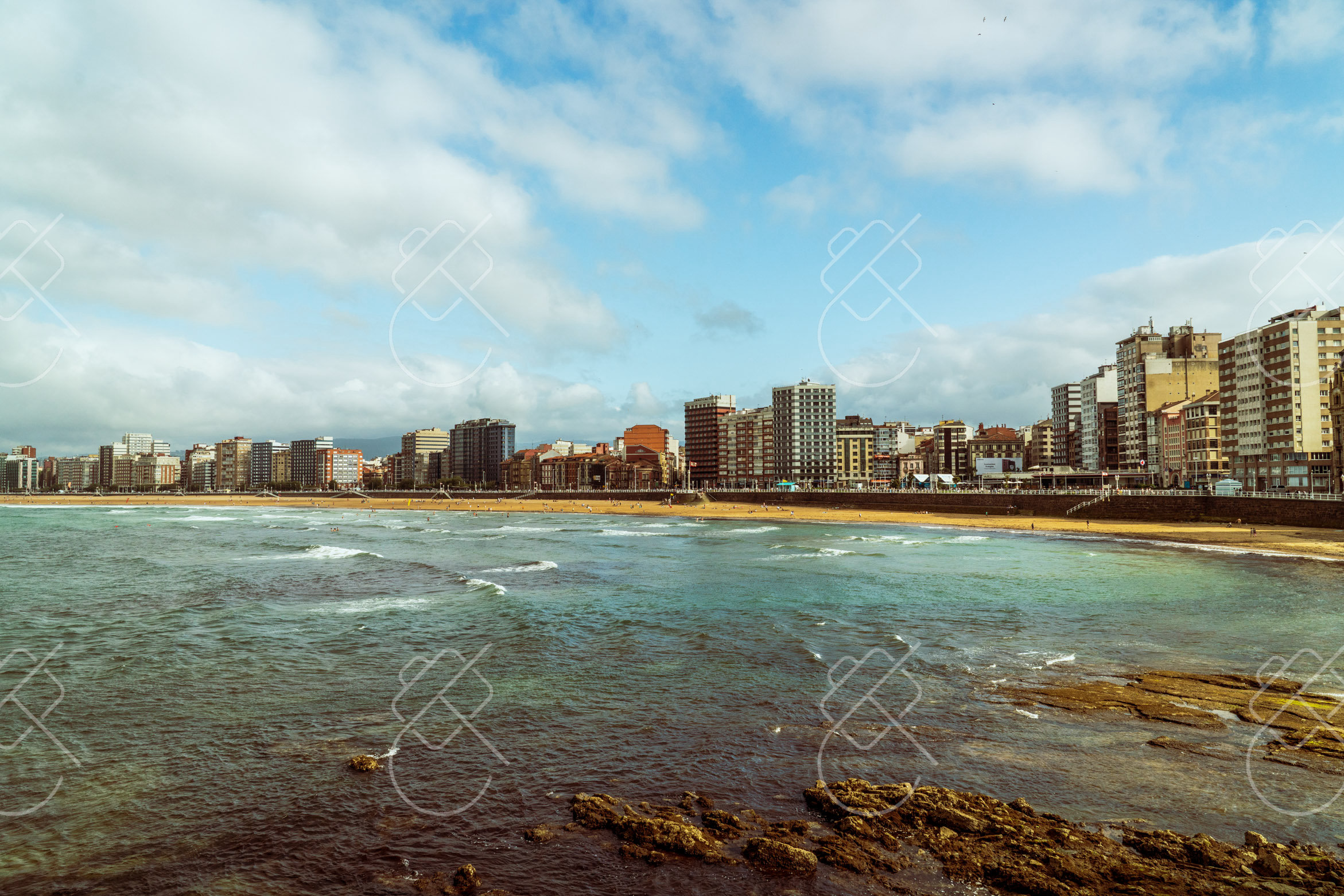
Bilbao is the largest city in the Basque Country, a former industrial port transformed into a cultural destination by the opening of the Guggenheim Museum in 1997. It pairs bold contemporary architecture with a well-preserved medieval old town.
The city's reinvention centered on the Guggenheim Museum Bilbao, a curving, titanium-clad building designed by Frank Gehry along the Nervión River. Its skin shifts with the light and weather, and the surrounding riverfront has become a showcase of modern bridges and public art.
Away from the river, the Casco Viejo, or old town, keeps its historic core of seven original streets, arcaded squares and the Gothic Santiago Cathedral. Walking from the gleaming museum quarter into the traditional old town shows you two very different sides of Bilbao.
The Guggenheim and riverside are at their driest and mildest from late spring through early autumn, though rain is a year-round possibility here; August's Aste Nagusia festival is a lively exception worth planning around.
The riverside area near the Guggenheim suits those drawn to modern Bilbao, while the Casco Viejo offers a more historic base in the heart of the old town.
Pintxos in the old town, salt cod dishes such as bacalao al pil-pil, and Basque seafood paired with local txakoli wine.
The Guggenheim's titanium skin looks completely different under sun and cloud, so don't write off an overcast day, when the building turns sculptural and brooding.
The Atlantic light is softer and the climate wetter than in much of Spain, lending the region a green, moody character all its own.
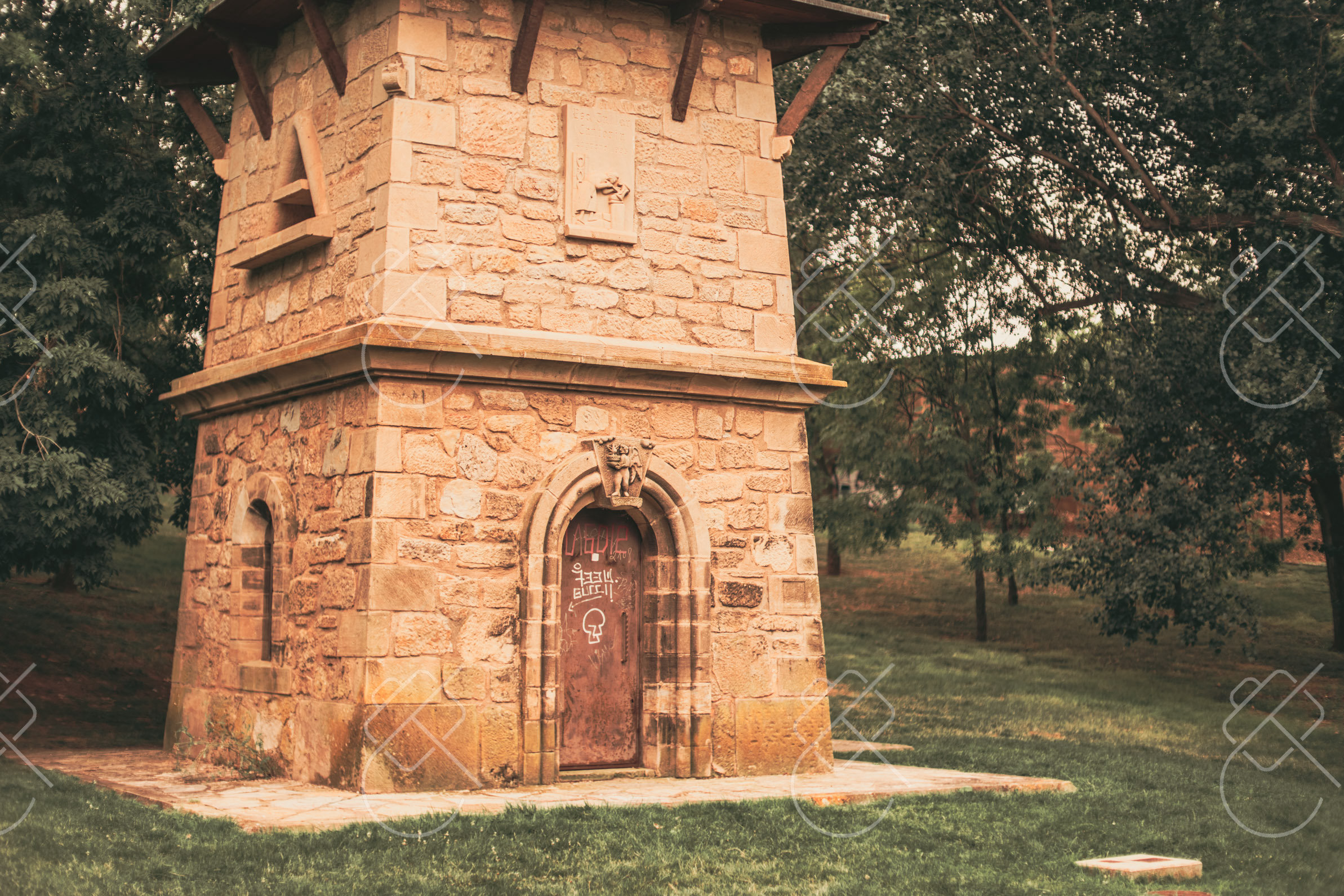
Just south of the Basque Country, Logroño is the capital of La Rioja, Spain's most famous wine region. A stop on the Camino de Santiago pilgrimage route, it is celebrated for its tapas culture and surrounding vineyards.
The city sits on the Ebro River amid the vineyards of Rioja, and its compact old town centers on Calle del Laurel, a street lined almost entirely with tapas bars, each with its own particular specialty. As a Camino town, Logroño also has notable churches, including the twin-towered Co-Cathedral of Santa María de la Redonda.
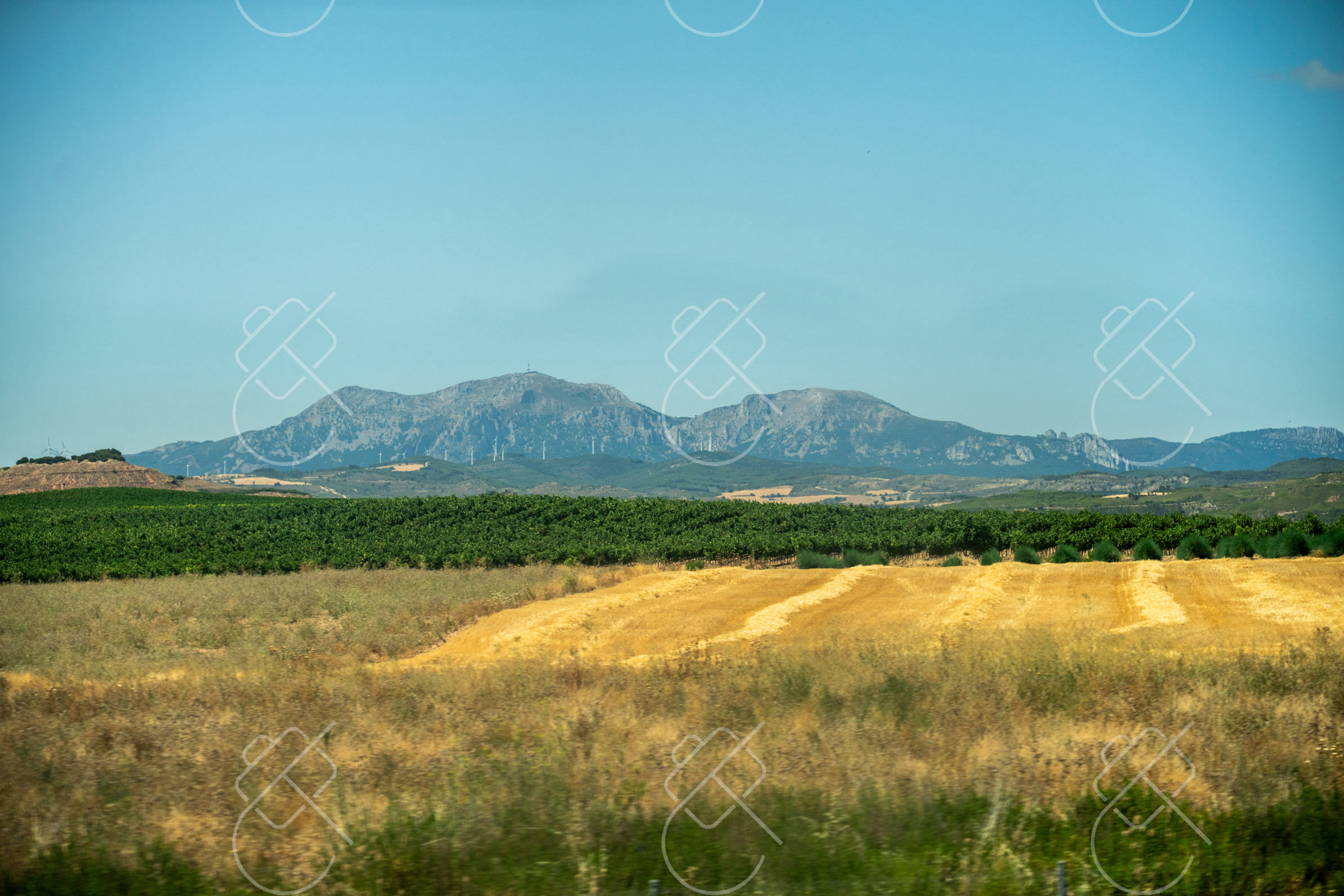
Beyond the city, the Rioja wine country spreads across rolling hills planted with vines, dotted with historic bodegas and some boldly modern winery architecture. The region pairs an animated urban tapas scene with broad agricultural country to drive through.
September is prime time for the Rioja wine harvest and the San Mateo grape-treading festival; spring and early autumn otherwise offer warm, pleasant weather for tapas-bar hopping on Calle Laurel.
The old town puts visitors steps from the tapas bars; staying in a vineyard bodega outside the city suits those touring the wine country.
Tapas, known here as pinchos, crawled along Calle del Laurel, alongside Rioja's renowned red wines and grilled lamb.
The surrounding Rioja vineyards are worth timing around the autumn harvest specifically, when the vines turn gold and russet across the hills and the bodegas hit their busiest stretch of the year.
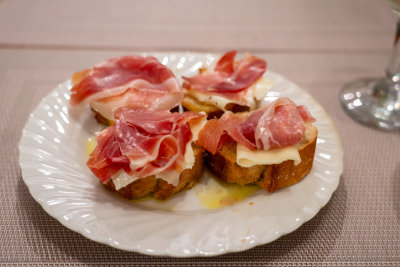
In the Basque Country the humble pintxo is elevated to an art form, here a slice of cured ham draped over crusty bread. Wash it down with a splash of txakoli or cider, exactly as the locals do on a buzzing San Sebastián evening.
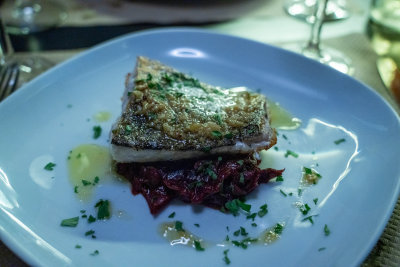
A white-plated fillet set over a deep-red beetroot base and finished with herbs and oil. It shows the polished, modern side of Basque restaurant cooking.
Explore regional routes with verified local fleets, zero hidden charges, and transparent insurance on Localrent.
Find the best deals on Basque Country accommodation with Booking.com.
Transit cards, local customs, visa rules, and practical travel guides for this region.
See every destination from the 526-day journey:
Browse all destinationsCurious about the gear behind these photos? See the gear list.