
Home
About us
Destinations
Travel Guides
Recipes
Featured
Photos As Art
Abstract Prints
Locations
Travel Gear
Travel Resources
Favorites
Photo Framer
Explore Photos
ContactWestern Europe packs an enormous range of landscape into a compact area, from the warm Mediterranean coast of southern Spain to the soft, overcast skies of northern England. Its cities stack Roman, medieval, Renaissance, and modern architecture a few streets apart, so a short walk can carry you across two thousand years. Dense rail links make it possible to cross borders quickly and stand in wholly different worlds within a single trip.
Published May 6, 2026
Tap any photo to open it full-screen and order a print.
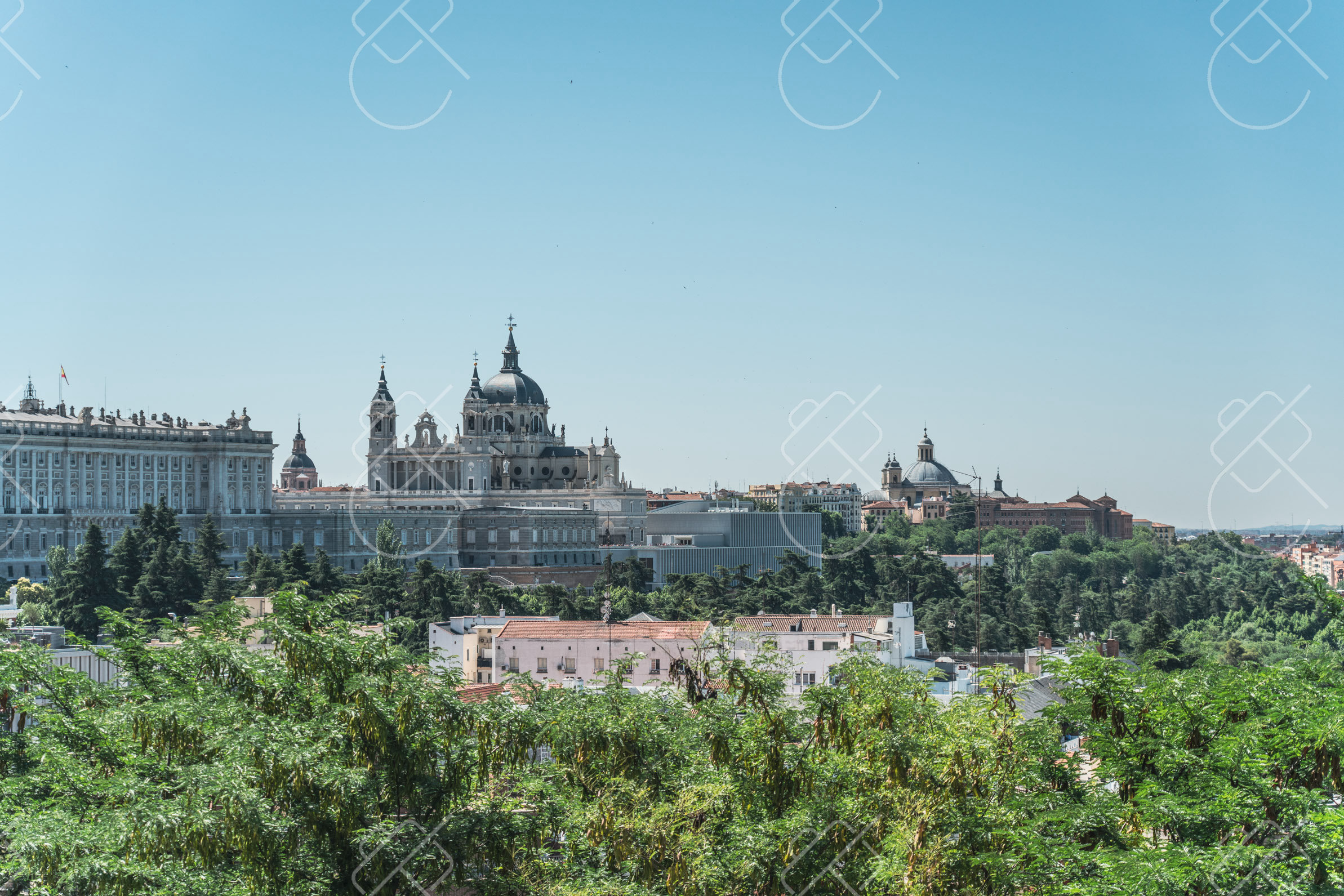
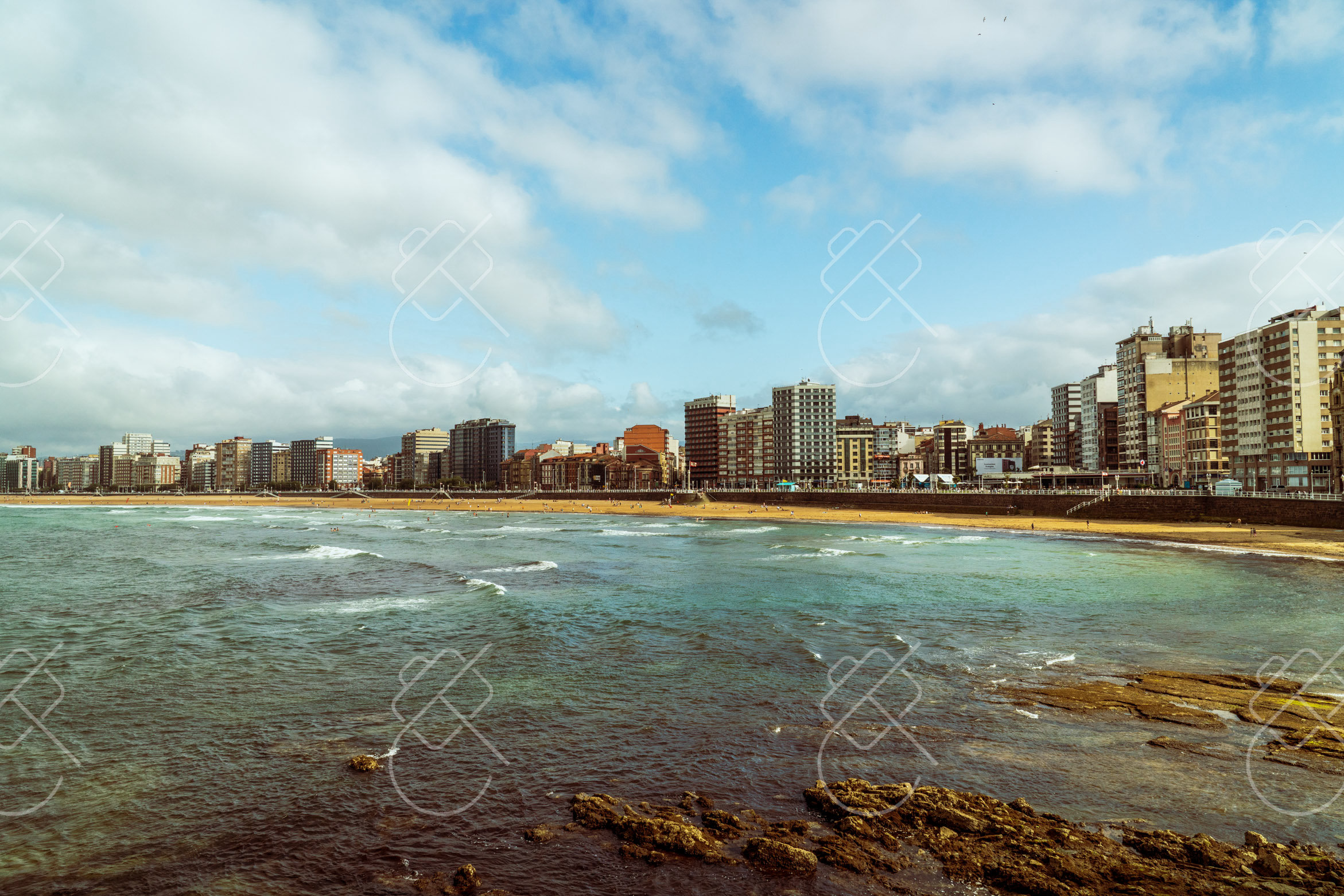
Spain stretches from the green, Atlantic-facing north to the sun-baked plains of Castile and the Moorish south. Its cities range from the modernist architecture of Barcelona to the Islamic monuments of Granada and Córdoba, while the coastlines alternate between rugged cliffs and long sandy beaches. The strong southern light and the tradition of late-evening life mean the streets come alive long after dark, with families out for tapas past midnight.
The Iberian interior is defined by its high, dry plateau, the Meseta, where medieval towns such as Toledo and Segovia sit on rocky outcrops above the surrounding land. Andalusia in the south preserves the most significant Islamic architecture in Western Europe, including the Alhambra in Granada and the Great Mosque of Córdoba, alongside whitewashed hill villages known as pueblos blancos.
Spain's coastlines pull in different directions: the Costa Brava in Catalonia is marked by pine-covered cliffs and coves, while the Atlantic coast of Galicia is greener, wetter, and frequently shrouded in mist. The major cities each have a distinct character, from Barcelona's Catalan Modernisme to Madrid's grand boulevards and Seville's tiled courtyards.
May–June and September–October bring warm, dry weather and lighter crowds than peak summer; April's Feria de Abril in Seville and the Easter processions are highlights, while August is hot inland but lively on the coast.
Seville makes an excellent base for exploring Andalusia, with its compact, walkable historic center and rail connections to Córdoba and Granada.
Regional specialties include paella from Valencia, jamón ibérico, gazpacho, tortilla española, and pintxos in the Basque Country.
Siesta closes many shops and sites at midday, and the interior can hit 40°C in July and August, so front-load sightseeing into the morning and save the evening for after 6pm.
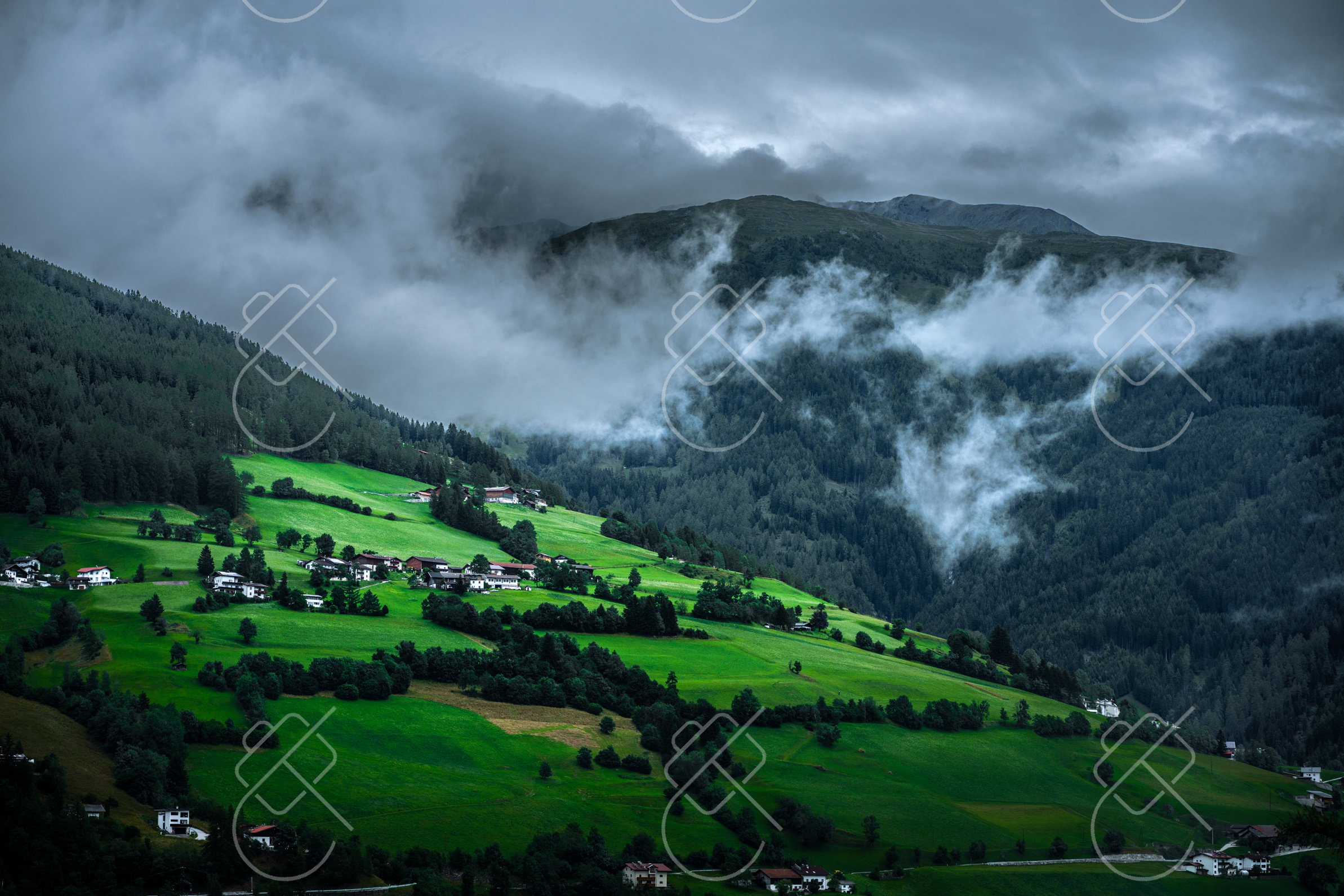
Italy concentrates an extraordinary density of art, architecture, and landscape into a long peninsula running from the Alps to the Mediterranean. Rome, Florence, and Venice preserve monuments spanning two millennia, while the countryside of Tuscany and the coastlines of Liguria and Amalfi offer some of Europe's most recognizable scenery. The clear central and southern light has drawn painters and travelers for centuries.
The historic cities each feel like a self-contained world: Rome layers ancient ruins beneath Baroque churches and fountains, Florence is dense with Renaissance art and architecture, and Venice is a maze of canals, bridges, and faded palazzi reflected in the water. Smaller hill towns across Tuscany and Umbria, such as San Gimignano and Siena, retain medieval skylines.
Italy's landscapes are equally varied, from the rolling vineyards and cypress-lined roads of the Val d'Orcia to the terraced cliffs of the Cinque Terre and the Amalfi Coast. The northern lakes, including Como and Garda, are ringed by mountains and dotted with formal gardens and villas.
Skip midsummer if you can. April to June and September to October bring mild weather, the grape and olive harvests, and far fewer tourists; winter has its own draw too, with Carnival in Venice and cheaper city stays.
Florence is a compact, central base for Tuscany, with easy rail access to both Rome and Venice.
Each region has its own cuisine, from Roman cacio e pepe and Neapolitan pizza to Florentine bistecca, Ligurian pesto, and Venetian seafood cicchetti.
Major sites such as the Vatican Museums and the Uffizi require advance timed-entry tickets; arriving at opening time helps you beat both the queues and the midday heat.
from the warm Mediterranean coast of southern Spain to the soft, overcast skies of northern England

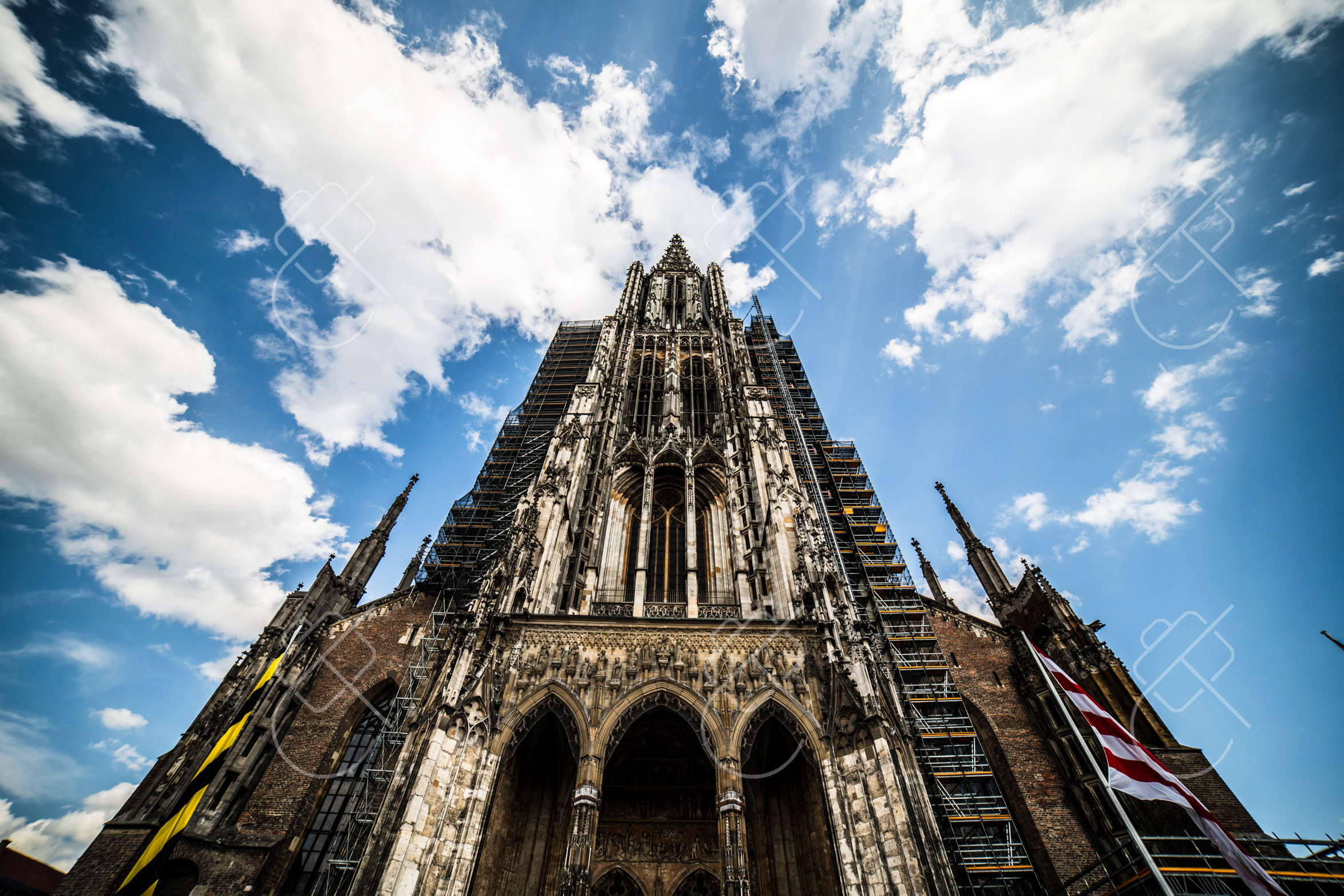
Germany ranges from the flat, river-laced north to the forested hills of the center and the alpine peaks of Bavaria. Its cities mix carefully reconstructed historic centers with bold modern architecture, while the countryside is dotted with castles, medieval towns, and dense woodland. The northern skies are often soft and overcast, lending a quiet, weathered mood to the old riverside towns.
The Romantic Rhine Valley between Bingen and Koblenz is lined with hilltop castles, terraced vineyards, and small riverside towns, a stretch recognized by UNESCO. In the south, Bavaria offers the fairytale castles of Ludwig II, including Neuschwanstein, set among alpine lakes and peaks.
Germany's cities present strong contrasts. Berlin combines remnants of its divided past with contemporary art and architecture, while Munich and Dresden showcase restored Baroque and royal buildings. Well-preserved medieval towns such as Rothenburg ob der Tauber retain intact town walls, timber-framed houses, and cobbled lanes.
May–September is ideal for warm days, beer gardens, and outdoor festivals, while late September into October means Oktoberfest in Munich; visit in December for the famous Christmas markets.
Munich is a convenient base for Bavaria, with rail and road links to Neuschwanstein, the Alps, and historic towns along the Romantic Road.
Regional staples include Bavarian pretzels and sausages, currywurst in Berlin, Black Forest cake, and hearty dishes such as schnitzel and spätzle.
The weather turns quickly, especially in the south, so a rain layer earns its space in the bag; for alpine viewpoints, the clearest air comes in the hour or two after sunrise.
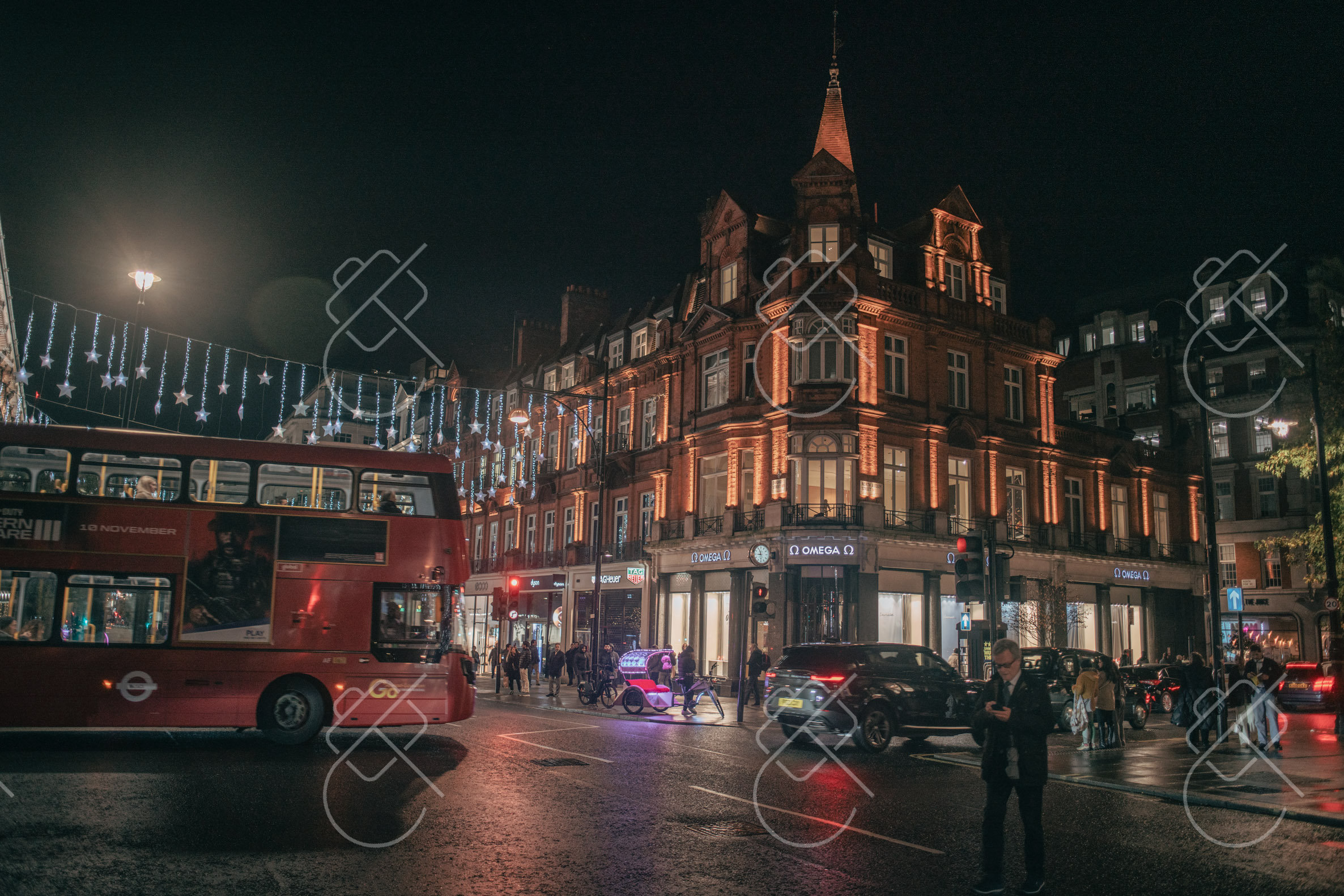
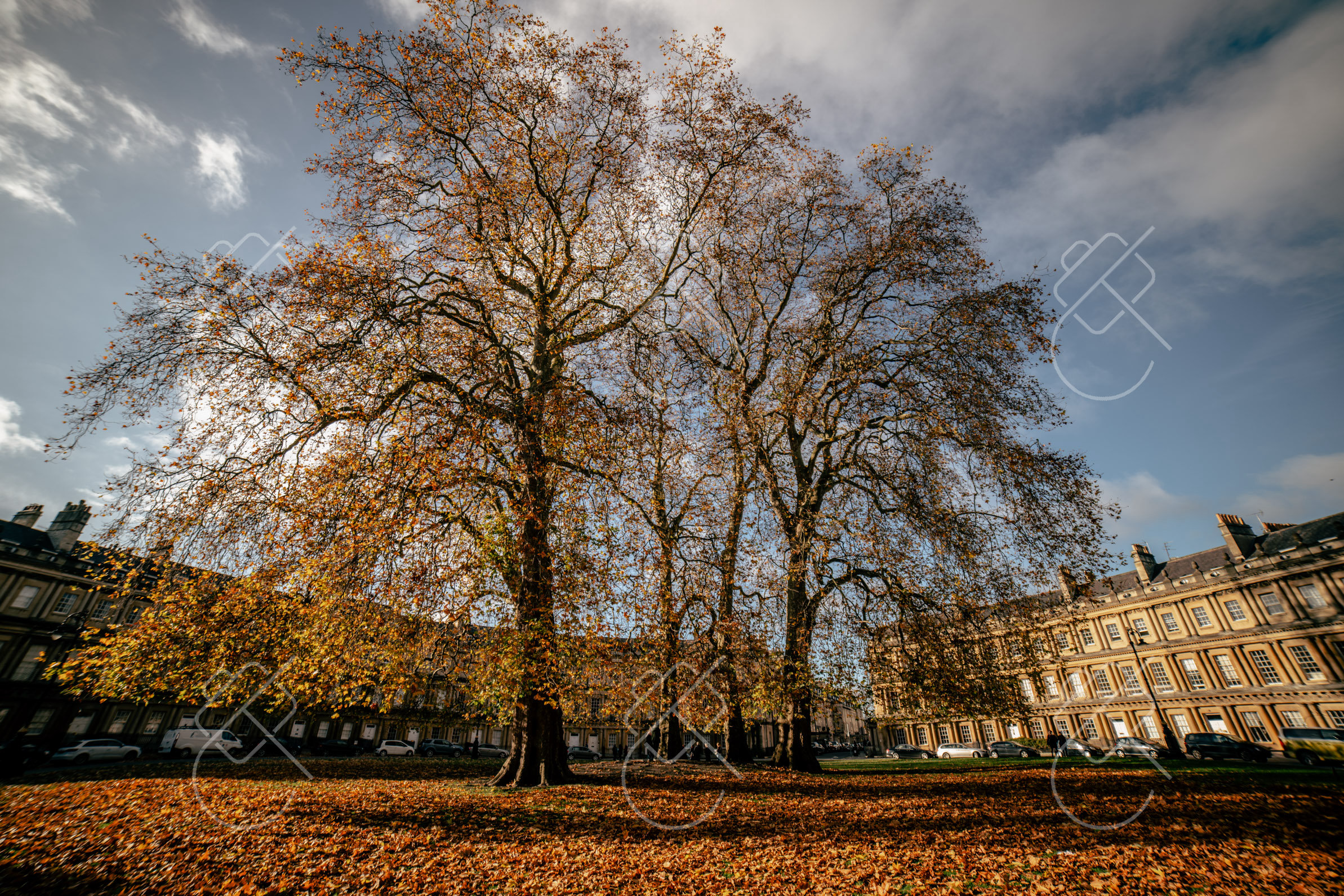
England combines a dense historic capital with rolling countryside, dramatic coastlines, and changeable weather that often produces soft, layered light. London offers centuries of architecture along the Thames, while regions such as the Cotswolds, the Lake District, and Cornwall provide pastoral and rugged scenery within a few hours' travel. Frequent cloud and mist give the landscape a brooding, quietly cinematic feel that rewards walkers who wait out the showers.
London is the country's centerpiece, with the Thames threading past landmarks including the Houses of Parliament, Tower Bridge, and St Paul's Cathedral, alongside contemporary towers in the City and at Canary Wharf. Historic university cities such as Oxford and Cambridge add honey-colored stone colleges and riverside walks.
Beyond the cities, the landscapes vary widely. The Lake District in the northwest is a region of glacial valleys, lakes, and fells; the Cotswolds offer gently rolling hills and stone villages; and the coasts of Cornwall and Dorset feature cliffs, coves, and ancient rock formations such as Durdle Door.
Gardens hit full bloom and days stretch longest from May through September, when Wimbledon and open-air festivals fill the calendar; spring and early autumn trade a few degrees of warmth for thinner crowds and lower prices.
London is the natural hub, with extensive rail links making day trips to Oxford, the Cotswolds, and the south coast straightforward.
Traditional dishes include fish and chips, the Sunday roast, cream teas with scones, and full English breakfasts.
Weather shifts rapidly, so it is worth waiting out a passing shower for the clear, washed light that often follows; pack a waterproof layer.
a short walk can carry you across two thousand years
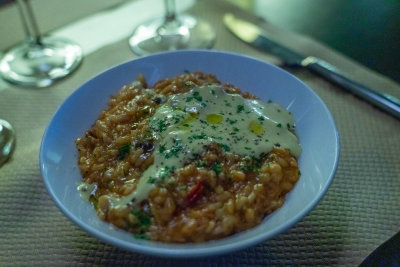
A creamy seafood risotto, the rice simmered slowly in stock until rich and tender and studded with shellfish — a comforting Mediterranean classic.
Explore regional routes with verified local fleets, zero hidden charges, and transparent insurance on Localrent.
Get the best rates and deals on Western Europe hotels through Expedia.
Transit cards, local customs, visa rules, and practical travel guides for this region.
See every destination from the 526-day journey:
Browse all destinationsCurious about the gear behind these photos? See the gear list.