Home
About us
Destinations
Travel Guides
Recipes
Featured
Photos As Art
Abstract Prints
Locations
Travel Gear
Travel Resources
Favorites
Photo Framer
Explore Photos
ContactFounded in the late 8th century by Idris I, Fes is the spiritual, intellectual, and artisanal heart of the Kingdom of Morocco. At its core lies Fes el-Bali, the largest preserved medieval car-free urban area in the world, encompassing over 9,000 labyrinthine pedestrian lanes contained within ancient rammed-earth ramparts. Here, pack donkeys still transport sacks of fragrant spices, brass lamps, and woven textiles past cedar-scented madrasas, intricately tiled fountain alcoves, and the open stone dyeing vats of the legendary Chouara Tannery, where leather has been cured by hand in natural dyes for nearly a thousand years.
Published October 18, 2026
Tap any photo to open it full-screen and order a print.
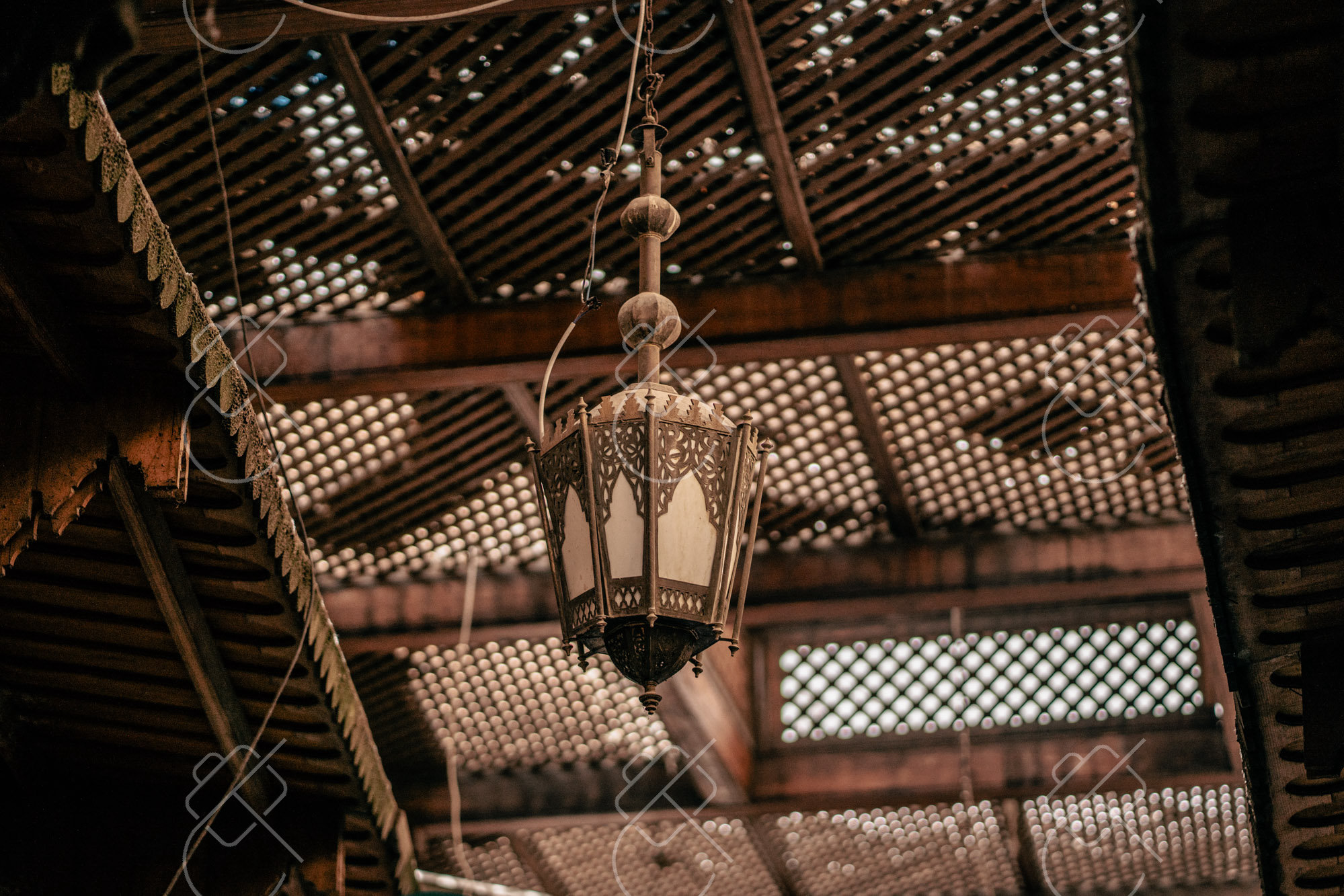
Morocco's imperial and spiritual capital, preserving the world's most intact medieval medina, ancient leather tanneries, and Islamic architectural masterworks.
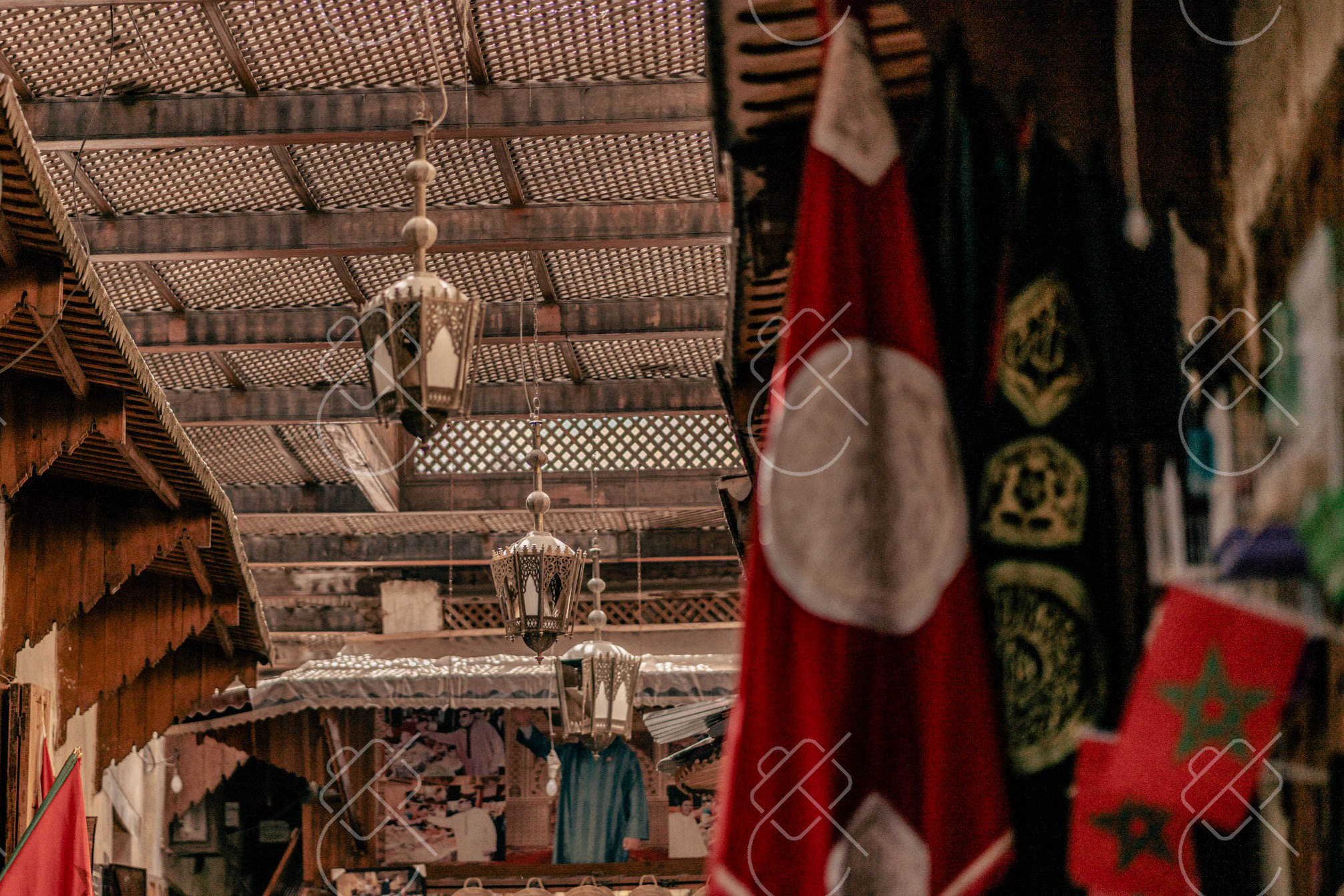
Entering the medina through Bab Bou Jeloud (The Blue Gate)—adorned with cobalt-blue zellij tiles on the exterior and Islamic green on the interior—feels like stepping back through centuries of living history. The two main thoroughfares, Tala'a Kebira and Tala'a Seghira, descend past spice merchants, copper craftsmen hammering bowls at Place Seffarine, and bakeries baking round crusty khobz bread in communal wood-fired ovens.
The Chouara Tannery is Fes's most iconic spectacle. Viewed from the rooftop leather shops surrounding the courtyard, dozens of honeycomb-shaped round stone vats are filled with natural pigment dyes—saffron yellow, poppy red, cedar indigo, and mint green—alongside pigeon guano and lime mixtures used to soften hide. Workers wade chest-deep in the vats under the Moroccan sun, turning raw goat and cow skins into supple leather.
The stone vats of Chouara Tannery filled with natural leather dyes
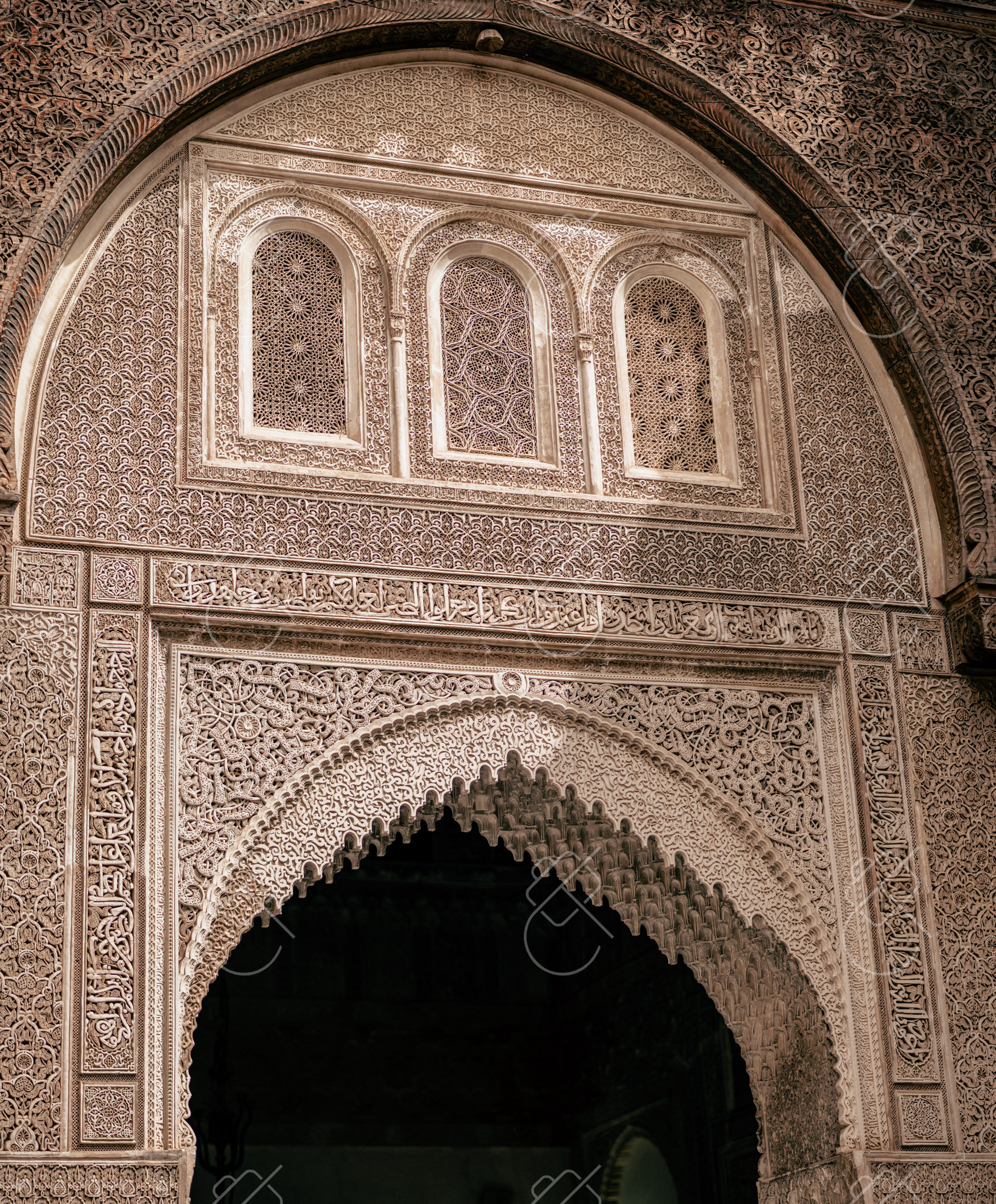
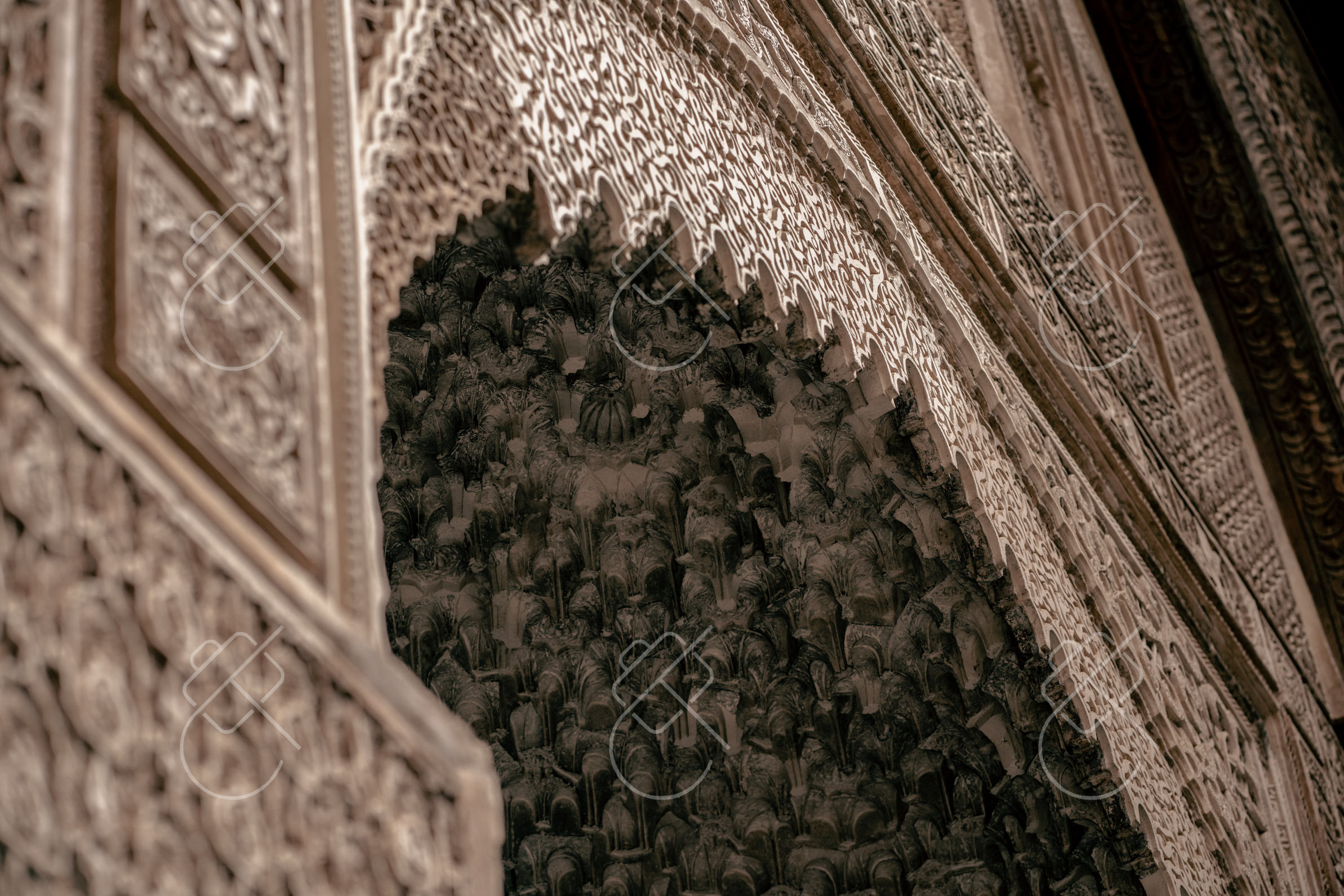
Fes is also home to the University of Al-Qarawiyyin, recognized by UNESCO as the oldest continuously operating institution of higher learning in the world, founded in 859 AD by Fatima al-Fihri. Nearby, the Bou Inania Madrasa showcases the pinnacle of Marinid architectural refinement, with carved cedar eaves, intricate stucco calligraphy, and polychrome zellij mosaics.
March to May (spring) or October to November (autumn), when temperatures are comfortable for walking the enclosed medina and wildflowers or crisp mountain breezes freshen the valley.
Book an authentic restored riad inside Fes el-Bali near Bab Bou Jeloud or Batha for tranquil inner courtyards with fountains, carved plasterwork, and rooftop terrace breakfast views.
Pastilla (crisp, layered warqa pastry filled with tender spiced pigeon or chicken, crushed almonds, cinnamon, and powdered sugar) and slow-cooked lamb tagine with prunes.
Keep an offline navigation map (such as Maps.me) on your smartphone, but don't stress over getting turned around in Fes el-Bali. If lost, simply ask a shopkeeper for 'Bab Bou Jeloud' or look for uphill paths that lead toward the main gates.
While in Fes, Morocco, NordVPN helped us browse securely on shared connections and stream from home at night.
Compare stays in Fes and get the best deals on Hotels.com.
Transit cards, local customs, visa rules, and practical travel guides for this region.
See every destination from the 526-day journey:
Browse all destinationsCurious about the gear behind these photos? See the gear list.