
Home
About us
Destinations
Travel Guides
Recipes
Featured
Photos As Art
Abstract Prints
Locations
Travel Gear
Travel Resources
Favorites
Photo Framer
Explore Photos
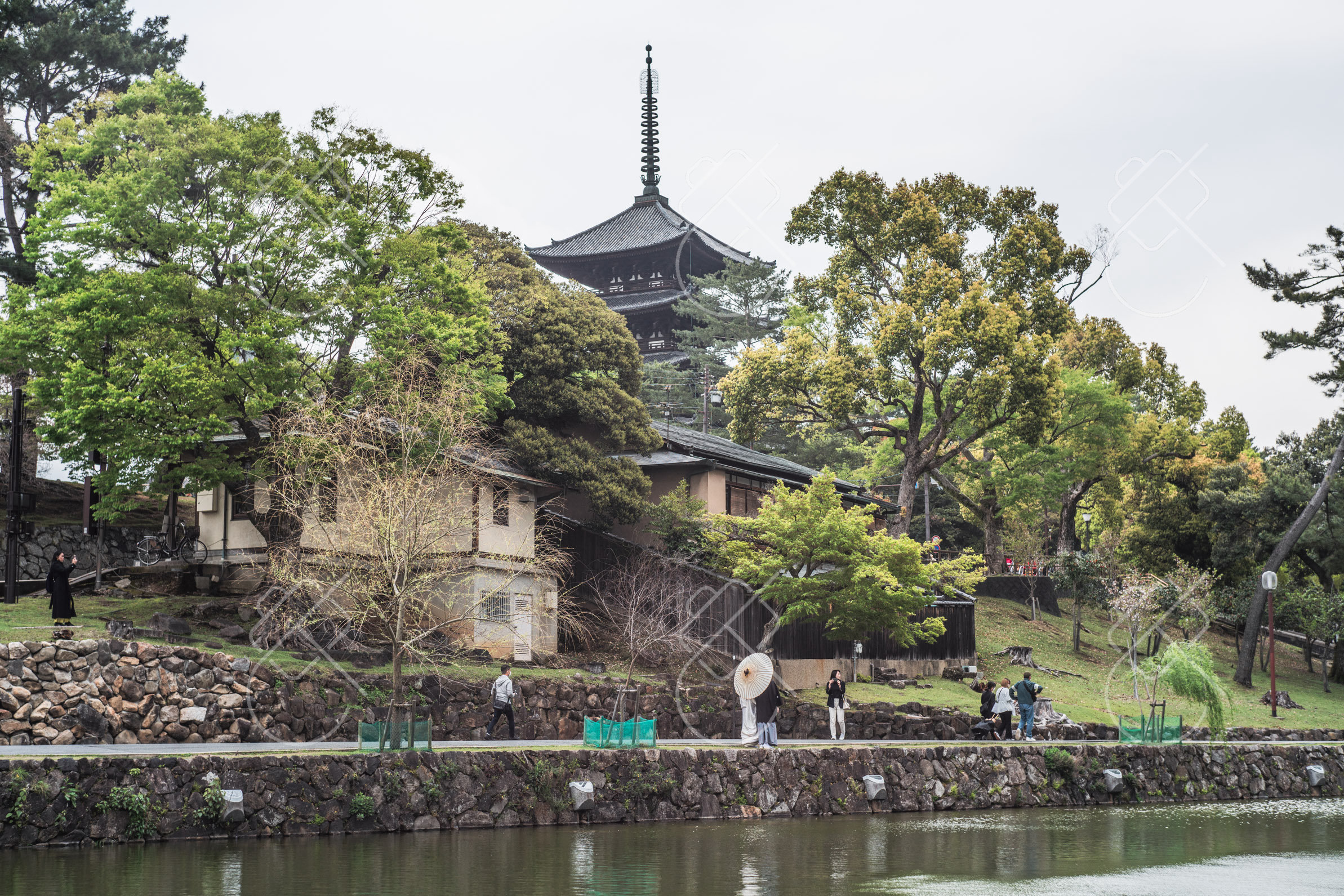
ContactBefore Kyoto, before Tokyo, Nara was Japan's first fixed capital, and it held that role just long enough to leave behind some of the country's oldest and largest wooden buildings, plus a park full of deer that have had the run of the place for over a thousand years.
Published May 14, 2026
Tap any photo to open it full-screen and order a print.
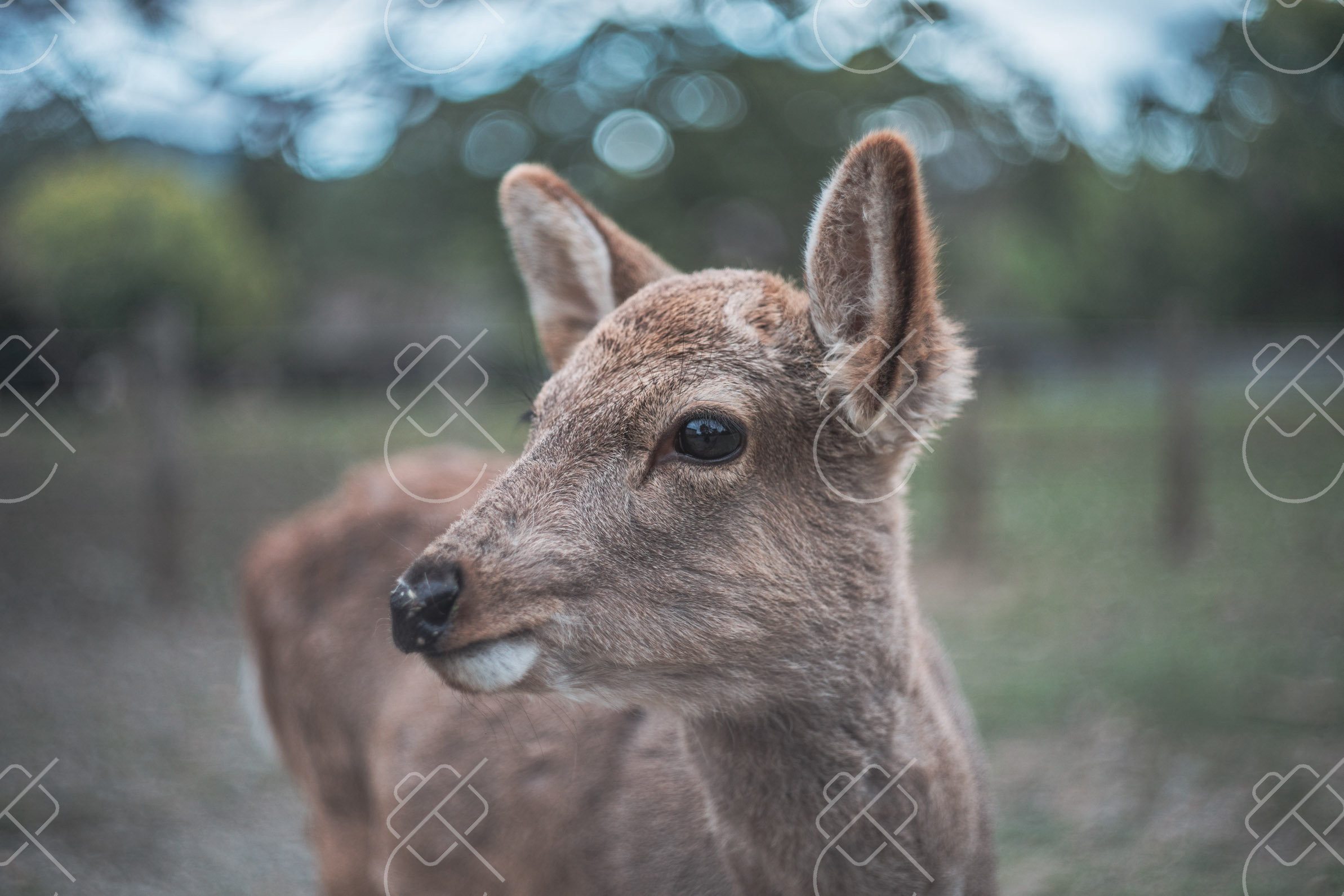
Japan's first permanent capital, where over a thousand wild sika deer roam a forested park and bow for crackers beneath a temple that shelters one of the largest bronze Buddhas on Earth.
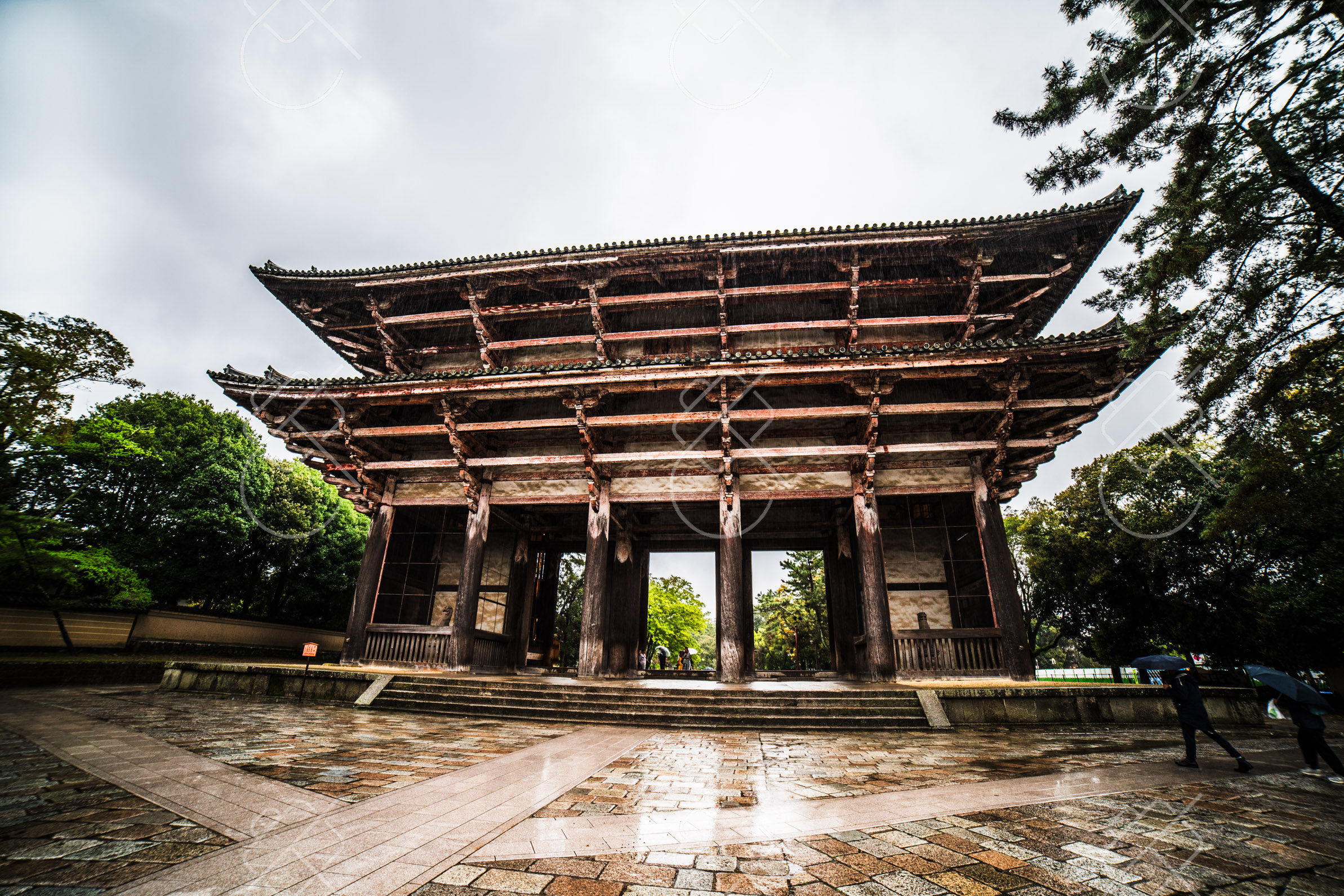
Nara became Japan's first fixed capital in 710, a status it held for less than a century before the court moved on to Kyoto — long enough to leave behind some of the country's oldest and largest wooden buildings. Chief among them is Tōdai-ji's Great Buddha Hall, a structure so vast it was for centuries the biggest wooden building on the planet, built specifically to house a 15-meter bronze Buddha cast in the 8th century. Walking beneath its coffered ceiling and craning your neck up at the statue's calm, oversized face is a genuine gut-punch of scale, no photograph quite prepares you for it.
Tōdai-ji's Nandaimon Gate in the rain
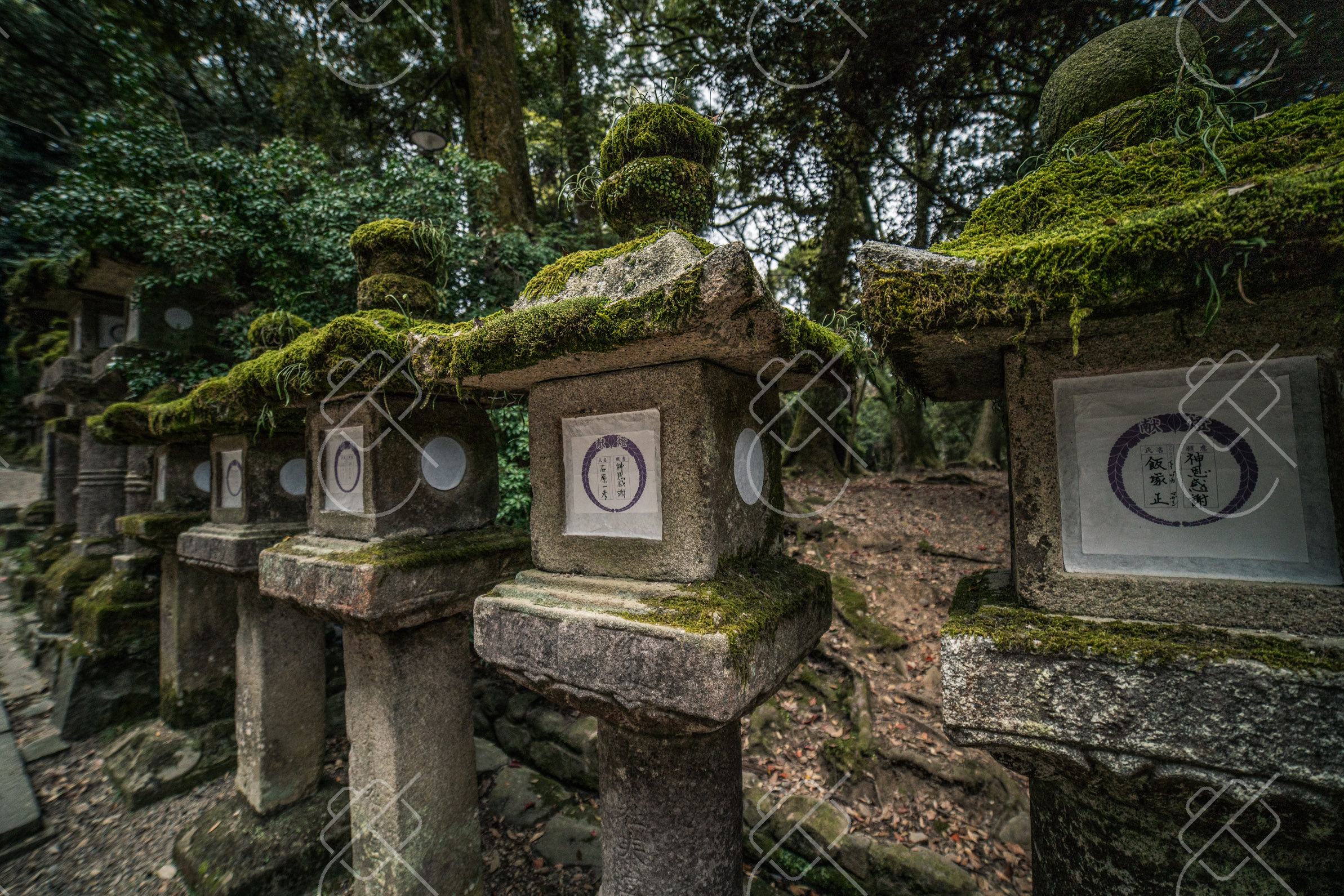
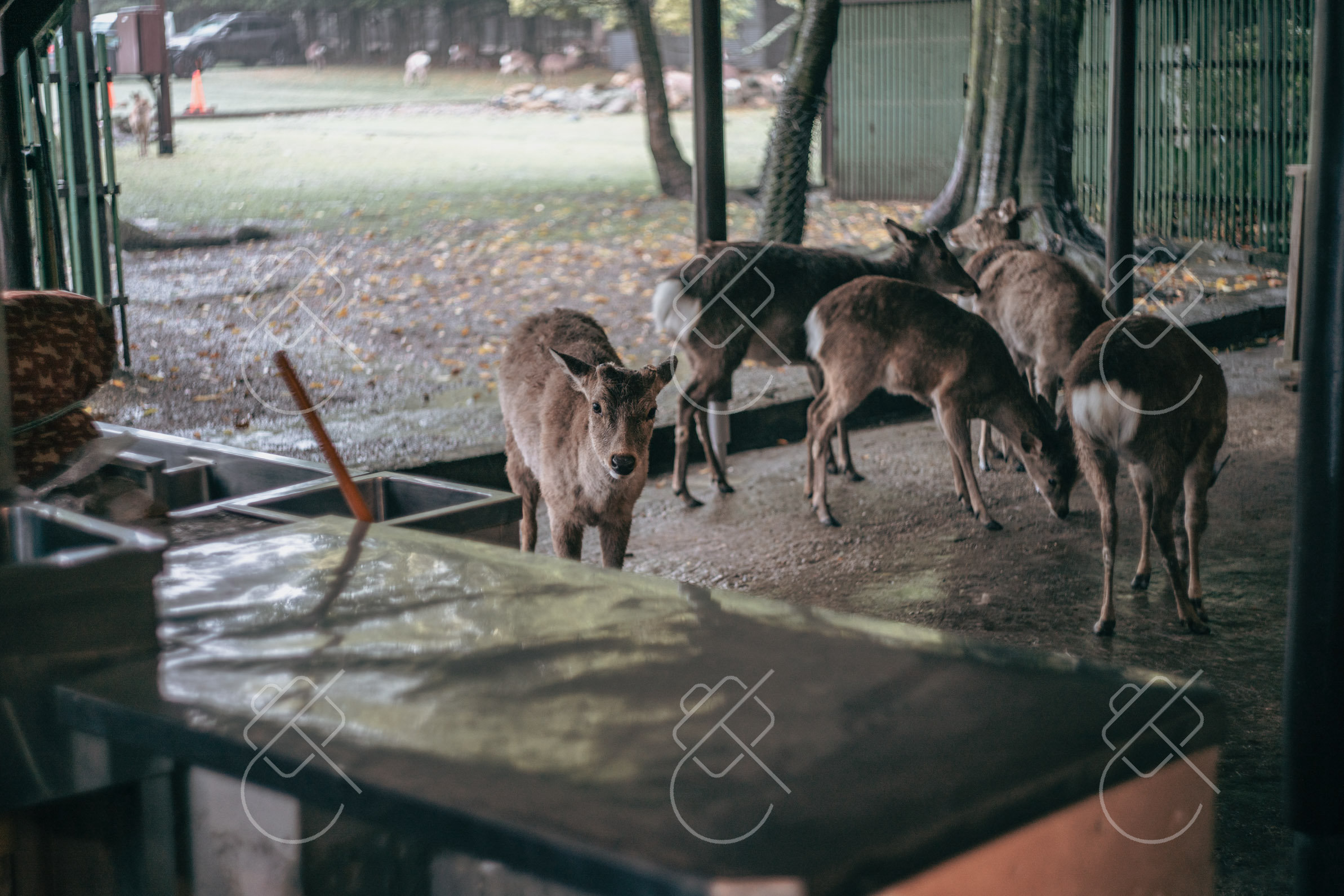
Just as famous, and considerably more mobile, are the deer. Nara Park's sika deer have been protected for over a thousand years as messengers of the resident Shinto gods, and they've turned that immunity into a very good hustle: they'll bow for a rice cracker and get testy if you don't deliver. Past the deer, the forested paths climbing toward Kasuga Taisha are lined with hundreds of stone and bronze lanterns, mossy, weathered, half-swallowed by cedar roots, that get lit for a handful of festivals a year and otherwise just sit in the green half-light looking ancient. It's a compact city, easily walkable, and everything of note sits inside or around the same park.
Spring (late March through April) for cherry blossoms in the park, or November for autumn foliage around Kasuga Taisha; both are peak crowds, so early morning is essential either way.
Base yourself near Nara Park or the Naramachi old town district, both are walkable to Tōdai-ji and Kasuga Taisha and put you close to the deer at dawn before the tour buses arrive.
Kakinoha-zushi, persimmon-leaf-wrapped sushi that was originally a preservation method before refrigeration, is a Nara specialty worth seeking out, along with the narazuke pickles found in shops around the old town.
Buy shika senbei (deer crackers) from a licensed stall, not off the ground, and finish the bag fast, empty-handed deer will nose at your pockets and bags looking for more.
While in Nara, Japan, NordVPN helped us browse securely on shared connections and stream from home at night.
Compare stays in Nara and get the best deals on Booking.com.
Transit cards, local customs, visa rules, and practical travel guides for this region.
See every destination from the 526-day journey:
Browse all destinationsCurious about the gear behind these photos? See the gear list.